coffee extract
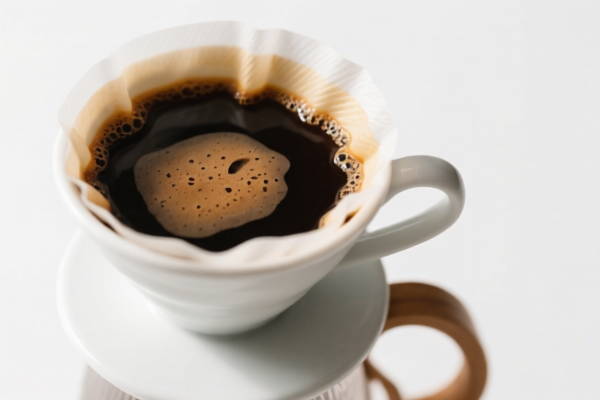
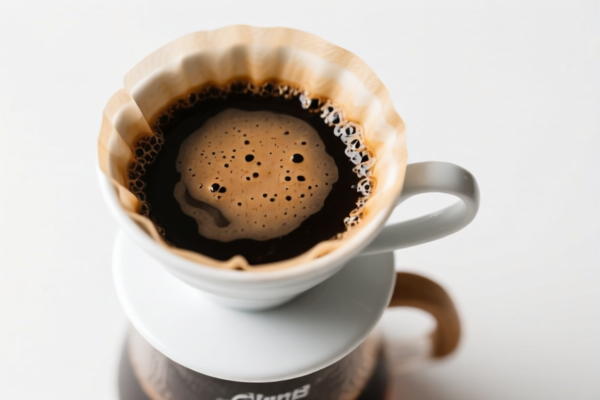
CN → US商品图片


AI分析
☕ Coffee Extract (Liquid or Powdered)
🌐 HS Code Reference & Clearance Guide | 2026 Latest Tariff Analysis | Professional Clearance Strategy
📌 I. Product Definition & Classification: Do You Really Understand "Coffee Extract"?
Coffee Extract is a concentrated substance obtained from coffee beans through extraction processes (water, ethanol, or supercritical CO2). It retains the flavor, aroma, and caffeine content of coffee. In international trade, it is primarily classified under Chapter 21 (Miscellaneous Edible Preparations) because it is a processed food ingredient, not a simple agricultural commodity like raw beans (Chapter 9).
Key Distinction:
- Coffee Extract (Liquid/Powder): Highly concentrated, used in beverages, desserts, or as an ingredient. → HS 2101
- Instant Coffee: Coffee brewed and then dried into soluble powder/granules. → HS 2101.11/12 (Often confused, but Extract can be non-soluble or semi-soluble).
- Essential Oils/Oleoresins: If strictly aromatic without significant caloric value, may fall under HS 3301.
⚠️ Critical Classification Point:
- If it is a concentrated liquid/syrup or powder intended for human consumption as a food ingredient → HS 2101.20
- If it is a non-food industrial extract (e.g., for cosmetics) → HS 3301.29
- Most common commercial use: Food/Beverage industry → HS 2101.20.90 (US) / 2101.20.99 (EU/China)
📦 II. HS Code Classification Details (2026 Latest Tariff Authority Comparison)
| HS Code | Product Description | Application Scenario | Key Characteristics |
|---|---|---|---|
2101.20.90 |
Extracts, essences, and concentrates of coffee | Liquid coffee syrup, coffee powder for instant mix | ✅ Food-grade, concentrated flavor |
2101.20.10 |
Coffee extracts (specific sub-category in some countries) | Specialty liquid extracts for barista use | ✅ High concentration |
3301.29.90 |
Essential oils and oleoresins of coffee (non-food) | Cosmetic fragrance, perfume base | ❌ Not for direct consumption |
2106.90.92 |
Other food preparations (if blend with other ingredients) | Coffee flavoring blends with additives | ✅ Contains other food ingredients |
🔍 Key Reminder:
- Do NOT confuse with Instant Coffee (2101.11/12): Instant coffee is soluble and made from brewed coffee that is dried. Extracts are concentrated and may not be fully soluble or are used for flavoring rather than direct brewing.
- Food Safety Certification Required: Always provide FDA (US), EFSA (EU), or local health authority certificates for food-grade extracts.
💰 III. 2026 Latest Tariff Rate Details (Including Surcharges & Policy Add-ons)
✅ Applicable Country: United States (US)
✅ Origin: China (CN)
✅ Effective Date: November 10, 2025 (and subsequent imports)
🎯 1. 2101.20.90 —— Coffee Extracts (Liquid/Powder)
| Item | Content |
|---|---|
| Base Tariff Rate | 0% (ad valorem) |
| USITC Additional Tariff | +25% (under USITC Footnote 9903.88.01) |
| IEEPA Additional Tariff | +10% (for China/Hong Kong products, effective Nov 10, 2025) |
| Total Tariff Rate | 35% |
| Tax Calculation | CIF Value × 35% |
| De Minimis Eligibility | ❌ Not Eligible (deny_de_minimis) |
| Legal Basis Path | IEEPA:9903.01.25 → IEEPA:9903.01.24 → USITC:2101.20.90 → FOOTNOTE:9903.88.01 |
📌 Explanation:
- "USITC Additional Tariff 25%" is from the Section 301 trade action;
- "IEEPA 10%" is the new additional tariff for Chinese products under the International Emergency Economic Powers Act;
- Total 35% is a high tariff rate. Must be factored into pricing!
🎯 2. 3301.29.90 —— Coffee Oleoresins (Non-Food/Cosmetic)
| Item | Content |
|---|---|
| Base Tariff Rate | 0% (ad valorem) |
| USITC Additional Tariff | +25% (if used as food ingredient substitute or misdeclared) |
| IEEPA Additional Tariff | +10% |
| Total Tariff Rate | 35% (if declared as food) or 0% (if strictly non-food/cosmetic with proper proof) |
| De Minimis Eligibility | ❌ Not Eligible (if food-related) |
📌 Caution:
- If declared as cosmetic but used in food, customs will reclassify to 2101.20.90 and apply 35%.
- Proper documentation (Letter of Intent for Cosmetic Use) is critical for 3301 classification.
🛠️ IV. Clearance Practical Advice (Battle-Tested Pitfall Avoidance Guide)
✅ 1. Required Document Checklist (None Can Be Missing)
| Document | Mandatory? | Notes |
|---|---|---|
| ✅ Product Specification Sheet | ✔️ | Include concentration, caffeine content, solvents used, shelf life |
| ✅ Food Safety Certificate | ✔️ | FDA registration number, COA (Certificate of Analysis) |
| ✅ MSDS/SDS | ✔️ | For hazardous classification (if using ethanol extraction) |
| ✅ Commercial Invoice | ✔️ | Clearly state "Coffee Extract for Food Use" |
| ✅ Packing List | ✔️ | Detail net/gross weight, packaging material |
| ✅ Origin Certificate | ✔️ | For potential preferential treatment (if not from China) |
| ✅ Letter of Intent | ✔️ | If declaring as cosmetic (HS 3301), explain non-food use |
✅ 2. Declaration Tips (Key Mantra)
🔥 "Food Grade? 2101. Non-Food? 3301. Caffeine High? Declare It!"
| Scenario | Correct Declaration | Wrong Practice |
|---|---|---|
| Coffee syrup for beverages | 2101.20.90 |
Misdeclare as "Flavoring" (2106) → Risk of audit |
| Coffee powder for instant coffee | 2101.11/12 |
Misdeclare as "Extract" → 35% vs. 0% base |
| Coffee oleoresin for perfumes | 3301.29.90 |
Misdeclare as food → 35% tariff + fine |
| Blended coffee flavor | 2106.90.92 |
Misdeclare as pure extract → 35% on entire value |
✅ 3. Special Cases Handling
| Scenario | Handling Advice |
|---|---|
| Ethanol-Based Extracts | Classify as hazardous if >24% alcohol. Provide MSDS. |
| Decaffeinated Extract | Same HS Code (2101.20.90), but declare "Decaffeinated" to avoid FDA scrutiny on caffeine limits. |
| Bulk vs. Retail | Bulk industrial containers → 2101.20.90. Retail ready-to-drink → 2202.99 (Beverage). |
| Customs Value | Extracts are high-value. Ensure CIF value includes all costs (freight, insurance, royalties). |
🌍 V. Global Market Clearance Comparison (2026 Latest)
| Country/Region | Recommended HS Code | Tariff | Certification | Notes |
|---|---|---|---|---|
| 🇺🇸 USA | 2101.20.90 |
35% (China) | FDA Registration | 35% total due to 301 + IEEPA |
| 🇨🇳 China | 2101.20.90 |
5% | CFDA/FDA | Low tariff, high demand |
| 🇪🇺 EU | 2101.20.99 |
0% | EFSA Compliant | No additional tariffs |
| 🇦🇺 Australia | 2101.20.90 |
5% | FSANZ | No additional tariffs |
| 🇯🇵 Japan | 2101.20.90 |
0% | JFSL | No additional tariffs |
📌 Conclusion:
- USA is the only major market with high additional tariffs for Chinese-origin coffee extracts;
- EU, Australia, Japan remain tariff-free or low-tariff markets, ideal for diversification;
- China has low tariffs but high domestic demand for export-oriented production.
📌 VI. Common Errors & Pitfall Guide (Lessons Learned)
❌ Error 1: Declaring "Coffee Flavor" instead of "Coffee Extract"
👉 Consequence: HS 2106.90.92 may have different surcharge rules → Audit Risk!
❌ Error 2: Not declaring Caffeine Content
👉 Consequence: FDA may detain shipment for violation of caffeine limits in food additives.
❌ Error 3: Misdeclaring Cosmetic Oleoresin as Food Extract
👉 Consequence: 35% tariff applied retroactively + fines for misclassification.
❌ Error 4: Undervaluing High-Concentration Extracts
👉 Consequence: Customs will reassess value based on market data → Back Taxes + Penalties!
✅ Correct Practice:
"Liquid Coffee Extract, 50% Concentration, Decaffeinated, for Beverage Industry Use, Model XYZ, FDA Registered, 2101.20.90"
🎯 VII. Conclusion: Precision in Classification, Savings in Cost!
🎯 Remember the Mantra:
🔹 "Food? 2101. Non-Food? 3301. USA? 35%. Rest? Low. Declare Caffeine!"
🔹 "HS Code determines tax. One wrong digit, thousands lost!"
📌 Pro Tip:
If your coffee extract is originating from Vietnam, Brazil, or India, you may qualify for preferential tariffs (e.g., 0% in US under certain FTAs, if applicable) or lower IEEPA surcharges.
Recommendation: Apply for an Advance Ruling from US CBP for high-volume shipments to ensure classification stability.
📣 Immediate Action:
📞 Contact a licensed customs broker + Provide Product Specs + Apply for FDA Pre-Market Notification (if required)
🚀 Ensure your coffee extract clears customs smoothly, efficiently, and profitably!
✨ Professional clearance starts with accurate classification!
💼 Every dollar saved is a dollar earned!
用户评价
关于 HS 编码归类
协调制度(HS)是由世界海关组织(WCO)制定的国际贸易商品分类标准。全球 200 多个国家采用 HS 系统作为海关关税、贸易统计和进出口监管的基础。
每个 HS 编码遵循以下层级结构:
- 章(2 位)——商品大类(例如:第 84 章:机器和机械设备)
- 品目(4 位)——章内的更具体分类
- 子目(6 位)——国际通用细分,所有 WCO 成员国统一使用
- 本国细分(8-10 位)——各国自行扩展的细分编码,如美国 HTSUS 10 位编码
正确的 HS 编码归类对于顺利通关、准确缴纳关税和遵守贸易法规至关重要。错误归类可能导致海关延误、多缴关税或罚款。
从CN进口到US时,适用的关税税率可能包括:
- 最惠国(MFN)税率——适用于 WTO 成员国的标准关税税率
- 普通税率——适用于无贸易协定国家
- 贸易救济关税——附加关税,如 301 条款(反倾销)、232 条款(国家安全)或反补贴税
本页内容仅供参考。如需正式归类,请咨询当地海关或持牌报关代理。