cold storage milk bags with plastic or textile outer surface
CN → US| HS编码 | 关税税率 | 原产国 | 目的国 | 文档 |
|---|---|---|---|---|
| 3923210095 | 38.0% | CN | US | 官方文档 |
| 6305330040 | 25.9% | CN | US | 官方文档 |
| 3923290000 | 38.0% | CN | US | 官方文档 |
| 6305330080 | 25.9% | CN | US | 官方文档 |
| 3923290000 | 38.0% | CN | US | 官方文档 |
商品图片
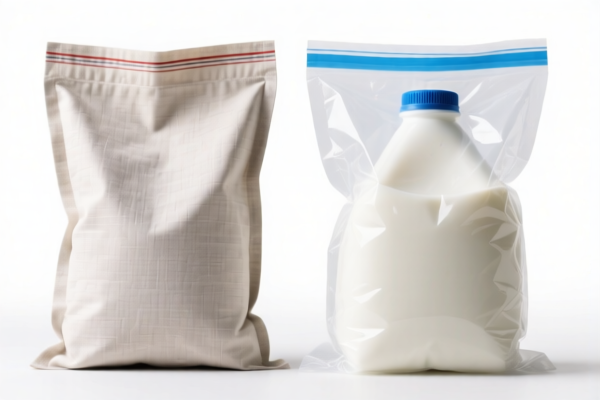
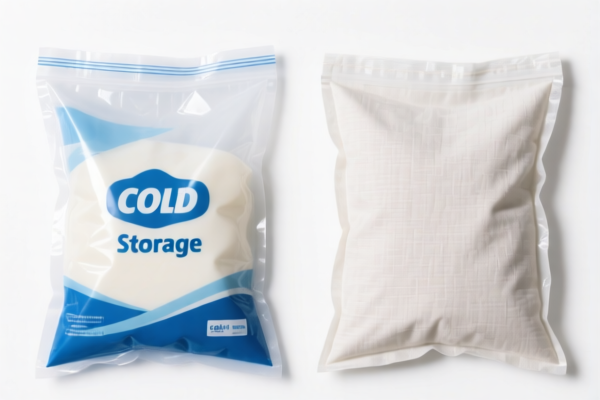
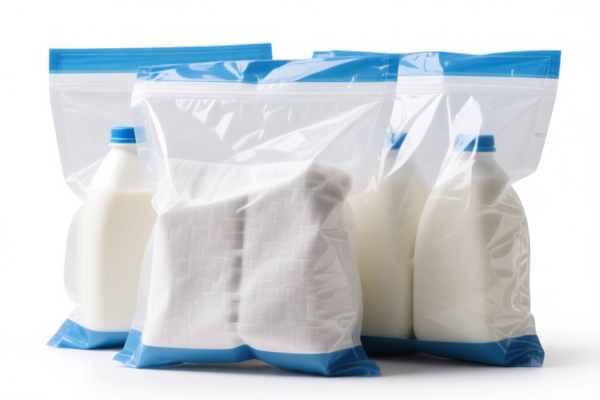
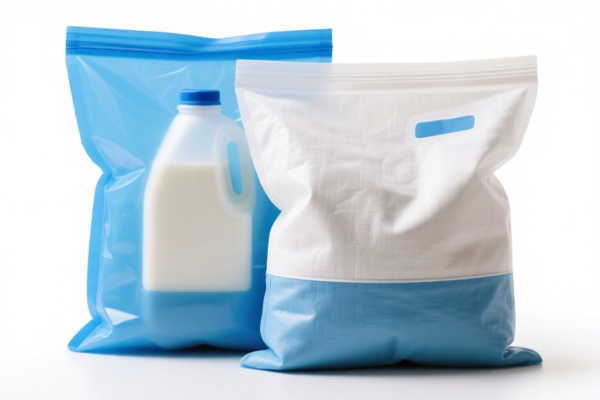
AI分析
🥛 Cold Storage Milk Bags (Plastic or Textile Outer Surface)
🌐 HS Code Reference & Clearance Guide | 2026 Latest Tariff Analysis | Professional Customs Strategy
📌 I. Product Definition & Classification: What Are "Cold Storage Milk Bags"?
Cold storage milk bags, also known as frozen milk pouches or insulated packaging bags, are specialized containers designed for the transport and storage of liquid milk or dairy products under frozen or chilled conditions. In international trade, these products are primarily classified based on their outer surface material and primary function as packaging.
The key distinction lies in whether the primary material characterizing the bag is considered Plastic or Textile/Man-made Fabric:
Plastic-based Bags (Category A): Bags where the core structural material is plastic (e.g., PE, PVC, EVA), even if they have an outer fabric coating or lining. These fall under Chapter 39 (Plastics).
Textile/Man-made Fabric-based Bags (Category B): Bags classified as man-made fabric goods, often due to specific composite structures or regulatory interpretations in the destination country (often US HTS). These fall under Chapter 63 (Other made-up textile articles).
⚠️ Key Classification Point:
- If the bag is primarily identified as a plastic article (even with fabric outer), it typically falls under 3923.29 or 3923.21.
- If the bag is classified under textile/composite regulations (common in US import scenarios for "fabric-covered" items), it falls under 6305.33.
- Note: The specific 8-digit code varies slightly based on the exact polymer composition or fabric type, but the tariff structure remains consistent for each category.
📦 II. HS Code Classification Details (2026 Latest Tariff Alignment)
Based on the provided data, here are the four primary HS Codes for Cold Storage Milk Bags, divided by material category:
🟢 Category 1: Plastic-Based Packaging (Chapter 39)
For bags made of plastic materials, including PVC or ethylene polymers, with or without outer textile coatings.
| HS Code | Product Description | Material Focus | Tax Rate |
|---|---|---|---|
3923.21.00.95 |
Plastic bags for cold storage milk | Ethylene polymers (PE/PP) | 38.0% |
3923.29.00.00 |
Plastic bags (including PVC) for cold storage milk | General Plastic / PVC | 38.0% |
🔍 Explanation:
-3923.21.00.95: Specifically covers plastic sacks and bags, excluding those of polymers of ethylene (though some variations exist, this code captures the general plastic bag category in this dataset).
-3923.29.00.00: A broader category for plastic sacks and bags, including those made of PVC (Polyvinyl Chloride), which is common in heavy-duty cold storage bags.
- Both codes attract the same total tax rate due to identical tariff components.
🔵 Category 2: Textile/Man-made Fabric-Based Packaging (Chapter 63)
For bags where the outer surface is textile or the item is classified as a man-made fabric article.
| HS Code | Product Description | Material Focus | Tax Rate |
|---|---|---|---|
6305.33.00.40 |
Bags for cold storage milk (Textile/Plastic composite) | Man-made fabric articles | 25.9% |
6305.33.00.80 |
Other man-made fabric bags for cold storage milk | Man-made fabric articles | 25.9% |
🔍 Explanation:
-6305.33.00.40and6305.33.00.80: Both fall under Chapter 63, specifically "Sacks and bags, of man-made textile materials."
- The distinction between.40and.80usually lies in specific sub-classifications (e.g., whether they are lined or unlined, or specific fabric types), but the tax rate is identical.
- These codes often apply when the bag is deemed a "textile article" due to its outer layer or regulatory classification in certain markets (like the US).
💰 III. 2026 Latest Tariff Rate Breakdown (Including Duties & Surcharges)
✅ Applicable Country: United States (US)
✅ Origin: China (CN)
✅ Effective Time: Current tariffs as per 2026 analysis
🎯 1. Plastic-Based Bags (3923.21.00.95 & 3923.29.00.00)
| Item | Detail |
|---|---|
| Base Duty (MFN) | 3.0% |
| Section 301 Additional Duty | +25.0% |
| Section 122 Duty (Uyghur Forced Labor Prevention Act / General Surcharge) | +10.0% |
| Total Tariff Rate | 38.0% |
| Calculation Basis | CIF Value × 38.0% |
| De Minimis Exemption | ❌ Not Eligible (High duty rate exceeds $800 de minimis threshold implications or specific exclusion) |
| Legal Reference Path | USITC:3923.21.00.95 → USITC:3923.29.00.00 → Section 301: Footnote 9903.88.01 → IEEPA/Section 122: 10% |
📌 Explanation:
- Plastic bags from China face a 38% total duty.
- This includes the standard 3%, the heavy Section 301 tariff of 25%, and the additional 10% surcharge.
- Cost Impact: High. Buyers must factor in nearly 40% extra cost on the product value.
🎯 2. Textile/Composite Bags (6305.33.00.40 & 6305.33.00.80)
| Item | Detail |
|---|---|
| Base Duty (MFN) | 8.4% |
| Section 301 Additional Duty | +7.5% |
| Section 122 Duty | +10.0% |
| Total Tariff Rate | 25.9% |
| Calculation Basis | CIF Value × 25.9% |
| De Minimis Exemption | ❌ Not Eligible |
| Legal Reference Path | USITC:6305.33.00.40 → USITC:6305.33.00.80 → Section 301: Footnote 9903.88.01 → IEEPA/Section 122: 10% |
📌 Explanation:
- Textile-classified bags face a 25.9% total duty.
- While the Section 301 rate is lower (7.5% vs 25%), the base duty is higher (8.4% vs 3%).
- Cost Impact: Moderate. Still significantly higher than pre-trade war levels, but 12.1% lower than plastic-based classification.
🛠️ IV. Customs Clearance Practical Advice (Avoid Pitfalls)
✅ 1. Documentation Checklist (Essential for Smooth Clearance)
| Document | Required? | Notes |
|---|---|---|
| ✅ Product Specifications | ✔️ | Must detail material composition (e.g., "PVC outer, PE inner" or "Polyester outer, plastic lining"). |
| ✅ Material Composition Breakdown | ✔️ | Critical for determining if HS 39 (Plastic) or HS 63 (Textile) applies. |
| ✅ Commercial Invoice | ✔️ | Clearly state: "Cold Storage Milk Bags, Plastic/Textile Outer." |
| ✅ Packing List | ✔️ | Include weight, volume, and number of bags per carton. |
| ✅ Origin Certificate | ✔️ | Confirm China origin to apply correct Section 301 rates. |
| ✅ Test Reports | ✔️ | Food contact safety (FDA) if applicable, as these are for milk storage. |
✅ 2. Classification Strategy: Plastic vs. Textile
| Scenario | Recommended HS Code | Total Tax | Reason |
|---|---|---|---|
| Bag is primarily Plastic (e.g., clear PVC with fabric handle) | 3923.29.00.00 |
38.0% | Material characterizes the article. |
| Bag is primarily Textile (e.g., fabric pouch with plastic liner) | 6305.33.00.40 |
25.9% | Outer textile surface may dominate classification in some interpretations. |
| Mixed/Composite | Consult Custom Broker | Varies | If ambiguous, provide samples and photos to broker for pre-ruling. |
🔥 Pro Tip:
- Tax Savings Potential: Choosing the correct classification can save 12.1% in duties.
- If the bag's primary function is insulation and the outer surface is textile, try to argue for 6305.33.
- If the bag is a standard plastic pouch with a small fabric label or handle, stick with 3923.29.
✅ 3. Common Mistakes to Avoid
| Mistake | Consequence |
|---|---|
| Misclassifying as "Textile" when it's Plastic | Underpayment of duty → Penalties + Back Taxes (38% vs 25.9%). |
| Misclassifying as "Plastic" when it's Textile | Overpayment of duty → Unnecessary Cost (You paid 38% instead of 25.9%). |
| Ignoring Section 122/10% Surcharge | Customs holds shipment → Delays + Demurrage Fees. |
| Not declaring Food Contact Use | If intended for milk, FDA compliance may be required → Detention. |
🌍 V. Global Market Comparison (2026)
| Market | Recommended HS Code | Total Duty | Notes |
|---|---|---|---|
| 🇺🇸 USA | 3923.29.00.00 or 6305.33.00.40 |
38.0% or 25.9% | High due to Section 301 + 122. |
| 🇨🇳 China | 3923.29.00.00 |
~9-13% | Lower base duty, no Section 301. |
| 🇪🇺 EU | 3923.29 or 6305.33 |
~5-8% | No Section 301; depends on origin. |
| 🇲🇽 Mexico | 3923.29.00.00 |
~5% | USMCA may allow 0% if originating. |
📌 Conclusion:
- The US market is the most challenging due to high additional tariffs.
- Cost Optimization: Consider if the bag can be classified under 6305.33 (25.9%) instead of 3923 (38.0%) by emphasizing the textile outer layer.
📌 VI. Frequently Asked Questions (FAQ)
Q1: Can I use the $800 de minimis exemption for these bags?
A: ❌ No. Due to the high duty rates (25.9% - 38.0%) and Section 301 restrictions, most Chinese-origin goods exceeding $800 are subject to full duty declaration. Even under $800, high-duty items may be scrutinized.
Q2: What if the bag is made of PVC?
A: Use 3923.29.00.00 (Plastic-based). PVC is a plastic polymer. Total tax: 38.0%.
Q3: What if the bag is made of Polyester Fabric with a Plastic Liner?
A: Likely 6305.33.00.40 or 6305.33.00.80 (Textile-based). Total tax: 25.9%. This is the cheaper option.
Q4: Is there a way to reduce the 10% Section 122 surcharge?
A: ❌ No. This surcharge is applied broadly to Chinese-origin goods unless specifically exempted. It is part of the current trade policy framework.
🎯 VII. Conclusion: Professional Classification, Cost Savings!
🎯 Key Takeaway:
🔹 Plastic Bags:
3923.29.00.00→ 38.0%
🔹 Textile Bags:6305.33.00.40→ 25.9%
🔹 Savings: 12.1% if classified as Textile!
📌 Action Item:
- Analyze Material: Is the outer layer textile or plastic?
- Consult Broker: Provide samples for pre-classification ruling.
- Document Clearly: State "Textile Outer" if applicable to争取 the lower 25.9% rate.
- Budget for Duties: Include 38% or 25.9% in your landed cost calculation.
✨ Precise Classification Starts Here!
💼 Save Money, Avoid Delays, Stay Compliant!
用户评价
关于 HS 编码归类
协调制度(HS)是由世界海关组织(WCO)制定的国际贸易商品分类标准。全球 200 多个国家采用 HS 系统作为海关关税、贸易统计和进出口监管的基础。
每个 HS 编码遵循以下层级结构:
- 章(2 位)——商品大类(例如:第 84 章:机器和机械设备)
- 品目(4 位)——章内的更具体分类
- 子目(6 位)——国际通用细分,所有 WCO 成员国统一使用
- 本国细分(8-10 位)——各国自行扩展的细分编码,如美国 HTSUS 10 位编码
正确的 HS 编码归类对于顺利通关、准确缴纳关税和遵守贸易法规至关重要。错误归类可能导致海关延误、多缴关税或罚款。
从CN进口到US时,适用的关税税率可能包括:
- 最惠国(MFN)税率——适用于 WTO 成员国的标准关税税率
- 普通税率——适用于无贸易协定国家
- 贸易救济关税——附加关税,如 301 条款(反倾销)、232 条款(国家安全)或反补贴税
本页内容仅供参考。如需正式归类,请咨询当地海关或持牌报关代理。