composite anti static non woven fabric
CN → US| HS编码 | 关税税率 | 原产国 | 目的国 | 文档 |
|---|---|---|---|---|
| 3921190090 | 41.5% | CN | US | 官方文档 |
| 3921905050 | 39.8% | CN | US | 官方文档 |
| 3926909989 | 22.8% | CN | US | 官方文档 |
| 5903102500 | 42.5% | CN | US | 官方文档 |
| 5903902500 | 42.5% | CN | US | 官方文档 |
商品图片
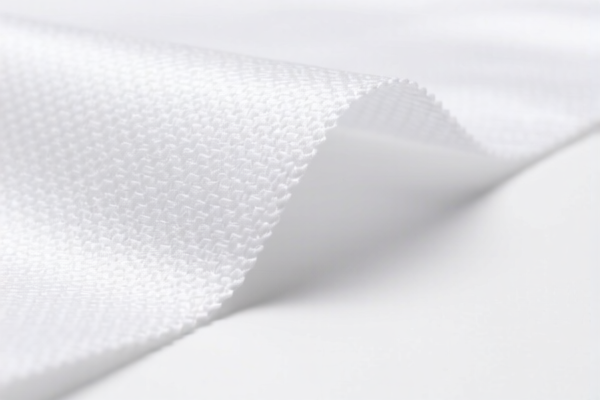
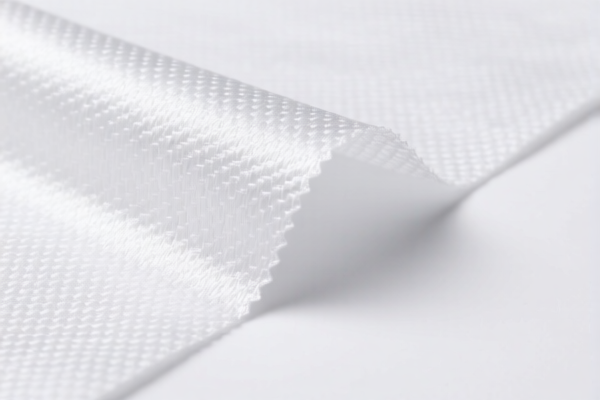
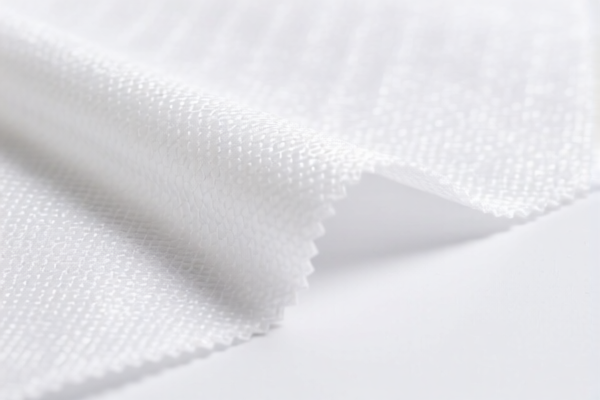
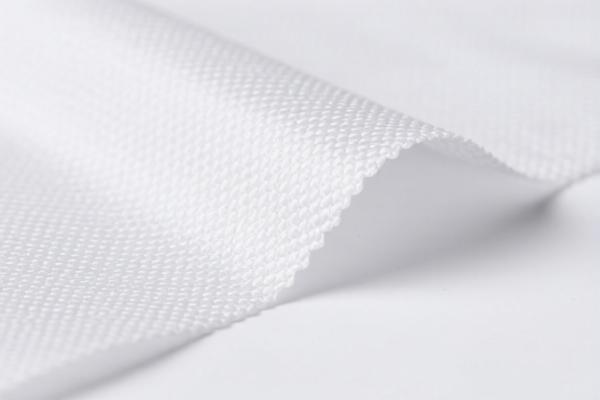
AI分析
🧵 Composite Anti-Static Non-Woven Fabric (聚合物混纺防静电材料)
🌐 HS Code Reference & Customs Clearance Guide | 2026 Latest Tariff Analysis | Strategic Compliance Strategy
📌 I. Product Definition: What is "Composite Anti-Static Non-Woven Fabric"?
Composite Anti-Static Non-Woven Fabric is a specialized industrial textile material designed to dissipate static electricity, preventing sparks and dust accumulation. In international trade, it is often classified under the Chinese description provided in the data: "Polymer blended anti-static material" (聚合物混纺防静电材料).
Depending on its material composition (plastic vs. man-made fiber), form (sheet vs. fabric), and end-use, this product can fall into different HS Code categories. Misclassification leads to massive tariff discrepancies.
⚠️ Key Distinction:
- If the material is primarily plastic/polymer in a sheet/material form → Falls under Chapter 39 (Plastics).
- If the material is PVC/Plastic in a textile fabric form → Falls under Chapter 59 (Textile Impregnated with Plastic).
- If the material is Man-made Fiber with anti-static function → Falls under Chapter 59 or 54/55 depending on specific structure.
📦 II. HS Code Classification Details (Based on Provided Data)
| HS Code | Product Description (Chinese/English) | Key Characteristics | Primary Material | Form |
|---|---|---|---|---|
| 3921.19.00.90 | Polymer Blended Anti-Static Material | Other plastic materials | Plastic | Material/Sheet |
| 3921.90.50.50 | Polymer Blended Anti-Static Material | Other category (Misc.) | Plastic | Material/Sheet |
| 3926.90.99.89 | Polymer Blended Anti-Static Material | Unlisted other articles | Plastic/Polymer | Unlisted Article |
| 5903.10.25.00 | Polymer Blended Anti-Static Material | Textile Fabric | PVC/Plastic | Textile Fabric |
| 5903.90.25.00 | Polymer Blended Anti-Static Material | Textile Fabric (Anti-static use) | Man-made Fiber | Textile Fabric |
🔍 Critical Analysis:
- Chapter 39 (Plastics): Codes3921and3926apply if the product is considered a plastic article or sheet, even if it has fabric-like properties. The term "Non-woven" often triggers Chapter 39 if it's a plastic felt or sheet. - Chapter 59 (Impregnated/Coated Textiles): Codes5903apply if the base is textile (fabric/non-woven) and it is impregnated/coated with plastic (like PVC) for anti-static or protective purposes.
💰 III. 2026 Latest Tariff Rate Breakdown (Including Surtaxes & Policy Add-ons)
✅ Applicable Country: United States (US)
✅ Origin: China (CN)
✅ Effective Date: 2025/2026 (Current Trade War Context)
✅ Note: All rates below include Base Tariff + Section 301 (25%) + Section 122 (10%) where applicable.
🎯 1. 3921.19.00.90 — Plastic Sheets/Materials (Anti-Static)
| Item | Content |
|---|---|
| Base Tariff | 6.5% |
| Section 301 Surtax | +25.0% |
| Section 122 Tariff | +10.0% |
| Total Tariff Rate | 41.5% |
| Tax Calculation | CIF Value × 41.5% |
| De Minimis Exemption | ❌ Not Eligible (High tariff rates exceed threshold) |
| Legal Basis | HTSUS:3921.19 → Section 301: Footnote 9903.88.01 → Section 122 |
📌 Explanation:
This code applies to plastic anti-static sheets/materials not specified elsewhere. The 41.5% total rate is significant. The "Section 122" tariff is a specific additional duty often applied to certain plastic goods from China under recent trade enforcement actions.
🎯 2. 3921.90.50.50 — Other Plastic Materials (Anti-Static)
| Item | Content |
|---|---|
| Base Tariff | 4.8% |
| Section 301 Surtax | +25.0% |
| Section 122 Tariff | +10.0% |
| Total Tariff Rate | 39.8% |
| Tax Calculation | CIF Value × 39.8% |
| De Minimis Exemption | ❌ Not Eligible |
| Legal Basis | HTSUS:3921.90 → Section 301 → Section 122 |
📌 Explanation:
Slightly lower base rate than3921.19, but the 301+122 surtaxes remain the same. Total 39.8% is still high. This is often a "catch-all" for plastic materials that don't fit specific sub-categories.
🎯 3. 3926.90.99.89 — Other Plastic Articles (Anti-Static)
| Item | Content |
|---|---|
| Base Tariff | 5.3% |
| Section 301 Surtax | +7.5% (Note: Data shows 7.5% surtax, possibly under specific exemption or different category) |
| Section 122 Tariff | +10.0% |
| Total Tariff Rate | 22.8% |
| Tax Calculation | CIF Value × 22.8% |
| De Minimis Exemption | ❌ Not Eligible |
| Legal Basis | HTSUS:3926.90 → Section 301 → Section 122 |
📌 CRITICAL INSIGHT:
This is the MOST COST-EFFECTIVE option if your product can be classified here.
- Why? The Section 301 surtax is only 7.5% (likely due to being classified as an "Other plastic article" rather than "Sheet/Material"), while Section 122 remains 10%.
- Total: 22.8% vs. 40%+ for other codes.
- Condition: The product must be considered an "unlisted other article" rather than a raw material or fabric.
🎯 4. 5903.10.25.00 — PVC Textile Fabric (Anti-Static)
| Item | Content |
|---|---|
| Base Tariff | 7.5% |
| Section 301 Surtax | +25.0% |
| Section 122 Tariff | +10.0% |
| Total Tariff Rate | 42.5% |
| Tax Calculation | CIF Value × 42.5% |
| De Minimis Exemption | ❌ Not Eligible |
| Legal Basis | HTSUS:5903.10 → Section 301 → Section 122 |
📌 Explanation:
If your non-woven fabric is PVC-coated/impregnated and classified as a "textile fabric," it falls here. Despite being "fabric," the plastic content triggers high tariffs. 42.5% is the highest base rate among plastic-related codes.
🎯 5. 5903.90.25.00 — Other Textile Fabric with Plastic (Anti-Static)
| Item | Content |
|---|---|
| Base Tariff | 7.5% |
| Section 301 Surtax | +25.0% |
| Section 122 Tariff | +10.0% |
| Total Tariff Rate | 42.5% |
| Tax Calculation | CIF Value × 42.5% |
| De Minimis Exemption | ❌ Not Eligible |
| Legal Basis | HTSUS:5903.90 → Section 301 → Section 122 |
📌 Explanation:
If the material is man-made fiber (not PVC) but treated/coated for anti-static purposes and classified under Chapter 59, it incurs the same 42.5% rate. The high base tariff (7.5%) plus full surtaxes makes this expensive.
🛠️ IV. Customs Clearance Practical Advice (Avoiding Pitfalls)
✅ 1. Documentation Checklist (Non-negotiable)
| Document | Must Provide | Purpose |
|---|---|---|
| ✅ Product Spec Sheet | ✔️ | Detail: Material composition (% Plastic vs. Fiber), Anti-static mechanism (surface treatment vs. additive), Form (sheet/fabric). |
| ✅ Material Safety Data Sheet (MSDS) | ✔️ | For chemical treatment verification (anti-static agents). |
| ✅ Product Photos (Clear) | ✔️ | Show texture, thickness, edge finish, and any labels indicating "Anti-Static" or "ESD." |
| ✅ Commercial Invoice | ✔️ | Must clearly state "Composite Anti-Static Non-Woven Fabric" and HS Code. |
| ✅ Origin Certificate (CO) | ✔️ | Essential for verifying China origin to apply correct surtaxes. |
| ✅ Packaging List | ✔️ | Describe units (rolls, sheets) and weight accurately. |
✅ 2. Classification Strategy (Key to Saving Money)
🔥 Strategy: "Fight for Chapter 39, Sub-code 3926"
Aim for3926.90.99.89(22.8% total tariff) instead of Chapter 59 (42.5%) or other Chapter 39 codes (39.8–41.5%).
| Scenario | Recommended HS Code | Total Tax | Why? |
|---|---|---|---|
| Plastic Sheet/Felt, not textile | 3926.90.99.89 |
22.8% | Lowest tariff. Argue it's a "plastic article," not a textile. |
| Pure Plastic Material | 3921.90.50.50 |
39.8% | If it doesn't fit "article" definition, use this. |
| PVC-Coated Fabric | 5903.10.25.00 |
42.5% | High tax. Only if PVC layer is dominant and it's clearly textile. |
| Man-Made Fiber Fabric | 5903.90.25.00 |
42.5% | High tax. Avoid if possible; re-classify as plastic sheet. |
📌 Warning:
- Do NOT declare as "Textile Fabric" (5903) if the product is primarily plastic-based. Customs will re-classify and charge back-taxes + penalties.
- Do NOT use "General Plastic" codes if it has textile characteristics. Misclassification risks seizure.
✅ 3. Special Cases & Mitigation
| Situation | Action Plan |
|---|---|
| Product is ESD (Electrostatic Discharge) Safe | Highlight "Anti-Static" in description to qualify for specific industrial use exemptions if available (rare for China origin). |
| Mixed Material (Plastic + Fiber) | Argue for Chapter 39 if plastic is the essential character. Use the "3926" code for lower tariff. |
| Small Sample Shipments | Even de minimis ($800) shipments are subject to full tariffs if HS Code is high. Do not assume free entry. |
| Re-export from Third Country | If re-shipped from Vietnam/Malaysia, ensure no substantial transformation occurred. Otherwise, US origin rules may still apply or require complex tracing. |
🌍 V. Global Market Comparison (2026 Context)
| Market | Recommended HS Code | Est. Total Tariff (China Origin) | Notes |
|---|---|---|---|
| 🇺🇸 USA | 3926.90.99.89 |
22.8% | Best option. High tariffs elsewhere (39–42.5%). |
| 🇪🇺 EU | 3921 or 5903 |
6.5% – 12% | Lower base tariffs. No Section 301. CBAM may apply if plastic content is high. |
| 🇨🇳 China (Export) | N/A | 0% | Export duty is 0% for most plastics/textiles. |
| 🇲🇽 Mexico | Varies | 5% – 15% | Check USMCA eligibility if re-exported. |
📌 Conclusion:
- The US market is the most expensive due to 301 and 122 tariffs.
- Classification as3926.90.99.89saves ~17-20% compared to textile-based classifications.
- Always prioritize product description that emphasizes "plastic article" over "textile fabric" if technically defensible.
📌 VI. Common Mistakes & Pitfalls (Learn from Others)
❌ Mistake 1: Declaring as "Non-Woven Fabric" (Chapter 56/59) when it’s actually a plastic sheet.
👉 Result: Customs re-classifies to 5903 or 3921 + penalties. Tariff jumps from 22.8% to 42.5%.
❌ Mistake 2: Ignoring Section 122 Tariff.
👉 Result: Under-declaration. The 10% Surtax is not optional for China-origin plastics. Audit risk is high.
❌ Mistake 3: Using generic "Plastic Material" description.
👉 Result: Customs officer may choose the highest applicable code. Be specific: "Composite Anti-Static Plastic Sheet, 0.5mm, PVC-based."
❌ Mistake 4: Assuming De Minimis ($800) applies.
👉 Result: Even small shipments are subject to full tariffs if the HS Code is flagged. Pre-pay duties to avoid delays.
✅ Best Practice:
“Composite Anti-Static Plastic Sheet, PVC-based, Non-woven structure, Industrial Use, Model XYZ, Anti-Static Level 10^6-10^9 Ohms”
🎯 VII. Conclusion: Smart Classification, Lower Costs!
🎯 Key Takeaway:
🔹 Aim for
3926.90.99.89(22.8%) – It’s the sweet spot for plastic-based anti-static materials.
🔹 Avoid5903codes (42.5%) – Unless it’s genuinely textile-based with minimal plastic.
🔹 Always include Section 122 (10%) in your cost calculations.
📌 Pro Tip:
If your product can be justified as an "Other Plastic Article" (
3926) rather than a "Sheet" (3921) or "Fabric" (5903), you save ~20% in tariffs.
Consult a customs broker for a Pre-Ruling before shipping large volumes.
📣 Immediate Action:
📞 Contact a licensed customs broker with your product specs.
📄 Request an Advance Ruling from US CBP for HS Code3926.90.99.89.
🚀 Optimize your supply chain to mitigate the 22.8%–42.5% tariff burden.
✨ Precision in Classification, Profit in Clearance!
💼 Every percentage point saved is pure profit!
用户评价
关于 HS 编码归类
协调制度(HS)是由世界海关组织(WCO)制定的国际贸易商品分类标准。全球 200 多个国家采用 HS 系统作为海关关税、贸易统计和进出口监管的基础。
每个 HS 编码遵循以下层级结构:
- 章(2 位)——商品大类(例如:第 84 章:机器和机械设备)
- 品目(4 位)——章内的更具体分类
- 子目(6 位)——国际通用细分,所有 WCO 成员国统一使用
- 本国细分(8-10 位)——各国自行扩展的细分编码,如美国 HTSUS 10 位编码
正确的 HS 编码归类对于顺利通关、准确缴纳关税和遵守贸易法规至关重要。错误归类可能导致海关延误、多缴关税或罚款。
从CN进口到US时,适用的关税税率可能包括:
- 最惠国(MFN)税率——适用于 WTO 成员国的标准关税税率
- 普通税率——适用于无贸易协定国家
- 贸易救济关税——附加关税,如 301 条款(反倾销)、232 条款(国家安全)或反补贴税
本页内容仅供参考。如需正式归类,请咨询当地海关或持牌报关代理。