computer bag
CN → US| HS编码 | 关税税率 | 原产国 | 目的国 | 文档 |
|---|---|---|---|---|
| 3926909989 | 22.8% | CN | US | 官方文档 |
| 4202923120 | 52.6% | CN | US | 官方文档 |
| 4202128920 | 52.6% | CN | US | 官方文档 |
商品图片
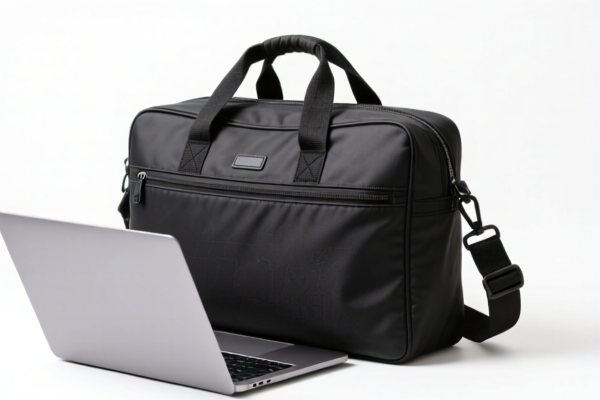
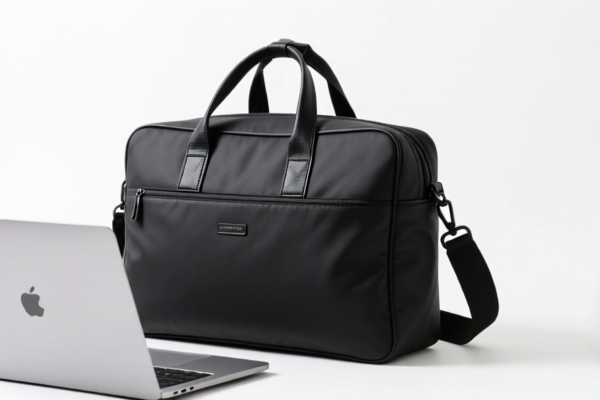
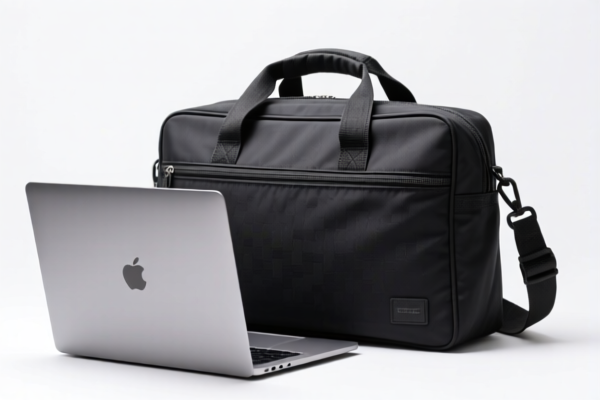
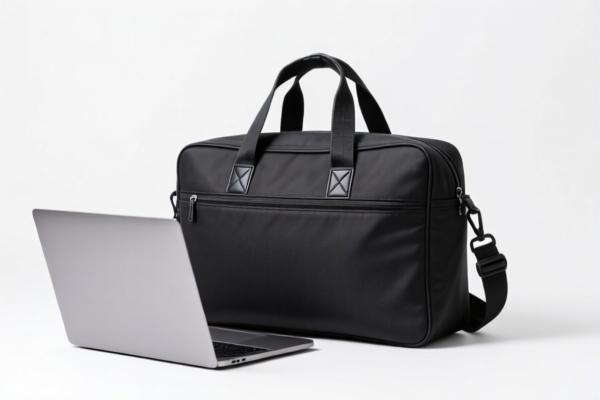
AI分析
🖥️ Computer Bag (Carrying Cases for Computers and Related Equipment)
🌐 HS Code Reference & Customs Clearance Guide | 2026 Latest Tariff Analysis | Pro-Level Import Strategy
📌 One, Product Definition & Classification: Do You Really Know What a "Computer Bag" Is?
A computer bag is a protective, portable carrying case designed specifically for laptops, tablets, accessories, and related electronic gear. In international trade, it's categorized under travel, sports, and similar bags based on function, material, and design.
⚠️ Key Differentiation Points:
- If made from textile materials (e.g., nylon, polyester, canvas) → likely HS 4202.92.31.20 or 4202.12.89.20
- If made from plastic or synthetic materials (e.g., PVC, polyethylene, TPU) → likely HS 3926.90.99.89
- If it has hard-shell structure, shock absorption, or integrated power bank → may still fall under these codes depending on material and primary function✅ Critical Rule:
- Material determines the HS code, not the use. A "laptop bag" made of plastic is not a textile bag — even if it holds a computer.
- No "computer bag" category exists in the HS system — it’s classified by material and structure, not content.
📦 Two, HS Code Classification Details (2026 Official Tariff Reference)
| HS Code | Product Description | Material Type | Typical Use Case | Key Feature |
|---|---|---|---|---|
3926.90.99.89 |
Other articles of plastic, not elsewhere specified — including bags and cases | Plastic, synthetic, or polymer-based | Lightweight, waterproof, rugged use (e.g., outdoor, industrial) | Not textile; may include hard-shell or molded design |
4202.92.31.20 |
Travel, sports, or similar bags — made of textile materials or plastic film | Textile (e.g., nylon, polyester) or plastic film | Laptop backpacks, briefcases, messenger bags, school bags | Most common for office, student, or travel use |
4202.12.89.20 |
Other bags with outer surface of textile materials | Textile outer layer (e.g., cotton, canvas, polyester fabric) | Professional briefcases, laptop totes, designer bags | Outer surface is textile — even if lining is plastic |
🔍 Critical Insight:
-4202.92.31.20and4202.12.89.20are both textile-based — the difference lies in structure and outer surface material.
-3926.90.99.89is for non-textile, plastic-based bags — even if used for computers.
- Do NOT assume that a "laptop bag" is always textile. Material is king.
💰 Three, 2026 Latest Tariff Breakdown (With Detailed Duty Clauses)
✅ Applicable Country: United States (US)
✅ Origin: China (CN)
✅ Effective Date: November 10, 2025 (and ongoing)
🎯 1. 3926.90.99.89 — Plastic-Based Bags (General Case)
| Item | Detail |
|---|---|
| Base Duty Rate | 5.3% (ad valorem) |
| Additional Tariff (Section 301) | +7.5% (from USITC Section 301 List 3) |
| Section 122 Tariff (IEEPA) | +10% (under International Emergency Economic Powers Act) |
| Total Effective Duty | 22.8% |
| Tax Calculation | CIF Value × 22.8% |
| De Minimis Threshold | ❌ Not eligible (denied due to 301/IEEPA status) |
| Legal Basis Path | IEEPA:9903.01.25 → Section 301:3926.90.99.89 → FOOTNOTE:9903.88.01 |
📌 Explanation:
- 5.3% = Standard base tariff for plastic articles not elsewhere specified
- +7.5% = U.S. Section 301 (China-specific) tariff on goods from China under List 3 (2019)
- +10% = IEEPA tariff — imposed under national emergency powers due to geopolitical concerns
- Total: 22.8% — low compared to textile bags, but still significant
🎯 2. 4202.92.31.20 — Travel/Sports Bags (Textile or Plastic Film)
| Item | Detail |
|---|---|
| Base Duty Rate | 17.6% |
| Additional Tariff (Section 301) | +25.0% |
| Section 122 Tariff (IEEPA) | +10% |
| Total Effective Duty | 52.6% |
| Tax Calculation | CIF Value × 52.6% |
| De Minimis Threshold | ❌ Not eligible |
| Legal Basis Path | IEEPA:9903.01.25 → Section 301:4202.92.31.20 → FOOTNOTE:9903.88.01 |
📌 Explanation:
- 17.6% = Base rate for textile or plastic film bags under HS 4202.92.31
- +25.0% = Highest Section 301 tariff rate — applied to textile-based bags from China
- +10% = IEEPA emergency tariff — applies to all China-origin goods under IEEPA
- Total: 52.6% — Extremely high — one of the highest tariffs in the entire tariff schedule
🎯 3. 4202.12.89.20 — Bags with Outer Surface of Textile Material
| Item | Detail |
|---|---|
| Base Duty Rate | 17.6% |
| Additional Tariff (Section 301) | +25.0% |
| Section 122 Tariff (IEEPA) | +10% |
| Total Effective Duty | 52.6% |
| Tax Calculation | CIF Value × 52.6% |
| De Minimis Threshold | ❌ Not eligible |
| Legal Basis Path | IEEPA:9903.01.25 → Section 301:4202.12.89.20 → FOOTNOTE:9903.88.01 |
📌 Explanation:
- Same as above — 52.6% — because it's textile-based and originates from China
- Even if the bag has a plastic lining or foam padding, as long as the outer surface is textile, it falls under this code
- No exceptions — material of outer surface is decisive
🛠️ Four, Customs Clearance Best Practices (Real-World Pro Tips)
✅ 1. Required Documentation (Must-Have Checklist)
| Document | Required? | Why It Matters |
|---|---|---|
| ✅ Product Specification Sheet | ✔️ | Shows material, dimensions, weight, design |
| ✅ Material Certificate (Textile/Plastic) | ✔️ | Proves outer surface material (critical for HS code) |
| ✅ High-Res Product Photos (with label) | ✔️ | Shows stitching, material texture, brand, model |
| ✅ Commercial Invoice | ✔️ | Must state: "Laptop Bag, Textile Outer, for Travel Use" |
| ✅ Certificate of Origin (CO) | ✔️ | If from Vietnam, Mexico, or Thailand → may qualify for lower tariffs |
| ✅ Packing List | ✔️ | Shows bag + accessories (e.g., shoulder strap, pockets) |
| ✅ Third-Party Test Report (if applicable) | ✔️ | For fire resistance, durability, or safety (e.g., UL, CE) |
✅ 2.申报技巧 (申报口诀)
🔥 "Material First, Use Second, Outer Surface Rules All!"
| Scenario | Correct HS Code | Wrong Approach |
|---|---|---|
| Plastic bag with laptop compartment | 3926.90.99.89 |
❌ Misclassified as textile → 52.6% |
| Nylon backpack with plastic lining | 4202.92.31.20 |
❌ Claimed as plastic → 22.8% |
| Canvas tote with polyester outer | 4202.12.89.20 |
❌ Called "plastic bag" → 22.8% |
| Bag with plastic film outer | 4202.92.31.20 |
✅ Correct — even if film, it's in the code |
| Bag with textile outer | 4202.12.89.20 |
✅ Correct — outer material defines code |
📌 Pro Tip:
- Never say "laptop bag" in the invoice — say "Travel Bag, Textile Outer, for Electronics"
- Use "outer surface of textile material" in description — this triggers the correct code
✅ 3. Special Cases & Solutions
| Situation | Recommended Action |
|---|---|
| Bag made in Vietnam/Mexico | Apply for Certificate of Origin — may qualify for 0% IEEPA and lower Section 301 rate |
| Bag with integrated power bank | Still classified by material — if textile → 4202.12.89.20 or 4202.92.31.20 |
| Bag used in military/medical | Apply for special use exemption — requires documentation |
| Bulk shipment of 1000+ units | Request Advance Ruling (Pre-Review) — avoid disputes |
🌍 Five, Global Market Comparison (2026)
| Country | Recommended HS Code | Base Duty | Additional Taxes | Certification Required | Notes |
|---|---|---|---|---|---|
| 🇺🇸 USA | 4202.92.31.20 / 4202.12.89.20 |
17.6% | +25% (301) +10% (IEEPA) = 52.6% | FCC, RoHS | Highest tariff — avoid China origin |
| 🇨🇳 China | 4202.92.31.20 |
5% | None | CCC | Low cost, but no export advantage |
| 🇪🇺 EU | 4202.92.31.20 |
0% | None | CE, REACH | No extra tariffs |
| 🇦🇺 Australia | 4202.92.31.20 |
5% | None | RCM | No 301/IEEPA |
| 🇯🇵 Japan | 4202.92.31.20 |
0% | None | PSE | No extra duties |
📌 Key Takeaway:
- Only the U.S. imposes 52.6% on textile computer bags from China
- All other major markets have 0–5% — shift production to Vietnam/Mexico to save costs
📌 Six, Common Mistakes & How to Avoid Them (Avoid Costly Penalties!)
❌ Mistake 1: Classifying a plastic computer bag as a textile bag
👉 Result: Pay 52.6% instead of 22.8% → 30% extra cost
❌ Mistake 2: Saying “laptop bag” in the invoice without specifying material
👉 Result: Customs may assume textile → 52.6% even if plastic
❌ Mistake 3: Not providing photos or material proof
👉 Result: Customs delays, requests reclassification, or rejects shipment
❌ Mistake 4: Using a Chinese origin for a textile bag → 52.6%
👉 Result: High risk of audit, penalties, or seizure
✅ Correct Approach:
“Travel Bag, Outer Surface: Polyester Fabric, Inner Lining: Plastic Film, Designed for Laptop & Accessories, Model XYZ, CE & RoHS Certified”
🎯 Seven, Conclusion: Accurate Classification = Cost Control
🎯 Remember the Golden Rule:
🔹 "Material Rules, Outer Surface Decides, Textile = 52.6%, Plastic = 22.8%"
🔹 "If it’s textile, it’s high tariff — even if it’s just a laptop bag!"
📌 Pro Tip:
✅ Move production to Vietnam, Mexico, or Thailand — if you want to avoid 301/IEEPA tariffs
✅ Apply for Advance Ruling (Pre-Review) — get official confirmation before shipping
✅ Use a customs broker with U.S. Section 301 expertise — avoid surprises
📣 Act Now!
📞 Contact a U.S.-licensed customs broker + Submit product photos + Request HS Code Pre-Approval
🚀 Reduce your import cost by 30%+ — and avoid customs delays, fines, or rejections
✨ Smart Exporting Starts with Smart Classification!
💼 Your next shipment could save thousands — if you get the HS code right.
用户评价
关于 HS 编码归类
协调制度(HS)是由世界海关组织(WCO)制定的国际贸易商品分类标准。全球 200 多个国家采用 HS 系统作为海关关税、贸易统计和进出口监管的基础。
每个 HS 编码遵循以下层级结构:
- 章(2 位)——商品大类(例如:第 84 章:机器和机械设备)
- 品目(4 位)——章内的更具体分类
- 子目(6 位)——国际通用细分,所有 WCO 成员国统一使用
- 本国细分(8-10 位)——各国自行扩展的细分编码,如美国 HTSUS 10 位编码
正确的 HS 编码归类对于顺利通关、准确缴纳关税和遵守贸易法规至关重要。错误归类可能导致海关延误、多缴关税或罚款。
从CN进口到US时,适用的关税税率可能包括:
- 最惠国(MFN)税率——适用于 WTO 成员国的标准关税税率
- 普通税率——适用于无贸易协定国家
- 贸易救济关税——附加关税,如 301 条款(反倾销)、232 条款(国家安全)或反补贴税
本页内容仅供参考。如需正式归类,请咨询当地海关或持牌报关代理。