construction牛皮
CN → US| HS编码 | 关税税率 | 原产国 | 目的国 | 文档 |
|---|---|---|---|---|
| 4107117030 | 15.0% | CN | US | 官方文档 |
| 4805934020 | 35.0% | CN | US | 官方文档 |
| 4107127030 | 15.0% | CN | US | 官方文档 |
| 4805924020 | 35.0% | CN | US | 官方文档 |
商品图片
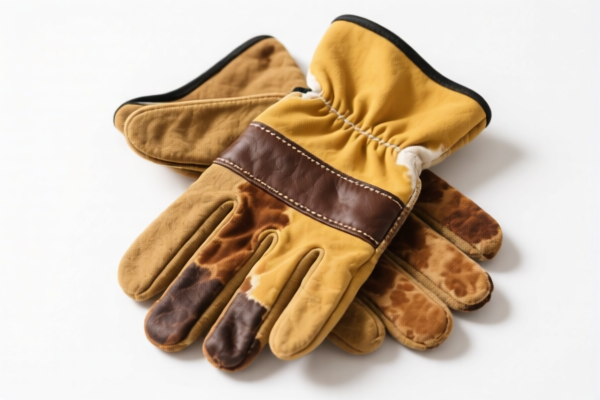
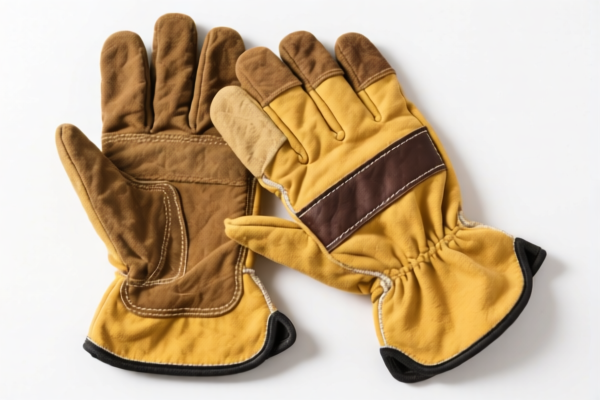
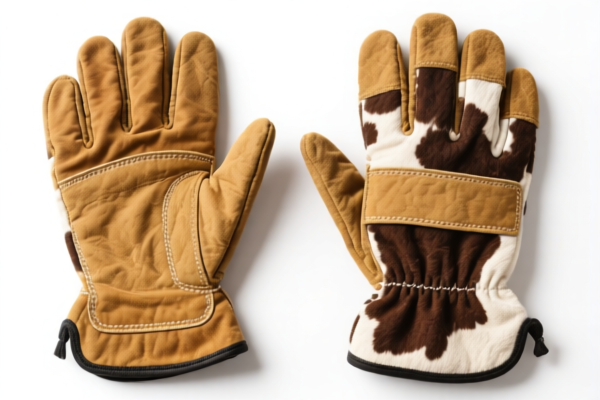
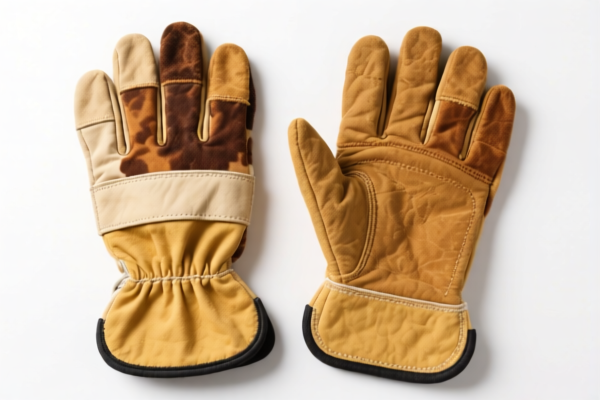
AI分析
📜 Construction Paper & Leather Hides (Construction/Industrial Grade)
🌐 HS Code Reference & Customs Clearance Guide | 2026 Latest Tariff Analysis | Professional Compliance Strategy
📌 I. Product Definition & Classification: What Are "Construction" Materials?
In international trade, the term "Construction" in HS Codes typically refers to items used for structural, drafting, or industrial applications, rather than artistic or decorative purposes. The provided data covers two distinct categories:
- Construction Paper (HS 4805.92/93): Uncoated paperboard used for drafting, engineering blueprints, or industrial packaging. It is defined by its weight (basis weight).
- Construction Leather (HS 4107.11/12): Tanned leather of bovine/equine origin (full grain or splits) prepared for industrial use (e.g., machinery belts, heavy-duty goods), explicitly excluding "fancy belting" (luxury fashion belts).
⚠️ Key Distinction:
- Paper: Classified by Weight per square meter (g/m²).
- < 225 g/m²: HS 4805.92.40.20
- ≥ 225 g/m²: HS 4805.93.40.20
- Leather: Classified by Hide Type & Processing.
- Full Grain (Unsplit): HS 4107.11.70.30
- Grain Splits: HS 4107.12.70.30
📦 II. HS Code Classification Matrix (2026 Latest Tariff Authority)
| HS Code | Product Description | Weight / Type | Specific Usage Note |
|---|---|---|---|
4805.92.40.20 |
Uncoated Paper/Paperboard | > 150 g/m² but < 225 g/m² | "Construction Paper" – Drafting paper, engineering stock. |
4805.93.40.20 |
Uncoated Paper/Paperboard | ≥ 225 g/m² | "Construction Paper" – Heavy-duty paperboard, industrial cardstock. |
4107.11.70.30 |
Tanned Bovine/Equine Leather | Full Grain, Unsplit | "Not Fancy Belting" – Industrial hides, heavy leather goods. |
4107.12.70.30 |
Tanned Bovine/Equine Leather | Grain Splits | "Not Fancy Belting" – Split leather for upholstery, industrial applications. |
🔍 Critical Checkpoints:
- Paper Weight is King: For paper, the exact gram weight (g/m²) determines the HS Code. Misdeclaring weight leads to misclassification.
- Leather "Split" Status: For leather, you must confirm if the hide is whole/unsplit (Full Grain) or split (Grain Splits). This is physically determined during tanning.
- "Not Fancy Belting": Both leather codes explicitly exclude luxury fashion belts. If the leather is intended for high-end fashion belts, these codes may be incorrect (likely Heading 4114 or different subheadings).
💰 III. 2026 Tariff Rate Detail Breakdown (US/CN Context)
✅ Applicable Country: United States (US) Importing from China (CN)
✅ Effective Time: Current trade policy framework
✅ Base Tariff: 0.0% for all listed items
✅ Section 301 / Retaliatory Tariff: 25.0% for all listed items
🎯 1. Construction Paper (HS 4805.92.40.20 & 4805.93.40.20)
| Item | Content |
|---|---|
| Base Tariff Rate | 0.0% (Ad Valorem) |
| Additional Tariff (Section 301) | +25.0% |
| Total Tax Rate | 25.0% |
| Tax Calculation | CIF Value × 25% |
| De Minimis Exemption | ❌ Not Eligible (Generally, Section 301 goods are excluded from de minimis benefits if declared under these codes) |
| Legal Basis | USITC:4805.92/93 → Footnote 9903.08 (Section 301 List 4B) |
📌 Explanation:
- Although the base MFN (Most Favored Nation) rate is 0%, the 25% Section 301 tariff applies to Chinese-origin paperboard/paper not further worked than specified.
- This is a high-cost category for importers. No base tariff relief is available.
🎯 2. Construction Leather (HS 4107.11.70.30 & 4107.12.70.30)
| Item | Content |
|---|---|
| Base Tariff Rate | 0.0% (Ad Valorem) |
| Additional Tariff (Section 301) | 0.0% |
| Total Tax Rate | 0.0% |
| Tax Calculation | CIF Value × 0% = $0 |
| De Minimis Exemption | ✅ Eligible (Likely, as total tax is 0, but verify current $800 threshold rules) |
| Legal Basis | USITC:4107.11/12 → Exempt from Section 301 List |
📌 Explanation:
- These specific leather classifications ("Not Fancy Belting") are exempt from the 25% Section 301 surcharge.
- Total Effective Rate: 0%.
- This represents a significant cost advantage over paper or other leather types subject to trade wars.
🛠️ IV. Customs Clearance Operational Advice (Practical Pitfall Guide)
✅ 1. Documentation Checklist (Must-Haves)
| Document | Required | Purpose |
|---|---|---|
| ✅ Commercial Invoice | ✔️ | Must clearly state "Construction Paper" or "Industrial Leather, Not Fancy Belting". |
| ✅ Packing List | ✔️ | Specify weight per sheet/roll for paper; count of hides/splits for leather. |
| ✅ Product Specifications (Paper) | ✔️ | Critical: Must explicitly state Gram Weight (g/m²) to justify HS 4805.92 vs 93. |
| ✅ Product Specifications (Leather) | ✔️ | Must confirm Tanning Process (Vegetable/Chrome) and Grain Status (Full vs Split). |
| ✅ Certificate of Origin | ✔️ | Proves Chinese origin for Section 301 applicability. |
✅ 2. Declaration Tips (Key Mantras)
🔥 "Weight Defines Paper, Split Defines Leather, 'Not Fancy' Saves Money!"
| Scenario | Correct Declaration | Wrong Practice | Consequence |
|---|---|---|---|
| Paper: 180 g/m² | 4805.92.40.20 |
Declaring as 4805.93 (≥225g) |
Overpayment of duty? (Same rate here, but risk of audit) |
| Paper: 250 g/m² | 4805.93.40.20 |
Declaring as 4805.92 (<225g) |
Misclassification Risk. Even if rate is same, documentation must match physical specs. |
| Leather: Fashion Belt Material | Do NOT use 4107.11/12 | Using "Not Fancy" code | Severe Penalty. If used for belts, it may be subject to different duties or restrictions. |
| Leather: Industrial Sole/Machine Belt | 4107.11.70.30 / 4107.12.70.30 |
Declaring as generic leather | Missed Savings. Correct declaration yields 0% tax. |
✅ 3. Special Case Handling
| Situation | Handling Advice |
|---|---|
| Paper with Mixed Weights | Separate shipments by g/m² if possible. If mixed, declare the highest weight to be safe, or provide detailed breakdown to avoid rejection. |
| Leather with "Fancy" Features | If the leather has special embossing or is finished for high-end fashion, consult a customs broker. The "Not Fancy Belting" clause is narrow. |
| Section 301 Exclusion Requests | For leather, no exclusion needed (0%). For paper, no exclusion available. Plan pricing accordingly. |
🌍 V. Global Market Comparison (2026)
| Country/Region | Recommended HS Code | Total Duty Rate | Notes |
|---|---|---|---|
| 🇺🇸 USA | 4805.92/93 |
25% | Heavy Section 301 impact on paper. |
| 🇺🇸 USA | 4107.11/12 |
0% | 0% Duty. Highly competitive. |
| 🇨🇳 China | 4805.92/93 |
~0-6% | Import duty depends on exact subheading; VAT applies. |
| 🇨🇳 China | 4107.11/12 |
~6-10% | Import duty + VAT. |
| 🇪🇺 EU | 4805.92/93 |
~0-6% | Standard EU duty; no Section 301 equivalent. |
| 🇪🇺 EU | 4107.11/12 |
~3-8% | Standard EU duty. |
📌 Conclusion:
- US Importers:
- Paper: High cost (25%). Optimize supply chain or pricing.
- Leather: Zero cost (0%). Excellent margin opportunity for industrial leather goods.
- Differentiation: Ensure your "Construction" paper is clearly industrial/drafting grade, not art supply, to avoid wrong HS codes.
📌 VI. Common Errors & Pitfalls (Lessons Learned)
❌ Error 1: Declaring "Construction Paper" without specifying g/m².
👉 Result: Customs may assess the highest rate or reject the declaration.
👉 Fix: Always include "Weight: XX g/m²" in the description.
❌ Error 2: Using HS 4107.11/12 for Fashion Leather Goods.
👉 Result: Misclassification. If the leather is intended for belts/wallets, it may not qualify as "Not Fancy Belting" if processed differently.
👉 Fix: Verify end-use and processing details.
❌ Error 3: Assuming all Chinese Paper is 25%.
👉 Result: Some coated or processed papers may have different rules.
👉 Fix: Confirm "Uncoated" status. These codes are for Uncoated paper only.
🎯 VII. Conclusion: Precision is Profit
🎯 Key Takeaway:
🔹 Paper: Expect 25% Total Tax in the US. Focus on accurate g/m² declaration.
🔹 Leather: Enjoy 0% Total Tax in the US for industrial hides. Focus on confirming "Not Fancy" and Split vs. Full Grain status.
📌 Pro Tip:
For Construction Paper, verify if your product is "Uncoated". If it has a light coating for printability, it might fall under HS 4810 (Coated Paper), which has different duties! Do not assume all paper is 4805.
📣 Immediate Action:
📞 For Paper: Get a lab test for Basis Weight (g/m²) if uncertain.
📞 For Leather: Get a supplier declaration stating "Not intended for Fancy Belting".
✨ Professional Customs Compliance Starts Here!
💼 Save 25% on Paper? No. Save 100% on Leather? Yes!
用户评价
关于 HS 编码归类
协调制度(HS)是由世界海关组织(WCO)制定的国际贸易商品分类标准。全球 200 多个国家采用 HS 系统作为海关关税、贸易统计和进出口监管的基础。
每个 HS 编码遵循以下层级结构:
- 章(2 位)——商品大类(例如:第 84 章:机器和机械设备)
- 品目(4 位)——章内的更具体分类
- 子目(6 位)——国际通用细分,所有 WCO 成员国统一使用
- 本国细分(8-10 位)——各国自行扩展的细分编码,如美国 HTSUS 10 位编码
正确的 HS 编码归类对于顺利通关、准确缴纳关税和遵守贸易法规至关重要。错误归类可能导致海关延误、多缴关税或罚款。
从CN进口到US时,适用的关税税率可能包括:
- 最惠国(MFN)税率——适用于 WTO 成员国的标准关税税率
- 普通税率——适用于无贸易协定国家
- 贸易救济关税——附加关税,如 301 条款(反倾销)、232 条款(国家安全)或反补贴税
本页内容仅供参考。如需正式归类,请咨询当地海关或持牌报关代理。