cooking tools
CN → US| HS编码 | 关税税率 | 原产国 | 目的国 | 文档 |
|---|---|---|---|---|
| 6911108010 | 38.3% | CN | US | 官方文档 |
| 7323930045 | 62.0% | CN | US | 官方文档 |
| 6911108090 | 38.3% | CN | US | 官方文档 |
| 7418100053 | 70.5% | CN | US | 官方文档 |
| 7418100051 | 70.5% | CN | US | 官方文档 |
| 4419901100 | 15.3% | CN | US | 官方文档 |
商品图片
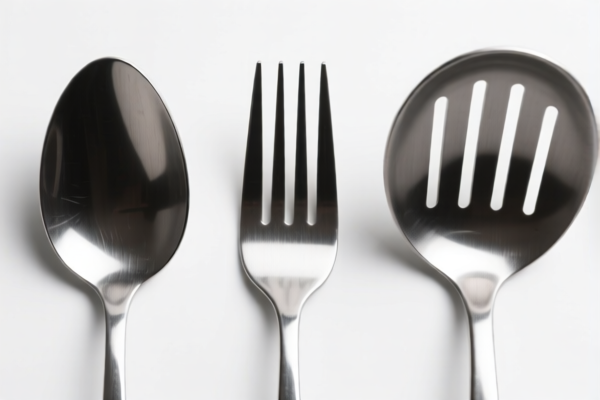
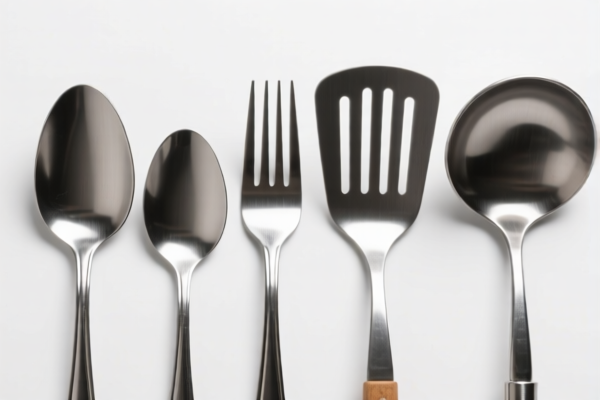
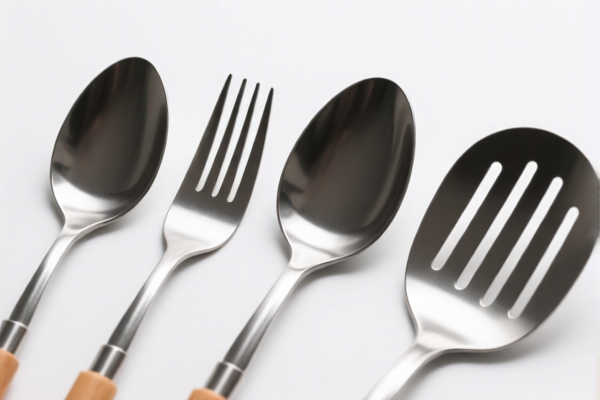
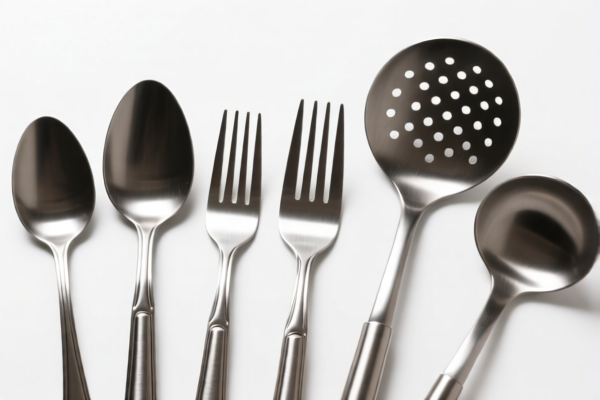
AI分析
🍳 Cooking Tools (Kitchen Utensils & Cookware)
🌐 HS Code Reference & Customs Clearance Guide | 2026 Latest Tariff Analysis | Professional Entry Strategy
📌 I. Product Definition & Classification: What Exactly Are "Cooking Tools"?
In international trade, "Cooking Tools" is a broad category that primarily encompasses items used for preparing, cooking, or serving food. The critical factor for classification is the material of manufacture, as this determines the HS Code and, consequently, the applicable tariff rates.
Based on the provided data, these products fall into three main material categories: 1. Ceramic/Porcelain: Ceramic pots, pans, and tableware. 2. Metal (Stainless Steel, Aluminum, Copper): Metal cookware for cooking. 3. Wood: Wooden utensils and kitchen tools.
⚠️ Key Distinction:
- Ceramic/Porcelain Cookware: Classified under Chapter 69.
- Metal Cookware: Classified under Chapter 73 (Steel) or Chapter 74 (Copper).
- Wooden Utensils: Classified under Chapter 44.
- Misclassification Risk: Declaring copper cookware as stainless steel can lead to significant tax discrepancies due to differing base duties and Section 122/301 surcharges.
📦 II. HS Code Classification Details (2026 Latest Tariff Authority)
| HS Code | Product Description | Material Category | Applicable Scenario |
|---|---|---|---|
6911.10.80.10 |
Ceramic cookware, kitchen utensils for food/beverage contact | Ceramic/Porcelain | Ceramic pots, glazed kitchenware |
6911.10.80.90 |
Porcelain or earthenware cookware, tableware/kitchenware category | Ceramic/Porcelain | Traditional earthenware pots, ceramic pans |
7323.93.00.45 |
Stainless steel or metal cookware, cooking utensils | Stainless Steel/Metal | Stainless steel pots, generic metal cookware |
7418.10.00.53 |
Copper or copper alloy cookware, cooking/kitchen supplies | Copper/Copper Alloy | Copper pots, copper-bottomed pans |
7418.10.00.51 |
Household cooking utensils, no material conflict | Copper/General Metal | General copper alloy cooking tools |
4419.90.11.00 |
Wooden kitchen utensils, wooden tableware & kitchen tools | Wood | Wooden spoons, spatulas, chopping blocks |
🔍 Important Note:
- Metal Goods (Steel/Copper) are subject to higher combined tariffs due to specific Section 122 and steel/aluminum surcharges.
- Ceramic Goods have moderate base duties but are also subject to additional surcharges.
- Wooden Goods generally have the lowest overall tax burden among these categories.
💰 III. 2026 Latest Tariff Rate Breakdown (Including Surcharges & Policy Add-ons)
✅ Applicable Country: United States (US)
✅ Origin: China (CN) (Implied by the structure of Section 122 and 301 tariffs mentioned in the data)
✅ Effective Time: Current applicable rates as per provided data
🎯 1. 6911.10.80.10 & 6911.10.80.90 —— Ceramic/Porcelain Cookware
| Item | Content |
|---|---|
| Base Duty | 20.8% |
| Section 301 Surcharge | 7.5% |
| Section 122 Surcharge | 10% |
| Total Tax Rate | 38.3% |
| Tax Calculation | CIF Value × 38.3% |
| De Minimis Exemption | ❌ Not Applicable (Standard import rules apply) |
| Legal Basis Path | Base Tariff → Section 301 (HTSUS 9903.88.01) → Section 122 (Uyghur Forced Labor Prevention Act / General Surcharge) |
📌 Explanation:
- Base 20.8%: Standard duty for ceramic tableware/cookware.
- 7.5% Surcharge: Additional duty under Section 301 for Chinese imports.
- 10% Surcharge: Additional duty under Section 122 (often related to specific policy measures).
- Total 38.3%: Significant cost impact on ceramic goods.
🎯 2. 7323.93.00.45 —— Stainless Steel/Metal Cookware
| Item | Content |
|---|---|
| Base Duty | 2.0% |
| Section 301 Surcharge | 0.0% (Note: Data indicates 0.0% for this specific subheading) |
| Steel/Aluminum/Copper Surcharge | 50% |
| Section 122 Surcharge | 10% |
| Total Tax Rate | 62.0% |
| Tax Calculation | CIF Value × 62.0% |
| De Minimis Exemption | ❌ Not Applicable |
| Legal Basis Path | Base Tariff → Steel/Aluminum Surcharge (HTSUS 9903.01.01) → Section 122 |
📌 Explanation:
- Base 2.0%: Low base duty for stainless steel kitchenware.
- 50% Surcharge: High additional duty applied to steel, aluminum, and copper products.
- 10% Surcharge: Section 122 additional duty.
- Total 62.0%: Extremely High Tariff. This is one of the most taxed categories due to the 50% steel/aluminum surcharge.
🎯 3. 7418.10.00.53 & 7418.10.00.51 —— Copper/Copper Alloy Cookware
| Item | Content |
|---|---|
| Base Duty | 3.0% |
| Section 301 Surcharge | 7.5% |
| Steel/Aluminum/Copper Surcharge | 50% |
| Section 122 Surcharge | 10% |
| Total Tax Rate | 70.5% |
| Tax Calculation | CIF Value × 70.5% |
| De Minimis Exemption | ❌ Not Applicable |
| Legal Basis Path | Base Tariff → Steel/Aluminum/Copper Surcharge (HTSUS 9903.01.01) → Section 122 |
📌 Explanation:
- Base 3.0%: Standard duty for copper articles.
- 50% Surcharge: Applies to copper products under the same steel/aluminum/copper surcharge rule.
- 7.5% Surcharge: Section 301 additional duty.
- 10% Surcharge: Section 122 additional duty.
- Total 70.5%: Highest Tariff Rate. Copper cookware from China faces the heaviest tax burden among the listed items.
🎯 4. 4419.90.11.00 —— Wooden Kitchen Utensils
| Item | Content |
|---|---|
| Base Duty | 5.3% |
| Section 301 Surcharge | 0.0% (Note: Data indicates 0.0% for this specific subheading) |
| Section 122 Surcharge | 10% |
| Total Tax Rate | 15.3% |
| Tax Calculation | CIF Value × 15.3% |
| De Minimis Exemption | ❌ Not Applicable |
| Legal Basis Path | Base Tariff → Section 122 |
📌 Explanation:
- Base 5.3%: Moderate duty for wooden tableware/kitchen tools.
- 0.0% Surcharge: No Section 301 surcharge applies to this specific wood category in the provided data.
- 10% Surcharge: Section 122 additional duty.
- Total 15.3%: Lowest Tariff Rate. Wooden utensils are the most cost-effective category for import.
🛠️ IV. Customs Clearance Practical Advice (Avoid Pitfalls)
✅ 1. Documentation Checklist (Essential)
| Document | Required | Description |
|---|---|---|
| ✅ Product Specification Sheet | ✔️ | Must clearly state material (Ceramic, Steel, Copper, Wood), dimensions, and usage. |
| ✅ Product Photos | ✔️ | Clear images of the item, including any logos, markings, or packaging. |
| ✅ Commercial Invoice | ✔️ | Must accurately describe the goods as "Cooking Utensils" or "Kitchen Tools" with correct HS Code. |
| ✅ Packing List | ✔️ | Detail weight, volume, and number of packages. |
| ✅ Certificate of Origin (CO) | ✔️ | To prove origin (China) and apply correct surcharges. |
| ✅ Material Declaration | ✔️ | Specifically for metal goods, declare if it is Stainless Steel, Aluminum, or Copper to avoid misclassification. |
✅ 2. Classification Strategy (Key Mnemonic)
🔥 "Material Matters: Wood is Low, Ceramic is Medium, Metal is High!"
| Scenario | Correct Declaration | Error Consequence |
|---|---|---|
| Stainless Steel Pot | 7323.93.00.45 |
If misdeclared as Ceramic → Penalty for false declaration. If declared as Copper → 62% vs 62% (similar), but incorrect record keeping. |
| Copper Pan | 7418.10.00.53 |
If misdeclared as Steel → 62% vs 70.5% (Underpayment risk). If misdeclared as Ceramic → 38.3% (Severe underpayment, heavy fines). |
| Wooden Spoon | 4419.90.11.00 |
If misdeclared as Plastic → Different HS Code entirely, potential anti-dumping duties. |
| Ceramic Dish | 6911.10.80.10 |
If misdeclared as Stoneware (different subheading) → Rate changes. |
✅ 3. Special Handling
| Situation | Advice |
|---|---|
| Mixed Materials | If a pot has a wooden handle and a metal body, it is generally classified by the primary material (the cooking surface/body). Here, it would be Metal (7323 or 7418). |
| Section 122 Impact | All listed items incur a 10% Section 122 surcharge. Ensure your accounting system accounts for this as a separate line item if required. |
| Steel/Aluminum/Copper Surcharge | This 50% surcharge is the biggest cost driver for metal goods. Consider sourcing non-Chinese materials if tariffs exceed profit margins. |
| De Minimis (Section 321) | ❌ Not Applicable. All these HS codes are subject to full duty calculation. Small shipments do not escape tax. |
🌍 V. Global Market Comparison (2026 Context)
| Market | Recommended HS Code | Base Tariff | Key Surcharges | Total Approx. Rate (China Origin) |
|---|---|---|---|---|
| 🇺🇸 United States | Varies by Material | 2.0% - 5.3% | Section 301 (7.5%), Sec 122 (10%), Steel/Cu Surcharge (50%) | 15.3% - 70.5% |
| 🇪🇺 European Union | Varies | 6.5% - 17% | No Section 301/122 | ~6.5% - 17% |
| 🇨🇳 China (Export) | Varies | 0% | None (Export side) | 0% |
📌 Conclusion:
- The US market imposes significantly higher tariffs on Chinese-origin cooking tools, especially metals.
- Wooden utensils remain the most tariff-friendly option for US imports (15.3%).
- Copper cookware is the most expensive to import into the US (70.5%).
📌 VI. Common Errors & Pitfalls (Lessons Learned)
❌ Error 1: Declaring Copper Cookware as Stainless Steel
👉 Result: Underpayment of 8.5% (70.5% - 62.0%). Customs will demand back taxes + penalties.
❌ Error 2: Declaring Ceramic Cookware as Plastic
👉 Result: Wrong HS Code, potential anti-dumping duty on plastics, plus misdeclaration penalties.
❌ Error 3: Ignoring the 50% Steel/Copper Surcharge
👉 Result: Underestimating landed cost. A $100 stainless steel pot could cost $162 at customs alone.
✅ Correct Practice:
"Stainless Steel Pot, 3-Quart, with Lid, Model XYZ" →
7323.93.00.45(62.0%)
"Copper Sauce Pan, 2-Quart, Model ABC" →7418.10.00.53(70.5%)
"Wooden Cooking Spoon, Hardwood, Model DEF" →4419.90.11.00(15.3%)
🎯 VII. Conclusion: Professional Classification Saves Money!
🎯 Remember:
🔹 "Wood is Cheap, Ceramic is Middle, Metal is Expensive!"
🔹 "Check the Material First, Then the Surcharge!"
🔹 "Copper is 70.5%, Steel is 62%, Don't Get Caught!"
📌 Pro Tip:
If your cooking tools are not made in China, they may be exempt from Section 301 and Section 122 surcharges, significantly reducing the total tariff. Consider supply chain diversification to Vietnam, India, or Mexico for metal goods to avoid the 50% steel/copper surcharge and 7.5% Section 301 tax.
📣 Action Required:
📞 Consult a licensed customs broker for a Binding Ruling if your product's material composition is complex.
🚀 Accurate classification ensures compliance and maximizes your profit margin.
✨ Precision in Classification, Profit in Execution!
💼 Every percentage point in duty counts!
用户评价
关于 HS 编码归类
协调制度(HS)是由世界海关组织(WCO)制定的国际贸易商品分类标准。全球 200 多个国家采用 HS 系统作为海关关税、贸易统计和进出口监管的基础。
每个 HS 编码遵循以下层级结构:
- 章(2 位)——商品大类(例如:第 84 章:机器和机械设备)
- 品目(4 位)——章内的更具体分类
- 子目(6 位)——国际通用细分,所有 WCO 成员国统一使用
- 本国细分(8-10 位)——各国自行扩展的细分编码,如美国 HTSUS 10 位编码
正确的 HS 编码归类对于顺利通关、准确缴纳关税和遵守贸易法规至关重要。错误归类可能导致海关延误、多缴关税或罚款。
从CN进口到US时,适用的关税税率可能包括:
- 最惠国(MFN)税率——适用于 WTO 成员国的标准关税税率
- 普通税率——适用于无贸易协定国家
- 贸易救济关税——附加关税,如 301 条款(反倾销)、232 条款(国家安全)或反补贴税
本页内容仅供参考。如需正式归类,请咨询当地海关或持牌报关代理。