cotton blend oxford fabric
CN → US| HS编码 | 关税税率 | 原产国 | 目的国 | 文档 |
|---|---|---|---|---|
| 5211510090 | 35.0% | CN | US | 官方文档 |
| 5211590090 | 43.1% | CN | US | 官方文档 |
| 5516440070 | 43.5% | CN | US | 官方文档 |
| 5210596020 | 45.4% | CN | US | 官方文档 |
| 5210594020 | 43.8% | CN | US | 官方文档 |
商品图片
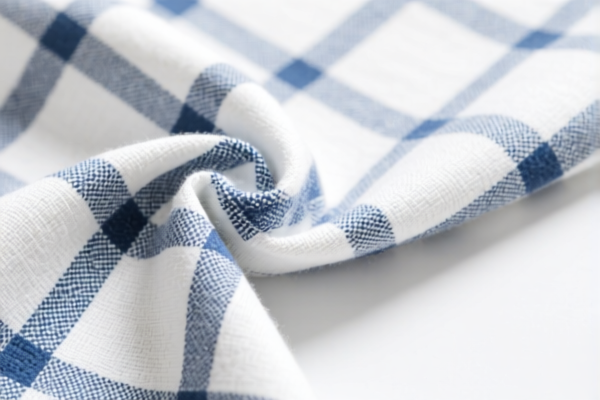
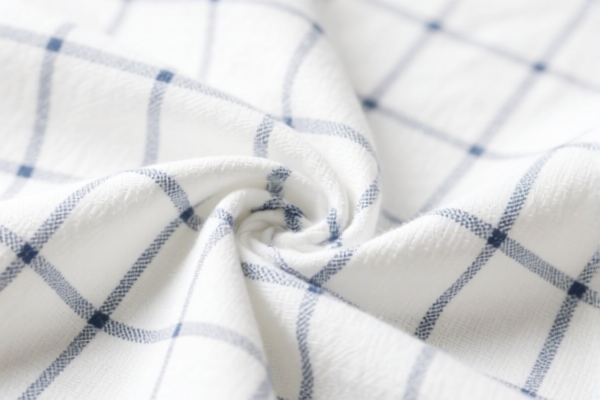
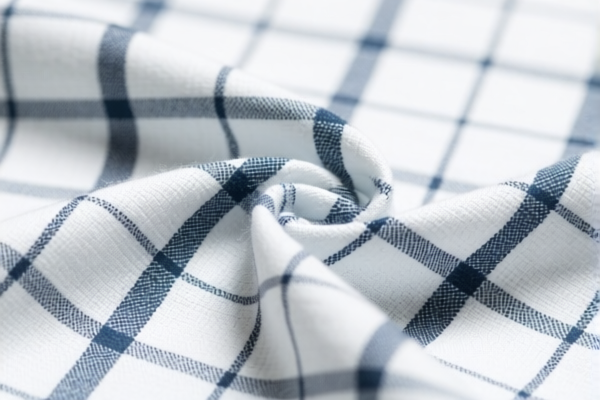
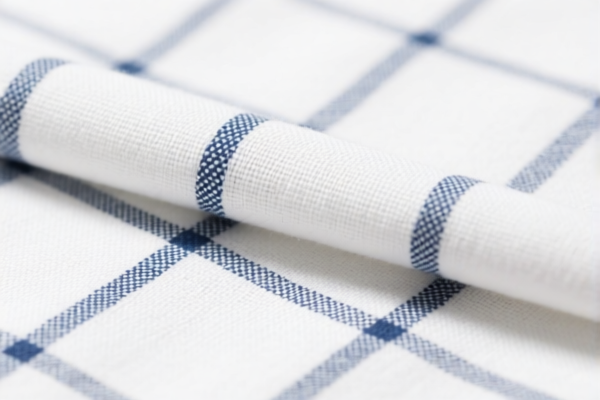
AI分析
🌾 Cotton Blend Oxford Fabric – HS Code & Tariff Guide 2026 | Expert Customs Clearance Strategy
🌐 HS Code Reference & Customs Clearance Blueprint | 2026 Updated Tariff Rules | Pro-Level Import Planning
📌 One Product, Multiple HS Codes – Why the Tax Varies So Much!
Cotton blend Oxford fabric is a versatile textile used in bags, outdoor gear, apparel, and industrial applications. However, its HS code and final tariff depend critically on cotton content, fiber composition, weave structure, and printing method.
⚠️ Critical Insight:
- If cotton content < 85% and blended with synthetic or man-made fibers, it does NOT qualify for preferential cotton rates.
- Printed Oxford fabric triggers additional tariffs under Section 122 (IEEPA) and Section 301 (USITC).
- Even small changes in fiber ratio or weave can shift the HS code and increase tariffs by up to 10%.
📦 II. HS Code Classification Breakdown (2026 Official Tariff List)
| HS Code | Product Description | Key Criteria | Tax Rate | Tax Breakdown |
|---|---|---|---|---|
5211.51.00.90 |
Cotton blend printed Oxford fabric, cotton <85%, mixed with man-made fibers, plain weave | ✅ Printed ✅ Oxford weave ✅ Cotton <85% ✅ Man-made fiber dominant |
35.0% | Base: 0% +25% USITC (301) +10% IEEPA (122) |
5211.59.00.90 |
Cotton blend printed fabric, cotton <85%, primarily or solely man-made fiber blend | ✅ Printed ✅ Cotton <85% ✅ Not Oxford-specific |
43.1% | Base: 8.1% +25% USITC (301) +10% IEEPA (122) |
5516.44.00.70 |
Printed cotton blend Oxford fabric, with man-made fibers, specific weave structure | ✅ Oxford weave ✅ Printed ✅ Cotton <85% ✅ Man-made fiber mix |
43.5% | Base: 8.5% +25% USITC (301) +10% IEEPA (122) |
5210.59.60.20 |
Printed cotton blend Oxford fabric, cotton <85%, non-85% cotton content | ✅ Oxford weave ✅ Printed ✅ Cotton <85% |
45.4% | Base: 10.4% +25% USITC (301) +10% IEEPA (122) |
5210.59.40.20 |
Cotton blend printed Oxford fabric, cotton <85%, synthetic fiber mix | ✅ Oxford weave ✅ Printed ✅ Cotton <85% ✅ Man-made fiber blend |
43.8% | Base: 8.8% +25% USITC (301) +10% IEEPA (122) |
🔍 Why So Many Codes?
- 5210.59.xxxx: General cotton blend printed fabric, no specific weave
- 5211.51/59.xxxx: More specific to Oxford weave and cotton content thresholds
- 5516.44.00.70: Covers man-made fiber blends with specific weave and printing
- Tax differences come from base tariff + USITC + IEEPA layers
💰 III. 2026 Tariff Breakdown – The Full Tax Formula (U.S. Focus)
✅ Applicable Country: United States (US)
✅ Origin: China (CN), Vietnam (VN), Bangladesh (BD), etc.
✅ Effective Date: November 10, 2025 (post-301/IEEPA updates)
🎯 1. 5211.51.00.90 – Low Base Tax, High Add-Ons
| Item | Detail |
|---|---|
| Base Tariff | 0.0% (ad valorem) |
| USITC (301 Clause) | +25.0% (Section 301 – China trade actions) |
| IEEPA (122 Clause) | +10.0% (International Emergency Economic Powers Act) |
| Total Tax | 35.0% |
| Tax Calculation | CIF × 35% |
| De Minimis Relief? | ❌ No (denied under IEEPA/301) |
| Legal Path | IEEPA:9903.01.25 → USITC:5211.51.00.90 → FOOTNOTE:9903.88.01 |
📌 Why Only 35%?
- This code has no base tariff, but still pays 25% + 10% from trade actions.
- Lowest tax among all cotton blend Oxford options – but only if cotton <85% and printed.
🎯 2. 5211.59.00.90 – Higher Base, Same Add-Ons
| Item | Detail |
|---|---|
| Base Tariff | 8.1% |
| USITC (301) | +25.0% |
| IEEPA (122) | +10.0% |
| Total Tax | 43.1% |
| Tax Calculation | CIF × 43.1% |
| De Minimis Relief? | ❌ No |
| Legal Path | IEEPA:9901.25 → USITC:5211.59.00.90 → FOOTNOTE:9903.88.01 |
📌 Key Note:
- This code applies to cotton blends not specifically Oxford, but still printed and <85% cotton.
- Higher base tariff → higher total tax, even with same add-ons.
🎯 3. 5516.44.00.70 – Man-Made Fiber Focus
| Item | Detail |
|---|---|
| Base Tariff | 8.5% |
| USITC (301) | +25.0% |
| IEEPA (122) | +10.0% |
| Total Tax | 43.5% |
| Tax Calculation | CIF × 43.5% |
| De Minimis Relief? | ❌ No |
| Legal Path | IEEPA:9903.01.24 → USITC:5516.44.00.70 → FOOTNOTE:9903.88.01 |
📌 Why This Code?
- Used when fabric is classified under man-made fiber blends, even if cotton is present.
- Common for synthetic-heavy blends (e.g., 60% polyester, 40% cotton).
🎯 4. 5210.59.60.20 – Highest Base Tariff
| Item | Detail |
|---|---|
| Base Tariff | 10.4% |
| USITC (301) | +25.0% |
| IEEPA (122) | +10.0% |
| Total Tax | 45.4% |
| Tax Calculation | CIF × 45.4% |
| De Minimis Relief? | ❌ No |
| Legal Path | IEEPA:9903.01.24 → USITC:5210.59.60.20 → FOOTNOTE:9903.88.01 |
📌 Why So High?
- This code has the highest base tariff (10.4%) among all options.
- Often used for printed cotton blends with low cotton content, even if Oxford.
- Most expensive option for imported cotton blend Oxford fabric.
🎯 5. 5210.59.40.20 – Slight Variation, Similar Tax
| Item | Detail |
|---|---|
| Base Tariff | 8.8% |
| USITC (301) | +25.0% |
| IEEPA (122) | +10.0% |
| Total Tax | 43.8% |
| Tax Calculation | CIF × 43.8% |
| De Minimis Relief? | ❌ No |
| Legal Path | IEEPA:9901.25 → USITC:5210.59.40.20 → FOOTNOTE:9903.88.01 |
📌 Note:
- Very similar to5211.59.00.90, but slightly higher base due to specific fiber blend classification.
🛠️ IV. Customs Clearance Best Practices (Pro Tips to Avoid Penalties)
✅ 1. Documentation Checklist (Must-Have!)
| Document | Required? | Why It Matters |
|---|---|---|
| ✅ Product Specification Sheet | ✔️ | Proves cotton %, fiber type, weave, printing method |
| ✅ Fabric Sample (Physical or Digital) | ✔️ | Used for visual inspection by CBP |
| ✅ Technical Drawings / Weave Diagram | ✔️ | Confirms "Oxford" structure |
| ✅ Commercial Invoice | ✔️ | Must state: “Printed Cotton Blend Oxford Fabric, Cotton <85%” |
| ✅ Certificate of Origin (CO) | ✔️ | If from Vietnam/Mexico, may qualify for IEEPA exemption |
| ✅ Test Report (e.g., ASTM, AATCC) | ✔️ | Proves fiber composition |
| ✅ Packing List | ✔️ | Shows total weight, roll count, dimensions |
✅ 2.申报技巧 (Key Rules to Remember)
🔥 "Oxford + Printed + <85% Cotton = 43–45% Tax"
But which code? Depends on exact fiber mix and weave.
| Scenario | Correct HS Code | Tax | Risk if Wrong |
|---|---|---|---|
| Printed Oxford, 70% cotton, 30% polyester | 5211.51.00.90 |
35.0% | ❌ Pay 45% if misclassified |
| Printed, 60% cotton, 40% man-made | 5211.59.00.90 |
43.1% | ❌ Pay 45.4% if misclassified |
| Printed, 55% cotton, 45% polyester | 5516.44.00.70 |
43.5% | ❌ Pay 43.8% if misclassified |
| Printed, 65% cotton, 35% synthetic | 5210.59.60.20 |
45.4% | ❌ Pay 35% if misclassified → Underpaid → Penalties |
📌 Golden Rule:
- Never assume – verify cotton %, fiber type, and weave before申报.
✅ 3. Special Cases & Solutions
| Situation | Recommended Action |
|---|---|
| Fabric from Vietnam/Mexico | Apply for IEEPA exemption – if origin is non-China, 10% IEEPA may not apply |
| OEM Fabric for Bags/Backpacks | Declare as "for use in finished goods" – may reduce scrutiny |
| Samples for Testing | Use de minimis if value < $800 – but only if not subject to IEEPA/301 |
| Re-exported Fabric | If re-exporting, declare as "not for U.S. consumption" – may avoid tariffs |
🌍 V. Global Market Comparison (2026)
| Country | Recommended HS Code | Tariff | Certification | Notes |
|---|---|---|---|---|
| 🇺🇸 USA | 5211.51.00.90 (if applicable) |
35–45.4% | None (but proof required) | High tax due to 301 + IEEPA |
| 🇨🇳 China | 5211.51.00.90 |
5% | CCC | No extra tariffs |
| 🇪🇺 EU | 5211.51.00.90 |
0% (if CE) | CE | No 301/IEEPA |
| 🇦🇺 Australia | 5211.51.00.90 |
5% | RCM | No extra taxes |
| 🇯🇵 Japan | 5211.51.00.90 |
0% | PSE | No extra taxes |
📌 Insight:
- Only the U.S. imposes 301 + IEEPA tariffs on this product.
- China, EU, Australia, Japan have no extra tariffs – ideal for re-export.
📌 VI. Common Mistakes & How to Avoid Them
❌ Mistake 1: Using 5211.51.00.90 for a 75% cotton fabric
👉 Result: Misclassification → Underpaid tax → Penalties + Interest
❌ Mistake 2: Declaring as “cotton fabric” without specifying blend
👉 Result: Customs may assume 100% cotton → Wrong code → higher tax
❌ Mistake 3: Not providing fiber test report
👉 Result: CBP may withhold release until verification
❌ Mistake 4: Assuming all Oxford fabrics are the same
👉 Result: Wrong HS code → 45.4% vs 35% = $10,000+ extra cost per container
✅ Correct Declaration Example:
"Printed Cotton Blend Oxford Fabric, 70% Cotton, 30% Polyester, Plain Weave, for Use in Outdoor Bags, HS Code: 5211.51.00.90, Origin: China, CIF: $12,000"
🎯 VII. Final Verdict: How to Minimize Tariffs & Stay Compliant
🔹 The lowest tax (35.0%) is only possible if:
- Cotton <85%
- Printed
- Oxford weave
- And classified under5211.51.00.90🔹 The highest tax (45.4%) applies to:
- Higher base tariff codes (5210.59.60.20)
- Even if same fiber mix, code choice matters🔹 Best Strategy:
✅ Verify cotton %
✅ Confirm weave structure
✅ Choose the lowest base tariff code
✅ Apply for IEEPA exemption if from Vietnam/Mexico
✅ Get a pre-ruling from CBP (Advanced Ruling)
📣 Act Now: Avoid Costly Mistakes!
📞 Contact a U.S. Customs Broker + Provide:
- Fabric sample
- Test report
- Invoice
- Origin proof🚀 Get a Pre-Approval (Advance Ruling) – Save 10–15% in Tariffs!
✨ Pro Tip:
If your fabric is made in Vietnam or Mexico, apply for IEEPA exemption – you may pay only 25% (USITC) instead of 35–45%.
📌 Bottom Line:
"One wrong HS code = 10% more in taxes = $50,000+ extra per shipment!"
✅ Precision in classification = Profit protection.
💼 Your product. Your cost. Your control.
🎯 Start with the right HS code – end with a smooth clearance!
用户评价
关于 HS 编码归类
协调制度(HS)是由世界海关组织(WCO)制定的国际贸易商品分类标准。全球 200 多个国家采用 HS 系统作为海关关税、贸易统计和进出口监管的基础。
每个 HS 编码遵循以下层级结构:
- 章(2 位)——商品大类(例如:第 84 章:机器和机械设备)
- 品目(4 位)——章内的更具体分类
- 子目(6 位)——国际通用细分,所有 WCO 成员国统一使用
- 本国细分(8-10 位)——各国自行扩展的细分编码,如美国 HTSUS 10 位编码
正确的 HS 编码归类对于顺利通关、准确缴纳关税和遵守贸易法规至关重要。错误归类可能导致海关延误、多缴关税或罚款。
从CN进口到US时,适用的关税税率可能包括:
- 最惠国(MFN)税率——适用于 WTO 成员国的标准关税税率
- 普通税率——适用于无贸易协定国家
- 贸易救济关税——附加关税,如 301 条款(反倾销)、232 条款(国家安全)或反补贴税
本页内容仅供参考。如需正式归类,请咨询当地海关或持牌报关代理。