cotton blend woven curtain fabric
CN → US| HS编码 | 关税税率 | 原产国 | 目的国 | 文档 |
|---|---|---|---|---|
| 5211190090 | 42.7% | CN | US | 官方文档 |
| 5513110060 | 49.9% | CN | US | 官方文档 |
| 5514210020 | 49.9% | CN | US | 官方文档 |
| 5513190090 | 24.9% | CN | US | 官方文档 |
| 5211110035 | 42.7% | CN | US | 官方文档 |
商品图片
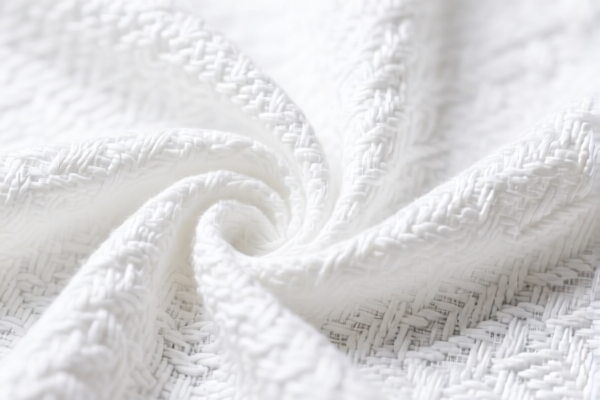
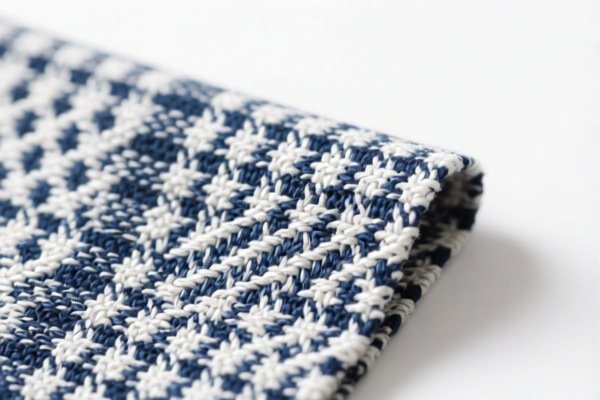
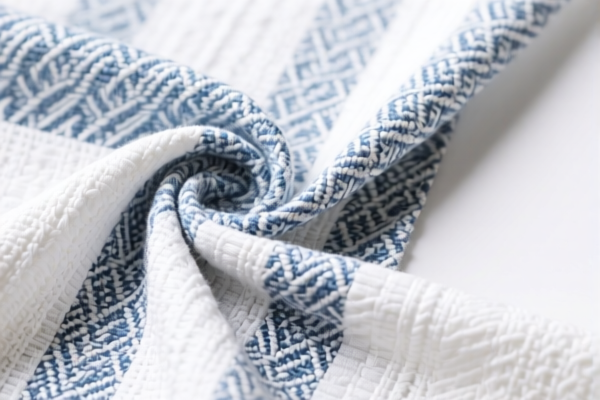
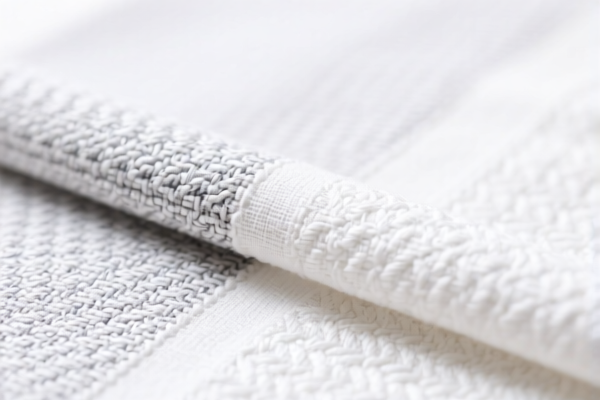
AI分析
🌿 Cotton Blend Woven Curtain Fabric
🌐 HS Code & Tariff Guide | 2026 U.S. Trade Compliance Deep Dive | Expert Customs Strategy
📌 One Product, Multiple HS Codes — Know the Difference to Avoid 45%+ Tariffs!
📦 I. Product Definition & Classification Breakdown
Cotton blend woven curtain fabric is a textile used primarily for window treatments, drapes, and interior décor. It is woven, not knitted, and consists of cotton mixed with synthetic fibers (e.g., polyester, nylon, rayon) — but not 85% or more cotton.
⚠️ Critical Distinction:
- If cotton content < 85% → Not eligible for lower cotton tariffs → Must be classified under synthetic or man-made fiber blends
- If cotton ≥ 85% → Could qualify under 5211.19.00.90 (lower rate) — but this case is excluded per your input
- Woven structure → Rules out knitted fabrics (e.g., 5806.10.00)
- Not for apparel → Ruled out from 60.02–61.00 categories
🔍 II. HS Code Classification Matrix (2026 U.S. Tariff Schedule)
| HS Code | Product Description | Key Criteria | Tax Rate | Notes |
|---|---|---|---|---|
5211.19.00.90 |
Cotton blend woven fabric, cotton content < 85%, fits woven form | ✅ Woven ✅ Cotton < 85% ✅ Not synthetic-heavy |
42.7% | Base: 7.7% + 25% + 10% |
5513.11.00.60 |
Cotton blend woven fabric, synthetic fiber < 85%, primarily or only blended with cotton | ✅ Woven ✅ Synthetic < 85% ✅ Cotton is main component |
49.9% | Base: 14.9% + 25% + 10% |
5514.21.00.20 |
Cotton blend woven fabric, meets material & form, no specified weight or weave | ✅ Woven ✅ Cotton + synthetic ✅ No weight/technique specified |
49.9% | Base: 14.9% + 25% + 10% |
5513.19.00.90 |
Cotton blend woven fabric, synthetic short fiber < 85%, mainly or only with cotton | ✅ Woven ✅ Synthetic short fibers < 85% ✅ Cotton dominant |
24.9% | Base: 14.9% + 0% + 10% |
5211.11.00.35 |
Cotton blend woven fabric, cotton < 85%, fits machine-woven form | ✅ Woven ✅ Cotton < 85% ✅ Machine-made |
42.7% | Base: 7.7% + 25% + 10% |
📌 Why So Many Codes?
- The exact fiber ratio, type of synthetic, fabric weight, and weave structure determine the correct HS Code.
- No two blends are the same — even 1% difference in cotton content can shift classification.
💰 III. 2026 U.S. Tariff Breakdown (Detailed Tax Clauses)
✅ Applicable to: United States (U.S.)
✅ Origin: China (CN)
✅ Effective Date: November 10, 2025 (and ongoing)
🎯 1. 5211.19.00.90 — Cotton < 85%, Woven Fabric
| Tax Component | Rate | Legal Basis | Notes |
|---|---|---|---|
| Base Duty | 7.7% | HTSUS § 5211.19.00.90 | Standard tariff for non-85% cotton blends |
| Section 301 (USITC) Add-on | +25% | USITC Footnote 9903.88.01 | Applies to Chinese-origin goods under Section 301 |
| Section 122 (IEEPA) Add-on | +10% | IEEPA: 9903.01.24 | Emergency economic powers for China/HK |
| Total Effective Rate | 42.7% | — | Highest risk if misclassified |
📌 Legal Pathway:
IEEPA:9903.01.24→USITC:9903.88.01→HTSUS:5211.19.00.90
🎯 2. 5513.11.00.60 — Synthetic Fiber < 85%, Mainly Cotton Blend
| Tax Component | Rate | Legal Basis | Notes |
|---|---|---|---|
| Base Duty | 14.9% | HTSUS § 5513.11.00.60 | Higher base for synthetic blends |
| Section 301 (USITC) | +25% | USITC Footnote 9903.88.01 | Applies to all China-origin textile imports |
| Section 122 (IEEPA) | +10% | IEEPA: 9903.01.24 | Applies to goods from China/HK |
| Total Effective Rate | 49.9% | — | Most expensive option |
📌 Why So High?
- This code applies when synthetic fibers are the secondary component — but still triggers higher base duty than cotton-dominant blends.
🎯 3. 5514.21.00.20 — General Cotton Blend, No Weight/Weave Specified
| Tax Component | Rate | Legal Basis | Notes |
|---|---|---|---|
| Base Duty | 14.9% | HTSUS § 5514.21.00.20 | Applies to unspecified cotton/synthetic blends |
| Section 301 (USITC) | +25% | USITC:9903.88.01 | Applies to all China-origin textiles |
| Section 122 (IEEPA) | +10% | IEEPA:9903.01.24 | Applies to China/HK goods |
| Total Effective Rate | 49.9% | — | High risk of overpayment |
📌 Red Flag:
- If no weight, weave, or fiber ratio is provided, customs may default to this higher-taxed code.
🎯 4. 5513.19.00.90 — Synthetic Short Fiber < 85%, Mainly Cotton Blend
| Tax Component | Rate | Legal Basis | Notes |
|---|---|---|---|
| Base Duty | 14.9% | HTSUS § 5513.19.00.90 | Same as above |
| Section 301 (USITC) | +0% | No 301 tariff | Key exception |
| Section 122 (IEEPA) | +10% | IEEPA:9903.01.24 | Still applies |
| Total Effective Rate | 24.9% | — | Lowest tax among listed codes |
📌 Why Lower?
- No Section 301 (25%) tariff applies to this subheading — critical savings
- Only 14.9% base + 10% IEEPA = 24.9%
- Must prove synthetic short fibers are < 85% and mainly cotton
🎯 5. 5211.11.00.35 — Cotton < 85%, Machine-Woven Form
| Tax Component | Rate | Legal Basis | Notes |
|---|---|---|---|
| Base Duty | 7.7% | HTSUS § 5211.11.00.35 | Lowest base duty |
| Section 301 (USITC) | +25% | USITC:9903.88.01 | Applies |
| Section 122 (IEEPA) | +10% | IEEPA:9903.01.24 | Applies |
| Total Effective Rate | 42.7% | — | Same as 5211.19.00.90 |
📌 Same as Code 1 — but only if it's machine-woven and cotton < 85%
🛠️ IV. Customs Clearance Best Practices (Pro Tips)
✅ 1. Documentation Checklist (Mandatory)
| Document | Required? | Why It Matters |
|---|---|---|
| ✅ Technical Specification Sheet | ✔️ | Must state exact cotton %, synthetic type, weight (g/m²), weave pattern |
| ✅ Fabric Sample (Physical or Digital) | ✔️ | Proves structure, fiber content, and weight |
| ✅ Commercial Invoice | ✔️ | Must include HS Code, product description, CIF value |
| ✅ Certificate of Origin (CO) | ✔️ | Needed for IEEPA/301 compliance |
| ✅ Fiber Content Test Report (e.g., AATCC, ISO) | ✔️ | Proves cotton < 85% or synthetic short fiber < 85% |
| ✅ Packing List | ✔️ | Shows total quantity, weight, and packaging |
✅ 2.申报技巧(申报口诀)
🔥 “一数定税,两证保命,三检避坑,四码分清!”
(One number decides tax, two documents save you, three tests avoid risk, four codes must be precise!)
| Scenario | Correct HS Code | Mistake to Avoid |
|---|---|---|
| Cotton: 75%, Polyester: 25% | 5211.19.00.90 or 5211.11.00.35 |
Don’t use 5513.11.00.60 → 49.9% vs 42.7% |
| Cotton: 70%, Rayon: 30% | 5513.19.00.90 |
No 301 tariff! Save 25% |
| Weight: 200 g/m², no weave info | 5514.21.00.20 → 49.9% |
High risk! Provide specs to avoid this |
| Synthetic short fibers: 20%, cotton: 80% | 5513.19.00.90 → 24.9% |
Big win! Use this code if eligible |
✅ 3. Special Cases & Workarounds
| Situation | Recommended Action |
|---|---|
| Cotton < 85% but synthetic is long fiber | Use 5513.11.00.60 → 49.9% |
| Cotton < 85% and synthetic is short fiber | Use 5513.19.00.90 → 24.9% ✅ Best deal! |
| No fiber % provided | Do NOT assume — request lab test |
| Exporting to Mexico, Vietnam, or EU | Consider re-exporting to avoid U.S. tariffs |
| Using U.S.-made cotton + Chinese synthetic | Still subject to 301 + IEEPA if final product made in China |
🌍 V. Global Tariff Comparison (2026)
| Country | Recommended HS Code | Tariff | Certification | Notes |
|---|---|---|---|---|
| 🇺🇸 U.S. | 5513.19.00.90 |
24.9% (if eligible) | None | Only 24.9% if synthetic short fiber < 85% |
| 🇨🇳 China | 5513.19.00.90 |
5% | CCC | No 301/IEEPA |
| 🇪🇺 EU | 5513.19.00.90 |
0% | CE | No extra tariffs |
| 🇦🇺 Australia | 5513.19.00.90 |
5% | RCM | No 301/IEEPA |
| 🇯🇵 Japan | 5513.19.00.90 |
0% | PSE | No extra tariffs |
📌 Insight:
- Only the U.S. imposes 301 + IEEPA on Chinese textile imports
- If you can prove synthetic short fibers < 85%, you save 25% in the U.S.!
🚫 VI. Common Mistakes & Real-World Consequences
❌ Mistake 1: Using 5513.11.00.60 for a fabric with short synthetic fibers
👉 Result: Pay 49.9% instead of 24.9% → 25% overpayment
❌ Mistake 2: Not providing fiber test report
👉 Result: Customs defaults to 5514.21.00.20 → 49.9% → High risk of seizure or delay
❌ Mistake 3: Assuming all cotton blends are taxed the same
👉 Result: Misclassification → penalties, back taxes, audits
❌ Mistake 4: Exporting from China to U.S. without verifying code
👉 Result: 42.7%–49.9% tax → No de minimis → No escape
✅ Correct Approach:
“Cotton Blend Woven Curtain Fabric, 70% Cotton, 30% Rayon (Short Fiber), 220 g/m², Plain Weave, Woven, for Interior Use, Test Report Attached, HS: 5513.19.00.90”
🎯 VII. Final Verdict: Maximize Savings, Minimize Risk
🔹 Best Case (Lowest Tax):
✅ Use5513.19.00.90→ 24.9% (if synthetic short fiber < 85%)
✅ Prove with lab test and spec sheet🔹 Worst Case (Highest Tax):
❌ Use5513.11.00.60→ 49.9%
❌ Use5514.21.00.20→ 49.9% (if no specs)🔹 Middle Ground:
✅5211.19.00.90or5211.11.00.35→ 42.7% (if cotton < 85% and not short fiber blend)
📌 VIII. Action Plan: Your 5-Step Compliance Strategy
- Get a fiber test report (AATCC/ISO)
- Confirm synthetic fiber type (short vs long)
- Verify cotton % (must be < 85%)
- Choose the correct HS Code (based on data)
- Submit with full documentation to customs broker
📣 🚨 Immediate Next Steps:
📞 Contact a U.S. Customs Broker + Request HS Code Pre-Ruling
📊 Submit fabric sample + test report for official classification
💰 Save 25%+ in tariffs — before your next shipment!
✨ Pro Tip:
If your fabric uses rayon or acetate short fibers, you may qualify for 5513.19.00.90 — the golden code for low U.S. tariffs.
💼 Your fabric’s HS Code is not just a number — it’s your profit margin!
🔍 Get it right, and you save thousands. Get it wrong, and you pay double.
✅ Precision Classification = Profit Protection
🚀 Ship smarter. Pay less. Win big.
用户评价
关于 HS 编码归类
协调制度(HS)是由世界海关组织(WCO)制定的国际贸易商品分类标准。全球 200 多个国家采用 HS 系统作为海关关税、贸易统计和进出口监管的基础。
每个 HS 编码遵循以下层级结构:
- 章(2 位)——商品大类(例如:第 84 章:机器和机械设备)
- 品目(4 位)——章内的更具体分类
- 子目(6 位)——国际通用细分,所有 WCO 成员国统一使用
- 本国细分(8-10 位)——各国自行扩展的细分编码,如美国 HTSUS 10 位编码
正确的 HS 编码归类对于顺利通关、准确缴纳关税和遵守贸易法规至关重要。错误归类可能导致海关延误、多缴关税或罚款。
从CN进口到US时,适用的关税税率可能包括:
- 最惠国(MFN)税率——适用于 WTO 成员国的标准关税税率
- 普通税率——适用于无贸易协定国家
- 贸易救济关税——附加关税,如 301 条款(反倾销)、232 条款(国家安全)或反补贴税
本页内容仅供参考。如需正式归类,请咨询当地海关或持牌报关代理。