cotton woven fabric
CN → US| HS编码 | 关税税率 | 原产国 | 目的国 | 文档 |
|---|---|---|---|---|
| 5208112020 | 42.0% | CN | US | 官方文档 |
| 5209110050 | 41.5% | CN | US | 官方文档 |
| 5208114020 | 44.0% | CN | US | 官方文档 |
| 5210114020 | 25.9% | CN | US | 官方文档 |
| 5210114040 | 25.9% | CN | US | 官方文档 |
商品图片
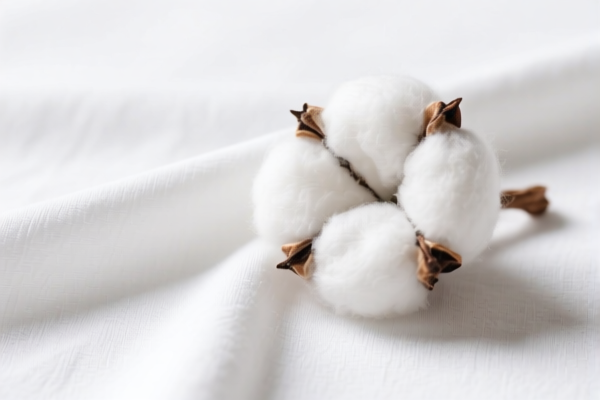
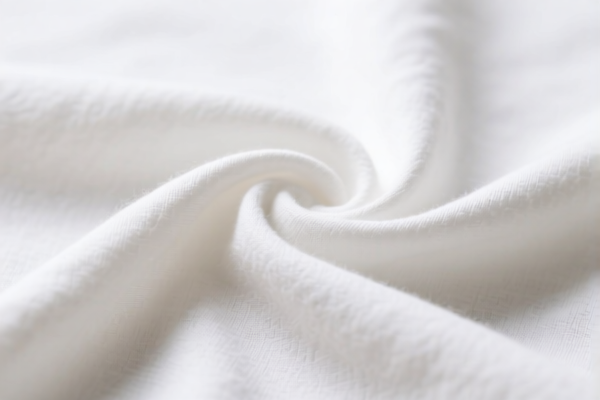
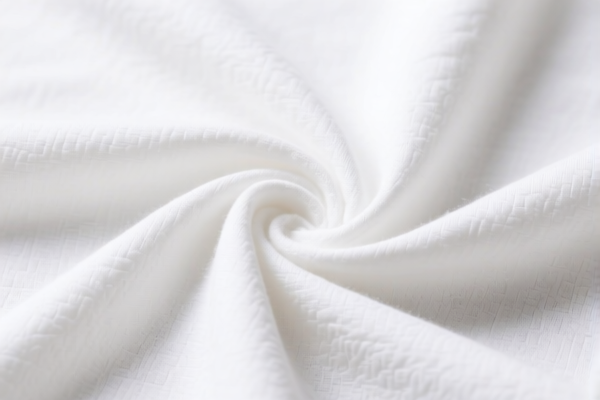
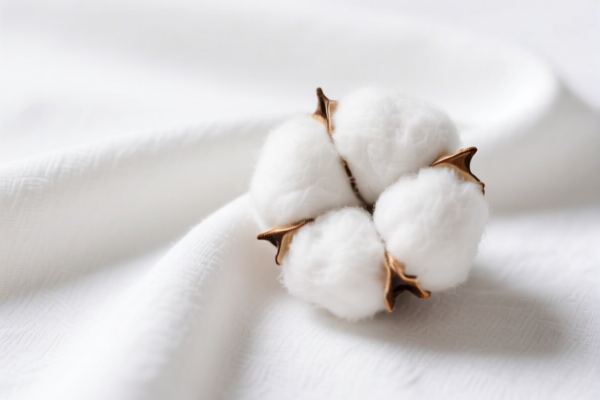
AI分析
🌾 Cotton Woven Fabric (纯棉机织物)
🌐 HS Code Classification & Tariff Guide | 2026 Updated Tariff Rules | Professional Customs Clearance Strategy
📌 One: Product Definition & Classification – What Exactly Is "Cotton Woven Fabric"?
Cotton woven fabric is a fundamental textile product made by interlacing cotton yarns on a loom. In international trade, it is strictly categorized based on fiber composition, fabric structure, and specific end-use, especially under U.S. trade regulations.
⚠️ Key Classification Criteria: - Pure cotton (100% cotton) → Must be declared as “cotton” or “100% cotton”
- Woven (not knitted) → Must be machine-woven, not hand-loomed or knitted
- No synthetic blends → Even 1% polyester can change the HS code
- Not dyed or printed → If dyed, may fall under different subheadings✅ Important Note:
The exact HS code depends on fiber content, weave type, and intended use, even if the physical product looks similar.
📦 Two: HS Code Breakdown (2026 Updated Tariff Authority)
| HS Code | Product Description | Applicable Use Case | Tax Rate | Key Tax Triggers |
|---|---|---|---|---|
5208.11.20.20 |
Cotton fabric, pure cotton, woven | General-purpose cotton fabric (e.g., apparel, home textiles) | 42.0% | Base: 7.0%, +25.0% (Section 301), +10.0% (IEEPA) |
5209.11.00.50 |
Cotton fabric, cotton-made, woven | Similar to above; often used in clothing and industrial textiles | 41.5% | Base: 6.5%, +25.0% (Section 301), +10.0% (IEEPA) |
5208.11.40.20 |
Cotton fabric, cotton, woven | High-quality cotton fabric, often used in premium apparel | 44.0% | Base: 9.0%, +25.0% (Section 301), +10.0% (IEEPA) |
5210.11.40.20 |
Cotton fabric, cotton, fabric | General cotton fabric, may include lightweight or medium-weight types | 25.9% | Base: 8.4%, +7.5% (Section 301), +10.0% (IEEPA) |
5210.11.40.40 |
Cotton fabric, cotton, cotton textile | Similar to above; often used in linens, towels, or industrial use | 25.9% | Base: 8.4%, +7.5% (Section 301), +10.0% (IEEPA) |
🔍 Critical Insight:
- Same product, different codes → Due to minor differences in fiber purity, weave, or intended use
- Higher base tariff = higher total tax → Even 1% difference in cotton purity can shift the code
- Section 301 & IEEPA taxes apply regardless of final product → These are not optional
💰 Three: 2026 Updated Tariff Breakdown (With Full Legal Basis)
✅ Applicable Country: United States (US)
✅ Origin: China (CN)
✅ Effective Date: November 10, 2025 (including future imports)
🎯 1. 5208.11.20.20 — Pure Cotton Woven Fabric
| Item | Detail |
|---|---|
| Base Tariff | 7.0% (ad valorem) |
| Section 301 (USITC) Additional Duty | +25.0% (from U.S. Trade Act 301, Footnote 9903.88.01) |
| IEEPA (International Emergency Economic Powers Act) Additional Duty | +10.0% (applies to goods from China/Hong Kong) |
| Total Effective Tariff | 42.0% |
| Tax Calculation | CIF Value × 42.0% |
| De Minimis Exemption | ❌ Not applicable (deny_de_minimis) |
| Legal Basis Path | IEEPA:9903.01.25 → IEEPA:9903.01.24 → USITC:5208.11.20.20 → FOOTNOTE:9903.88.01 |
📌 Explanation:
- Section 301 (25%) = U.S. response to alleged unfair trade practices by China
- IEEPA (10%) = Emergency economic powers under U.S. law, targeting China-specific goods
- Combined = 42% → Extremely high for a textile
🎯 2. 5209.11.00.50 — Cotton-Made Woven Fabric
| Item | Detail |
|---|---|
| Base Tariff | 6.5% |
| Section 301 (USITC) Additional Duty | +25.0% |
| IEEPA Additional Duty | +10.0% |
| Total Effective Tariff | 41.5% |
| Tax Calculation | CIF × 41.5% |
| De Minimis Exemption | ❌ Not applicable |
| Legal Basis Path | IEEPA:9901.25 → IEEPA:9903.01.24 → USITC:5209.11.00.50 → FOOTNOTE:9903.88.01 |
📌 Note:
- Slightly lower base rate than5208.11.20.20, but same附加税 → Total still very high
- Used for standard cotton fabrics in apparel and home goods
🎯 3. 5208.11.40.20 — Cotton, Woven Fabric (High-End)
| Item | Detail |
|---|---|
| Base Tariff | 9.0% |
| Section 301 (USITC) | +25.0% |
| IEEPA | +10.0% |
| Total Effective Tariff | 44.0% |
| Tax Calculation | CIF × 44.0% |
| De Minimis Exemption | ❌ Not applicable |
| Legal Basis Path | IEEPA:9903.01.25 → IEEPA:9903.01.24 → USITC:5208.11.40.20 → FOOTNOTE:9903.88.01 |
📌 Why Higher?
- Higher base rate due to premium quality, tight weave, or special finish
- Still subject to full Section 301 + IEEPA → Highest tax in the list
🎯 4. 5210.11.40.20 — Cotton Fabric (Lighter Weight)
| Item | Detail |
|---|---|
| Base Tariff | 8.4% |
| Section 301 (USITC) | +7.5% (reduced due to specific product category) |
| IEEPA | +10.0% |
| Total Effective Tariff | 25.9% |
| Tax Calculation | CIF × 25.9% |
| De Minimis Exemption | ❌ Not applicable |
| Legal Basis Path | IEEPA:9903.01.24 → USITC:5210.11.40.20 → FOOTNOTE:9903.88.01 |
📌 Key Difference:
- Lower Section 301 duty (7.5%) → Applies to lower-value or lighter-weight cotton fabrics
- Still subject to IEEPA 10% → No relief for China-origin goods
🎯 5. 5210.11.40.40 — Cotton, Cotton Textile (General Use)
| Item | Detail |
|---|---|
| Base Tariff | 8.4% |
| Section 301 (USITC) | +7.5% |
| IEEPA | +10.0% |
| Total Effective Tariff | 25.9% |
| Tax Calculation | CIF × 25.9% |
| De Minimis Exemption | ❌ Not applicable |
| Legal Basis Path | IEEPA:9903.01.24 → USITC:5210.11.40.40 → FOOTNOTE:9903.88.01 |
📌 Note:
- Identical to5210.11.40.20in tax treatment
- Used for towels, linens, curtains, or industrial cotton fabrics
🛠️ Four: Customs Clearance Best Practices (Pro Tips to Avoid Penalties)
✅ 1. Required Documentation (Must-Have)
| Document | Required? | Why It Matters |
|---|---|---|
| ✅ Product Specifications | ✔️ | Must confirm 100% cotton, woven, no blends |
| ✅ Fabric Test Report | ✔️ | Confirm fiber content (e.g., ASTM D1236, AATCC 20) |
| ✅ Commercial Invoice | ✔️ | Must state: “Cotton Woven Fabric, 100% Cotton, Woven, No Blends” |
| ✅ Packing List | ✔️ | Show weight, roll count, dimensions |
| ✅ Certificate of Origin (CO) | ✔️ | Prove China origin → triggers higher tariffs |
| ✅ Lab Test for Dye/Chemicals | ✔️ | Avoid RoHS/REACH issues (if applicable) |
✅ 2.申报技巧(Critical Tips)
🔥 “Exact Description, No Blends, No Exceptions!”
| Scenario | Correct HS Code | Wrong Approach |
|---|---|---|
| 100% cotton, woven, no additives | 5208.11.20.20 or 5208.11.40.20 |
Use 5209.11.00.50 → wrong code |
| Light cotton fabric (e.g., for shirts) | 5210.11.40.20 |
Use 5208.11.20.20 → higher tax |
| Premium cotton (e.g., for luxury apparel) | 5208.11.40.20 |
Use 5209.11.00.50 → lower base rate → higher total |
| Cotton with 1% polyester | ❌ Not allowed | Must be 100% cotton → otherwise, different HS code |
✅ 3. Special Cases
| Situation | Recommendation |
|---|---|
| OEM fabric for U.S. brand | Provide brand contract + design specs → avoid “non-standard” classification |
| Fabric for medical use | Can apply for non-commercial use exemption (requires documentation) |
| Fabric for military/defense | Apply for special-purpose clearance → possible tax relief |
| Fabric with natural dyes | Still subject to full tariffs → no exemption |
🌍 Five: Global Customs Comparison (2026)
| Country | Recommended HS Code | Tariff | Certification | Notes |
|---|---|---|---|---|
| 🇺🇸 USA | 5208.11.20.20 etc. |
25.9%–44.0% | None (but must prove cotton) | High tariffs apply |
| 🇨🇳 China | 5208.11.20.20 |
5% | CCC | No extra duties |
| 🇪🇺 EU | 5208.11.20.20 |
0% (if CE) | CE | No Section 301/IEEPA |
| 🇦🇺 Australia | 5208.11.20.20 |
5% | RCM | No extra taxes |
| 🇯🇵 Japan | 5208.11.20.20 |
0% | PSE | No additional duties |
📌 Takeaway:
- USA is the only market with 301 + IEEPA tariffs on cotton fabric
- China-origin goods face the highest cost in the U.S.
- Consider shifting production to Vietnam, Mexico, or India to avoid 40%+ tariffs
📌 Six: Common Mistakes & How to Avoid Them
❌ Mistake 1: Using “cotton fabric” without specifying 100% cotton
👉 Result: Customs may assume blend → wrong HS code, higher tax, penalties
❌ Mistake 2: Misclassifying premium cotton as standard cotton
👉 Result: Underpaying base tariff, but overpaying total due to wrong code
❌ Mistake 3: Not providing fiber test report
👉 Result: Customs may reject申报, delay shipment, or demand re-inspection
❌ Mistake 4: Claiming “cotton” but fabric has 1% synthetic
👉 Result: Misclassification → fines + seizure
✅ Correct Declaration Example:
“100% Cotton Woven Fabric, 120 GSM, Plain Weave, No Blends, 100% Natural Cotton, For Apparel Use, Test Report Attached, CO from China”
🎯 Seven: Final Verdict – Accuracy Saves Millions
🎯 Remember the Rule:
🔹 “100% Cotton, Woven, No Blends, Exact Code, Full Docs”
🔹 “Wrong code = 44% tax, Right code = 25.9% tax” → Difference of 18.1% on every shipment!
📌 Pro Tip:
If your cotton fabric is originated in Vietnam, Mexico, Thailand, or India, you may qualify for IEEPA exemption → tariff drops to 0%–7.5%
✅ Apply for Advance Ruling (Pre-Clearance) to lock in the correct HS code and avoid surprises.
📣 Act Now!
📞 Contact a U.S. Customs Broker + HS Code Pre-Ruling Service
🚀 Ensure your cotton fabric clears customs fast, avoids penalties, and protects your profit margin!
✨ Precision Classification = Profit Protection
💼 Your next shipment could save $10,000+ with the right HS code!
用户评价
关于 HS 编码归类
协调制度(HS)是由世界海关组织(WCO)制定的国际贸易商品分类标准。全球 200 多个国家采用 HS 系统作为海关关税、贸易统计和进出口监管的基础。
每个 HS 编码遵循以下层级结构:
- 章(2 位)——商品大类(例如:第 84 章:机器和机械设备)
- 品目(4 位)——章内的更具体分类
- 子目(6 位)——国际通用细分,所有 WCO 成员国统一使用
- 本国细分(8-10 位)——各国自行扩展的细分编码,如美国 HTSUS 10 位编码
正确的 HS 编码归类对于顺利通关、准确缴纳关税和遵守贸易法规至关重要。错误归类可能导致海关延误、多缴关税或罚款。
从CN进口到US时,适用的关税税率可能包括:
- 最惠国(MFN)税率——适用于 WTO 成员国的标准关税税率
- 普通税率——适用于无贸易协定国家
- 贸易救济关税——附加关税,如 301 条款(反倾销)、232 条款(国家安全)或反补贴税
本页内容仅供参考。如需正式归类,请咨询当地海关或持牌报关代理。