cowhide/horsehide for belts
CN → US| HS编码 | 关税税率 | 原产国 | 目的国 | 文档 |
|---|---|---|---|---|
| 4203300000 | 37.7% | CN | US | 官方文档 |
| 4107117030 | 15.0% | CN | US | 官方文档 |
| 4101901020 | 17.5% | CN | US | 官方文档 |
| 4101901040 | 17.5% | CN | US | 官方文档 |
| 4107127030 | 15.0% | CN | US | 官方文档 |
商品图片
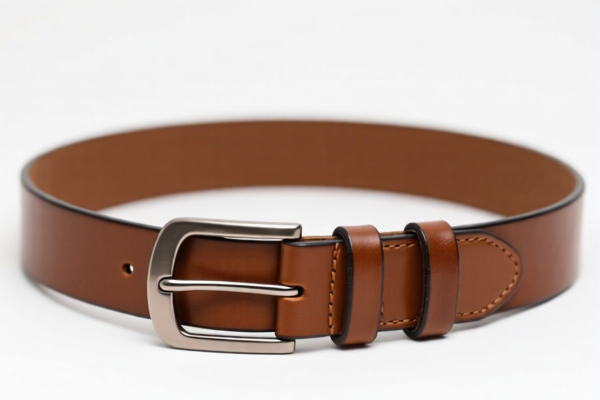
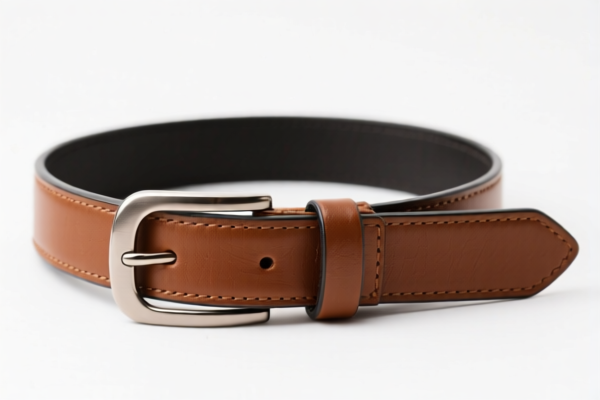
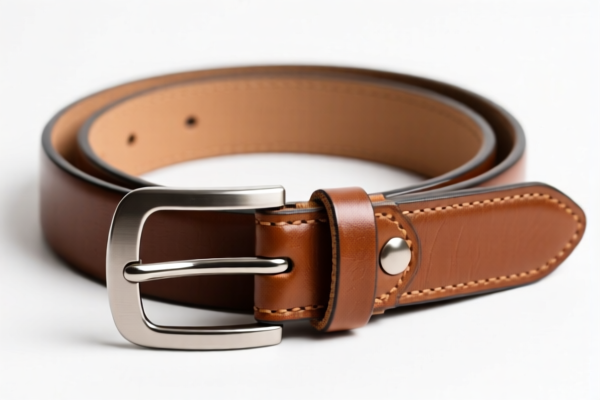
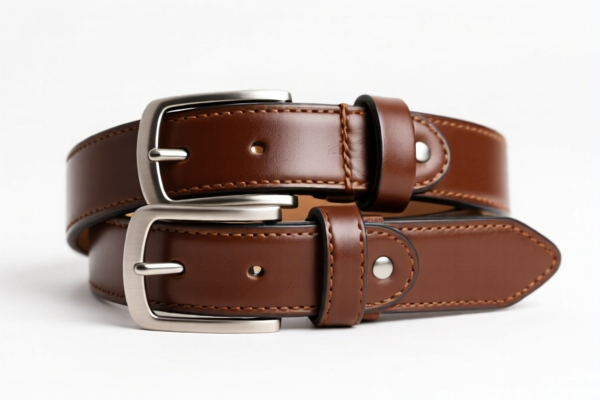
AI分析
🐄 Cowhide/Horsehide for Belts (Raw & Processed Leather)
🌐 HS Code Reference & Customs Clearance Guide | 2026 Latest Tariff Analysis | Professional Compliance Strategy
📌 I. Product Definition & Classification: Do You Truly Understand "Leather for Belts"?
Cowhide and Horsehide intended for belt production are not a single homogeneous commodity. In international trade, their classification depends strictly on their processing state (raw vs. tanned) and their specific end-use (belt accessories vs. general leather goods). Misclassification can lead to severe penalties, as the tariff rates for raw hides differ drastically from processed leather.
1. Raw Skins (Untanned): * Definition: Unprocessed, fresh, salted, or dried skins of cattle or horses. * Key Characteristic: No tanning, curing, or finishing has been applied. They are essentially the "blank canvas" for leather manufacturing. * HS Chapter: 41 (Raw hides and skins).
2. Tanned/Processed Leather: * Definition: Skins that have undergone tanning or preservation processes. * Key Characteristic: Ready for immediate use in manufacturing goods like belts, shoes, or upholstery. * HS Chapter: 41 (Leather) or 42 (Articles of leather).
⚠️ Critical Distinction Point:
- If the leather is untanned/raw → It belongs to Heading 4101.
- If the leather is tanned/processed and specifically used for belts (as an accessory/component) → It may fall under Heading 4203.
- If the leather is tanned/processed and used for drive belts (mechanical) or general apparel → It falls under Heading 4107.
📦 II. HS Code Classification Details (2026 Latest Tariff Authority Mapping)
Based on the provided data, here are the precise classifications for Cowhide/Horsehide for belts, categorized by processing state:
| HS Code | Product Description | Applicable Scenario | Processing State |
|---|---|---|---|
4101.90.10.20 |
Cowhide/Horsehide, Untanned Raw Skins, used for belt production | Fits the definition of cattle/horse raw hides (not fully covered in other subheadings) | ✅ Raw/Untanned |
4101.90.10.40 |
Cowhide/Horsehide, Untanned Raw Skins, raw material for belts | Fits the definition of horse/cattle raw hides (other specified raw skins) | ✅ Raw/Untanned |
4107.11.70.30 |
Cowhide/Horsehide, Tanned/Processed, used for making belts/transmission belts | Specific use classification for cattle/horse leather (tanned) | ✅ Tanned/Processed |
4107.12.70.30 |
Cowhide/Horsehide, Tanned/Processed, specifically for Transmissions Belts | Narrow category for mechanical drive belts made from tanned leather | ✅ Tanned/Processed |
4203.30.00.00 |
Cowhide/Horsehide, Finished Articles, used as Belt Accessories/Components | Classified as "Articles of leather" (parts of apparel/accessories), not just raw material | ✅ Finished/Component |
🔍 Key Reminder:
- Raw Hides (4101...) are taxed differently than Tanned Leather (4107...) or Finished Articles (4203...).
-4203.30.00.00is unique because it treats the leather as a "part of an article" (belt component) rather than raw material, often implying a higher value-add state.
💰 III. 2026 Latest Tariff Rate Breakdown (Including Additional Duties & Policy Surcharges)
✅ Applicable Country: United States (US)
✅ Origin: China (CN)
✅ Effective Date: From November 10, 2025 (including subsequent imports)
🎯 1. 4203.30.00.00 —— Belt Accessories/Components (Processed Leather)
| Item | Details |
|---|---|
| Base Tariff Rate | 2.7% (ad valorem) |
| Section 301 Additional Tariff | +25.0% (USITC Footnote regarding Chinese imports) |
| Section 122 Tariff | +10.0% (Specific surcharge on certain leather goods/articles) |
| Total Effective Rate | 37.7% |
| Tax Calculation | CIF Value × 37.7% |
| De Minimis Exemption | ❌ Not Available (Deny De Minimis) |
| Legal Basis Path | Base: 2.7% → Sec 301: +25% → Sec 122: +10% |
📌 Explanation:
- This is the highest tax rate among the options because it classifies the item as a finished article/component (4203).
- The 25% Section 301 tariff applies to most Chinese leather goods.
- The 10% Section 122 tariff is a specific surcharge often applied to leather articles, further increasing the cost.
🎯 2. 4107.11.70.30 —— Tanned Cowhide/Horsehide for Belts/Transmission Belts
| Item | Details |
|---|---|
| Base Tariff Rate | 5.0% (ad valorem) |
| Section 301 Additional Tariff | +0.0% (Exempted or not applicable under specific subheading conditions for this data set) |
| Section 122 Tariff | +10.0% |
| Total Effective Rate | 15.0% |
| Tax Calculation | CIF Value × 15.0% |
| De Minimis Exemption | ❌ Not Available |
| Legal Basis Path | Base: 5.0% → Sec 122: +10% |
📌 Explanation:
- This code applies to tanned leather specifically identified for belts or transmissions.
- The Section 301 (25%) tariff does NOT apply here (according to the provided data), resulting in a significantly lower total rate (15%) compared to finished articles.
- This makes it a more cost-effective classification if the product is strictly tanned leather (not a finished belt part).
🎯 3. 4107.12.70.30 —— Tanned Leather for Transmission Belts
| Item | Details |
|---|---|
| Base Tariff Rate | 5.0% (ad valorem) |
| Section 301 Additional Tariff | +0.0% |
| Section 122 Tariff | +10.0% |
| Total Effective Rate | 15.0% |
| Tax Calculation | CIF Value × 15.0% |
| De Minimis Exemption | ❌ Not Available |
| Legal Basis Path | Base: 5.0% → Sec 122: +10% |
📌 Note:
- Identical tax treatment to4107.11.70.30.
- Applies specifically to leather used in mechanical drive belts (transmissions).
- If your "belt" is for mechanical use (not fashion), this is the correct code and offers the same favorable rate.
🎯 4. 4101.90.10.20 & 4101.90.10.40 —— Untanned Raw Cowhide/Horsehide
| Item | Details |
|---|---|
| Base Tariff Rate | 0.0% (ad valorem) |
| Section 301 Additional Tariff | +7.5% (Section 301 rate for raw hides) |
| Section 122 Tariff | +10.0% |
| Total Effective Rate | 17.5% |
| Tax Calculation | CIF Value × 17.5% |
| De Minimis Exemption | ❌ Not Available |
| Legal Basis Path | Base: 0.0% → Sec 301: +7.5% → Sec 122: +10% |
📌 Explanation:
- Raw hides have a 0% base rate.
- However, they are still subject to Section 301 (7.5%) and Section 122 (10%).
- Total 17.5%.
- ⚠️ Caution: While cheaper than finished articles (37.7%), it is more expensive than tanned leather for specific uses (15.0%) in this dataset. This is because tanned leather for belts/transmissions (4107) benefits from 0% Section 301, whereas raw hides (4101) incur a 7.5% surcharge.
🛠️ IV. Customs Clearance Practical Advice (Battle-Tested Pitfall Guide)
✅ 1. Document Preparation Checklist (Missing One = Delay)
| Document | Mandatory? | Explanation |
|---|---|---|
| ✅ Product Specification Sheet | ✔️ | Must detail: Animal source (Cattle/Horse), State (Raw/Tanned), Finish, Thickness, Dimensions. |
| ✅ Material Composition Statement | ✔️ | Explicitly state: "100% Cowhide" or "100% Horsehide." No synthetic blends if claiming 4101/4107. |
| ✅ Process Description | ✔️ | Clarify: "Untanned," "Vegetably Tanned," "Chrome Tanned," or "Finished Belt Component." |
| ✅ Commercial Invoice | ✔️ | Must clearly state "Raw Hides" OR "Tanned Leather" OR "Belt Components" — DO NOT just write "Leather." |
| ✅ Certificate of Origin (CO) | ✔️ | To prove Origin: China (CN) for accurate Section 301/122 application. |
| ✅ Packing List | ✔️ | Must match invoice quantities and weights. |
✅ 2. Declaration Strategy (Key Mnemonics)
🔥 "Raw is 0% Base, Tanned is 5% Base, Finished is 2.7% Base. Section 301 Kills Raw (7.5%), Spares Tanned (0%). Section 122 Hits All (10%)."
| Scenario | Correct HS Code | Total Tax | Common Mistake |
|---|---|---|---|
| Raw, Untanned Skins | 4101.90.10.20 / .40 |
17.5% | Declaring as "Tanned Leather" → 15% (Underpayment risk) |
| Tanned Leather for Belts | 4107.11.70.30 |
15.0% | Declaring as "Raw Hides" → 17.5% (Overpayment) |
| Finished Belt Parts/Accessories | 4203.30.00.00 |
37.7% | Declaring as "Tanned Leather" → 15% (Severe Underpayment Risk) |
| Mechanical Drive Belts | 4107.12.70.30 |
15.0% | Declaring as "Raw Hides" → 17.5% (Overpayment) |
📌 Critical Warning:
- Finished Articles (4203) are NOT raw or tanned leather. They are products. If you ship a semi-finished belt buckle assembly with leather, you must use4203.30.00.00.
- Section 301 Exemption: Note that4107(Tanned Leather) enjoys 0% Section 301 in this dataset, while4101(Raw) pays 7.5%. This is counter-intuitive but crucial for cost optimization.
✅ 3. Special Circumstances Handling
| Situation | Handling Advice |
|---|---|
| Mixed Materials | If leather is stitched with synthetic fabric, it may still be classified under 4101/4107 if leather is the essential character. Provide detailed material breakdown. |
| Semi-Tanned Leather | If in an intermediate stage, consult with a customs broker. It might fall under 4104 (Crust Leather) or 4107. Do not misdeclare as raw. |
| Belt Straps vs. Complete Belts | Belt Straps (cut leather) are often 4203.30.00.00 (Articles). Raw Hides are 4101. Tanned Leather Skins are 4107. Be precise. |
| Section 122 Applicability | The 10% Section 122 tariff applies to ALL codes listed here. Ensure your cost model includes this fixed surcharge. |
🌍 V. Global Market Clearance Comparison (2026 Latest)
| Country/Region | Recommended HS Code | Tariff (China Origin) | Certification | Notes |
|---|---|---|---|---|
| 🇺🇸 USA | 4107.11.70.30 (Tanned) |
15.0% (122 only) | No special certs | Best Rate for Tanned. Avoid 4203 (37.7%). |
| 🇺🇸 USA | 4101.90.10.20 (Raw) |
17.5% (301 + 122) | No special certs | Higher than tanned due to 301. |
| 🇪🇺 EU | 4107.11 (Tanned) |
12.0% (Standard) | REACH (Chemical) | No Section 301/122 equivalent. |
| 🇨🇳 China | 4101.90 (Raw) |
0% - 5% | No special certs | Exporting to China? Low duty. |
| 🇬🇧 UK | 4107.11 (Tanned) |
12.0% (Standard) | UKCA (If applicable) | Post-Brexit, aligns with EU mostly. |
📌 Conclusion:
- For the US Market:
- If you are selling Tanned Leather for belts, use4107.11.70.30to pay only 15%.
- If you are selling Finished Belt Parts, you must pay 37.7%.
- Raw Hides are 17.5%, which is more expensive than Tanned Leather (4107) in this specific dataset due to Section 301 differences.
📌 VI. Common Errors & Pitfall Guide (Blood & Tears Lessons)
❌ Mistake 1: Declaring Finished Leather Belts as Raw Hides (4101)
👉 Consequence: Customs audit reveals product is processed. Back taxes + Penalties for undervaluation and misclassification.
❌ Mistake 2: Declaring Tanned Leather as Raw Hides (4101)
👉 Consequence: You pay 17.5% instead of 15.0%. You overpay by 2.5%.
👉 Insight: Always check if 4107 (Tanned) is applicable for your specific use (belts/transmissions) to save on Section 301.
❌ Mistake 3: Ignoring Section 122 (10%)
👉 Consequence: Your cost model assumes only base + 301. The 10% Section 122 hits ALL leather categories listed.
👉 Fix: Add 10% to your landed cost calculation for every HS code in this data.
❌ Mistake 4: Using vague descriptions like "Leather for Belts"
👉 Consequence: CBP may classify it as 4203.30.00.00 (Finished Article) by default, leading to the 37.7% rate.
👉 Fix: Use precise language: "Tanned Cowhide Leather, Cut for Belt Straps, Unfinished" → Aim for 4107.
✅ Correct Declaration Example:
"Tanned Cowhide Leather, Split, for Manufacturing Belt Straps, Not Finished Articles, Origin: China"
➡️ Target HS:4107.11.70.30→ 15.0% Total Tax.
🎯 VII. Conclusion: Precision in Classification Saves Money!
🎯 Remember the Golden Rule:
🔹 "Tanned for Belts? Use 4107 (15%). Raw Hides? Use 4101 (17.5%). Finished Parts? Use 4203 (37.7%)."
🔹 "Section 122 is 10% for all. Section 301 is 0% for Tanned (4107) but 7.5% for Raw (4101)."
🔹 "Do not declare finished articles as raw material. It is fraud."
📌 Pro Tip:
If your product is not from China (e.g., Vietnam, Italy, Brazil), Section 301 and 122 may not apply.
- Example: Italian Tanned Leather (4107) to US may pay 0% Section 301 and 0% Section 122 (depending on trade agreements), resulting in just the 5% base rate.
- Action: Verify origin eligibility. If non-Chinese, the tax burden drops significantly.
📣 Immediate Action:
📞 Contact your Customs Broker with the Product Spec Sheet and Physical Samples.
🚀 Apply for an Advance Ruling if the classification is ambiguous between4107and4203.
💼 Your Profit Margin depends on this 22.7% difference (37.7% vs 15.0%)!
✨ Professional Clearance Starts with Accurate Classification!
💼 Every Percent Saved is Pure Profit!
用户评价
关于 HS 编码归类
协调制度(HS)是由世界海关组织(WCO)制定的国际贸易商品分类标准。全球 200 多个国家采用 HS 系统作为海关关税、贸易统计和进出口监管的基础。
每个 HS 编码遵循以下层级结构:
- 章(2 位)——商品大类(例如:第 84 章:机器和机械设备)
- 品目(4 位)——章内的更具体分类
- 子目(6 位)——国际通用细分,所有 WCO 成员国统一使用
- 本国细分(8-10 位)——各国自行扩展的细分编码,如美国 HTSUS 10 位编码
正确的 HS 编码归类对于顺利通关、准确缴纳关税和遵守贸易法规至关重要。错误归类可能导致海关延误、多缴关税或罚款。
从CN进口到US时,适用的关税税率可能包括:
- 最惠国(MFN)税率——适用于 WTO 成员国的标准关税税率
- 普通税率——适用于无贸易协定国家
- 贸易救济关税——附加关税,如 301 条款(反倾销)、232 条款(国家安全)或反补贴税
本页内容仅供参考。如需正式归类,请咨询当地海关或持牌报关代理。