crochet onesie
CN → US| HS编码 | 关税税率 | 原产国 | 目的国 | 文档 |
|---|---|---|---|---|
| 6114200020 | 28.3% | CN | US | 官方文档 |
| 6114302010 | 49.5% | CN | US | 官方文档 |
| 6211498020 | 24.8% | CN | US | 官方文档 |
| 6211431030 | 33.5% | CN | US | 官方文档 |
| 6104499060 | 23.1% | CN | US | 官方文档 |
商品图片
AI分析
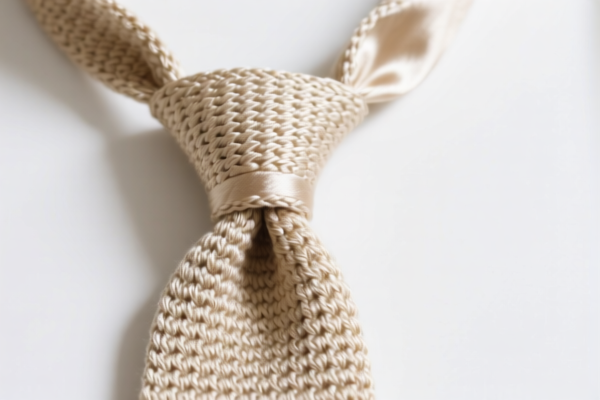
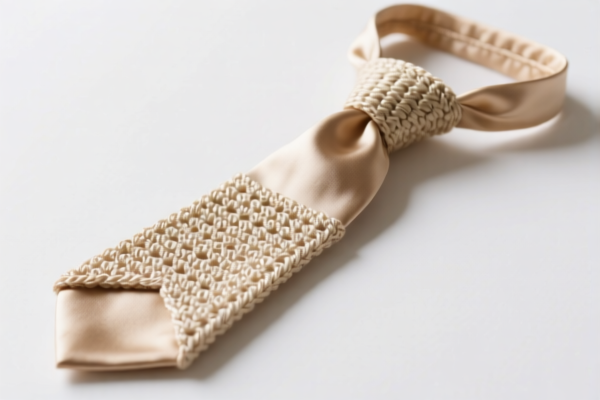
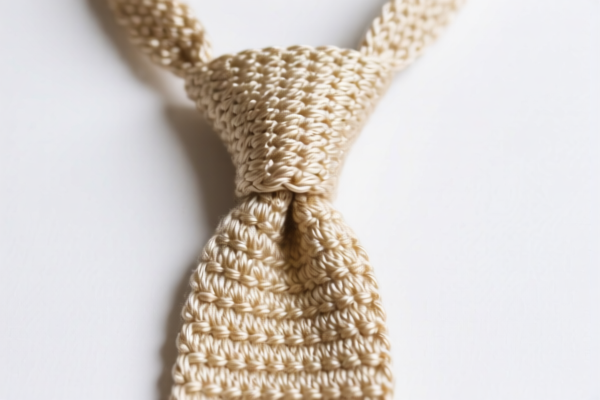
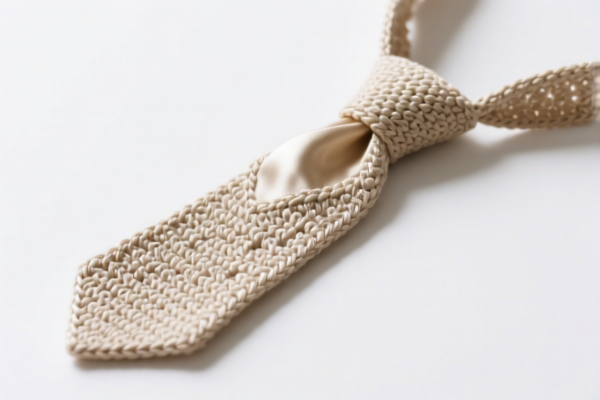
👶 Baby’s First Knit & Crochet Onesie (Boa Constrictor Style)
🌐 HS Code Reference & Customs Clearance Guide | 2026 Latest Tariff Analysis | Professional Strategy for "Crochet Onesie"
📌 Part I: Product Definition & Classification: Do You Really Know "Crochet Onesie"?
A Crochet Onesie is a one-piece garment for infants or toddlers, typically made from cotton, synthetic fibers, or other textile materials. In international trade, it is classified based on its construction method (knitted/crocheted vs. woven), material composition, and function (e.g., baby wear, swimwear, or general wear).
Key Distinctions: - Crocheted/Knitted Onesies (Ch. 61): These are flexible, stretchable garments made using yarn loops. They include infant sleepers, rompers, and bodysuits. - Woven Onesies (Ch. 62): These are made from woven fabric (non-stretchable by construction). They are less common for infant wear but may be used for structured costumes or specific outerwear. - Material Matters: The tax rate varies significantly depending on whether the material is Cotton, Artificial Fibers (Synthetic), or Other Textiles.
⚠️ Critical Classification Point:
- If the item is crocheted (looped yarn), it falls under Chapter 61 (Knitted/Crocheted).
- If it is woven (threaded fabric), it falls under Chapter 62.
- Misclassification Risk: Declaring a crocheted onesie as "woven" or vice versa can lead to incorrect duty rates (e.g., 7.3% vs. 32.0%) and customs delays.
📦 Part II: HS Code Classification Details (2026 Latest Tariff Authority Comparison)
| HS Code | Product Description | Material Inference | Total Tax Rate | Tax Breakdown |
|---|---|---|---|---|
6114.20.00.20 |
Crochet Beauty Onesie, matching form and use | Cotton | 28.3% | Base: 10.8% Section 301: 7.5% Section 122: 10% |
6114.30.20.10 |
Crochet Beauty Onesie, matching form and use | Artificial Fiber / Cotton Blend | 49.5% | Base: 32.0% Section 301: 7.5% Section 122: 10% |
6211.49.80.20 |
Crochet Beauty Onesie, form is onesie | Other Textile Material | 24.8% | Base: 7.3% Section 301: 7.5% Section 122: 10% |
6211.43.10.30 |
Crochet Beauty Onesie, form is onesie | Artificial Fiber / Textile Fiber | 33.5% | Base: 16.0% Section 301: 7.5% Section 122: 10% |
6104.49.90.60 |
Crochet Dress, matching form and use | Other Category Material | 23.1% | Base: 5.6% Section 301: 7.5% Section 122: 10% |
🔍 Key Insight:
- Chapter 61 (Knitted/Crocheted) items generally have higher base duties for artificial fibers (32.0%) but lower for cotton (10.8%).
- Chapter 62 (Woven) items have lower base duties for general textiles (7.3%-16.0%).
- Section 122 (10%) and Section 301 (7.5%) apply to all these codes for Chinese-origin goods, adding a fixed 17.5% surcharge on top of the base rate.
💰 Part III: 2026 Latest Tariff Rate Explanation (Including Surtaxes & Policy Add-ons)
✅ Applicable Country: United States (US)
✅ Origin: China (CN)
✅ Effective Date: 2025 November 10 onwards (including subsequent imports)
🎯 1. 6114.20.00.20 —— Crochet Beauty Onesie (Cotton)
| Item | Content |
|---|---|
| Base Duty | 10.8% (ad valorem) |
| Section 301 Surtax | +7.5% (US Trade Act) |
| Section 122 Surtax | +10% (Customs Enforcement) |
| Total Effective Rate | 28.3% |
| Tax Calculation | CIF Value × 28.3% |
| De Minimis Exemption | ❌ Not Applicable (Denied due to Section 122/301) |
| Legal Basis Path | Section 122:10% → Section 301:7.5% → USITC:6114.20.00.20 → Base:10.8% |
📌 Explanation:
- "Base Duty 10.8%": Standard duty for crocheted cotton baby garments under HTS 6114.20.
- "Section 301 7.5%": Tariffs on Chinese imports under the Trade Act of 1974.
- "Section 122 10%": Additional duty for enforcement of trade agreements or specific goods lists.
- Total 28.3%: This is a moderate-to-high rate for cotton items. Not as high as synthetic, but still significant.
🎯 2. 6114.30.20.10 —— Crochet Beauty Onesie (Artificial Fiber/Cotton)
| Item | Content |
|---|---|
| Base Duty | 32.0% (ad valorem) |
| Section 301 Surtax | +7.5% |
| Section 122 Surtax | +10% |
| Total Effective Rate | 49.5% |
| Tax Calculation | CIF Value × 49.5% |
| De Minimis Exemption | ❌ Not Applicable |
| Legal Basis Path | Section 122:10% → Section 301:7.5% → USITC:6114.30.20.10 → Base:32.0% |
📌 Note:
- Highest Base Rate: Artificial fibers carry a much higher base duty (32.0%) compared to cotton (10.8%).
- Total 49.5%: This is a very high tariff, nearly half the product value. Strongly recommend verifying material composition to avoid this rate.
🎯 3. 6211.49.80.20 —— Crochet Beauty Onesie (Other Textile)
| Item | Content |
|---|---|
| Base Duty | 7.3% (ad valorem) |
| Section 301 Surtax | +7.5% |
| Section 122 Surtax | +10% |
| Total Effective Rate | 24.8% |
| Tax Calculation | CIF Value × 24.8% |
| De Minimis Exemption | ❌ Not Applicable |
| Legal Basis Path | Section 122:10% → Section 301:7.5% → USITC:6211.49.80.20 → Base:7.3% |
📌 Insight:
- Lowest Total Rate (24.8%): This code offers the most cost-effective option if the product can be classified here.
- Woven Classification: This falls under Chapter 62 (Woven), which generally has lower base duties for non-cotton, non-synthetic textiles.
- Caution: Ensure the product is woven, not crocheted, to use this code. Misclassification risk is high.
🎯 4. 6211.43.10.30 —— Crochet Beauty Onesie (Artificial Fiber/Textile)
| Item | Content |
|---|---|
| Base Duty | 16.0% (ad valorem) |
| Section 301 Surtax | +7.5% |
| Section 122 Surtax | +10% |
| Total Effective Rate | 33.5% |
| Tax Calculation | CIF Value × 33.5% |
| De Minimis Exemption | ❌ Not Applicable |
| Legal Basis Path | Section 122:10% → Section 301:7.5% → USITC:6211.43.10.30 → Base:16.0% |
📌 Insight:
- Moderate-High Rate: Higher than the "Other Textile" code (24.8%) but lower than synthetic crocheted (49.5%).
- Mixed Material: Often used for blends or specific synthetic textiles in woven form.
🎯 5. 6104.49.90.60 —— Crochet Dress (Other Category)
| Item | Content |
|---|---|
| Base Duty | 5.6% (ad valorem) |
| Section 301 Surtax | +7.5% |
| Section 122 Surtax | +10% |
| Total Effective Rate | 23.1% |
| Tax Calculation | CIF Value × 23.1% |
| De Minimis Exemption | ❌ Not Applicable |
| Legal Basis Path | Section 122:10% → Section 301:7.5% → USITC:6104.49.90.60 → Base:5.6% |
📌 Insight:
- Lowest Base Duty (5.6%): If the product can be classified as a "Dress" rather than a "Onesie" or "Rompers," this offers the lowest base rate.
- Form Factor: Ensure the product fits the definition of a "Dress" (not a one-piece sleeper with snaps at the crotch). If it has closures for diaper changes, it may be classified as a "Onesie" (Chapter 61) instead.
🛠️ Part IV: Customs Clearance Practical Advice (Battle-Tested Pitfall Guide)
✅ 1. Required Documentation Checklist (Mandatory)
| Document | Must Provide | Description |
|---|---|---|
| ✅ Product Specification Sheet | ✔️ | Detail: Material composition (% cotton, % synthetic), construction method (crochet vs. weave), size, age range. |
| ✅ Product Photos (With Labels) | ✔️ | Clear images of the garment, including any care labels, brand tags, and closure types (snaps, zippers). |
| ✅ Composition Test Report | ✔️ | From an accredited lab (e.g., SGS, Intertek) confirming fiber content. Critical for avoiding 49.5% vs. 28.3% disputes. |
| ✅ Commercial Invoice | ✔️ | Clearly state: "Crochet Baby Onesie, 100% Cotton, Made in China." Avoid vague terms like "Baby Clothes." |
| ✅ Packing List | ✔️ | Confirm no mixed shipments with non-textile items that could trigger different classifications. |
| ✅ Certificate of Origin (CO) | ✔️ | To prove Chinese origin and apply applicable surtaxes. |
✅ 2. Declaration Tips (Key Mantra)
🔥 "Material First, Construction Second, Name Precise, Tax Saves!"
| Scenario | Correct Declaration | Wrong Action |
|---|---|---|
| 100% Cotton Crochet Onesie | 6114.20.00.20 (28.3%) |
Declare as synthetic → 49.5% |
| Polyester/Acrylic Crochet Onesie | 6114.30.20.10 (49.5%) |
Declare as cotton → Penalty + Back Tax |
| Woven Onesie (Cotton/Other) | 6211.49.80.20 (24.8%) |
Declare as crocheted → 28.3% (slightly higher) or 49.5% if synthetic |
| One-Piece Dress (No Diaper Snaps) | 6104.49.90.60 (23.1%) |
Declare as "Onesie" → 28.3% |
| Mixed Package (Onesie + Hat) | Declare as Onesie (dominant value) | Split declaration → Higher total tax |
✅ 3. Special Case Handling
| Scenario | Handling Advice |
|---|---|
| OEM Custom Baby Wear | Provide design sketches showing crochet construction and closure types. If it has crotch snaps, it’s a "Onesie" (Ch 61), not a "Dress" (Ch 61/62). |
| "Beauty Onesie" (Costume) | If the item is primarily for costume/play (not daily wear), ensure it’s still classified as clothing. If it’s a prop, it might fall under 9503 (Toys), but baby onesies are almost always Ch 61/62. |
| Material Ambiguity | If the label says "Knit" but it’s actually crocheted, do not use Ch 62. Crochet is explicitly under Ch 61. Misclassification leads to severe penalties. |
| High-Value Luxury Baby Wear | If the item is hand-crocheted with high-end materials, consider Advance Ruling from CBP to confirm the 5.6% base rate classification if possible. |
🌍 Part V: Global Market Clearance Comparison (2026 Latest)
| Country/Region | Recommended HS Code | Duty Rate (China Origin) | Certification Requirements | Notes |
|---|---|---|---|---|
| 🇺🇸 USA | 6114.20.00.20 (Cotton) |
28.3% | CPSIA, ASTM F963, Flammability | High Tax: Includes Section 122 + 301. |
| 🇪🇺 EU | 6111.30 (Baby Wear) |
0% - 12% | CE, REACH, EN 14682 (Cords) | No Section 301/122. Lower base rates. |
| 🇨🇳 China | 6111.30 |
8.5% | CCC (if applicable) | Low Duty. No surtaxes. |
| 🇦🇺 Australia | 6111.30 |
5% | ACMA (if electronic components) | Moderate Duty. No Section 122. |
| 🇯🇵 Japan | 6111.30 |
10% | JIS Standards | Moderate Duty. No Surtaxes. |
📌 Conclusion:
- USA is the most expensive market for baby textile imports due to Section 122 (10%) and Section 301 (7.5%) surcharges.
- EU and Asia offer significantly lower duty burdens (0-12%) but have strict safety/flammability standards (CPSIA in US, EN 14682 in EU).
- Strategy: For US market, optimize material composition (100% Cotton is cheaper than synthetic in Ch 61) and consider EU/Asia sourcing if possible to reduce tariff impact.
📌 Part VI: Common Errors & Pitfall Guide (Blood Lessons)
❌ Error 1: Declaring a Crochet Onesie as Woven (Ch 62)
👉 Consequence: Customs will reclassify as Ch 61, applying higher base duty (e.g., 32.0% for synthetic) and back taxes + penalties.
❌ Error 2: Mislabeling Cotton as Artificial Fiber
👉 Consequence: Paying 49.5% instead of 28.3%. Loss of $21.20 per $100 CIF value.
❌ Error 3: Using "Baby Dress" for a Onesie with Crotch Snaps
👉 Consequence: CBP may reject 6104.49.90.60 (Dress) and force 6114.20.00.20 (Onesie), leading to delays and re-filing fees.
❌ Error 4: Ignoring Section 122 (10%) in Costing
👉 Consequence: Underestimating landed cost by 10%, leading to negative margins.
✅ Correct Practice:
"Baby Onesie, Crochet, 100% Cotton, With Crotch Snaps, Model XYZ, CPSIA Compliant"
🎯 Part VII: Conclusion: Precision Classification Saves Money!
🎯 Remember the Mantra:
🔹 "Crochet = Ch 61, Woven = Ch 62"
🔹 "Cotton = 10.8%, Synthetic = 32.0% (Base)"
🔹 "Add 17.5% Surtax for US, Always!"
🔹 "Name It Right, Pay Less!"
📌 Pro Tip:
If your product is 100% Cotton and Crocheted, use 6114.20.00.20 (28.3%).
If you can design it as a Woven Cotton Onesie, use 6211.49.80.20 (24.8%) — Saving 3.5% per unit!
For Luxury/Non-Utility items, explore 6104.49.90.60 (23.1%) if it qualifies as a Dress (no crotch snaps).
📣 Immediate Action:
📞 Contact a Customs Broker + Provide Material Test Report + Apply for Advance Ruling
🚀 Ensure Your "Crochet Onesie" Passes US Customs Without Penalty!
✨ Professional Clearance, Starting with Accurate Classification!
💼 Every Percent Counts in Global Trade!
用户评价
关于 HS 编码归类
协调制度(HS)是由世界海关组织(WCO)制定的国际贸易商品分类标准。全球 200 多个国家采用 HS 系统作为海关关税、贸易统计和进出口监管的基础。
每个 HS 编码遵循以下层级结构:
- 章(2 位)——商品大类(例如:第 84 章:机器和机械设备)
- 品目(4 位)——章内的更具体分类
- 子目(6 位)——国际通用细分,所有 WCO 成员国统一使用
- 本国细分(8-10 位)——各国自行扩展的细分编码,如美国 HTSUS 10 位编码
正确的 HS 编码归类对于顺利通关、准确缴纳关税和遵守贸易法规至关重要。错误归类可能导致海关延误、多缴关税或罚款。
从CN进口到US时,适用的关税税率可能包括:
- 最惠国(MFN)税率——适用于 WTO 成员国的标准关税税率
- 普通税率——适用于无贸易协定国家
- 贸易救济关税——附加关税,如 301 条款(反倾销)、232 条款(国家安全)或反补贴税
本页内容仅供参考。如需正式归类,请咨询当地海关或持牌报关代理。