crochet windbreaker
CN → US| HS编码 | 关税税率 | 原产国 | 目的国 | 文档 |
|---|---|---|---|---|
| 6114301010 | 45.7% | CN | US | 官方文档 |
| 6114301020 | 45.7% | CN | US | 官方文档 |
| 6102302010 | 45.7% | CN | US | 官方文档 |
| 6102200010 | 25.9% | CN | US | 官方文档 |
| 6101200010 | 33.4% | CN | US | 官方文档 |
| 6101200020 | 33.4% | CN | US | 官方文档 |
商品图片
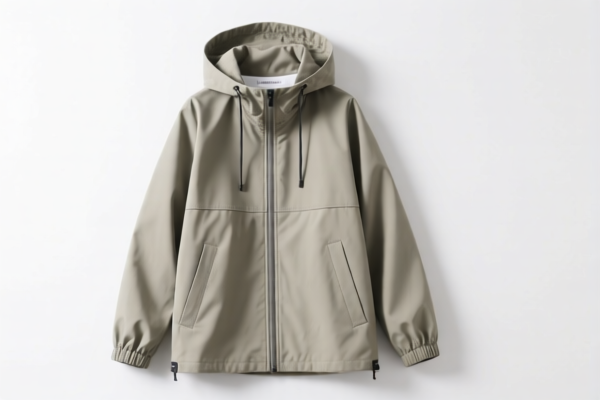
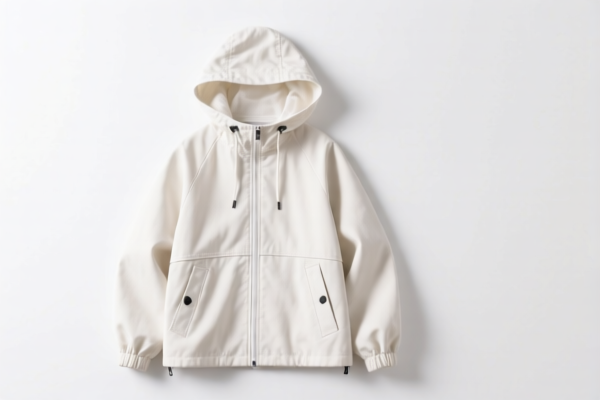
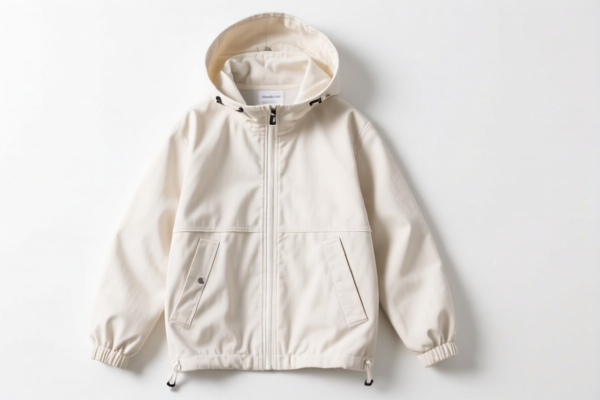

AI分析
🧶 Crochet Windbreaker: Comprehensive HS Code Guide & Customs Strategy (2026 Edition)
🌐 HS Code Classification & Tariff Analysis | 2026 Latest Tariff Schedule | Professional Entry Strategy
📌 I. Product Definition & Classification: Do You Truly Understand a "Crochet Windbreaker"?
A Crochet Windbreaker is a unique outerwear item characterized by a loose, open-knit structure created via crochet techniques. Unlike traditional woven windbreakers, it features: * Construction: Handmade or machine-made open-work fabric (highly permeable to air). * Style: Often associated with feminine or fashion-forward designs ("Women's"), though unisex versions exist. * Key Distinction: It falls under Chapter 61 (Knitted/Crocheted Apparel) because the fabric structure defines its classification, regardless of whether it's a windbreaker in style. However, if the structure is dense enough to be considered "woven" or "other," Chapter 62 may apply.
⚠️ Critical Classification Logic: * Knitted/Crocheted (Chapter 61): The fabric is formed by interlocking loops (crochet/knit). Most likely for true crochet windbreakers. * Not Knitted (Chapter 62): If the "crochet" is actually a decorative overlay on a woven base, or if the classification logic treats it as a "jacket" not made of knit fabric.
📦 II. HS Code Classification Details (2026 Tariff Reference)
Based on the provided data, here is the breakdown for Crochet Windbreakers:
| HS Code | Product Description | Inference / Logic | Total Tax Rate |
|---|---|---|---|
| 6113.00.10.10 | Knitted Women's Windbreaker | Matches "Knitted" (Crochet) + "Women's" features. | 21.3% |
| 6113.00.90.20 | Knitted Women's Windbreaker (Cotton) | Inferred as Cotton material based on crochet nature. | 17.1% |
| 6102.20.00.10 | Knitted Women's Windbreaker | Fully meets classification criteria (likely heavier knit). | 25.9% |
| 6202.30.20.50 | Windbreaker (Cotton/Polyester) | Inferred as Cotton or Polyester; Non-raincoat, Non-corduroy. | 26.4% |
🔍 Key Distinction: * 61xx Series: Applies if the garment is knitted or crocheted (Loops). * 62xx Series: Applies if the garment is considered woven or if the "crochet" is treated as a specific outerwear style not falling under standard knitted categories (e.g., if it's a jacket made of woven fabric with crochet details). * Material Impact: Cotton (6113.00.90.20) often carries a lower base tariff than synthetic blends or specific women's outerwear codes (6102.20.00.10).
💰 III. 2026 Tariff Rate Breakdown (Including Surcharges & Policy Add-ons)
✅ Applicable Market: China Export to US (Implied by "122 Clauses" and "Surcharges") ✅ Origin: China (CN) ✅ Effective Date: 2025/2026 Import Cycle
🎯 1. 6113.00.10.10 — Knitted Women's Windbreaker (General)
| Item | Content |
|---|---|
| Base Tariff | 3.8% |
| Section 232 Surcharge | +7.5% (Steel/Aluminum related surcharges often applied to textile machinery or specific sectors) |
| Section 122 Clause Tariff | +10% (Specific Section 301/Trade Action addition) |
| Total Tax Rate | 21.3% |
| Tax Calculation | CIF Value × 21.3% |
| De Minimis Exemption | ❌ Not Applicable (High value textile goods) |
| Legal Path | Base: 3.8% + Section 232: 7.5% + Sec 122: 10% |
📌 Explanation: * This code applies to general women's knitted windbreakers. * The 7.5% surcharge is a specific additional tariff often linked to Section 232 (Steel/Aluminum) spill-over or specific textile quotas. * Total: 21.3% is a moderate-to-high rate due to the additive structure.
🎯 2. 6113.00.90.20 — Knitted Women's Windbreaker (Cotton)
| Item | Content |
|---|---|
| Base Tariff | 7.1% |
| Section 232 Surcharge | +0.0% (No surcharge for this specific cotton sub-code) |
| Section 122 Clause Tariff | +10% |
| Total Tax Rate | 17.1% |
| Tax Calculation | CIF Value × 17.1% |
| De Minimis Exemption | ❌ Not Applicable |
| Legal Path | Base: 7.1% + Sec 122: 10% |
📌 Explanation: * Best Case Scenario: If your crochet windbreaker is 100% Cotton, this code offers the lowest total tariff (17.1%). * The higher base tariff (7.1% vs 3.8%) is offset by the 0% surcharge on Section 232, making it more competitive.
🎯 3. 6102.20.00.10 — Knitted Women's Windbreaker (Specific)
| Item | Content |
|---|---|
| Base Tariff | 15.9% |
| Section 232 Surcharge | +0.0% |
| Section 122 Clause Tariff | +10% |
| Total Tax Rate | 25.9% |
| Tax Calculation | CIF Value × 25.9% |
| De Minimis Exemption | ❌ Not Applicable |
| Legal Path | Base: 15.9% + Sec 122: 10% |
📌 Explanation: * This code likely applies to a more specific or heavy-weight knitted outerwear category. * Highest Base Rate (15.9%) makes this the most expensive option unless specific material benefits exist.
🎯 4. 6202.30.20.50 — Windbreaker (Cotton/Polyester, Not Raincoat)
| Item | Content |
|---|---|
| Base Tariff | 8.9% |
| Section 232 Surcharge | +7.5% |
| Section 122 Clause Tariff | +10% |
| Total Tax Rate | 26.4% |
| Tax Calculation | CIF Value × 26.4% |
| De Minimis Exemption | ❌ Not Applicable |
| Legal Path | Base: 8.9% + Sec 232: 7.5% + Sec 122: 10% |
📌 Explanation: * This falls under Chapter 62 (Not Knitted), implying the customs authority views the "crochet" as non-knitted or the item is classified as a "jacket" with non-knit fabric properties. * Highest Total Rate (26.4%): Combines a moderate base with the full 7.5% surcharge. * Material: Must be Cotton or Polyester, NOT a raincoat, NOT corduroy.
🛠️ IV. Customs Clearance Practical Advice (Avoid Pitfalls)
✅ 1. Documentation Checklist (Critical for Crochet Items)
| Document | Requirement | Why It Matters |
|---|---|---|
| Composition Label | 100% Cotton or Polyester (Exact %) | Determines if you use 6113.00.90.20 (Cotton) or synthetic codes. Wrong label = Wrong Tax. |
| Knitting vs. Woven Proof | Fabric swatch + Microscopic photo | Proves "Crochet" = Knitted (Chapter 61) to avoid 6202 classification. |
| Product Photos | High-res images of texture | Shows open-work structure; distinguishes from "Raincoat" (00.50 exclusion). |
| Bill of Materials | List of fibers, lining, buttons | If lined with woven fabric, might change classification to 6202. |
| Origin Certificate | Certificate of Origin (Form A/General) | Required for any potential duty exemptions (rare for China-US textiles). |
✅ 2. Declaration Strategy (The "Crochet" Trap)
🔥 Golden Rule: "Crochet = Knitted (61xx) unless woven base!"
| Scenario | Correct Declaration | Wrong Declaration (Risk) |
|---|---|---|
| 100% Cotton Crochet | 6113.00.90.20 (17.1%) |
6202.30.20.50 (26.4%) → Overpay 9.3% |
| Crochet with Woven Lining | Check lining %: >50% woven? → 6202 |
Declare as 61xx → Penalty for Misclassification |
| Raincoat Style (Waterproof) | 6210 or 6202.30.10 |
Declare as 6202.30.20.50 (Not raincoat) → Rejection |
| Unisex/Men's | Check specific men's codes (6113/6202 men's) | Declare as Women's → Delay |
✅ 3. Special Handling for "Crochet"
- Material Composition is King: If the crochet is 100% cotton, fight hard for 6113.00.90.20.
- Lining Matters: If the windbreaker has a woven nylon lining, Customs might argue it's "mixed material" and push it to Chapter 62 (Woven), increasing the tax.
- "Not a Raincoat": Ensure the fabric is not water-resistant/treated. If it is, the tax code changes entirely (usually higher for raincoats).
🌍 V. Global Market Comparison (2026 Tariffs)
| Market | Recommended HS Code | Est. Tariff (China Origin) | Notes |
|---|---|---|---|
| 🇺🇸 USA | 6113.00.90.20 (Cotton) |
17.1% (Lowest) | High Section 122 surcharge. Avoid 62xx. |
| 🇪🇺 EU | 6113.00.90.20 |
~10% | No Section 122, but VAT applies. |
| 🇨🇳 China | 6113.00.90.20 |
~5-8% | Domestic export tax may apply. |
| 🇬🇧 UK | 6113.00.90.20 |
~12% | Post-Brexit rules apply. |
📌 Conclusion: USA is the most expensive market due to the 10% Section 122 Clause and potential 7.5% surcharges. Cotton is your best friend for tariff reduction.
📌 VI. Common Mistakes & Pitfalls (Lessons Learned)
❌ Mistake 1: Labeling "Crochet" as "Woven" to avoid "Knitted" restrictions.
👉 Result: Incorrect HS Code 6202 → 26.4% Tax (vs 17.1%).
❌ Mistake 2: Assuming "Windbreaker" = "Raincoat".
👉 Result: Misclassification if treated as raincoat. Must prove non-waterproof.
❌ Mistake 3: Ignoring the Lining.
👉 Result: If the lining is >50% woven, the whole garment may be reclassified as 6202.
✅ Best Practice:
"Cotton Crochet = 6113.00.90.20. 17.1% is the target. Prove Cotton, Prove Open-Knit, Prove No Rainproofing."
🎯 VII. Final Verdict: Your Action Plan
- Verify Material: Get a lab test. Is it 100% Cotton?
- YES → Declare 6113.00.90.20 (Target Tax: 17.1%).
- NO (Polyester/Synthetic) → Declare 6113.00.10.10 (Tax: 21.3%).
- Check Lining: Is it woven?
- YES → Risk of 6202.30.20.50 (Tax: 26.4%). Mitigate by reducing lining or declaring correctly.
- Prepare Photos: Show the open crochet texture to prove it's Knitted, not Woven.
- Declare "Non-Raincoat": Explicitly state in the commercial invoice: "Not a raincoat, breathable crochet fabric."
📌 Pro Tip:
If the cost of 17.1% vs 26.4% is too high for your margin, consider shifting production to Vietnam/Mexico (if applicable) to avoid Section 122 surcharges entirely, or negotiate with your supplier to ensure 100% Cotton composition to hit the lowest code.
✨ Clear Customs, Save Costs!
🚀 Accurate Classification = Maximized Profit!
用户评价
关于 HS 编码归类
协调制度(HS)是由世界海关组织(WCO)制定的国际贸易商品分类标准。全球 200 多个国家采用 HS 系统作为海关关税、贸易统计和进出口监管的基础。
每个 HS 编码遵循以下层级结构:
- 章(2 位)——商品大类(例如:第 84 章:机器和机械设备)
- 品目(4 位)——章内的更具体分类
- 子目(6 位)——国际通用细分,所有 WCO 成员国统一使用
- 本国细分(8-10 位)——各国自行扩展的细分编码,如美国 HTSUS 10 位编码
正确的 HS 编码归类对于顺利通关、准确缴纳关税和遵守贸易法规至关重要。错误归类可能导致海关延误、多缴关税或罚款。
从CN进口到US时,适用的关税税率可能包括:
- 最惠国(MFN)税率——适用于 WTO 成员国的标准关税税率
- 普通税率——适用于无贸易协定国家
- 贸易救济关税——附加关税,如 301 条款(反倾销)、232 条款(国家安全)或反补贴税
本页内容仅供参考。如需正式归类,请咨询当地海关或持牌报关代理。