custom leather polishing belt
CN → US| HS编码 | 关税税率 | 原产国 | 目的国 | 文档 |
|---|---|---|---|---|
| 6805100000 | 35.0% | CN | US | 官方文档 |
| 6805301000 | 35.0% | CN | US | 官方文档 |
| 6805301000 | 35.0% | CN | US | 官方文档 |
商品图片
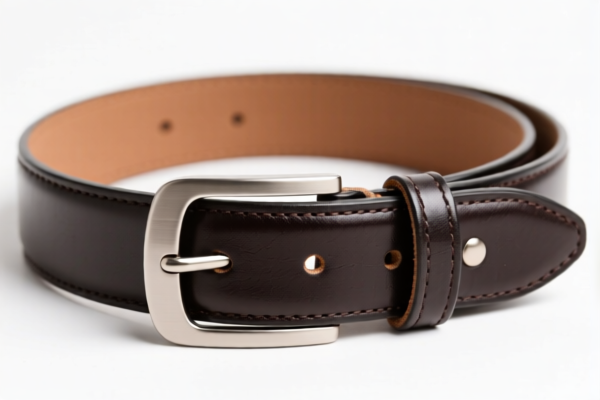
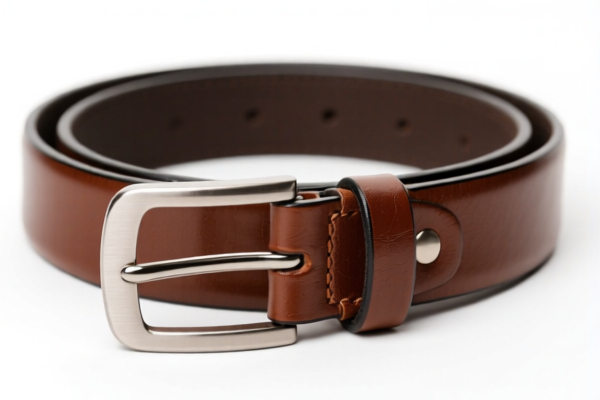
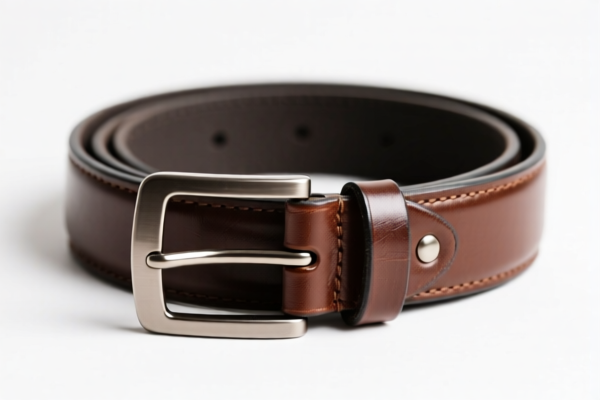
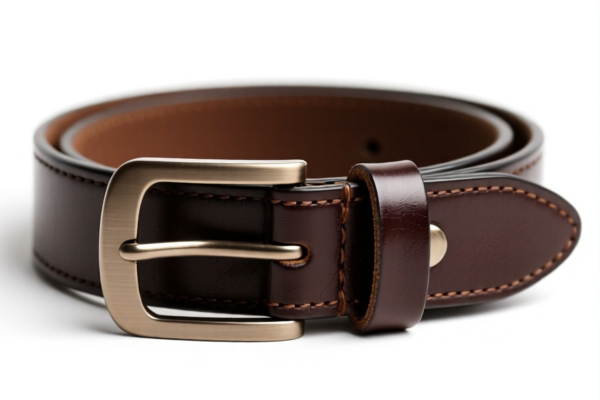
AI分析
🧤 Professional Leather Polishing Belts (Abrasive Belts)
🌐 HS Code Reference & Customs Clearance Guide | 2026 Latest Tariff Analysis | Precision Clearance Strategy
📌 I. Product Definition & Classification: What Exactly is a "Leather Polishing Belt"?
In international trade, Leather Polishing Belts are specialized abrasive tools. They are not raw materials, but finished products designed for surface finishing. They consist of a leather (or leather-like) backing coated with an abrasive material.
Key Characteristics: * Form: Continuous loop or end-less belt. * Base Material: Leather, synthetic leather, or similar supportive backing. * Function: Polishing, grinding, or deburring surfaces (typically leather, wood, or metal). * Classification Core: Because they are coated with abrasive material and used for grinding/polishing, they fall under Chapter 68 (Articles of Stone, Plaster, Cement, Asbestos, Mica or Similar Materials) rather than Chapter 46 (Leather).
⚠️ Critical Distinction:
- If the item is just leather without abrasive coating → It is raw material (Chapter 41/42).
- If the item is leather + abrasive coating for polishing → It is an abrasive article (Chapter 68).
- Do not confuse with "Cleaning Cloths": These are industrial tools, not household cleaning supplies.
📦 II. HS Code Classification Details (2026 Latest Tariff Concordance)
Based on the specific structure of the product (leather backing + abrasive function), the goods are classified under two main subheadings within 6805.10 and 6805.30.
| HS Code | Product Description | Applicability | Key Feature |
|---|---|---|---|
6805.10.00.00 |
Professional Leather Polishing Belts | High-end industrial polishing | Base is leather; specific use for professional polishing. |
6805.30.10.00 |
Abrasive Belts on Other Bases | General industrial abrasive belts | Includes belts on leather, synthetic, or cloth bases coated with abrasive. |
🔍 Key Reminder:
- Both codes fall under 6805 ("Grinding stones, abrasive hand tools... and similar articles for grinding, polishing, polishing, cutting or shaping...").
-6805.10is specific to certain abrasive articles (often interpreted as specific industrial formats).
-6805.30covers other abrasive articles on bases other than wood or paper (including leather/synthetic).
- Note: In some interpretations, if the leather is the primary component and the abrasive is minor, it might be misclassified, but for polishing belts, the abrasive function dominates, placing them firmly in Chapter 68.
💰 III. 2026 Latest Tariff Rate Details (Including Surcharges & Policy Add-ons)
✅ Applicable Country: United States (US)
✅ Origin: China (CN)
✅ Effective Date: As of current trade policies (2025-2026)
🎯 1. HS Codes 6805.10.00.00 & 6805.30.10.00
Both codes attract the same total tax rate under current US-China trade relations.
| Item | Content |
|---|---|
| Base Tariff Rate | 0.0% (ad valorem) |
| Section 301 Additional Tariff | +25.0% (Due to USITC Footnote) |
| Section 122 Tariff | +10.0% (Specific trade policy add-on) |
| Total Tax Rate | 35.0% |
| Tax Calculation | CIF Value × 35% |
| De Minimis Exemption | ❌ Not Applicable (Cannot use $800 de minimis for these goods from China) |
| Legal Basis Path | Section 301 → Section 122 → HS: 6805.10/6805.30 |
📌 Explanation:
- "Base 0%": The standard Most Favored Nation (MFN) rate for abrasive articles is often 0% or very low.
- "Section 301 (+25%)": This is the primary "Trade War" tariff on Chinese goods. Abrasive belts are widely included in the Chinese goods list subject to 301 tariffs.
- "Section 122 (+10%)": This refers to specific recent trade measures or statutory additional duties applied to certain industrial goods.
- Total 35%: This is a high tariff burden. Importers must factor this into their landed cost.
🛠️ IV. Customs Clearance Practical Advice (Avoid Pitfalls)
✅ 1. Required Documentation Checklist
| Document | Mandatory? | Notes |
|---|---|---|
| ✅ Product Specification Sheet | ✔️ | Must clearly state: "Abrasive Belt," "Leather Backing," "Grinding/Polishing Purpose." |
| ✅ Commercial Invoice | ✔️ | Describe as "Leather Polishing Belt" or "Abrasive Belt on Leather Base." Avoid vague terms like "Leather Parts." |
| ✅ Packing List | ✔️ | Ensure quantity matches invoice. |
| ✅ Origin Certificate (CO) | ✔️ | Confirm origin is China. If from Vietnam/Thailand, check for transshipment rules. |
| ✅ Photos of Product | ✔️ | Show the abrasive side and the leather backing to prove it's an abrasive tool, not just leather. |
| ✅ HS Code Pre-Ruling (Optional but Recommended) | ✔️ | Given the 35% rate, a binding ruling can prevent disputes. |
✅ 2. Declaration Tips (Key Mnemonics)
🔥 "Abrasive Function First, Leather is Backing, Name Precisely, Taxes Clear!"
| Scenario | Correct Declaration | Incorrect Practice |
|---|---|---|
| Belt with abrasive coating on leather | HS 6805.10.00.00 / 6805.30.10.00 | Declare as "Leather Goods" (HS 4202) → Misclassification Risk |
| Raw leather sheet (no abrasive) | HS 4112/4113 | Declare as "Polishing Belt" → Rejected |
| Sandpaper on paper backing | HS 6805.20 | Declare as "Leather Belt" → Wrong Material |
📌 Warning:
- If you declare this as "Leather Apparel" or "Leather Accessories" (Chapter 42), the tariff might be different, but Customs will reject it because it lacks the "apparel/accessory" function and has a clear abrasive/industrial function.
- The abrasive nature dictates the classification under Chapter 68, not Chapter 41/42.
✅ 3. Special Handling
| Situation | Recommendation |
|---|---|
| Mixed Shipments | If leather polishing belts are mixed with non-abrasive leather goods, declare separately. Mixing can lead to audit of the entire shipment. |
| Samples | Even for samples, if declared as commercial goods, the 35% rate applies. Use proper "Sample" value declaration if allowed, but still subject to duties. |
| Re-export | If the goods are processed further in a third country, ensure the "Substantial Transformation" rule is met to change origin. |
🌍 V. Global Market Comparison (2026 Latest)
| Country/Region | Recommended HS Code | Tariff Rate (China Origin) | Notes |
|---|---|---|---|
| 🇺🇸 USA | 6805.10.00.00 / 6805.30.10.00 |
35.0% (Base 0% + 301 25% + 122 10%) | High cost due to trade policies. |
| 🇨🇳 China | 6805.10/30 | ~7-10% | Import tariff for abrasive tools. |
| 🇪🇺 EU | 6805.10/30 | ~4.5% | No Section 301 equivalent, but anti-dumping may apply to some abrasives. |
| 🇲🇽 Mexico | 6805.10/30 | ~0-5% (USMCA if eligible) | Check if leather backing qualifies for regional value content. |
| 🇻🇳 Vietnam | 6805.10/30 | ~0% (if originating) | Potential supply chain shift to avoid 35% US tariff. |
📌 Conclusion:
- The USA is the most expensive market for these goods due to the 35% total tariff.
- Supply Chain Diversification (e.g., manufacturing in Vietnam or Mexico) is a common strategy to mitigate this cost, provided the Rules of Origin are strictly followed.
📌 VI. Common Mistakes & Pitfalls (Lessons Learned)
❌ Mistake 1: Declaring as "Leather Belt" (HS 4202)
👉 Consequence: Customs flags for misclassification. Requires re-declaration, potential fines, and delay. The product is not an accessory but a tool.
❌ Mistake 2: Ignoring the "Section 122" tariff
👉 Consequence: Underestimating landed cost. The 10% add-on is often overlooked by importers focusing only on Section 301.
❌ Mistake 3: Using vague descriptions like "Leather Strip"
👉 Consequence: Customs requests additional info, leading to customs holds and storage fees.
❌ Mistake 4: Assuming De Minimis ($800) applies
👉 Consequence: For goods from China, Section 301 and 122 tariffs generally bypass the de minimis exemption. Do not rely on this for cost calculation.
✅ Correct Approach:
"Leather Polishing Belt, Abrasive Coated, Industrial Use, HS 6805.10.00.00/6805.30.10.00, Origin: China"
🎯 VII. Conclusion: Precision Classification, Cost Control, Smooth Clearance!
🎯 Remember the Mnemonic:
🔹 "Abrasive on Leather? Chapter 68! No Leather Chapter 42!"
🔹 "35% Total Tax in US: Base 0% + 301 25% + 122 10%!"
🔹 "Accurate Description Saves Time, Misclassification Costs Money!"
📌 Pro Tip:
If you are importing large volumes into the US, consider:
1. Applying for a Section 301 Exclusion (if applicable, though rare for abrasives).
2. Shifting Supply Chain to Vietnam/Mexico/India to leverage lower tariff rates.
3. Pre-Clearance Consulting with a licensed customs broker to verify the exact HS code fit for your specific product design.
📣 Take Action Now:
📞 Contact a Customs Broker + Provide Product Photos + Verify HS Code
🚀 Ensure Smooth Customs Clearance, Minimize Tax Burden, Maximize Profit!
✨ Professional Clearance Starts with Accurate Classification!
💼 Every Dollar of Duty is a Dollar of Profit Lost!
用户评价
关于 HS 编码归类
协调制度(HS)是由世界海关组织(WCO)制定的国际贸易商品分类标准。全球 200 多个国家采用 HS 系统作为海关关税、贸易统计和进出口监管的基础。
每个 HS 编码遵循以下层级结构:
- 章(2 位)——商品大类(例如:第 84 章:机器和机械设备)
- 品目(4 位)——章内的更具体分类
- 子目(6 位)——国际通用细分,所有 WCO 成员国统一使用
- 本国细分(8-10 位)——各国自行扩展的细分编码,如美国 HTSUS 10 位编码
正确的 HS 编码归类对于顺利通关、准确缴纳关税和遵守贸易法规至关重要。错误归类可能导致海关延误、多缴关税或罚款。
从CN进口到US时,适用的关税税率可能包括:
- 最惠国(MFN)税率——适用于 WTO 成员国的标准关税税率
- 普通税率——适用于无贸易协定国家
- 贸易救济关税——附加关税,如 301 条款(反倾销)、232 条款(国家安全)或反补贴税
本页内容仅供参考。如需正式归类,请咨询当地海关或持牌报关代理。