decorative composite panel
CN → US| HS编码 | 关税税率 | 原产国 | 目的国 | 文档 |
|---|---|---|---|---|
| 4410110030 | 35.0% | CN | US | 官方文档 |
| 4410110020 | 35.0% | CN | US | 官方文档 |
| 7610900040 | 90.7% | CN | US | 官方文档 |
| 7610900080 | 90.7% | CN | US | 官方文档 |
商品图片
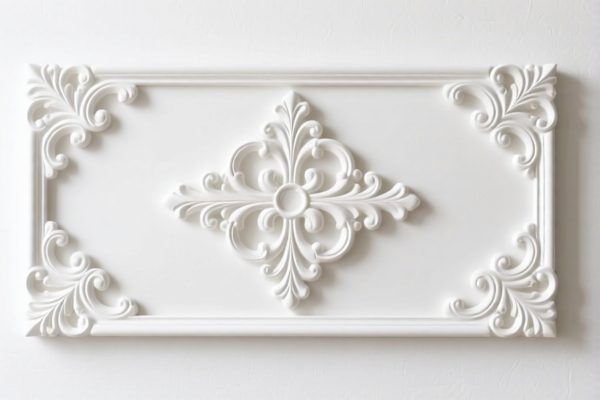
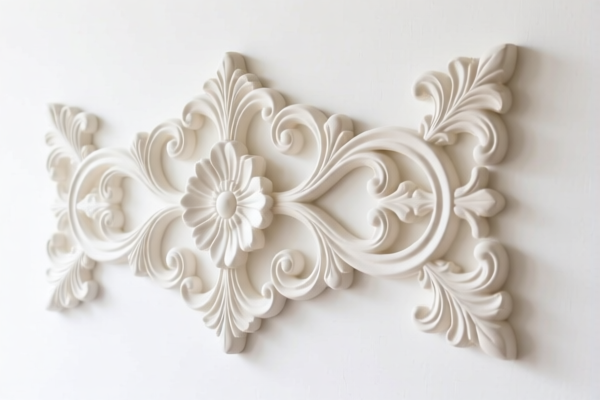
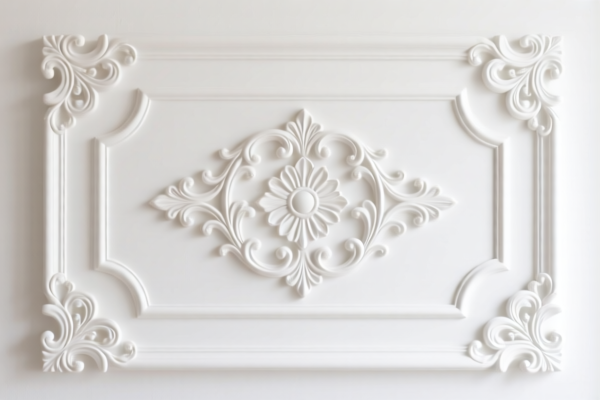
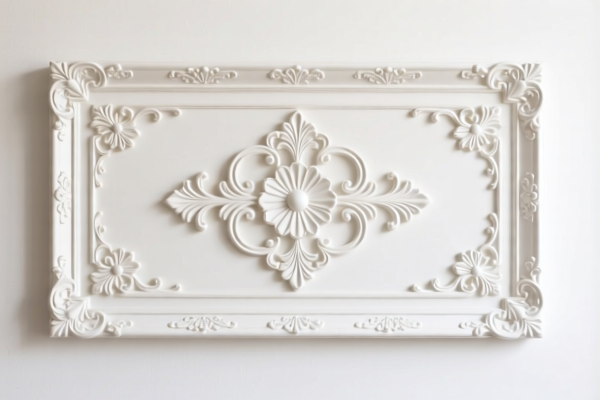
AI分析
🏗️ Decorative Composite Panels (Aluminum & Wood-Based)
🌐 HS Code Reference & Customs Clearance Guide | 2026 Latest Tariff Analysis | Professional Clearance Strategy
📌 I. Product Definition & Classification: Do You Really Understand "Decorative Composite Panels"?
In international trade, "Decorative Composite Panels" is a broad term that usually falls into two distinct categories based on material and application:
- Aluminum Architectural/Ornamental Work: Aluminum structures, parts of structures (roofs, facades, balustrades), and prepared aluminum profiles used for decorative or structural purposes. These are typically rigid, metallic, and used in construction.
- Wood-Based Composite Boards (Particle Board/OSB): Engineered wood products, often surface-covered with decorative laminates (plastic or melamine), used for interior furniture, cabinetry, or wall paneling.
⚠️ Key Distinction Point:
- If the panel is metallic (Aluminum) and prepared for use in structures (like cladding, ceilings, or balustrades) → Classified under Chapter 76.
- If the panel is wood-based and covered with decorative laminates → Classified under Chapter 44.
📦 II. HS Code Classification Details (2026 Latest Tariff Authority Match)
Based on the provided data, here are the specific HS Codes for "Decorative Composite Panels" depending on the material:
| HS Code | Product Description | Material Type | Application Scenario |
|---|---|---|---|
7610.90.00.40 |
Aluminum structures... Other: Other Architectural and ornamental work | Aluminum | Aluminum cladding, decorative facades, metal ceiling panels, ornamental balustrades. |
7610.90.00.80 |
Aluminum structures... Other: Other Other | Aluminum | Other aluminum structural parts prepared for structures not specifically listed in .40 (e.g., custom metal frames). |
4410.11.00.30 |
Particle board... Surface-covered with decorative laminates of plastic | Wood (Particle Board) | Melamine-faced particle board, plastic-laminated MDF/Particle board for furniture or interior walls. |
4410.11.00.20 |
Particle board... Surface-covered with melamine-impregnated paper | Wood (Particle Board) | Melamine-faced boards, commonly used for kitchen cabinets, office furniture, and interior decorative walls. |
🔍 Important Note:
- Aluminum Panels: If they are "prepared for use in structures" (e.g., pre-drilled, pre-cut for installation), they fall under 7610.90. Even if used decoratively (e.g., exterior cladding), they are not classified as simple "plates" but as "structures/parts." - Wood Panels: If it is particle board covered with a plastic laminate (rigid sheet), use4410.11.00.30. If covered with melamine-impregnated paper (thin layer), use4410.11.00.20. Misclassification here can lead to duty discrepancies.
💰 III. 2026 Latest Tariff Rate Details (Including Surcharges)
✅ Applicable Country: United States (US)
✅ Origin: China (CN)
✅ Effective Time: Current policies apply (Section 301 & IEEPA)
🎯 1. Aluminum Decorative Panels (7610.90.00.40 / 7610.90.00.80)
| Item | Content |
|---|---|
| Base Tariff | 5.7% |
| Section 301 Tariff | +25.0% (Specific to Steel, Aluminum, Copper products from China) |
| Additional USITC Surcharge | +50% (As per data: "Steel, Aluminum, Copper products additional tariff: 50%") |
| Total Tariff Rate | 80.7% |
| Tax Calculation | CIF Value × 80.7% |
| De Minimis Exemption | ❌ Not Applicable (High tariff items are generally excluded from Section 321 de minimis benefits for commercial imports) |
| Legal Basis Path | USITC: 7610.90.00.40/80 → Section 301 → Additional Surcharge |
📌 Explanation:
- Aluminum products from China face extremely high tariffs due to the combination of base duties, Section 301 tariffs, and additional surcharges for steel/aluminum/copper. - The 80.7% rate is a critical cost factor. Importers must carefully evaluate if the value-add justifies this duty burden. - Note: "Structural aluminum" definitions are broad. Even "decorative" aluminum panels prepared for installation (e.g., with mounting holes) are classified here.
🎯 2. Wood-Based Decorative Panels (4410.11.00.30 / 4410.11.00.20)
| Item | Content |
|---|---|
| Base Tariff | 0.0% |
| Section 301 Tariff | +25.0% |
| Total Tariff Rate | 25.0% |
| Tax Calculation | CIF Value × 25.0% |
| De Minimis Exemption | ❌ Not Applicable (Standard for Section 301 goods) |
| Legal Basis Path | USITC: 4410.11.00.20/30 → Section 301 |
📌 Explanation:
- Wood-based composite boards have a 0% base tariff, but the 25% Section 301 surcharge still applies to Chinese-origin wood products. - The distinction between4410.11.00.20(melamine paper) and4410.11.00.30(plastic laminate) does not affect the tariff rate (both are 25%), but it is crucial for accurate customs declaration and regulatory compliance (e.g., formaldehyde emissions standards).
🛠️ IV. Customs Clearance Practical Advice (Real-World Pitfall Avoidance Guide)
✅ 1. Document Checklist (Non-negotiable)
| Document | Required? | Description |
|---|---|---|
| ✅ Product Specification Sheet | ✔️ | Must clearly state material composition (e.g., "Aluminum Alloy 6063" or "Particle Board with Melamine Finish"). |
| ✅ Technical Drawings/Photos | ✔️ | For aluminum: Show mounting features, finishes, and dimensions. For wood: Show core material and surface layer. |
| ✅ Commercial Invoice | ✔️ | Must explicitly describe goods as "Aluminum Decorative Panel" or "Decorative Particle Board," not just "Panel." |
| ✅ Certificate of Origin (CO) | ✔️ | To prove Chinese origin (which triggers the 25% or 80.7% duty). |
| ✅ Formaldehyde Emission Certificate | ✔️ | For wood panels (4410.11): CARB Phase 2 or EPA TSCA Title VI compliance is mandatory for US import. |
| ✅ Bill of Lading | ✔️ | Ensure HS Codes are correctly referenced. |
✅ 2. Declaration Tips (Key Mantras)
🔥 "Material First, Application Second, Description Precise!"
| Scenario | Correct Declaration | Common Mistake |
|---|---|---|
| Aluminum Facade Panel | "Aluminum Architectural Ornamental Work, HS 7610.90.00.40" | Describing as "Aluminum Plate" (HS 7606/7607) → Lower duty but risk of misclassification penalty. |
| Melamine Particle Board | "Particle Board, Surface-covered with Melamine-Impregnated Paper, HS 4410.11.00.20" | Describing as "Wood Veneer" or "Laminate Sheet" → Incorrect HS Code. |
| Plastic-Laminated Board | "Particle Board, Surface-covered with Decorative Plastic Laminate, HS 4410.11.00.30" | Describing as "Furniture Part" → May be reclassified. |
📌 Critical Advice:
- Do NOT declare aluminum decorative panels as "Aluminum Plates" (7606/7607) to avoid the 80.7% tariff. If they are prepared for structures (e.g., pre-cut, pre-drilled), they must go under 7610. Misdeclaration leads to severe penalties. - Do NOT mix melamine paper and plastic laminate descriptions. While the duty is the same, the HS Code subheading must match the surface material.
✅ 3. Special Cases
| Scenario | Handling Advice |
|---|---|
| Aluminum Panels with Wood Core (Sandwich) | If the aluminum is the essential character, it may still fall under 7610. Consult a specialist. |
| Wood Panels with Aluminum Edging | If wood is the core, it likely falls under 4410. However, if aluminum components dominate, it may shift to 7610. |
| Import for Residential vs. Commercial | Tariffs are the same, but wood panels require stricter environmental compliance (CARB/EPA) for residential use. |
🌍 V. Global Market Comparison (2026)
| Country/Region | Recommended HS Code | Tariff (China Origin) | Certification Required | Notes |
|---|---|---|---|---|
| 🇺🇸 USA | 7610.90.00.40 / 4410.11.00.20 |
80.7% (Alu) / 25% (Wood) | EPA TSCA (Wood), FCC (if electronic) | High tariffs on aluminum; strict environmental rules on wood. |
| 🇨🇳 China | 7610.90 / 4410.11 |
0-5% | CCC (if applicable) | Low tariffs, but strict environmental standards for wood exports. |
| 🇪🇺 EU | 7610.90 / 4410.11 |
0-5% | CE, FSC (Wood) | No Section 301-style tariffs, but anti-dumping duties may apply to some aluminum. |
| 🇬🇧 UK | 7610.90 / 4410.11 |
0-5% | UKCA | Post-Brexit rules apply. |
📌 Conclusion:
- USA is the most challenging market for Chinese composite panels due to the 80.7% aluminum tariff and 25% wood tariff. - Strategy: Consider supply chain diversification (e.g., sourcing aluminum from Vietnam/Mexico if feasible) or focus on high-margin wood products where the tariff is lower (25% vs 80.7%).
📌 VI. Common Errors & Pitfalls (Lessons Learned)
❌ Error 1: Declaring aluminum decorative panels as "Aluminum Sheets" (7606)
👉 Consequence: If customs determines they are "prepared for structures" (e.g., pre-drilled for mounting), they will reclassify to 7610 → Back taxes + penalties + interest.
❌ Error 2: Mixing up melamine paper (4410.11.00.20) and plastic laminate (4410.11.00.30)
👉 Consequence: While the duty is the same, incorrect HS Code can lead to documentary rejection or inspection delays.
❌ Error 3: Ignoring EPA CARB compliance for wood panels
👉 Consequence: Seizure and destruction of goods at the border. Wood-based composite panels must comply with TSCA Title VI.
❌ Error 4: Under-declaring value of aluminum panels to reduce 80.7% duty
👉 Consequence: Civil fraud penalties, criminal charges, and blacklisting.
✅ Correct Approach:
"Aluminum Decorative Facade Panel, Pre-cut, Anodized Finish, for Commercial Building Exterior, HS 7610.90.00.40"
"Melamine-Faced Particle Board, E0 Grade, for Kitchen Cabinetry, HS 4410.11.00.20, CARB Phase 2 Compliant"
🎯 VII. Conclusion: Professional Declaration, Cost Control, Compliance
🎯 Remember the Mantra:
🔹 "Aluminum: 80.7% Pain, Wood: 25% Gain, Description is Key!"
🔹 "HS Code Determines Duty, Misclassification Costs More Than Duty!"
📌 Tips:
- For Aluminum Panels: Engage a customs broker to pre-classify to ensure you are not accidentally declaring as "Plates" (which may be challenged later).
- For Wood Panels: Ensure you have CARB/EPA certification documents ready before shipment.
- Cost Calculation: For aluminum, factor in the 80.7% duty. For wood, factor in 25%.
- Alternative: If possible, explore substantial transformation in third countries (e.g., Mexico) to avoid US Section 301 tariffs, but ensure origin rules are met.
📣 Immediate Action:
📞 Contact a Licensed Customs Broker
📄 Prepare Product Samples & Technical Drawings
🚀 Apply for HS Code Pre-Ruling if Possible
💼 Your Bottom Line Depends on Accurate Classification!
✨ Professional Clearance Starts with Precision!
💼 Every Dollar Saved is a Dollar Earned!
用户评价
关于 HS 编码归类
协调制度(HS)是由世界海关组织(WCO)制定的国际贸易商品分类标准。全球 200 多个国家采用 HS 系统作为海关关税、贸易统计和进出口监管的基础。
每个 HS 编码遵循以下层级结构:
- 章(2 位)——商品大类(例如:第 84 章:机器和机械设备)
- 品目(4 位)——章内的更具体分类
- 子目(6 位)——国际通用细分,所有 WCO 成员国统一使用
- 本国细分(8-10 位)——各国自行扩展的细分编码,如美国 HTSUS 10 位编码
正确的 HS 编码归类对于顺利通关、准确缴纳关税和遵守贸易法规至关重要。错误归类可能导致海关延误、多缴关税或罚款。
从CN进口到US时,适用的关税税率可能包括:
- 最惠国(MFN)税率——适用于 WTO 成员国的标准关税税率
- 普通税率——适用于无贸易协定国家
- 贸易救济关税——附加关税,如 301 条款(反倾销)、232 条款(国家安全)或反补贴税
本页内容仅供参考。如需正式归类,请咨询当地海关或持牌报关代理。