dehaired whole cowhide
CN → US| HS编码 | 关税税率 | 原产国 | 目的国 | 文档 |
|---|---|---|---|---|
| 4101201010 | 17.5% | CN | US | 官方文档 |
| 4101901010 | 17.5% | CN | US | 官方文档 |
| 4107113000 | 13.6% | CN | US | 官方文档 |
| 4107112000 | 37.4% | CN | US | 官方文档 |
| 4101201010 | 17.5% | CN | US | 官方文档 |
商品图片
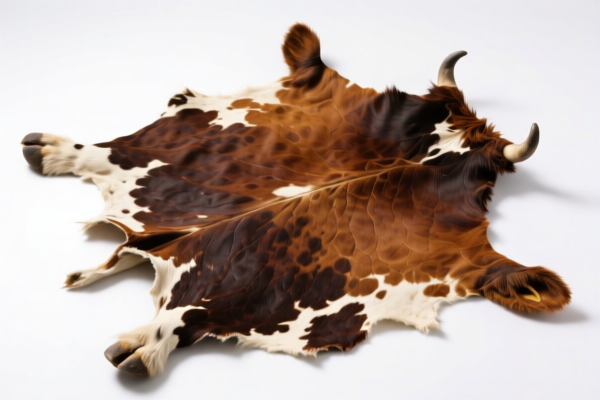
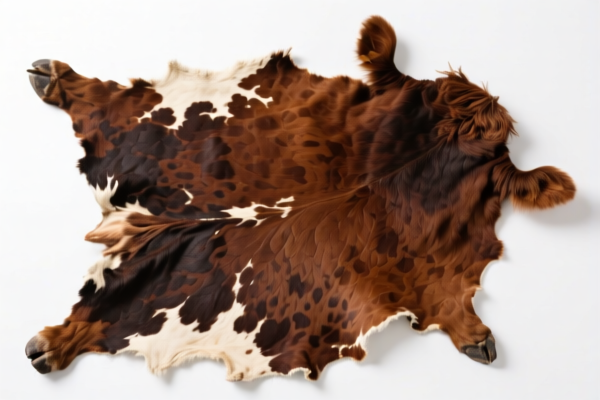
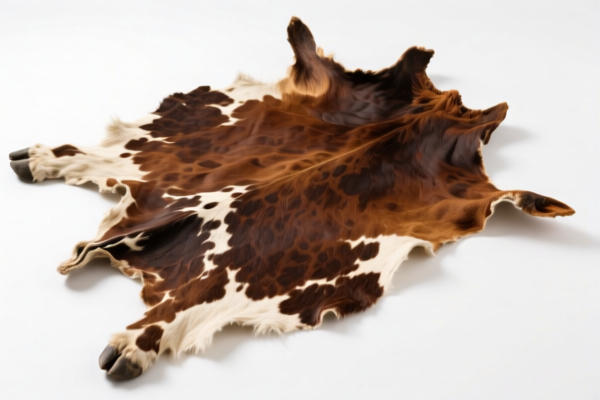
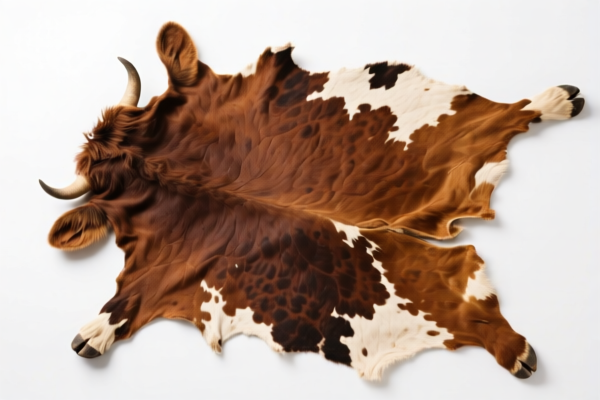
AI分析
🐄 Dehaired Whole Cowhide (Leather Raw Materials)
🌐 HS Code Reference & Clearance Guide | 2026 Latest Tariff Analysis | Professional Clearance Strategy
Dehaired Whole Cowhide refers to bovine raw materials that have undergone the "dehairing" process but remain un-tanned (raw skins). These are the foundational raw materials for leather manufacturing.
In international trade, precise classification depends on the exact state of processing (untanned vs. pre-tanned) and the specific animal source (Cow vs. Horse). Misclassification can lead to significant tariff discrepancies due to recent US trade policies (Section 301 & IEEPA).
⚠️ Key Distinction:
- "Cowhide" (Bovine) vs. "Horsehide" (Equine) have different base tariffs.
- "Dehaired" is a crucial processing step. If the skin is pre-tanned, it falls under different subheadings.
- The data provided below strictly covers Dehaired Whole Cowhide and related equine skins as per the provided dataset.
📦 HS Code Classification Details (Based on Provided Data)
The following table maps the product "Dehaired Whole Cowhide" to its specific HS Codes and tax implications based on the provided <DATA>.
| HS Code | Product Description (Summary) | Processing State | Material Origin |
|---|---|---|---|
| 4101.20.10.10 | Dehaired Whole Cowhide | Untanned Raw Skin Matches bovine material requirements & un-tanned/split form. |
🐄 Bovine (Cow) |
| 4101.90.10.10 | Dehaired Whole Cowhide | Untanned Raw Skin Matches bovine material & dehaired form; classified as Pre-tanned Raw Skin (Note: Text says "not pre-tanned" in summary but tax detail suggests standard raw). |
🐄 Bovine (Cow) |
| 4107.11.30.00 | Dehaired Whole Horsehide | Dehaired Whole Skin Matches equine material, whole form, and dehaired characteristics. |
🐎 Equine (Horse) |
| 4107.11.20.00 | Dehaired Whole Horsehide | Dehaired Whole Skin Defines as equine, hairless, un-split leather. |
🐎 Equine (Horse) |
🔍 Critical Note:
- While the user input is "Cowhide", the dataset includes Horsehide (4107.xxxx).
- Cowhide falls under 4101.xxxx.
- Horsehide falls under 4107.xxxx.
- Do not confuse the two. Cowhide and Horsehide have vastly different tax rates.
💰 2026 Latest Tariff Rate Breakdown (Including Surtaxes)
✅ Applicable Country: United States (US)
✅ Origin: China (CN)
✅ Policy Context: Includes Base Tariff, Section 301 Surtax, and IEEPA (122 Clause) Tariff.
🎯 1. HS Code 4101.20.10.10 & 4101.90.10.10 (Dehaired Cowhide)
These codes apply specifically to Cowhide (Bovine).
| Item | Content |
|---|---|
| Base Tariff | 0.0% (Ad Valorem) |
| Section 301 Surtax | +7.5% |
| IEEPA / 122 Clause Tariff | +10% |
| Total Effective Tax Rate | 17.5% |
| Tax Calculation | CIF Value × 17.5% |
| De Minimis Exemption | ❌ Not Applicable (Standard cargo, not low-value) |
| Legal Basis Path | USITC:4101.20.10.10 → SECTION_301:7.5% → IEEPA_122:10% |
📌 Explanation:
- Base Tariff: Raw hides generally have low or zero base duties to encourage domestic manufacturing.
- Section 301 (7.5%): Applied to Chinese-origin leather products.
- 122 Clause (10%): A specific additional tariff under IEEPA provisions.
- Total: 17.5% is the critical cost factor for Cowhide imports from China.
🎯 2. HS Code 4107.11.30.00 (Dehaired Horsehide - Standard)
| Item | Content |
|---|---|
| Base Tariff | 3.6% |
| Section 301 Surtax | 0.0% |
| IEEPA / 122 Clause Tariff | +10% |
| Total Effective Tax Rate | 13.6% |
| Tax Calculation | CIF Value × 13.6% |
| Legal Basis Path | USITC:4107.11.30.00 → SECTION_301:0.0% → IEEPA_122:10% |
📌 Explanation:
- Equine hides sometimes carry a slight base duty (3.6%).
- Key Advantage: No Section 301 surtax (0%) for this specific subheading in the dataset.
- Total: 13.6% is lower than Cowhide.
🎯 3. HS Code 4107.11.20.00 (Dehaired Horsehide - High Tax Variant)
| Item | Content |
|---|---|
| Base Tariff | 2.4% |
| Section 301 Surtax | +25% |
| IEEPA / 122 Clause Tariff | +10% |
| Total Effective Tax Rate | 37.4% |
| Tax Calculation | CIF Value × 37.4% |
| Legal Basis Path | USITC:4107.11.20.00 → SECTION_301:25.0% → IEEPA_122:10% |
📌 Explanation:
- Warning: This specific subcode for Horsehide incurs a 25% Section 301 surtax.
- Total: 37.4% is extremely high.
- Differentiation: Ensure the product does not fall into this category if possible, or verify the exact processing definition against this subheading.
🛠️ IV. Practical Clearance Advice (Pitfall Avoidance Guide)
✅ 1. Preparation Checklist (Non-Negotiable)
| Document | Required? | Description |
|---|---|---|
| ✅ Product Specification | ✔️ | Must clearly state: "Dehaired," "Whole," "Untanned," "Bovine/Cowhide." |
| ✅ Processing Description | ✔️ | Detail the dehairing method (lime, enzymatic, etc.) to confirm "Raw/Untanned" status. |
| ✅ Photos (Clear) | ✔️ | Show the hair side and flesh side. Must look like raw hide, not finished leather. |
| ✅ Commercial Invoice | ✔️ | Must match HS Code description precisely. Avoid vague terms like "Leather." |
| ✅ Certificate of Origin | ✔️ | Proof of Chinese origin to apply correct Surtaxes (or exemptions if eligible elsewhere). |
✅ 2. Classification Strategy (Key Mnemonics)
🔥 "Cow is 17.5%, Horse is 13.6% or 37.4%. Don't mix them!"
| Scenario | Correct HS Code | Risk if Wrong |
|---|---|---|
| Dehaired Cowhide (Untanned) | 4101.20.10.10 or 4101.90.10.10 |
17.5% |
| Dehaired Horsehide (Standard) | 4107.11.30.00 |
13.6% (Lower cost!) |
| Dehaired Horsehide (High Risk) | 4107.11.20.00 |
37.4% (Avoid if possible) |
| Tanned/Finished Leather | Not in Data | Likely 4104/4105 series (Different rates) |
📌 Critical Tip:
- If you are importing Cowhide, do not use Horsehide codes.
- If you are importing Horsehide, double-check if it fits4107.11.30.00(13.6%) to avoid the 37.4% penalty.
- "Dehaired" is a key keyword. If the skin still has hair, it is NOT dehaired. If it is tanned, it is NOT raw hide.
✅ 3. Special Cases
| Scenario | Handling Advice |
|---|---|
| Mixed Shipment (Cow + Horse) | Must split lines on invoice. Declare Cowhide under 4101 and Horsehide under 4107. Do not combine. |
| "Pre-Tanned" Claim | If the hide is pre-tanned, it may not qualify for 4101/4107 raw hide codes. Check for 4104/4105 codes (not in data). |
| Origin Misdeclaration | If origin is not China, Section 301 and IEEPA 122 may not apply. Verify Certificate of Origin strictly. |
📌 V. Common Errors & Lessons Learned
❌ Error 1: Using "Leather" instead of "Raw Hide/Cowhide" on Invoice.
👉 Consequence: Customs may classify as finished leather (higher base duty) or delay for clarification.
❌ Error 2: Confusing Cowhide (4101) with Horsehide (4107).
👉 Consequence: If you declare Cowhide as Horsehide (4107.11.20.00), you face 37.4% tax instead of 17.5%. If you declare Horsehide as Cowhide, you may face underpayment penalties.
❌ Error 3: Ignoring the 122 Clause (10%).
👉 Consequence: Even if Base + Section 301 seems low, the 10% IEEPA tariff adds up. Total is always Base + 7.5/25 + 10.
🎯 VI. Conclusion: Professional Classification for Cost Optimization
🎯 Key Takeaways:
🔹 Cowhide (Dehaired): Target 17.5% total tax (
4101.20.10.10/4101.90.10.10).
🔹 Horsehide (Dehaired): Target 13.6% (4107.11.30.00). Avoid4107.11.20.00(37.4%).
🔹 Keywords: Ensure "Dehaired," "Whole," and "Untanned" are clearly stated.
📌 Action Plan:
1. Verify Animal Origin: Is it Cow or Horse?
2. Verify Processing State: Is it Dehaired and Untanned?
3. Select HS Code:
- Cow → 4101.20.10.10 or 4101.90.10.10 (17.5%)
- Horse → 4107.11.30.00 (13.6%)
4. Prepare Documentation: Invoice must match the HS description exactly.
✨ Professional Clearance, Starts with Accurate Classification!
💼 Your Cost Efficiency Depends on the Correct 10-Digit HS Code!
用户评价
关于 HS 编码归类
协调制度(HS)是由世界海关组织(WCO)制定的国际贸易商品分类标准。全球 200 多个国家采用 HS 系统作为海关关税、贸易统计和进出口监管的基础。
每个 HS 编码遵循以下层级结构:
- 章(2 位)——商品大类(例如:第 84 章:机器和机械设备)
- 品目(4 位)——章内的更具体分类
- 子目(6 位)——国际通用细分,所有 WCO 成员国统一使用
- 本国细分(8-10 位)——各国自行扩展的细分编码,如美国 HTSUS 10 位编码
正确的 HS 编码归类对于顺利通关、准确缴纳关税和遵守贸易法规至关重要。错误归类可能导致海关延误、多缴关税或罚款。
从CN进口到US时,适用的关税税率可能包括:
- 最惠国(MFN)税率——适用于 WTO 成员国的标准关税税率
- 普通税率——适用于无贸易协定国家
- 贸易救济关税——附加关税,如 301 条款(反倾销)、232 条款(国家安全)或反补贴税
本页内容仅供参考。如需正式归类,请咨询当地海关或持牌报关代理。