door guard wall protector
CN → US| HS编码 | 关税税率 | 原产国 | 目的国 | 文档 |
|---|---|---|---|---|
| 3926305000 | 22.8% | CN | US | 官方文档 |
| 3926909989 | 22.8% | CN | US | 官方文档 |
| 4421919880 | 38.3% | CN | US | 官方文档 |
| 4421999880 | 38.3% | CN | US | 官方文档 |
| 7326908635 | 87.9% | CN | US | 官方文档 |
| 7326908688 | 87.9% | CN | US | 官方文档 |
商品图片
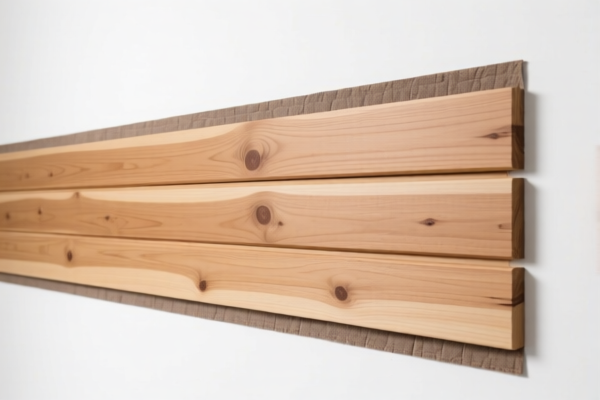
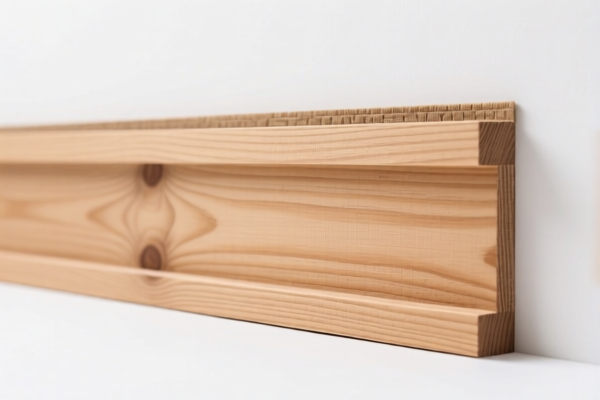
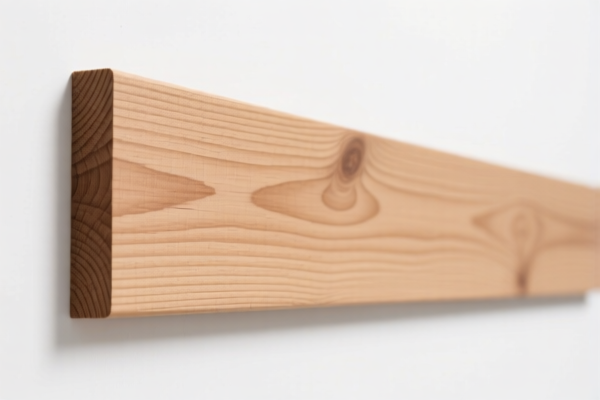
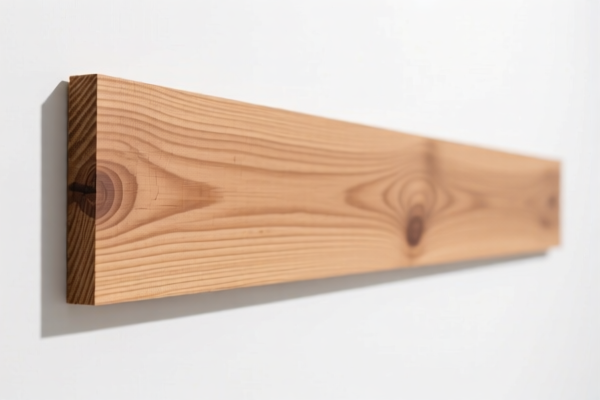
AI分析
🚪 Door Guard Wall Protector
🌐 HS Code Reference & Clearance Guide | 2026 Latest Tariff Analysis | Professional Customs Strategy
📌 I. Product Definition & Classification: What Exactly Is a "Door Guard Wall Protector"?
Door Guard Wall Protectors are safety accessories used in residential, commercial, and industrial settings to prevent damage to walls and doors caused by swinging doors, carts, or furniture. They are typically installed on the wall adjacent to the door hinge or strike plate area.
In international trade, these products are classified based on their primary material. The core question for customs classification is: "What is it made of?"
⚠️ Key Distinction Point:
- If made of Iron/Steel (metal brackets, corrugated posts) → Chapter 73
- If made of Wood/Bamboo (decorative strips, natural material) → Chapter 44
- If made of Plastics (rubber mats, acrylic guards, plastic hinges) → Chapter 39
📦 II. HS Code Classification Details (2026 Latest Tariff Authority对照)
Based on the provided data, here are the specific HS Codes and their corresponding tax implications:
| HS Code | Product Description | Material | Application Scenario |
|---|---|---|---|
7326.90.86.35 |
Fence posts, studded with corrugations, knobs, studs, notches... | Iron/Steel | Heavy-duty industrial guards, metal wall posts, corrugated metal protectors |
7326.90.86.88 |
Other articles of iron or steel | Iron/Steel | General metal wall protectors, non-corrugated metal strips, steel brackets |
4421.91.98.80 |
Other articles of wood: Of bamboo: Other | Bamboo | Bamboo door edge protectors, decorative bamboo wall strips |
4421.99.98.80 |
Other articles of wood: Other | Wood | Wooden door guards, rubberized wood protectors, solid wood corner guards |
3926.30.50.00 |
Fittings for furniture, coachwork or the like | Plastics | Plastic door stops, plastic wall pads, plastic hinge protectors |
3926.90.99.89 |
Other articles of plastics | Plastics | General plastic wall shields, rubber/plastic composite guards, adhesive plastic strips |
🔍 重点提醒:
- Metal Guards: Most durable, used in warehouses or high-traffic areas. Must specify if they are "fence posts" with protrusions (7326.90.86.35) or general metal articles (7326.90.86.88).
- Wood/Bamboo Guards: Aesthetic focus, used in homes or hotels. Bamboo and Wood have different subheadings (4421.91vs4421.99).
- Plastic Guards: Most common for residential use. If they are specifically "fittings for furniture," they may fall under3926.30. Otherwise, general plastic articles fall under3926.90.
💰 III. 2026 Latest Tariff Rate Details (Including Surcharges)
✅ Applicable Country: United States (US)
✅ Origin: China (CN)
✅ Effective Time: Current trade policies (as per provided data)
🎯 1. Iron/Steel Wall Protectors (7326.90.86.35 & 7326.90.86.88)
| Item | Detail |
|---|---|
| Basic Tariff | 2.9% (ad valorem) |
| Section 301 Surcharge (Steel/Aluminum) | +50% (Specific surcharge for steel products) |
| Other Surcharge | +25.0% (General Section 301 or other applicable surcharge) |
| Total Tax Rate | 77.9% |
| Tax Calculation | CIF Value × 77.9% |
| De Minimis Exemption | ❌ Not Available (High tariff prevents de minimis) |
| Legal Basis | Basic 2.9% + Addt'l 25% + Steel/Aluminum Surcharge 50% |
📌 Explanation:
- Steel products face a 50% specific surcharge in addition to the standard 25% Section 301 tariff and 2.9% base rate.
- Total burden: 77.9%. This is extremely high.
- Crucial: Ensure the product is indeed "Iron or Steel." Misclassification could lead to penalties.
🎯 2. Wood/Bamboo Wall Protectors (4421.91.98.80 & 4421.99.98.80)
| Item | Detail |
|---|---|
| Basic Tariff | 3.3% (ad valorem) |
| Section 301 Surcharge | +25.0% |
| Total Tax Rate | 28.3% |
| Tax Calculation | CIF Value × 28.3% |
| De Minimis Exemption | ❌ Not Available |
| Legal Basis | Basic 3.3% + Addt'l 25% |
📌 Explanation:
- Wood and bamboo products are not subject to the 50% steel surcharge.
- They still face the 25% Section 301 surcharge.
- Total burden: 28.3%. Significantly lower than steel, but still substantial.
🎯 3. Plastic Wall Protectors (3926.30.50.00 & 3926.90.99.89)
| Item | Detail |
|---|---|
| Basic Tariff | 0.0% (for furniture fittings) or 5.3% (for other plastics) |
| Section 301 Surcharge | 0.0% (for furniture fittings) or 7.5% (for other plastics) |
| Total Tax Rate | 0.0% (Fittings) or 12.8% (Other) |
| Tax Calculation | CIF Value × 0% or 12.8% |
| De Minimis Exemption | ✅ Possibly Available (If total value < $800, though check specific exclusions) |
| Legal Basis | Basic 0%/5.3% + Addt'l 0%/7.5% |
📌 Explanation:
- Plastic fittings for furniture (3926.30.50.00) have 0% additional surcharge and 0% base tariff, resulting in 0% total tax. This is the most tax-efficient option if the product qualifies as a "fitting."
- Other plastic articles (3926.90.99.89) have a 7.5% surcharge and 5.3% base, totaling 12.8%.
- Strategy: If your plastic guard can be classified as a "fitting for furniture" (e.g., door stopper, wall pad attached to door frame), aim for3926.30.50.00to save significant costs.
🛠️ IV. Customs Clearance Practical Advice (Avoid Pitfalls)
✅ 1. Preparation Checklist
| Document | Required | Notes |
|---|---|---|
| ✅ Product Photos | ✔️ | Show installation method, material texture, and any labels. |
| ✅ Material Specification | ✔️ | Clearly state: "100% Steel," "Bamboo," or "PVC/Plastic." Customs will verify. |
| ✅ Commercial Invoice | ✔️ | Describe precisely: "Wall Protector, Plastic, Model XYZ" or "Steel Door Guard, Corrugated." Avoid vague terms like "Guard." |
| ✅ Material Test Report | ✔️ | Especially for plastics (RoHS/REACH) and wood (fumigation certificate if not processed bamboo/wood). |
| ✅ HS Code Justification | ✔️ | Explain why it fits the chosen code (e.g., "This is a fitting for furniture, not a general plastic article"). |
✅ 2. Classification Strategy (Key Tips)
🔥 "Material First, Function Second, Fitting Status Matters!"
| Scenario | Recommended HS Code | Tax Rate | Why? |
|---|---|---|---|
| Steel/Cheap Metal | 7326.90.86.88 |
77.9% | High tax. Consider if steel is necessary. |
| Steel/Corrugated Post | 7326.90.86.35 |
77.9% | High tax. Specific to "fence posts" style. |
| Bamboo | 4421.91.98.80 |
28.3% | Moderate tax. Eco-friendly appeal. |
| Wood | 4421.99.98.80 |
28.3% | Moderate tax. |
| Plastic (Fitting) | 3926.30.50.00 |
0.0% | Best Option! If classified as "furniture fitting." |
| Plastic (Other) | 3926.90.99.89 |
12.8% | Good alternative to metal/wood. |
📌 Critical Note:
- Plastic vs. Metal: If you can switch from steel to plastic without compromising safety, you save 65%+ in taxes.
- "Fitting" Definition: To qualify for3926.30.50.00, the product must be recognized as a "fitting for furniture" (e.g., a door stop that is part of the door assembly, or a wall pad attached to the door frame). General "wall shields" might fall under3926.90.99.89(12.8%).
✅ 3. Special Cases
| Case | Handling Advice |
|---|---|
| Mixed Materials (e.g., Rubber on Plastic) | Classify based on essential character. If plastic is primary, use HS 3926. |
| Custom Shape/Design | Provide CAD drawings to prove it is a "fitting" and not a general decorative item. |
| Imported from Vietnam/Mexico | Check for IEEPA Exemptions. Some plastic goods may have lower rates if not of Chinese origin. |
| Low-Value Shipments (<$800) | Even with 0% tax, ensure proper declaration. De minimis may apply for plastic (3926.30.50.00), but NOT for steel/wood if surcharges are included (verify current CBP de minimis rules for taxed goods). |
🌍 V. Global Market Comparison (2026)
| Country/Region | Recommended HS Code | Tariff (China Origin) | Notes |
|---|---|---|---|
| 🇺🇸 USA | 3926.30.50.00 (Plastic Fitting) |
0.0% | Best for plastics. Steel is 77.9%. |
| 🇨🇳 China | 3926.30.50.00 |
5.3% | Domestic trade lower. |
| 🇪🇺 EU | 3926.30.50.00 |
4.5% | No Section 301. Lower than US. |
| 🇬🇧 UK | 3926.30.50.00 |
4.5% | Post-Brexit rates similar to EU. |
| 🇯🇵 Japan | 3926.30.50.00 |
0%~3% | Check JETRO for latest FTAs. |
📌 Conclusion:
- USA is the most expensive market for Steel and Wood due to Section 301 surcharges.
- Plastic "Fittings" are the safest bet for the US market with 0% additional tariff.
- Consider supply chain diversification if using steel/wood for US exports.
📌 VI. Common Mistakes & Pitfalls
❌ Mistake 1: Classifying a steel wall protector as "plastic" to avoid tax.
👉 Consequence: Customs inspection will find metal → Penalty + Retroactive Tax + Fraud Charge.
❌ Mistake 2: Using vague description "Wall Guard" on invoice.
👉 Consequence: Customs may assign highest possible tariff or detain shipment for classification review.
❌ Mistake 3: Assuming all plastic goods are 0% tax.
👉 Consequence: 3926.90.99.89 has 12.8% tax. Only "fittings" (3926.30) are 0%.
❌ Mistake 4: Ignoring the 50% steel surcharge.
👉 Consequence: Budgeting based on 2.9% base rate leads to massive cost overrun.
✅ Correct Declaration Example:
"Plastic Door Stopper, Model ABC, Fitting for Furniture, 100% PVC, No Wood or Metal Parts"
HS Code:3926.30.50.00
Tax: 0.0%
🎯 VII. Conclusion: Strategic Classification for Cost Efficiency
🎯 Key Takeaway:
🔹 "Plastic Fitting = 0% Tax. Steel = 77.9% Tax. Wood = 28.3% Tax."
🔹 "Material determines fate. Classification determines cost."
📌 Recommendation:
1. Switch to Plastic: If feasible, use plastic guards classified as "fittings" (3926.30.50.00) to achieve 0% US tariff.
2. Justify "Fitting" Status: Ensure product design and documentation support the "furniture fitting" classification.
3. Avoid Steel: Unless absolutely necessary for durability, steel imports to the US are prohibitively expensive at 77.9%.
4. Verify Wood/Bamboo: If using wood, ensure it is processed (fumigated/treated) to meet phytosanitary requirements.
📣 Immediate Action:
📞 Consult Customs Broker to confirm "Fitting" classification for plastic guards.
📦 Review Material Composition to avoid steel/wood if targeting US market.
📄 Prepare Detailed Documentation to support HS Code selection.
✨ Professional Clearance Starts with Precise Classification!
💼 Every Percent Saved in Tax is Pure Profit!
用户评价
关于 HS 编码归类
协调制度(HS)是由世界海关组织(WCO)制定的国际贸易商品分类标准。全球 200 多个国家采用 HS 系统作为海关关税、贸易统计和进出口监管的基础。
每个 HS 编码遵循以下层级结构:
- 章(2 位)——商品大类(例如:第 84 章:机器和机械设备)
- 品目(4 位)——章内的更具体分类
- 子目(6 位)——国际通用细分,所有 WCO 成员国统一使用
- 本国细分(8-10 位)——各国自行扩展的细分编码,如美国 HTSUS 10 位编码
正确的 HS 编码归类对于顺利通关、准确缴纳关税和遵守贸易法规至关重要。错误归类可能导致海关延误、多缴关税或罚款。
从CN进口到US时,适用的关税税率可能包括:
- 最惠国(MFN)税率——适用于 WTO 成员国的标准关税税率
- 普通税率——适用于无贸易协定国家
- 贸易救济关税——附加关税,如 301 条款(反倾销)、232 条款(国家安全)或反补贴税
本页内容仅供参考。如需正式归类,请咨询当地海关或持牌报关代理。