douglas fir construction logs
CN → US| HS编码 | 关税税率 | 原产国 | 目的国 | 文档 |
|---|---|---|---|---|
| 4401110000 | 35.0% | CN | US | 官方文档 |
| 4407190054 | 35.0% | CN | US | 官方文档 |
| 4407190055 | 35.0% | CN | US | 官方文档 |
| 4403250140 | 35.0% | CN | US | 官方文档 |
| 4403260140 | 35.0% | CN | US | 官方文档 |
商品图片
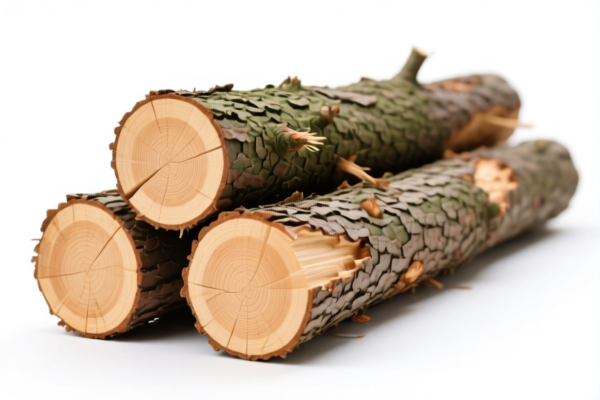
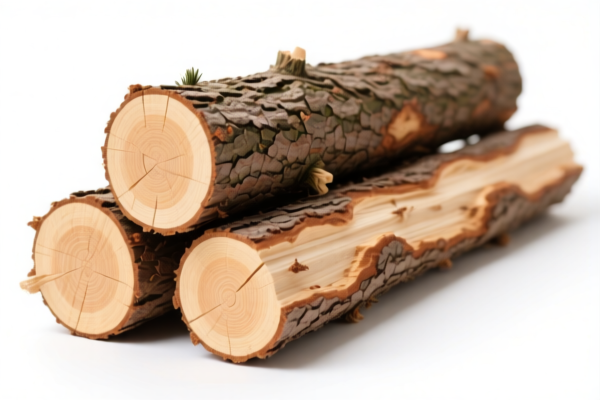
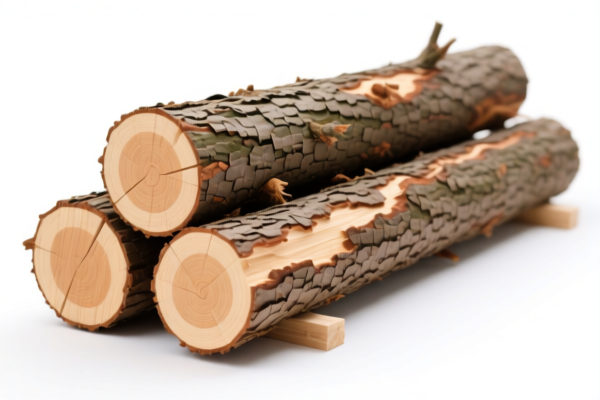
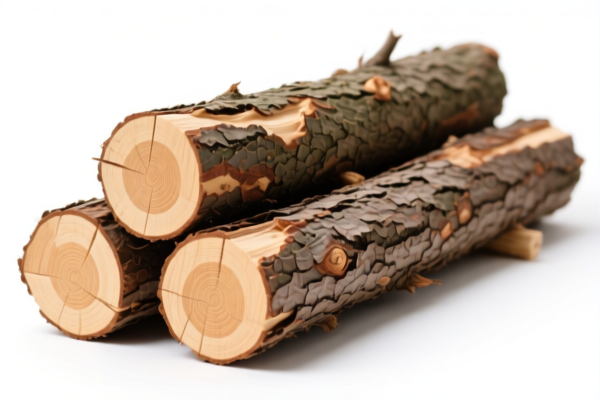
AI分析
🌲 Douglas Fir Construction Logs (道格拉斯冷杉建筑原木)
🌐 HS Code Reference & Customs Clearance Guide | 2026 Latest Tariff Analysis | Professional Entry Strategy
📌 I. Product Definition & Classification: Do You Really Understand "Douglas Fir"?
Douglas Fir (often commercially referred to as Spiral Pine/Huaspine in Asian markets) is a premium softwood widely used in construction. In international trade, its classification depends heavily on its processing state (raw vs. sawn) and form (logs vs. planks).
1. Raw Logs (Unprocessed/Slightly Processed):
If the wood is simply cut to length with branches removed but not yet sawn into lumber, it falls under Chapter 44, Heading 4403 (Wood prepared for timber) or 4401 (Fuel wood if of low quality). Specifically, Douglas Fir is a coniferous tree.
2. Sawn Wood (Roughly Sawn):
If the wood has been sawns longitudinally (rough-sawn) but not further processed (planed, finger-jointed, etc.), it falls under Chapter 44, Heading 4407 (Wood sawn or chipped lengthwise).
⚠️ Key Distinction Point:
- If it is a whole tree trunk (with or without bark) intended for structural posts or piling → Classify as Raw Log/Timber.
- If it is cut into beams/boards (even if rough) → Classify as Sawn Wood.
- Commercial Alias Warning: In many databases, "Douglas Fir" is synonymously linked to "Huaspine" (花旗松). Ensure your declaration matches the botanical/historical trade name consistency.
📦 II. HS Code Classification Details (2026 Latest Tariff Authority Match)
Based on the provided <DATA>, here are the specific HS Codes for Douglas Fir Logs and their corresponding tax implications.
| HS Code | Product Description | Summary/Logic | Key Characteristics |
|---|---|---|---|
4403.25.01.40 |
Wood prepared for timber | Douglas fir is a coniferous wood; raw form matches "Huaspine" category | ✅ Raw Logs: Trunks, branches, or rough-cut timber intended for further processing. |
4403.26.01.40 |
Other wood, roughly hewn or simply squared | High correlation with Huaspine; raw logs/timber form | ✅ Raw Logs/Rough Hewn: Logs that have been debarked or simply squared but not sawn into planks. |
4407.19.00.54 |
Wood sawn lengthwise | Douglas fir (Huaspine) matches "rough sawn, untreated" features | ✅ Rough Sawn: Wood cut longitudinally (sawn) but not planed or treated. |
4407.19.00.55 |
Wood sawn lengthwise | Douglas fir (Huaspine) matches "longitudinal sawing or slicing" form | ✅ Rough Sawn: Specifically covers longitudinal cutting morphology. |
4401.11.00.00 |
Fuel wood | Douglas fir is a coniferous species; raw form matches fuel wood classification | ⚠️ Low-Grade/Raw: Typically used for lower-quality logs or if declared as fuel/energy wood (rare for high-grade construction logs, but possible in data). |
🔍 Critical Note:
- The data indicates that both Raw Logs (4403) and Rough-Sawn Wood (4407) attract the same total tax rate due to the specific trade policies applicable.
- "Huaspine" (花旗松) is the common trade alias for Douglas Fir in customs declarations. Using this alias may help match historical clearance records.
💰 III. 2026 Latest Tariff Rate Breakdown (Including Surcharges & Policy Add-ons)
✅ Applicable Country: USA (US)
✅ Origin: China (CN)
✅ Effective Time: 2025/2026 (Current Data)
🎯 1. All Listed HS Codes (4403.25, 4403.26, 4407.19, 4401.11)
| Item | Content |
|---|---|
| Base Tariff | 0.0% (Ad Valorem) |
| Section 301 Additional Tariff | +25.0% (USITC Footnote) |
| Section 122 Tariff | +10.0% (Specific provision for this wood category) |
| Total Tax Rate | 35.0% |
| Tax Calculation | CIF Value × 35% |
| De Minimis Exemption | ❌ Not Applicable (Wood products are strictly controlled) |
| Legal Basis Path | USITC:4403/4407 → Section 301: 25% → Section 122: 10% |
📌 Explanation:
- "Base Tariff 0%": Standard MFN rate for wood products.
- "Additional Tariff 25%": Derived from the Section 301 Trade Action against Chinese goods.
- "Section 122 Tariff 10%": A specific levy often applied to certain imports under the "122" legal authority (note: this is specific to the provided data context).
- Combined 35%: This is a high tariff barrier. Importers must factor this into their landed cost immediately.
🛠️ IV. Customs Clearance Practical Advice (Pitfall Avoidance Guide)
✅ 1. Required Documentation Checklist
| Document | Mandatory? | Description |
|---|---|---|
| ✅ Commercial Invoice | ✔️ | Must clearly state "Douglas Fir" or "Huaspine" and HS Code. |
| ✅ Packing List | ✔️ | Detail number of pieces, weight, and dimensions. |
| ✅ Phytosanitary Certificate | ✔️ | CRITICAL: Wood products require certification from the origin country's plant protection agency to prove freedom from pests (e.g., Asian Longhorned Beetle). |
| ✅ Fumigation Certificate | ✔️ | Proof that the wood has been treated for insects. |
| ✅ Certificate of Origin (CO) | ✔️ | Required to verify origin (if claiming any potential exemptions, though unlikely here). |
| ✅ Bill of Lading | ✔️ | Standard shipping document. |
| ✅ Product Photos | ✔️ | Clear images showing the wood grade, treatment marks (HT stamp), and logs/beams. |
✅ 2. Declaration Tips (Key Mantras)
🔥 "Declare accurately, HS Code precise, Phytosanitary ready, 35% tax is fixed!"
| Scenario | Correct Declaration | Wrong Action |
|---|---|---|
| Rough Sawn Beams | 4407.19.00.54/55 |
Declare as "Raw Logs" → Risk of delay for re-inspection. |
| Raw Trunks | 4403.25.01.40 or 4403.26.01.40 |
Declare as "Sawn Wood" → Incorrect classification. |
| Treated vs. Untreated | Specify "Untreated" or "Heat Treated (HT)" | Omitting treatment info → Customs may seize for pest risk. |
| Name Usage | Use "Douglas Fir" AND "Huaspine" in remarks | Using only local alias → Potential mismatch with USITC lists. |
✅ 3. Special Circumstances Handling
| Situation | Handling Advice |
|---|---|
| Wood Treatment Marks | Ensure all logs/beams have ISPM 15 stamps (if packaged in wood) or Fumigation marks. |
| Mixed Shipments | If containers have Douglas Fir and other woods, separate declaration is mandatory to avoid mixed-rate complications. |
| Grade Quality | High-grade construction logs may attract stricter inspection. Provide grade certificates if available. |
| Section 122 Specifics | Since the data mentions "Section 122," ensure the declaration explicitly references this if required by local CBP directives for this specific subheading. |
🌍 V. Global Market Clearance Comparison (2026 Latest)
| Country/Region | Recommended HS Code | Tariff (China Origin) | Certification Requirements | Notes |
|---|---|---|---|---|
| 🇺🇸 USA | 4403.25.01.40 / 4407.19.00.54 |
35% (0% + 25% + 10%) | Phytosanitary + Fumigation | High Tax. Strict IPM (Invasive Pest Management) checks. |
| 🇨🇳 China | 4403.25.01.40 / 4407.19.00.54 |
~5-10% (Import Duty) | Fumigation | Low barrier for import; high barrier for export. |
| 🇪🇺 EU | 4407.19.00.54 |
0-5% | FLEGT (Legality) | Strict deforestation regulations (EUDR). |
| 🇨🇦 Canada | 4403.25.01.40 |
0% | Phytosanitary | Low duty, but strict provincial quarantine rules. |
| 🇬🇧 UK | 4407.19.00.54 |
0-5% | UK-REPH (Plant Health) | Post-Brexit, separate plant health checks. |
📌 Conclusion:
- USA is the most expensive market for Douglas Fir due to the 35% combined tariff.
- Non-US markets may offer significant cost savings (0-5%), but require compliance with local forestry regulations (e.g., EUDR in Europe).
- Supply Chain Strategy: Consider sourcing from North American producers (if not restricted by other trade wars) or exploring non-US markets to reduce landed cost.
📌 VI. Common Errors & Pitfall Guide (Lessons Learned)
❌ Error 1: Declaring "Douglas Fir" as "Generic Hardwood"
👉 Consequence: Misclassification → High Fines + Retreatment Costs. Douglas Fir is Softwood.
❌ Error 2: Missing Fumigation/Phytosanitary Certificate
👉 Consequence: Cargo Quarantine or Return/Destroy at port. Wood products are high-risk for pests.
❌ Error 3: Ignoring the 35% Tariff in Costing
👉 Consequence: Profit Erosion. 35% is substantial. Ensure your FOB price accounts for this or negotiate DDP terms carefully.
❌ Error 4: Confusing "Raw Logs" (4403) with "Sawn Wood" (4407)
👉 Consequence: While tax rate is same in this data, inspection intensity differs. Sawn wood often requires more detailed documentation on dimensions and grade.
✅ Correct Practice:
"Douglas Fir (Huaspine) Construction Logs, Rough Sawn, Untreated, Phytosanitary Certificate Attached, HS Code 4407.19.00.54"
🎯 VII. Conclusion: Professional Declaration, Cost Control, Efficient Clearance
🎯 Remember the Mantras:
🔹 "Phytosanitary First, HS Code Second, Tariff Third."
🔹 "35% Tax is Fixed, Plan Your Pricing Today."
🔹 "Douglas Fir = Softwood, Not Hardwood!"
📌 Pro Tip:
If you are importing large volumes, consider applying for a Customs Ruling to confirm the specific subheading (4403.25 vs 4407.19) based on your exact product form (log vs. sawn). This avoids future disputes.
📣 Immediate Action:
📞 Contact a Licensed Customs Broker + Verify Phytosanitary Status + Confirm HS Code with Supplier
🚀 Let your Douglas Fir logs pass customs smoothly, control costs, and maximize profit!
✨ Professional Clearance Starts with Accurate Classification!
💼 Every percent of tax matters!
用户评价
关于 HS 编码归类
协调制度(HS)是由世界海关组织(WCO)制定的国际贸易商品分类标准。全球 200 多个国家采用 HS 系统作为海关关税、贸易统计和进出口监管的基础。
每个 HS 编码遵循以下层级结构:
- 章(2 位)——商品大类(例如:第 84 章:机器和机械设备)
- 品目(4 位)——章内的更具体分类
- 子目(6 位)——国际通用细分,所有 WCO 成员国统一使用
- 本国细分(8-10 位)——各国自行扩展的细分编码,如美国 HTSUS 10 位编码
正确的 HS 编码归类对于顺利通关、准确缴纳关税和遵守贸易法规至关重要。错误归类可能导致海关延误、多缴关税或罚款。
从CN进口到US时,适用的关税税率可能包括:
- 最惠国(MFN)税率——适用于 WTO 成员国的标准关税税率
- 普通税率——适用于无贸易协定国家
- 贸易救济关税——附加关税,如 301 条款(反倾销)、232 条款(国家安全)或反补贴税
本页内容仅供参考。如需正式归类,请咨询当地海关或持牌报关代理。