dried buffalo leather
CN → US| HS编码 | 关税税率 | 原产国 | 目的国 | 文档 |
|---|---|---|---|---|
| 4101901030 | 17.5% | CN | US | 官方文档 |
| 4101201010 | 17.5% | CN | US | 官方文档 |
| 4107117030 | 15.0% | CN | US | 官方文档 |
| 4107127030 | 15.0% | CN | US | 官方文档 |
商品图片
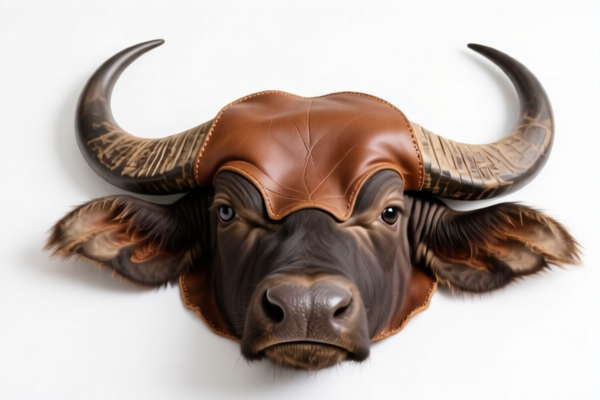
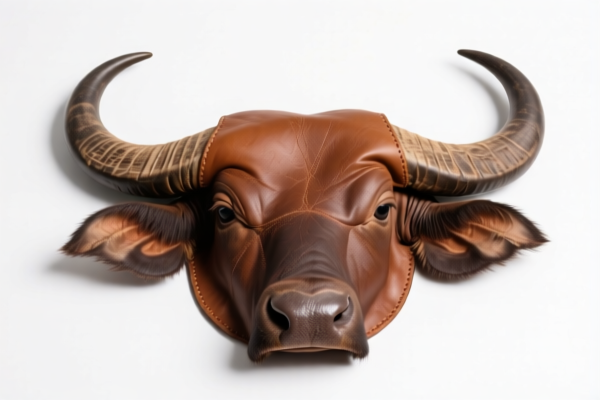
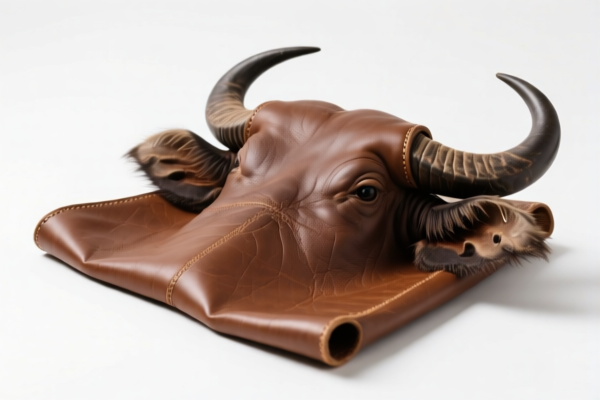
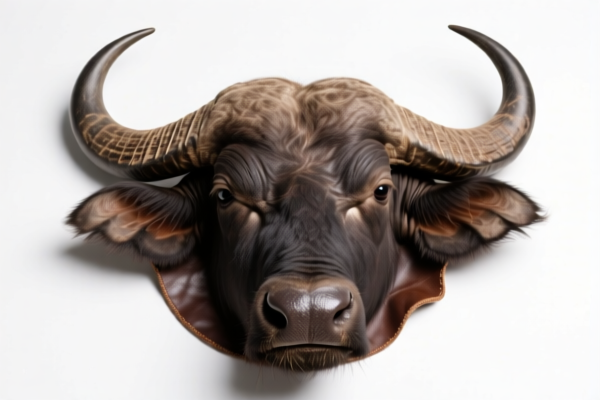
AI分析
🐃 Dried Buffalo Leather (Raw Hides/Skins)
🌐 HS Code Reference & Customs Clearance Guide | 2026 Latest Tariff Breakdown | Professional Compliance Strategy
📌 I. Product Definition & Classification: Understanding "Dried Buffalo Leather"
In international trade, "Dried Buffalo Leather" is not a single commodity but a category of raw materials that vary significantly based on tanning state and physical form. Misclassification here can lead to massive tariff discrepancies or customs delays.
The term generally covers bovine hides/skins that have been salted, dried, or otherwise preserved but not yet tanned into finished leather. They are critical raw materials for the footwear, bag, and upholstery industries.
⚠️ Key Distinction:
- Raw/Dried (Untanned): If the skin is merely dried/salted without chemical tanning → Falls under Chapter 41 (01-03).
- Tanned/Processed: If the skin has undergone chrome or vegetable tanning → Falls under Chapter 41 (07-09).
- SPLIT vs. FULL GRAIN: "Split" skins (layered) have different tax treatments than "Full Grain" skins in some jurisdictions.
📦 II. HS Code Classification Matrix (Based on Provided Data)
The following HS Codes are derived strictly from the provided dataset for Dried Buffalo Leather. Note that while the generic term is "Buffalo," the HS codes specifically mention "Cattle" (Bovine), which includes buffalo in most customs tariff interpretations unless specified otherwise.
| HS Code | Product Description | Tax Status | Key Characteristics |
|---|---|---|---|
| 4101.90.10.30 | Dried Cattle Hides/Skins (General Dried State) | 17.5% | Standard dried bovine hides; no tanning. |
| 4101.20.10.10 | Dried Cattle Hides/Skins (Preserved/Dried Method) | 17.5% | Specific dried preservation method for raw skins. |
| 4107.11.70.30 | Tanned Cattle Hides/Skins (Full Grain/Unsplit) | 15.0% | Tanned hides; full grain or unsplit. |
| 4107.12.70.30 | Tanned Cattle Hides/Skins (Split/Reversed) | 15.0% | Tanned hides; split leather or reversed grain. |
🔍 Critical Note:
- Codes4101.90.10.30and4101.20.10.10apply to UNTANNED (Raw) dried skins.
- Codes4107.11.70.30and4107.12.70.30apply to TANNED skins (even if they look dry).
- Do not confuse "Dried" with "Tanned." If it has been chemically treated to prevent rotting permanently (tanned), it belongs to 4107. If it is just salted/dried for transport, it belongs to 4101.
💰 III. 2026 Tariff Rate Detail Analysis (Including Surtaxes)
✅ Applicable Context: Import from China to US (Implied by "Section 301" and "122 Clause" references in data)
✅ Origin: China (CN)
✅ Effective Time: Current as per dataset
🎯 1. Raw/Dried Hides (Untanned)
HS Codes: 4101.90.10.30 & 4101.20.10.10
Total Tax Rate: 17.5%
| Component | Rate | Description |
|---|---|---|
| Base Duty | 0.0% | Free entry for most raw bovine hides under normal MFN. |
| Section 301 Surtax | 7.5% | Additional duty on Chinese goods (specific to this category). |
| Section 122 Clause | 10.0% | Specific additional tariff clause applicable to these hides. |
| TOTAL | 17.5% | Ad Valorem |
📌 Explanation:
- Even though the base duty is 0%, the combined surcharges (7.5% + 10%) bring the total cost to 17.5%.
- This applies to RAW dried buffalo/cattle hides.
- Valuation: Taxes are calculated on the CIF (Cost, Insurance, Freight) value.
🎯 2. Tanned Hides/Skins (Processed)
HS Codes: 4107.11.70.30 & 4107.12.70.30
Total Tax Rate: 15.0%
| Component | Rate | Description |
|---|---|---|
| Base Duty | 5.0% | Standard duty for tanned leather goods. |
| Section 301 Surtax | 0.0% | No additional Section 301 tax for these specific subheadings. |
| Section 122 Clause | 10.0% | Specific additional tariff clause applies. |
| TOTAL | 15.0% | Ad Valorem |
📌 Explanation:
- Tanned hides (4107...) have a base duty of 5%.
- Unlike raw hides, they are exempt from the 7.5% Section 301 surtax in this specific dataset.
- However, they still face the 10% Section 122 clause.
- Total Cost: 15% — Lower than raw hides!
- Strategy: If you can process skins into tanned leather before import (if feasible), you may save 2.5% in duties, subject to "Substantial Transformation" rules.
🛠️ IV. Customs Clearance Practical Advice (Pitfall Avoidance)
✅ 1. Documentation Checklist (Non-Negotiable)
| Document | Requirement | Why It Matters |
|---|---|---|
| Commercial Invoice | Must specify "Dried," "Salted," or "Tanned" explicitly. | Determines if it’s HS 4101 or 4107. |
| Packing List | Weight per hide, number of hides. | Customs verifies quantity vs. declared value. |
| Veterinary Certificate | REQUIRED for all animal products. | Proves freedom from BSE, Anthrax, etc. |
| Processing Declaration | If claiming Tanned (4107), provide proof of tanning process. | Prevents reclassification as Raw (4101) → Higher Tax. |
| Country of Origin | Must be clearly marked on each hide. | Triggers the 122 Clause and Surtax calculations. |
✅ 2. Classification Strategy & Tips
🔥 "Know Your State: Raw vs. Tanned Dictates Your Tax!"
| Scenario | Recommended HS Code | Tax Rate | Risk Level |
|---|---|---|---|
| Salted/Dried Hides (No chemicals, just preservation) | 4101.90.10.30 or 4101.20.10.10 |
17.5% | 🟡 Medium (Check for hidden tanning) |
| Chrome Tanned Hides (Soft, smelly, ready for use) | 4107.11.70.30 or 4107.12.70.30 |
15.0% | 🟢 Low (Standard trade flow) |
| Partially Tanned (Uncertain process) | AVOID - Seek Pre-Ruling | Unknown | 🔴 High (Customs will reclassify to highest rate) |
📌 Key Tip:
- Do not ship "Raw" hides as "Tanned". Customs agents often perform chemical tests. If a hide is declared "Tanned" but is chemically raw, you face fraud penalties and back taxes.
- Split Leather Note:4107.12is for split/reversed. Ensure your leather is actually split. If it’s full grain, use4107.11. Misclassification here can lead to audits.
✅ 3. Special Considerations for Buffalo Leather
- Size Matters: Some HS codes differentiate by weight/size (e.g., >8kg vs <8kg). The provided data does not specify size breaks, so assume the code applies to the standard commercial size unless your local customs tariff book says otherwise.
- Section 122 Clause: This is a specific US trade measure. Ensure your supplier’s export documentation aligns with US import requirements to avoid delays at the border.
- Environmental Compliance: Tanned leather may contain chromium. Ensure compliance with REACH (EU) or TSCA (US) regarding heavy metals if importing to other markets.
🌍 V. Global Market Comparison (2026 Overview)
| Market | HS Code Focus | Base Tax | Surtax/Additional | Total Est. Tax |
|---|---|---|---|---|
| 🇺🇸 USA | 4101.90 / 4107.11 |
0% - 5% | 10-17.5% | 15% - 17.5% |
| 🇨🇳 China (Export) | Same HS | Varies | VAT 13% + Export Rebate | Net Cost varies |
| 🇪🇺 EU | 4101 / 4107 |
0% - 12% | None (usually) | 0% - 12% |
| 🇬🇧 UK | 4101 / 4107 |
0% - 12% | None | 0% - 12% |
📌 Insight:
- The US is the most expensive market for raw dried hides due to the 10% Section 122 clause and 7.5% surtax.
- Tanned leather (4107) is more competitive in the US market (15% total) compared to raw hides (17.5%).
📌 VI. Common Errors & Pitfalls (Lessons Learned)
❌ Error 1: Declaring Tanned leather as Raw/Dried to avoid 5% base duty.
👉 Consequence: Customs test reveals tanning chemicals → Reclassified to 4107 + 10% penalty + Back Taxes.
👉 Actual Cost: 15% + Penalties > 17.5%.
❌ Error 2: Ignoring the Section 122 Clause.
👉 Consequence: Underpayment of duty → Seizure of goods and fines.
👉 Fix: Always account for the 10% additional duty in your landed cost calculation.
❌ Error 3: Confusing Buffalo with Cow.
👉 Consequence: In some tariffs, "Buffalo" may require specific veterinary certificates different from "Cattle."
👉 Fix: Provide species-specific veterinary certificates even if HS code is the same.
✅ Correct Practice:
"Dried Cattle Hides (Buffalo Origin), Salted, Untrimmed, Weight: 12kg avg, Batch No. XYZ, Veterinary Cert: ABC123, Origin: China"
🎯 VII. Conclusion: Smart Sourcing & Compliance
🎯 Remember the Golden Rule:
🔹 "Raw hides = 17.5% (0+7.5+10)"
🔹 "Tanned hides = 15% (5+0+10)"
🔹 "Always verify the tanning process before classifying!"📌 Pro Tip:
If you are importing large volumes, consider Pre-Ruling from Customs to confirm the exact HS code for your specific leather grade (split vs. full grain). The 2.5% difference between raw and tanned, plus the 0% surtax on tanned, can save significant margin on container loads.
📣 Immediate Action:
📞 Contact your freight forwarder with the Commercial Invoice and Tanning Certificate.
🚀 Calculate Landed Cost including the 17.5% or 15% duty + Ocean Freight + Insurance.
✅ Ensure Veterinary Certificates are ready BEFORE shipping.
✨ Precision in Classification = Profit in Your Pocket!
💼 Don’t let customs hold your buffalo leather hostage. Get it right the first time!
用户评价
关于 HS 编码归类
协调制度(HS)是由世界海关组织(WCO)制定的国际贸易商品分类标准。全球 200 多个国家采用 HS 系统作为海关关税、贸易统计和进出口监管的基础。
每个 HS 编码遵循以下层级结构:
- 章(2 位)——商品大类(例如:第 84 章:机器和机械设备)
- 品目(4 位)——章内的更具体分类
- 子目(6 位)——国际通用细分,所有 WCO 成员国统一使用
- 本国细分(8-10 位)——各国自行扩展的细分编码,如美国 HTSUS 10 位编码
正确的 HS 编码归类对于顺利通关、准确缴纳关税和遵守贸易法规至关重要。错误归类可能导致海关延误、多缴关税或罚款。
从CN进口到US时,适用的关税税率可能包括:
- 最惠国(MFN)税率——适用于 WTO 成员国的标准关税税率
- 普通税率——适用于无贸易协定国家
- 贸易救济关税——附加关税,如 301 条款(反倾销)、232 条款(国家安全)或反补贴税
本页内容仅供参考。如需正式归类,请咨询当地海关或持牌报关代理。