dried horsehide slices
CN → US| HS编码 | 关税税率 | 原产国 | 目的国 | 文档 |
|---|---|---|---|---|
| 4101201020 | 17.5% | CN | US | 官方文档 |
| 4101901040 | 17.5% | CN | US | 官方文档 |
| 4107997090 | 15.0% | CN | US | 官方文档 |
| 4107197090 | 15.0% | CN | US | 官方文档 |
| 4104415000 | 13.3% | CN | US | 官方文档 |
| 4104495000 | 13.3% | CN | US | 官方文档 |
商品图片
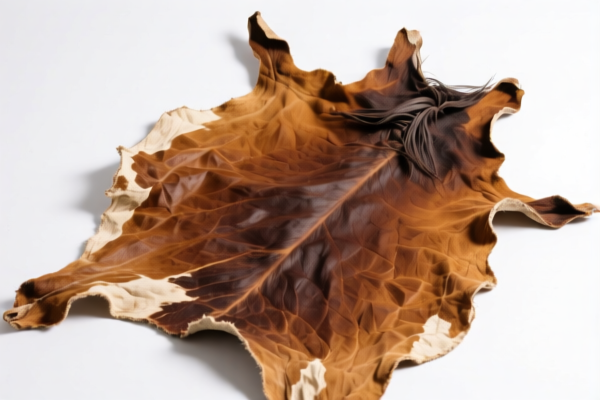
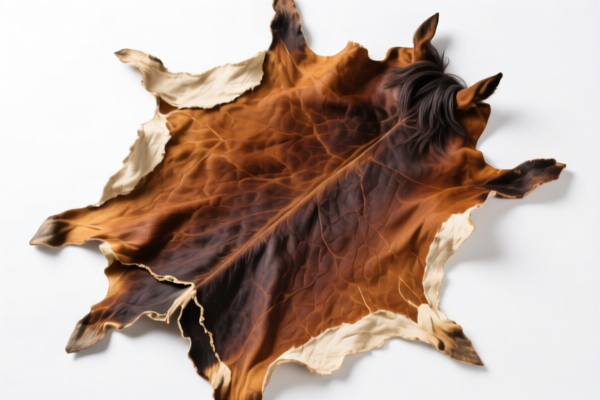
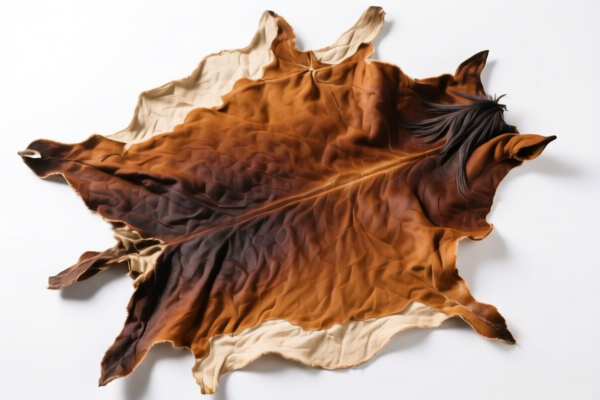

AI分析
🐎 Dried Horsehide Slices (Rawhide/Leather Products)
🌐 HS Code Reference & Customs Clearance Guide | 2026 Latest Tariff Analysis | Professional Clearance Strategy
📌 I. Product Definition & Classification: Do You Really Know "Dried Horsehide Slices"?
Horsehide is a high-value raw material used in premium leather goods, saddlery, gloves, and automotive upholstery. In international trade, the classification depends entirely on the processing stage and preservation method of the hide.
Two Main Categories: 1. Raw/Semi-Processed Hides (Unprocessed): Dried, salted, or pickled horsehides that have not undergone tanning. These are raw agricultural/animal products. 2. Processed Leather (Tanned/Finished): Horsehide that has been tanned, dyed, or otherwise worked beyond simple preservation. These are manufactured leather goods.
⚠️ Key Distinction Point:
- If the hide is only dried, salted, or pickled (no tanning agent applied) → Classified under Chapter 41, Heading 4101.
- If the hide has been tanned (vegetable, chrome, etc.) but is in a flat "slice" or "sheet" form (not yet made into shoes/bags) → Classified under Chapter 41, Headings 4104–4107.
📦 II. HS Code Classification Matrix (2026 Latest Tariff Authority Mapping)
Based on the provided , here is the authoritative mapping for Dried Horsehide Slices:
| HS Code | Product Description | Processing Stage | Tax Rate (China Origin → US) |
|---|---|---|---|
4101.20.10.20 |
Dried Horsehide, Un-tanned, Preserved by Drying | Raw Hide (Dried only) | 17.5% |
4101.90.10.40 |
Dried Horsehide, Un-tanned, Preserved by Pickling/Salting | Raw Hide (Pickled/Salted) | 17.5% |
4107.99.70.90 |
Horsehide Slices, Non-Fancy Leather (Tanned, Not Further Worked) | Tanned Leather (Flat sheets) | 15.0% |
4107.19.70.90 |
Horsehide Slices, Tanned & Processed (e.g., Chrome Tanned) | Tanned Leather (Flat sheets) | 15.0% |
4104.41.50.00 |
Horsehide Slices, Un-tanned, Unprocessed Layer | Raw Hide (Specific Layer) | 13.3% |
4104.49.50.00 |
Horsehide Slices, Hairy, Unprocessed, Leather State | Raw Hide (With hair, not tanned) | 13.3% |
🔍 Critical Clarification:
- "Dried Horsehide" typically refers to raw hides. If the user input specifically says "Dried" and implies no tanning, it falls under 4101 or 4104. - "Slices" often implies processed leather sheets (Leather Slices). If the product is tanned leather cut into slices, it falls under 4107. - Do not mix Raw (4101) with Tanned (4107). Misclassification leads to severe penalties.
💰 III. 2026 Latest Tariff Rate Breakdown (Detailed Tax Clauses)
✅ Applicable Country: United States (US)
✅ Country of Origin: China (CN)
✅ Effective Time: 2025+ (Subject to current trade policies)
🎯 1. Raw Dried Horsehide (HS Codes: 4101.20.10.20 & 4101.90.10.40)
| Tax Component | Rate | Source / Legal Basis |
|---|---|---|
| Basic MFN Tariff | 0.0% | Standard WTO rate for un-tanned hides |
| Section 301 Surcharge | 7.5% | USITC Additional Duty (Trade War Era) |
| Section 122 Duty | 10.0% | Specific U.S. Trade Restriction (122 Clause) |
| Total Effective Rate | 17.5% | Sum of all applicable duties |
📌 Explanation:
- Even though the basic tariff is 0%, the 7.5% Section 301 and 10% Section 122 duties apply to Chinese-origin raw hides. - Section 122 is a specific statutory provision that allows the President to restrict imports of certain agricultural and animal products. 10% is mandatory for this category. - Total Cost Impact: 17.5% of CIF value.
🎯 2. Tanned Horsehide Slices (HS Codes: 4107.99.70.90 & 4107.19.70.90)
| Tax Component | Rate | Source / Legal Basis |
|---|---|---|
| Basic MFN Tariff | 5.0% | Standard WTO rate for tanned leather |
| Section 301 Surcharge | 0.0% | Exempt from Section 301 for these specific leather slices |
| Section 122 Duty | 10.0% | Still applies under 122 Clause |
| Total Effective Rate | 15.0% | Sum of all applicable duties |
📌 Explanation:
- Crucial Benefit: Tanned leather slices (4107) are exempt from the 7.5% Section 301 surcharge. - However, the 10% Section 122 duty remains mandatory. - Total Cost Impact: 15.0% of CIF value. This is 2.5% cheaper than raw hides.
🎯 3. Specific Raw Layers/Slices (HS Codes: 4104.41.50.00 & 4104.49.50.00)
| Tax Component | Rate | Source / Legal Basis |
|---|---|---|
| Basic MFN Tariff | 3.3% | Standard WTO rate for specific raw layers |
| Section 301 Surcharge | 0.0% | Exempt |
| Section 122 Duty | 10.0% | Mandatory |
| Total Effective Rate | 13.3% | Sum of all applicable duties |
📌 Explanation:
- These codes apply to specific unprocessed layers or hairy, unprocessed states. - They offer the lowest total tax rate (13.3%) among all categories. - Warning: Classification must be exact. If the product is tanned, it cannot use this code. If it is a general dried hide, it should use 4101.
🛠️ IV. Customs Clearance Practical Advice (Pitfall Avoidance Guide)
✅ 1. Preparation Checklist (Non-Negotiable)
| Document | Required? | Purpose |
|---|---|---|
| ✅ Product Specification Sheet | ✔️ | Must clearly state: Tanned vs. Un-tanned, Preservation Method (Dried/Salted/Pickled), Physical State (Slice/Sheet/Hide). |
| ✅ Certificate of Origin | ✔️ | To prove Origin (China) and calculate Section 122/301 applicability. |
| ✅ Commercial Invoice | ✔️ | Must match HS Code description exactly. Use terms like "Dried Un-tanned Horsehide" or "Tanned Horsehide Slices". |
| ✅ Packing List | ✔️ | Weight, dimensions, number of pieces. |
| ✅ Tanning Process Report | ⚠️ If Tanned | To prove tanning agent used (chrome/vegetable) and justify HS Code 4107. |
| ✅ Veterinary Health Certificate | ⚠️ If Raw | Required for un-tanned animal products to prevent disease. |
✅ 2. Declaration Strategy (Key Rules)
🔥 "Raw vs. Tanned: One Line Difference, 4.2% Tax Gap!"
| Scenario | Correct HS Code | Tax Rate | Risk of Misdeclaration |
|---|---|---|---|
| Dried, Un-tanned, Whole Hide | 4101.20.10.20 |
17.5% | Low risk if described accurately. |
| Pickled/Salted, Un-tanned | 4101.90.10.40 |
17.5% | High risk if mislabeled as "Tanned" (15%) → Penalty + Back Taxes. |
| Tanned, Flat Slices | 4107.19.70.90 or 4107.99.70.90 |
15.0% | High risk if mislabeled as "Raw" (17.5%) → Overpayment (minor) or Underpayment if other codes used. |
| Unprocessed Layer/Hairy Slice | 4104.41.50.00 or 4104.49.50.00 |
13.3% | Very High Risk. Must prove it is a specific layer or unprocessed state. Customs will scrutinize closely. |
📌 Critical Tip:
- Never call "Tanned Leather" "Dried Horsehide" to avoid higher taxes. It is fraud. - Never call "Raw Hide" "Tanned Leather Slices" to avoid Section 122. It is fraud.
✅ 3. Special Considerations
| Situation | Advice |
|---|---|
| "Slices" vs. "Hides" | If the product is cut into specific shapes (not just raw sides), ensure it is tanned to qualify for 4107. Raw hides cut into slices are still raw and go to 4101/4104. |
| Section 122 Application | Applies to all horsehide entries from China. Cannot be avoided by changing HS Code within 4101/4104/4107. Plan for 10% cost. |
| Origin Shifting | If horsehide is processed in a third country (e.g., Thailand, Vietnam) and undergoes substantial transformation, it may avoid China-origin duties. Requires careful supply chain planning. |
| Sample Imports | De minimis ($800) does NOT apply to Section 122 or 301 duties. Even samples are subject to tariffs. |
🌍 V. Global Market Comparison (2026)
| Market | HS Code | Tariff Rate | Notes |
|---|---|---|---|
| 🇺🇸 USA | 4101.20.10.20 |
17.5% | Includes 10% Sec 122 + 7.5% Sec 301 |
| 🇺🇸 USA | 4107.19.70.90 |
15.0% | Includes 10% Sec 122 only |
| 🇪🇺 EU | 4101 / 4107 | Varies (2.5%-6%) | No Section 122/301 equivalent. CE/REACH not required for raw hides. |
| 🇨🇳 China | 4101 / 4107 | 0% | Zero import tariff for raw/tanned hides. No Section 122. |
📌 Conclusion:
- The US market is the most expensive due to Section 122 and 301 duties. - Tanned Leather Slices (4107) are cheaper to import into the US than Raw Hides (4101) by 2.5%. - If you are a manufacturer, consider tanning in China (if allowed) or sourcing from non-China origins to avoid Section 122.
📌 VI. Common Mistakes & Lessons Learned
❌ Mistake 1: Declaring "Tanned Horsehide" as "Dried Horsehide" to save 2.5% tax.
👉 Consequence: Customs will inspect and find tanning agents. Penalty + Back Taxes + Possible Seizure.
❌ Mistake 2: Ignoring Section 122 (10% duty).
👉 Consequence: Underpayment of duty. Interest + Penalties.
❌ Mistake 3: Using "Slices" for raw, un-tanned hides.
👉 Consequence: Misclassification. Raw hides are usually "Sides" or "Pieces." "Slices" implies processed leather. Audits.
❌ Mistake 4: Assuming all leather from China gets 301 duties.
👉 Correction: Only Raw Hides (4101) get 301 duties. Tanned Leather Slices (4107) do NOT.
✅ Correct Practice:
"Tanned Horsehide Slices, Chrome Tanned, Flat Sheets, 1.0mm Thickness, HS Code 4107.19.70.90, Origin: China"
🎯 VII. Conclusion: Professional Declaration, Cost Optimization
🎯 Remember the Formula:
🔹 Raw Dried (4101) = 0% Basic + 7.5% 301 + 10% 122 = 17.5%
🔹 Tanned Slices (4107) = 5% Basic + 0% 301 + 10% 122 = 15.0%
🔹 Raw Layer (4104) = 3.3% Basic + 0% 301 + 10% 122 = 13.3%
🔹 "Know your stage: Raw, Tanned, or Layer. Pick the code, save the dollar."
🔹 "Section 122 is always there. Don't forget the 10%."
📌 Pro Tip:
If your supplier can tanning the horsehide before export, use HS Code 4107 to save 2.5% compared to raw hides.
If the product is a specific uncut layer, use 4104 for the lowest rate (13.3%), but ensure it meets the strict definition.
📣 Immediate Action:
📞 Confirm Processing Stage with Supplier (Raw vs. Tanned).
📄 Prepare Technical Data to support HS Code.
💰 Calculate Landed Cost with 17.5%, 15.0%, or 13.3% duty.
🚀 Clear Customs Smoothly, Maximize Profit!
✨ Precision in Classification, Profit in Practice!
💼 Every Percent Counts in Horsehide Trade!
用户评价
关于 HS 编码归类
协调制度(HS)是由世界海关组织(WCO)制定的国际贸易商品分类标准。全球 200 多个国家采用 HS 系统作为海关关税、贸易统计和进出口监管的基础。
每个 HS 编码遵循以下层级结构:
- 章(2 位)——商品大类(例如:第 84 章:机器和机械设备)
- 品目(4 位)——章内的更具体分类
- 子目(6 位)——国际通用细分,所有 WCO 成员国统一使用
- 本国细分(8-10 位)——各国自行扩展的细分编码,如美国 HTSUS 10 位编码
正确的 HS 编码归类对于顺利通关、准确缴纳关税和遵守贸易法规至关重要。错误归类可能导致海关延误、多缴关税或罚款。
从CN进口到US时,适用的关税税率可能包括:
- 最惠国(MFN)税率——适用于 WTO 成员国的标准关税税率
- 普通税率——适用于无贸易协定国家
- 贸易救济关税——附加关税,如 301 条款(反倾销)、232 条款(国家安全)或反补贴税
本页内容仅供参考。如需正式归类,请咨询当地海关或持牌报关代理。