drool bib
CN → US| HS编码 | 关税税率 | 原产国 | 目的国 | 文档 |
|---|---|---|---|---|
| 6217109510 | 32.1% | CN | US | 官方文档 |
| 6217108500 | 24.6% | CN | US | 官方文档 |
| 6117809570 | 32.1% | CN | US | 官方文档 |
商品图片
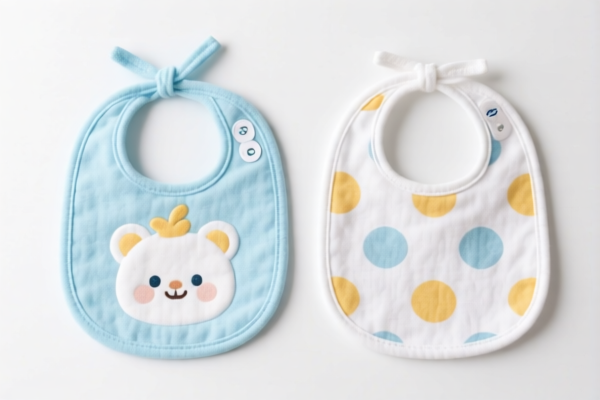
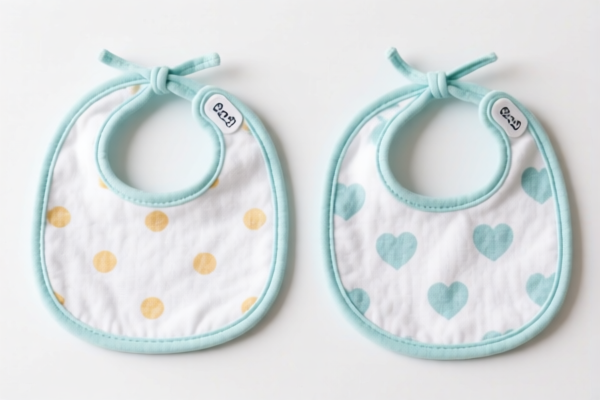
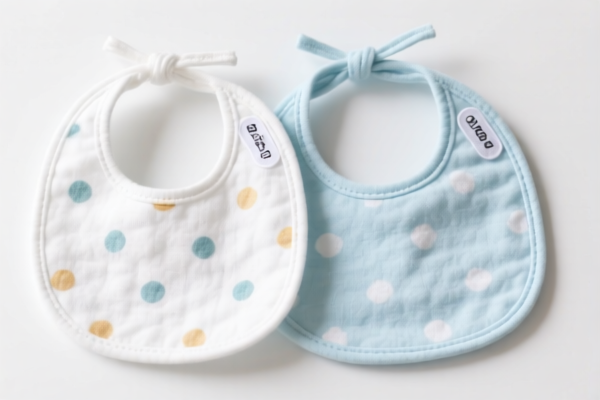
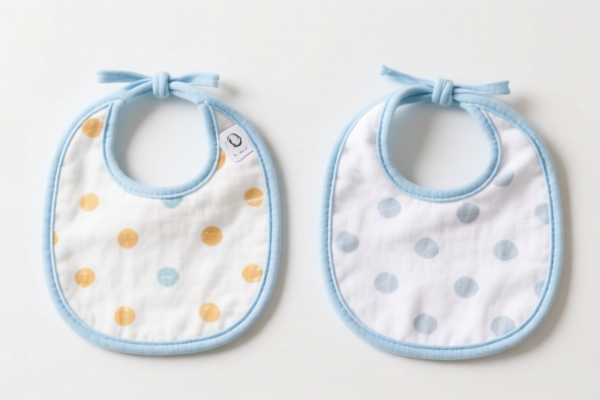
AI分析
🍼 Drool Bibs: The Ultimate HS Code & Tariff Strategy Guide for US Imports (2026)
🌐 HS Code Reference & Customs Clearance Guide | 2026 Latest Tariff Analysis | Professional-Level Clearance Strategy
📌 Part I: Product Definition & Classification – Do You Really Understand a "Drool Bib"?
A Drool Bib (or simply "Bib") is an essential baby accessory designed to protect clothing from saliva, milk, or food spills. In international trade, its classification depends heavily on material composition and whether it is considered a "part/accessory of apparel".
The Data provided in <DATA> reveals three potential HS Codes based on material assumptions:
1. 6217.10.95.10: Categorized as a clothing accessory, assuming Cotton or Blended Fabric.
2. 6217.10.85.00: Categorized as a clothing accessory/apparel part, assuming Woven Fabric without material conflict.
3. 6117.80.95.70: Categorized as a clothing accessory, assuming Non-Cotton, Non-Wool, or Fine Animal Hair materials.
⚠️ Key Distinction Point:
- If the bib is made of woven fabric (even if knitted-like appearance, but structurally woven), it often falls under Chapter 62 (Articles of Apparel and Clothing Accessories, Not Knitted or Crocheted) → HS 6217.10.
- If the bib is knitted or crocheted (most common for baby bibs due to softness/stretch), it may fall under Chapter 61 (Knitted or Crocheted) → HS 6117.80.
- Crucial: The specific material (Cotton vs. Synthetic vs. Other) determines the final 8-10 digit subheading and the resulting Total Tax Rate.
📦 Part II: HS Code Classification Details (2026 Latest Tariff Authority Comparison)
Based on the provided <DATA>, here is the breakdown of the three possible classifications:
| HS Code | Product Description & Material Assumption | Summary from Data | Total Tax Rate | Tax Detail Breakdown |
|---|---|---|---|---|
6217.10.95.10 |
Clothing Accessory: Cotton or Blended Fabric | "Drool bibs belong to clothing accessories, material inferred as cotton or blend, fits other categories." | 32.1% | Base: 14.6%, Section 301: 7.5%, Section 122: 10% |
6217.10.85.00 |
Clothing Accessory/Apparel Part: Woven Fabric | "Drool bibs belong to clothing accessories/apparel parts, material inferred as fabric, no material conflict." | 24.6% | Base: 14.6%, Section 301: 0.0%, Section 122: 10% |
6117.80.95.70 |
Clothing Accessory: Non-Cotton, Non-Wool | "Drool bibs belong to clothing accessories, material inferred as non-cotton, wool, or fine animal hair, fits other material categories." | 32.1% | Base: 14.6%, Section 301: 7.5%, Section 122: 10% |
🔍 Critical Analysis:
- Why such a big difference in tax?
The primary driver is the Section 301 (122 Clause) Tariff.
- HS 6217.10.85.00 benefits from 0% Section 301 tariff, resulting in a lower total tax of 24.6%.
- HS 6217.10.95.10 and 6117.80.95.70 are subject to 7.5% Section 301 tariff, resulting in a higher total tax of 32.1%.
- How to choose?
You must accurately determine the material composition and construction method (Knitted vs. Woven).
- If the bib is Woven and fits the criteria for 85.00, it saves 7.5%.
- If the bib is Knitted or fits "Other" categories, it incurs the higher rate.
💰 Part III: 2026 Latest Tariff Rate Details (Including Additional Taxes)
✅ Applicable Country: United States (US)
✅ Origin: China (CN) (Assumed based on "122 Clause" and Section 301 context)
✅ Effective Time: Current as of 2026
🎯 1. 6217.10.95.10 – Clothing Accessory (Cotton/Blend, Woven)
| Item | Detail |
|---|---|
| Base Tariff Rate | 14.6% |
| Section 301 Tariff (122 Clause) | +7.5% |
| Section 122 Tariff | +10.0% |
| Total Tax Rate | 32.1% |
| Tax Calculation | CIF Value × 32.1% |
| De Minimis Exemption | ❌ Not Applicable (High value goods usually not eligible; check specific rules for Section 301) |
| Legal Basis Path | Section 301: 6217.10.95 → Section 122: 6217.10.95 → USITC: 6217.10.95.10 |
📌 Explanation:
- Base Rate 14.6%: Standard Most Favored Nation (MFN) rate for woven clothing accessories.
- Section 301 7.5%: Additional duty imposed on goods of Chinese origin under Section 301 of the Trade Act.
- Section 122 10%: Additional duty under Section 122 of the Trade Act of 1974 (national security/economic interests).
- Total 32.1%: This is a high-cost classification. Ensure material is strictly "Cotton or Blend" and "Woven" to justify this code.
🎯 2. 6217.10.85.00 – Clothing Accessory (Woven Fabric, Optimal Tax)
| Item | Detail |
|---|---|
| Base Tariff Rate | 14.6% |
| Section 301 Tariff (122 Clause) | 0.0% |
| Section 122 Tariff | +10.0% |
| Total Tax Rate | 24.6% |
| Tax Calculation | CIF Value × 24.6% |
| De Minimis Exemption | ❌ Not Applicable |
| Legal Basis Path | Section 122: 6217.10.85 → USITC: 6217.10.85.00 |
📌 Advantage:
- This code offers the lowest total tax rate (24.6%).
- Key Condition: The bib must be classified under 85.00 (Other). This often requires specific material or construction criteria that exclude the "Other" high-tax categories.
- Strategy: If your bib is woven and fits the "85.00" subheading, this is the optimal HS Code. Verify with a customs broker that your specific fabric (e.g., polyester, nylon, or specific cotton blends) qualifies for 85.00 and not 95.10.
🎯 3. 6117.80.95.70 – Clothing Accessory (Non-Cotton/Wool, Knitted)
| Item | Detail |
|---|---|
| Base Tariff Rate | 14.6% |
| Section 301 Tariff (122 Clause) | +7.5% |
| Section 122 Tariff | +10.0% |
| Total Tax Rate | 32.1% |
| Tax Calculation | CIF Value × 32.1% |
| De Minimis Exemption | ❌ Not Applicable |
| Legal Basis Path | Section 301: 6117.80.95 → Section 122: 6117.80.95 → USITC: 6117.80.95.70 |
📌 Explanation:
- This code applies if the bib is Knitted or Crocheted (Chapter 61).
- Most baby bibs are knitted for softness and stretch. If knitted, they fall under 6117.80.
- Like 6217.10.95.10, it incurs Section 301 (7.5%), leading to the 32.1% total rate.
- Material Note: "Non-cotton, non-wool" suggests synthetic materials (polyester, microfiber) often used in modern bibs.
🛠️ Part IV: Customs Clearance Practical Advice (Pitfall Avoidance Guide)
✅ 1. Preparation Checklist (Mandatory)
| Material | Required? | Explanation |
|---|---|---|
| ✅ Product Specification Sheet | ✔️ | Must detail: Material (100% Cotton? Polyester blend?), Construction (Woven vs. Knitted), Dimensions, Closure Type (Velcro/Snap). |
| ✅ Fabric Swatch or Photos | ✔️ | Crucial to prove Woven vs. Knitted. Customs may inspect the fabric structure. |
| ✅ Commercial Invoice | ✔️ | Clear description: "Baby Drool Bib, Woven Cotton, Size XX". Avoid vague terms like "Textile Item". |
| ✅ Packing List | ✔️ | Itemize bibs separately from other products. |
| ✅ Origin Certificate | ✔️ | Confirm Country of Origin is China to trigger Section 301/122 correctly. |
✅ 2. Declaration Tips (Key Mantra)
🔥 "Material & Construction Determine Code, Section 301 Can Save 7.5%!"
| Scenario | Correct Declaration | Wrong Approach |
|---|---|---|
| Woven Bib, Fits 85.00 | 6217.10.85.00 |
Misclassifying as 95.10 → +7.5% Penalty Tax |
| Knitted Bib (Synthetic) | 6117.80.95.70 |
Misclassifying as Woven → Misdeclaration Risk |
| Knitted Bib (Cotton) | 6117.80.95.70 (or similar) |
If incorrectly declared as Woven, risk of 32.1% vs potential lower if eligible (but data shows 32.1% for this path) |
| Vague Description | "Baby Bib, Cotton, Woven" | "Clothing Accessory" → Customs Query/Delay |
✅ 3. Special Situations
| Situation | Handling Advice |
|---|---|
| OEM Custom Bibs | Provide design specs and material test reports. Ensure "Woven" vs "Knitted" is explicitly stated in production docs. |
| Multi-Material Bibs | If the bib has cotton outer and synthetic liner, Main Material Rule applies. Usually, the outer fabric defines the classification. |
| Gift Sets | If bibs are part of a gift set, they may be classified by the essential character of the set. Keep bibs as separate line items if possible for accurate tax calculation. |
| Section 122 Exemptions | Check if any recent executive orders have exempted specific textile accessories from Section 122. (Currently, data shows 10% applies). |
🌍 Part V: Global Market Comparison (2026 Latest)
| Country/Region | Recommended HS Code | Tariff (China Origin) | Certification | Notes |
|---|---|---|---|---|
| 🇺🇸 USA | 6217.10.85.00 (Best) |
24.6% (Lowest) | CPSIA, ASTM F963 | High Section 301 impact. 85.00 saves 7.5%. |
| 🇺🇸 USA | 6217.10.95.10 |
32.1% | CPSIA, ASTM F963 | Higher tax if 85.00 criteria not met. |
| 🇪🇺 EU | 6217.10 or 6117.80 |
0% - 6% (depending on material) | CE, REACH | No Section 301. Generally lower taxes. |
| 🇨🇦 Canada | 6217.10 |
0% - 5% | Canada Standards | CPTPP may apply if from partner countries. |
| 🇬🇧 UK | 6217.10 |
0% - 5% | UKCA | Post-Brexit rules apply. |
📌 Conclusion:
- USA is the most challenging market due to Section 301 (7.5%) and Section 122 (10%).
- Maximize Savings: Strive to classify under6217.10.85.00to avoid Section 301. This requires precise material and construction alignment.
- Documentation is Key: Be prepared to prove the woven structure or specific material composition if challenged.
📌 Part VI: Common Errors & Pitfall Guide (Lessons from Tears)
❌ Error 1: Assuming all bibs are "Knitted"
👉 Consequence: Missing out on 6217.10.85.00 (24.6%) → Paying 32.1% unnecessarily.
✅ Fix: Verify fabric structure. Many "soft" bibs are microfiber or specific woven blends.
❌ Error 2: Vague Material Description ("Textile")
👉 Consequence: Customs may assign the highest default tariff or delay clearance.
✅ Fix: Specify "100% Cotton Woven" or "Polyester Microfiber Knitted".
❌ Error 3: Ignoring Section 122 Tariff
👉 Consequence: Underestimating costs by 10%.
✅ Fix: Factor in 10% Section 122 in all US cost calculations.
❌ Error 4: Confusing "Clothing" with "Accessories"
👉 Consequence: Wrong HS Code chapter (61 vs 62).
✅ Fix: Bibs are accessories, not main clothing items. Use Chapter 61/62, not Chapter 61/62 "Garments".
🎯 Part VII: Conclusion: Professional Declaration, Save Cost, Clear Smoothly!
🎯 Remember the Mantra:
🔹 "Check Woven vs Knitted, Material Dictates the Code."
🔹 "Section 301 is 7.5%, Section 122 is 10%, Total 32.1% without Strategy."
🔹 "Aim for 6217.10.85.00 to Save 7.5%!"
📌 Pro Tip:
If your bibs are made of specific woven fabrics that qualify for 85.00, ensure your supplier’s tech pack explicitly states the weave structure. For knitted bibs, be prepared for the 32.1% rate. Consider pre-ruling with US Customs if volume is high.
📣 Immediate Action:
📞 Contact a licensed customs broker + Provide Fabric Swatches + Request HS Code Pre-Ruling
🚀 Ensure your drool bibs clear customs efficiently, avoid surprise taxes, and maximize profit!
✨ Professional Clearance Starts with Precise Classification!
💼 Every Cent Saved in Tariffs is Pure Profit!
用户评价
关于 HS 编码归类
协调制度(HS)是由世界海关组织(WCO)制定的国际贸易商品分类标准。全球 200 多个国家采用 HS 系统作为海关关税、贸易统计和进出口监管的基础。
每个 HS 编码遵循以下层级结构:
- 章(2 位)——商品大类(例如:第 84 章:机器和机械设备)
- 品目(4 位)——章内的更具体分类
- 子目(6 位)——国际通用细分,所有 WCO 成员国统一使用
- 本国细分(8-10 位)——各国自行扩展的细分编码,如美国 HTSUS 10 位编码
正确的 HS 编码归类对于顺利通关、准确缴纳关税和遵守贸易法规至关重要。错误归类可能导致海关延误、多缴关税或罚款。
从CN进口到US时,适用的关税税率可能包括:
- 最惠国(MFN)税率——适用于 WTO 成员国的标准关税税率
- 普通税率——适用于无贸易协定国家
- 贸易救济关税——附加关税,如 301 条款(反倾销)、232 条款(国家安全)或反补贴税
本页内容仅供参考。如需正式归类,请咨询当地海关或持牌报关代理。