dry bag
CN → US| HS编码 | 关税税率 | 原产国 | 目的国 | 文档 |
|---|---|---|---|---|
| 3926909989 | 22.8% | CN | US | 官方文档 |
| 5907001500 | 43.0% | CN | US | 官方文档 |
| 3926904590 | 38.5% | CN | US | 官方文档 |
| 5907006000 | 35.0% | CN | US | 官方文档 |
| 6807100000 | 35.0% | CN | US | 官方文档 |
商品图片
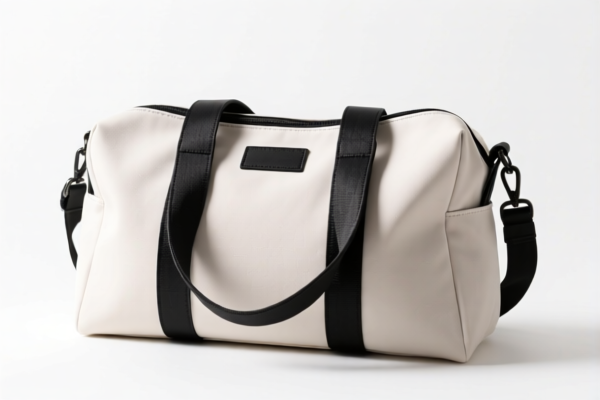
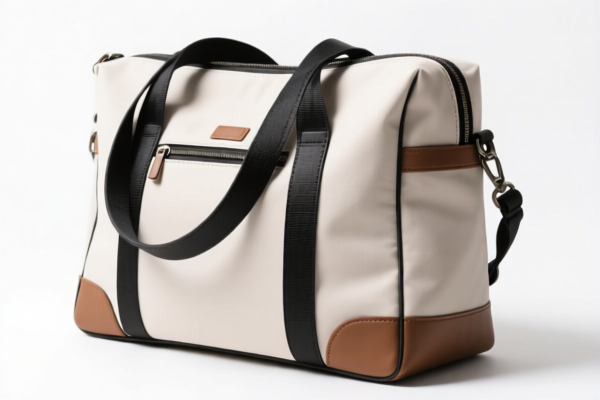
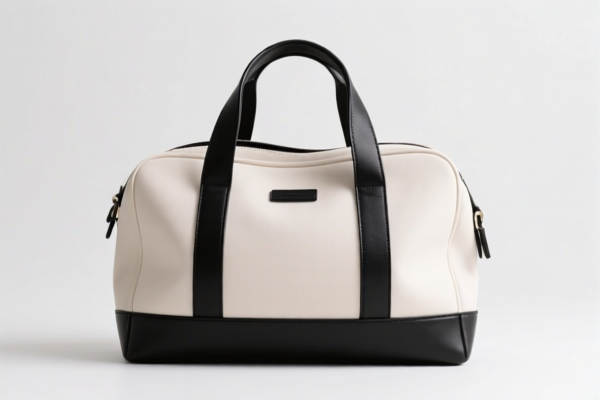
AI分析
🎒 Dry Bag (Waterproof Bags & Containers)
🌐 HS Code Reference & Customs Clearance Guide | 2026 Latest Tariff Analysis | Professional Logistics Strategy
📌 I. Product Definition & Classification: Do You Really Understand "Dry Bags"?
A Dry Bag is a versatile container designed to protect contents from water, dust, and dirt. In international trade, classification depends heavily on the primary material and function:
- Plastic/Membrane Bags: If the bag is made primarily of plastic sheets/films without significant textile reinforcement, it is classified as a Plastic Article.
- Textile/Membrane Coated Bags: If the bag is made of fabric (man-made fibers) coated or covered with plastic/rubber to make it waterproof, it is classified as a Textile Product.
- Other Materials: If made of asphalt-coated fabrics or other specific materials, different rules apply.
⚠️ Key Distinction Point:
- If the primary characteristic is the plastic film holding the shape → Chapter 39 (Plastics)
- If the primary characteristic is the fabric coated for waterproofing → Chapter 59 (Textiles)
- Do NOT classify simple plastic ziplock bags under textiles if they are purely plastic structures.
📦 II. HS Code Classification Details (2026 Latest Tariff Authority Comparison)
Based on the provided data, here are the specific HS Codes for Dry Bags depending on their material composition:
| HS Code | Product Description | Application Scenario | Material Structure |
|---|---|---|---|
3926.90.99.89 |
Other plastic articles; Waterproof membrane-type plastic products | Simple plastic dry bags, pure PE/PP bags without fabric lining | ✅ Pure Plastic |
5907.00.15.00 |
Textile fabrics coated, covered, or laminated with plastics; Coated man-made fiber fabric | Heavy-duty dry bags made of Nylon/Polyester with a plastic coating | ✅ Fabric + Plastic Coating |
3926.90.45.90 |
Other plastic articles; Plastic membrane products (gaskets/seals type) | Specialized plastic seal bags or gasket-type waterproof containers | ✅ Plastic Membrane/Seal |
5907.00.60.00 |
Textile fabrics impregnated, coated, covered or laminated with plastics; Man-made fiber form as membrane/sheet | Lightweight waterproof textile sheets/bags | ✅ Man-made Fiber + Coating |
6807.10.00.00 |
Membrane-type products made of asphalt or similar materials | Rare; Industrial waterproofing membranes used as bags | ✅ Asphalt/Bitumen based |
🔍 Focus Reminder:
- Most common consumer Dry Bags fall under5907(if fabric-based) or3926(if pure plastic). - Misclassification between3926and5907leads to significant tax differences (see below).
💰 III. 2026 Latest Tariff Rate Details (Including Surcharge, Policy Surcharge)
✅ Applicable Country: United States (US)
✅ Origin: China (CN)
✅ Effective Date: From November 10, 2025 (including subsequent imports)
🎯 1. 3926.90.99.89 —— Pure Plastic Dry Bags (Waterproof Membrane)
| Item | Content |
|---|---|
| Base Duty Rate | 5.3% (ad valorem) |
| Section 301 Surcharge | +7.5% |
| Section 122 Surcharge | +10% |
| Total Tax Rate | 22.8% |
| Tax Calculation | CIF Value × 22.8% |
| De Minimis Eligibility | ❌ No (Subject to scrutiny) |
| Legal Basis Path | Section 122 → Section 301 → USITC:3926.90.99.89 |
📌 Explanation:
- This code applies to bags made entirely of plastic film. - The total rate is 22.8%, which is moderate compared to textile options but still significant. - Section 122 (10%) is a specific surcharge for certain plastic imports.
🎯 2. 5907.00.15.00 —— Fabric-Based Dry Bags (Coated Nylon/Polyester)
| Item | Content |
|---|---|
| Base Duty Rate | 8.0% (ad valorem) |
| Section 301 Surcharge | +25.0% |
| Section 122 Surcharge | +10% |
| Total Tax Rate | 43.0% |
| Tax Calculation | CIF Value × 43.0% |
| De Minimis Eligibility | ❌ No |
| Legal Basis Path | Section 122 → Section 301 → USITC:5907.00.15.00 |
📌 Critical Warning:
- This is the highest tax rate in the list. - If your dry bag is made of Nylon or Polyester fabric coated with PVC/PU, it falls here. - 43% is a heavy burden. Many exporters try to avoid this by optimizing design or material selection.
🎯 3. 3926.90.45.90 —— Special Plastic Seal/Membrane Bags
| Item | Content |
|---|---|
| Base Duty Rate | 3.5% (ad valorem) |
| Section 301 Surcharge | +25.0% |
| Section 122 Surcharge | +10% |
| Total Tax Rate | 38.5% |
| Tax Calculation | CIF Value × 38.5% |
| De Minimis Eligibility | ❌ No |
| Legal Basis Path | Section 122 → Section 301 → USITC:3926.90.45.90 |
📌 Note:
- Applies to plastic bags with specific sealing/membrane structures (e.g., gasket-type). - Lower base rate (3.5%) than pure plastic bags, but high Section 301 surcharge (+25%) makes it expensive.
🎯 4. 5907.00.60.00 —— Lightweight Coated Textile Bags
| Item | Content |
|---|---|
| Base Duty Rate | 0.0% (ad valorem) |
| Section 301 Surcharge | +25.0% |
| Section 122 Surcharge | +10% |
| Total Tax Rate | 35.0% |
| Tax Calculation | CIF Value × 35.0% |
| De Minimis Eligibility | ❌ No |
| Legal Basis Path | Section 122 → Section 301 → USITC:5907.00.60.00 |
📌 Advantage:
- Base rate is 0%, which is the lowest among textile options. - Total rate is 35%, which is 8.5% lower than5907.00.15.00. - Ideal for lightweight waterproof textile sheets/bags.
🎯 5. 6807.10.00.00 —— Asphalt/Bitumen Waterproof Bags
| Item | Content |
|---|---|
| Base Duty Rate | 0.0% (ad valorem) |
| Section 301 Surcharge | +25.0% |
| Section 122 Surcharge | +10% |
| Total Tax Rate | 35.0% |
| Tax Calculation | CIF Value × 35.0% |
| De Minimis Eligibility | ❌ No |
| Legal Basis Path | Section 122 → Section 301 → USITC:6807.10.00.00 |
📌 Niche Use:
- Only for industrial waterproofing membranes made of asphalt. - Rarely used for consumer dry bags.
🛠️ IV. Customs Clearance Practical Advice (Combat Pitfall Guide)
✅ 1. Preparation Checklist (No Exceptions)
| Document | Mandatory | Description |
|---|---|---|
| ✅ Product Specifications | ✔️ | Material composition (e.g., "100% Nylon 210D with PVC coating") |
| ✅ Material Breakdown | ✔️ | Crucial for distinguishing between Chapter 39 (Plastic) and 59 (Textile) |
| ✅ Product Photos | ✔️ | Clear images of the bag, zipper, and internal structure |
| ✅ Commercial Invoice | ✔️ | Must accurately describe the item as "Waterproof Bag" or "Dry Bag" with material details |
| ✅ Packing List | ✔️ | Net/Gross weight, dimensions |
| ✅ Test Reports | ✔️ | If claimed to be "Waterproof," provide lab test results (optional but recommended) |
✅ 2. Declaration Tips (Key Mantra)
🔥 “Material is King! Don’t Guess, Specify!”
| Scenario | Correct Declaration | Incorrect Action |
|---|---|---|
| Pure Plastic Bag | 3926.90.99.89 (22.8%) |
Declare as Textile → Risk of penalty + higher tax |
| Nylon Bag + PVC Coating | 5907.00.15.00 (43.0%) |
Declare as Pure Plastic → Low tax risk, but customs will check |
| Lightweight Coated Fabric | 5907.00.60.00 (35.0%) |
Misclassified as 15.00 → Overpay 8% |
| Asphalt Coated Bag | 6807.10.00.00 (35.0%) |
Rare, ensure material matches |
📌 Crucial Tip:
- If your bag is Nylon fabric with PVC coating, you might have two options:5907.00.15.00(43%) or potentially5907.00.60.00(35%) if it fits the "membrane/sheet" definition. - Strategy: Consult with a customs broker to see if your specific fabric structure qualifies for the lower rate under5907.00.60.00.
✅ 3. Special Handling
| Situation | Handling Advice |
|---|---|
| OEM Custom Bags | Provide design files + material spec sheet. Avoid vague terms like "Plastic Bag." |
| Mixed Materials | If the bag has plastic handles but fabric body, declare based on principal material (usually fabric for dry bags). |
| Small Quantity Samples | Even for samples, ensure correct HS code. De minimis exemption does not apply to these codes. |
| Asphalt Bags | Ensure proper labeling. If not truly asphalt, do not use 6807.10.00.00. |
🌍 V. Global Market Comparison (2026 Latest)
| Country/Region | Recommended HS Code | Tariff (China Origin) | Certification | Note |
|---|---|---|---|---|
| 🇺🇸 USA | 5907.00.60.00 or 3926.90.99.89 |
35% or 22.8% | No specific | High Section 301 + 122 surcharges |
| 🇨🇳 China | 6305.33.90 or 3926.90 |
5% - 10% | CCC (if applicable) | Lower import duties for domestic |
| 🇪🇺 EU | 6305.33.90 |
4% - 12% | CE (if applicable) | No Section 301/122 |
| 🇬🇧 UK | 6305.33.90 |
4% - 12% | UKCA | Post-Brexit rules apply |
📌 Conclusion:
- USA is the most expensive market due to Section 301 (25%) and Section 122 (10%) surcharges. - Optimization Strategy: If possible, choose products classified under3926.90.99.89(22.8%) instead of5907.00.15.00(43%) by adjusting material design (e.g., using more plastic film vs. coated fabric).
📌 VI. Common Errors & Pitfall Guide (Lessons Learned)
❌ Error 1: Declaring a Nylon PVC-coated bag as a Pure Plastic Bag (3926)
👉 Consequence: Customs inspection reveals fabric content → Back taxes + Fine + Delay.
❌ Error 2: Using vague description "Bag" without material specification
👉 Consequence: Customs assigns default highest rate → Unexpected 43% tax bill.
❌ Error 3: Misclassifying 5907.00.15.00 (43%) when 5907.00.60.00 (35%) applies
👉 Consequence: Overpaying 8% unnecessarily.
👉 Fix: Provide technical datasheets to prove it fits the "membrane/sheet" category.
✅ Correct Action:
"Waterproof Dry Bag, 20L, Made of 210D Nylon Fabric with PVC Coating, Model XYZ"
→ Use5907.00.15.00or negotiate for5907.00.60.00with broker.
🎯 VII. Conclusion: Smart Classification Saves Money!
🎯 Remember the Mantra:
🔹 "Fabric + Plastic = 5907 (43% or 35%)
🔹 "Pure Plastic = 3926 (22.8% or 38.5%)
🔹 "Check your material first, declare correctly, save thousands!"
📌 Pro Tip:
- For consumer dry bags, consider if you can design them with more plastic film and less coated fabric to qualify for 3926.90.99.89 (22.8% vs 43%).
- Always get a Pre-Ruling from US Customs if shipping large volumes.
📣 Immediate Action:
📞 Contact your customs broker with material specs
🚀 Optimize your product design to lower tax burden
🌊 Make your Dry Bags profit-friendly, not tax-heavy!
✨ Professional Clearance Starts with Accurate Classification!
💼 Every Dollar Saved in Tax is Pure Profit!
用户评价
关于 HS 编码归类
协调制度(HS)是由世界海关组织(WCO)制定的国际贸易商品分类标准。全球 200 多个国家采用 HS 系统作为海关关税、贸易统计和进出口监管的基础。
每个 HS 编码遵循以下层级结构:
- 章(2 位)——商品大类(例如:第 84 章:机器和机械设备)
- 品目(4 位)——章内的更具体分类
- 子目(6 位)——国际通用细分,所有 WCO 成员国统一使用
- 本国细分(8-10 位)——各国自行扩展的细分编码,如美国 HTSUS 10 位编码
正确的 HS 编码归类对于顺利通关、准确缴纳关税和遵守贸易法规至关重要。错误归类可能导致海关延误、多缴关税或罚款。
从CN进口到US时,适用的关税税率可能包括:
- 最惠国(MFN)税率——适用于 WTO 成员国的标准关税税率
- 普通税率——适用于无贸易协定国家
- 贸易救济关税——附加关税,如 301 条款(反倾销)、232 条款(国家安全)或反补贴税
本页内容仅供参考。如需正式归类,请咨询当地海关或持牌报关代理。