dyed animal hair fabric
CN → US| HS编码 | 关税税率 | 原产国 | 目的国 | 文档 |
|---|---|---|---|---|
| 5112116030 | 60.0% | CN | US | 官方文档 |
| 5111112000 | 42.0% | CN | US | 官方文档 |
| 5806103020 | 38.8% | CN | US | 官方文档 |
| 5806391000 | 41.6% | CN | US | 官方文档 |
| 5112199510 | 60.0% | CN | US | 官方文档 |
商品图片
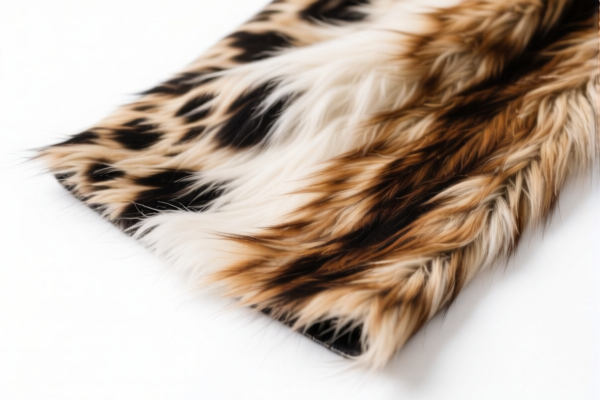
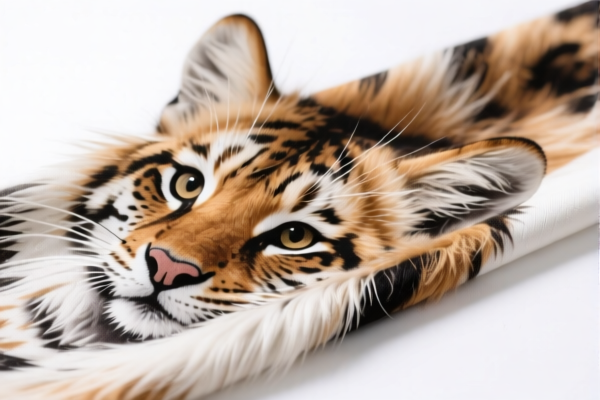
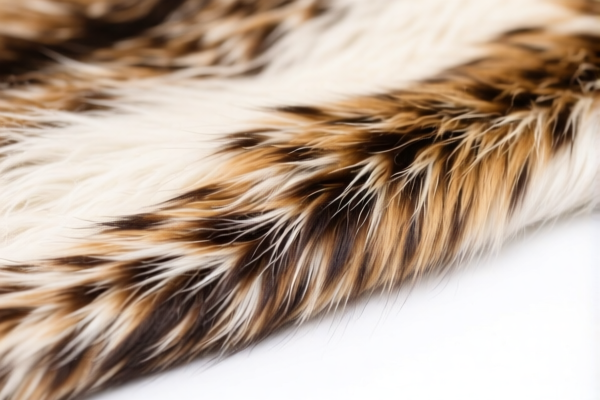
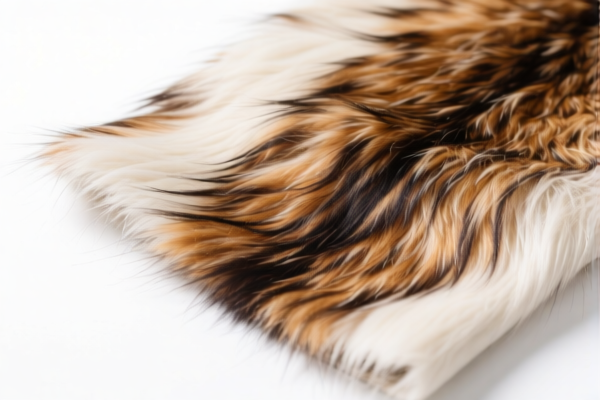
AI分析
Here is the comprehensive guide for Dyed Animal Hair Fabric, tailored to the provided dataset in a wiki-style format.
🧵 Dyed Animal Hair Fabric: HS Code Classification & 2026 Tariff Strategy
🌐 Global Trade Compliance Guide | 2026 Tariff Breakdown | High-Risk Clearance Alert
📌 一、Product Definition & Classification Logic: Is it "Braid" or "Fabric"?
Dyed Animal Hair Fabric (primarily Wool and Fine Animal Hair) falls under Chapter 51 of the HS Code system. The critical distinction for accurate classification lies in the Form (Weft/Warp) and Finish (Woven vs. Braid).
In international trade, these goods are categorized into three distinct structural forms:
- Woven Fabric (织物): General textiles used for garments or upholstery.
- Fine/Combed Wool → Usually 5112.19.95.10
- Combed Wool (Standard) → Usually 5111.11.20.00
- Woven Braid/Band (织带): Narrow, decorative, or functional strips.
- General Braid → Usually 5112.11.60.30
- Narrow Woven Fabric (狭幅织物): Specific narrow widths (often for trim or hatbands).
- Wool/Fine Hair Narrow → Usually 5806.10.30.20 or 5806.39.10.00
⚠️ Key Differentiator: * Width & Structure: If the width is < 30cm and used as trim, it is likely Chapter 58 (Narrow Woven). * Yarn Type: "Fine Animal Hair" (e.g., Cashmere, Angora) vs. "Wool" (Sheep). * Processing: Dyed status implies the yarn or fabric has been colored, affecting the specific sub-heading under Chapter 51.
📦 二、HS Code Classification Details (Based on Your Data)
| HS Code | Product Description (Summary) | Structure & Material | Tax Rate Logic |
|---|---|---|---|
5112.11.60.30 |
Animal Hair Braid (Dyed) |
Form: Braid/Weft/Warp Material: Animal Hair (Fine/Wool) |
60.0% (High Risk) |
5111.11.20.00 |
Combed Animal Hair Fabric (Dyed) |
Form: Woven Fabric Material: Combed Animal Hair |
42.0% (Medium Risk) |
5806.10.30.20 |
Narrow Woven Fabric (Wool) (Dyed) |
Form: Narrow Woven (Trim) Material: Wool/Fine Hair |
38.8% (Lower Risk) |
5806.39.10.00 |
Other Narrow Woven Fabric (Dyed) |
Form: Narrow Woven Material: Wool/Fine Hair |
41.6% (Medium Risk) |
5112.19.95.10 |
Fine Animal Hair Fabric (Combed) (Dyed) |
Form: Woven Fabric Material: Fine Hair + Combed Wool |
60.0% (High Risk) |
🔍 Critical Insight: * Items
5112.11.60.30and5112.19.95.10carry the highest penalty (60.0%) due to the combination of "Fine Animal Hair" and specific tariff add-ons. * Items in Chapter 58 (5806...) generally have a slightly lower base tariff but still suffer heavy penalties.
💰 三、2026 Tariff Structure Breakdown (Deep Dive)
✅ Applicable Region: United States (US)
✅ Origin: China (CN)
✅ Status: Subject to Section 301 (USITC), Section 232 (Steel/Alum - Applied via Footnote), and Section 122 (Trade Dispute).
🚨 High-Risk Category: 60.0% Total Tariff
(Applies to HS Codes: 5112.11.60.30, 5112.19.95.10)
| Component | Rate | Legal Basis / Description |
|---|---|---|
| Base Tariff | 25.0% | Standard Most Favored Nation (MFN) rate for animal hair textiles. |
| Section 301 Penalty | 25.0% | "Additional Duties" imposed under the US Trade Representative's Section 301 investigation. |
| Section 122 Penalty | 10.0% | Specific punitive tariff for China-originated wool/textiles under the "122 Clause" (Trade Remedies). |
| TOTAL EFFECTIVE RATE | 60.0% | 60% of CIF Value is tax. |
📌 Explanation: * Why so high? These items are classified as Strategic Textiles. The 10% "Section 122" is a specific punitive layer added to the 301 duties (25%) and Base Duty (25%). * No De Minimis: These goods cannot be imported via small package exemptions (e.g., $800 de minimis is blocked for these categories).
⚠️ Medium-High Risk Category: 42.0% Total Tariff
(Applies to HS Code: 5111.11.20.00)
| Component | Rate | Legal Basis / Description |
|---|---|---|
| Base Tariff | 7.0% | Lower base rate for standard combed wool. |
| Section 301 Penalty | 25.0% | Heavy penalty for "Combed Animal Hair". |
| Section 122 Penalty | 10.0% | Punitive tariff applied to Chinese wool products. |
| TOTAL EFFECTIVE RATE | 42.0% | 42% of CIF Value. |
✅ Lowest Risk Category: 38.8% - 41.6%
(Applies to Chapter 58 Narrow Woven Goods: 5806.10.30.20, 5806.39.10.00)
| HS Code | Base Tariff | Section 301 | Section 122 | TOTAL |
|---|---|---|---|---|
5806.10.30.20 |
3.8% | 25.0% | 10.0% | 38.8% |
5806.39.10.00 |
6.6% | 25.0% | 10.0% | 41.6% |
📌 Insight: The base tariff for narrow woven fabrics (Chapter 58) is significantly lower (3.8% - 6.6%) compared to bulk fabric (7% - 25%), but the 25% + 10% penalties remain constant, making the total still very high.
🛠️ 四、Customs Clearance Strategy & Recommendations
✅ 1. Pre-Shipment Documentation Checklist
To avoid audits and delays, ensure these specific documents are ready:
| Document | Requirement | Why It Matters |
|---|---|---|
| Detailed Composition | Must specify % of Fine Animal Hair vs. Wool. | Crucial for distinguishing between 5112 (Fine) and 5111 (Standard). |
| Dyeing Certificate | Proof of "Dyed" status (not just yarn dyed). | Confirms processing stage to prevent misclassification. |
| Width Measurement | Exact width in cm/inches. | Critical for Chapter 58: If width > 30cm, it must be Chapter 51, not 58. |
| Mill Test Report | Yarn count (Ne/Nm) and Combed status. | Needed to verify "Combed" (精梳) vs. "Carded" classification. |
| Declaration of Origin | Explicit "Made in China". | Triggers the 10% Section 122 tariff; hiding origin leads to seizure. |
✅ 2. Classification Logic (The "Golden Rule")
🔥 "If it is wide, it is Chapter 51. If it is narrow, it is Chapter 58."
| Scenario | Recommended HS Code | Risk Level | Action |
|---|---|---|---|
| Fabric > 30cm width (Standard roll) | 5112.19.95.10 (Fine) or 5111.11.20.00 (Combed) |
🔴 High (60% or 42%) | Prepare cash flow for heavy duties. |
| Fabric < 30cm width (Trim/Braid) | 5806.10.30.20 or 5806.39.10.00 |
🟠 Medium (38.8% - 41.6%) | Verify if "Braid" fits 5112.11.60.30 (60%!). |
| Specific "Fine Animal Hair" (Cashmere/Alpaca) | 5112.19.95.10 |
🔴 Highest (60%) | Double Check: Is it truly "Fine"? Misclassification here costs 25% extra. |
✅ 3. Special Warnings for "Dyed" Goods
- Colorfastness Testing: Customs may request lab reports to ensure the dye is not prohibited (e.g., certain azo dyes).
- Value Declaration: Do not undervalue. The 60% tariff means every $1 of undervalued goods costs the importer $0.60 in hidden fines.
- Section 122 Nuance: This 10% tariff is non-negotiable for Chinese origin wool. Do not attempt to route via Vietnam/Mexico without a valid "Substantial Transformation" certificate, or you will be blocked.
✅ 4. Cost Optimization Strategy
- Strategy A: Narrow Woven Conversion: If your product design allows, reduce width to < 30cm to potentially move from Chapter 51 (
511260%) to Chapter 58 (5806~39%). Savings: ~21%. - Strategy B: Pre-Order Duty Planning: With rates up to 60%, factor this into your landed cost immediately.
- Strategy C: Avoid "Braid" if Possible:
5112.11.60.30(60%) is often more expensive than broad fabric5111(42%). Ensure the definition of "Braid" is accurate.
🌍 五、Global Market Comparison (US Focus)
| Market | Recommended HS Code | Base Tariff | Total (with US Penalties) | Status |
|---|---|---|---|---|
| 🇺🇸 USA | 5112.19.95.10 (Best for Fine) |
25.0% | 60.0% | ⛔ Blocked / High Cost |
| 🇪🇺 EU | 5112 (General) | 12% | 12% + VAT | ✅ Standard (No Section 122) |
| 🇯🇵 Japan | 5111/5112 | 8% | 8% + Consumption Tax | ✅ Favorable |
| 🇨🇳 China | 5111/5112 | 5% | 5% | ✅ Domestic Use |
📌 Conclusion: The US market is the most hostile for Dyed Animal Hair due to the "122 Clause" and Section 301. Diversify sourcing or target non-US markets if margin is tight.
📌 Six, Common Pitfalls & Avoidance
❌ Pitfall 1: Calling it "Braid" when it's "Fabric"
* Result: If you declare a wide fabric as 5806 (Narrow) to avoid high tax, Customs will reclassify to 5112 (60%) + Penalty.
* Fix: Measure width strictly.
❌ Pitfall 2: Confusing "Fine Animal Hair" with "Wool"
* Result: 5112 (Fine) = 60%. 5111 (Wool) = 42%. Mislabeling "Cashmere" as "Wool" leads to fraud charges.
* Fix: Use fiber content certificates.
❌ Pitfall 3: Ignoring the "10% Section 122" * Result: Many traders only calculate 25% + 25% = 50%, forgetting the extra 10%, leading to budget shortfalls. * Fix: Always budget for 60% for Fine Animal Hair items.
🎯 Final Verdict
Dyed Animal Hair Fabric is a High-Tax Category in the US market. * Best Case: ~38.8% (Narrow woven, low base). * Worst Case: 60% (Fine animal hair, braid/fabric).
Recommendation:
🔹 Re-evaluate product design to see if it can qualify for Chapter 58 (Narrow) to reduce rates. 🔹 Verify fiber content strictly to avoid "Fine Animal Hair" classification if possible. 🔹 Prepare capital for the 60% duty burden or explore markets outside the US.
✨ Professional Customs Clearance Starts with Precision!
💼 Every percentage point saved is pure profit!
🚀 Clear the confusion, calculate the duty, secure your supply chain!
用户评价
关于 HS 编码归类
协调制度(HS)是由世界海关组织(WCO)制定的国际贸易商品分类标准。全球 200 多个国家采用 HS 系统作为海关关税、贸易统计和进出口监管的基础。
每个 HS 编码遵循以下层级结构:
- 章(2 位)——商品大类(例如:第 84 章:机器和机械设备)
- 品目(4 位)——章内的更具体分类
- 子目(6 位)——国际通用细分,所有 WCO 成员国统一使用
- 本国细分(8-10 位)——各国自行扩展的细分编码,如美国 HTSUS 10 位编码
正确的 HS 编码归类对于顺利通关、准确缴纳关税和遵守贸易法规至关重要。错误归类可能导致海关延误、多缴关税或罚款。
从CN进口到US时,适用的关税税率可能包括:
- 最惠国(MFN)税率——适用于 WTO 成员国的标准关税税率
- 普通税率——适用于无贸易协定国家
- 贸易救济关税——附加关税,如 301 条款(反倾销)、232 条款(国家安全)或反补贴税
本页内容仅供参考。如需正式归类,请咨询当地海关或持牌报关代理。