dyed fur waste for handcraft
CN → US| HS编码 | 关税税率 | 原产国 | 目的国 | 文档 |
|---|---|---|---|---|
| 4302209000 | 36.7% | CN | US | 官方文档 |
| 4302194570 | 37.2% | CN | US | 官方文档 |
商品图片
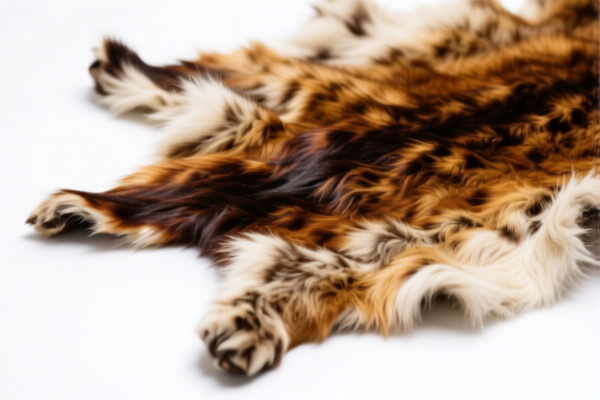
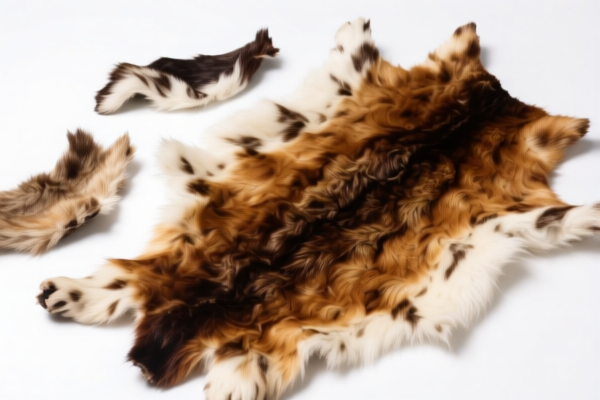
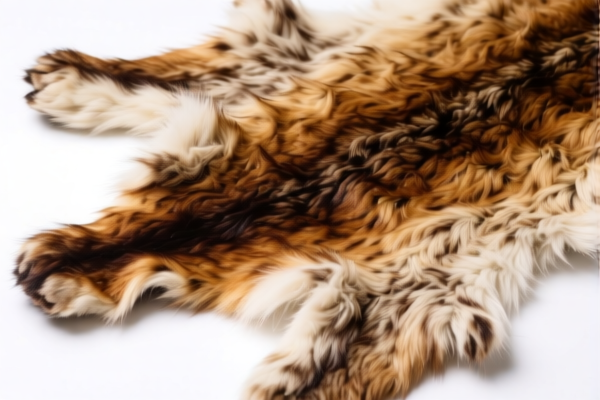
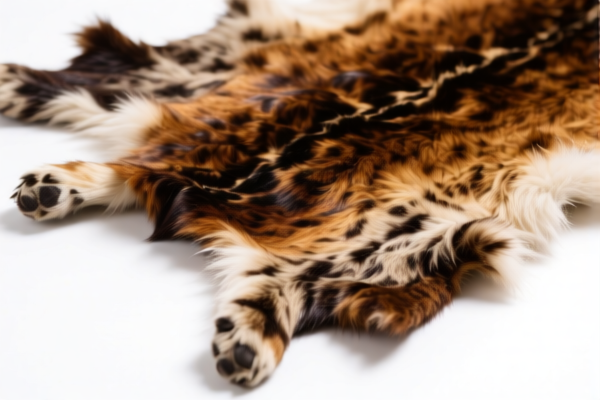
AI分析
🐾 Dyed Fur Waste for Handcraft (Tanned/Dressed Furskins - Cuttings & Pieces)
🌐 HS Code Reference & Customs Clearance Guide | 2026 Latest Tariff Analysis | Professional Transit Strategy
📌 I. Product Definition & Classification: What Exactly is "Dyed Fur Waste"?
"Dyed fur waste for handcraft" typically refers to tanned or dressed furskins, specifically heads, tails, paws, or other pieces/cuttings, which are unassembled (or loosely assembled without adding other materials like leather backing or fabric), and have been dyed.
⚠️ Key Distinction:
- If the items are whole skins (with/without head/tail/paws) of specific animals (beaver, ermine, fox, etc.), they fall under a different subheading.
- If the items are pieces, cuttings, heads, tails, or paws that are not assembled into finished garments or accessories, they fall under Heading 4302.
- "Dyed" means the fur has been colored after tanning/dressing.📌 Critical Point for Customs:
- "Waste" in the craft context does not mean "scrap to be discarded." It means "pieces/cuttings" suitable for crafting.
- If the goods are assembled into jackets or collars, they would move to HS 4303.
- Since the input specifies "for handcraft" and implies "pieces/cuttings", the correct classification is unassembled pieces/cuttings.
📦 II. HS Code Classification Details (2026 Latest Tariff Authority)
| HS Code | Product Description | Application Scenario | Key Features |
|---|---|---|---|
4302.20.90.00 |
Tanned/dressed furskins (pieces/cuttings): Other: Dyed | Your Target Product: Dyed fur heads, tails, paws, or irregular cuttings for handcrafting. | ✅ Unassembled ✅ Dyed ✅ Pieces/Cuttings |
4302.19.45.70 |
Whole skins (beaver, fox, etc.): Dyed Other | Whole skins of specific valuable furs (e.g., fox, sable, mink). | ❌ Not applicable unless you have whole skins of listed species. |
🔍 Why
4302.20.90.00?
- The product is described as "dyed fur waste for handcraft", which aligns with "heads, tails, paws and other pieces or cuttings, not assembled".
- It is not a whole skin of a specific high-value animal listed in4302.19.
- It is dyed, so it falls under the "Dyed" subcategory.
- Therefore,4302.20.90.00is the most accurate classification for dyed fur pieces/cuttings.
💰 III. 2026 Latest Tariff Rate Breakdown (Including Surcharge & Policy Add-ons)
✅ Applicable Country: United States (US)
✅ Origin: China (CN)
✅ Effective Time: 2025/2026 Current Rates
🎯 1. 4302.20.90.00 —— Dyed Fur Pieces/Cuttings (Unassembled)
| Item | Content |
|---|---|
| Base Tariff Rate | 1.7% (Ad Valorem) |
| Section 301 Surcharge | +25.0% (USITC Footnote 9903.88.01) |
| Total Tariff Rate | 26.7% |
| Tax Calculation | CIF Value × 26.7% |
| De Minimis Exemption | ❌ Not Eligible (Deny De Minimis for HS 4302 under Section 301) |
| Legal Basis Path | USITC:4302.20.90.00 → FOOTNOTE:9903.88.01 → Section 301: 25% Surcharge |
📌 Explanation:
- Base Rate (1.7%): Standard Most Favored Nation (MFN) rate for furskins.
- Section 301 Surcharge (25%): The United States imposes an additional 25% tariff on goods classified under HS 4302 from China.
- Total Cost Impact: A 26.7% total duty is significant. For a $1,000 shipment, you pay $267 in duties.
- No De Minimis: Unlike small electronics, fur products from China do not benefit from the $800 de minimis exemption if they are subject to Section 301 surcharges.
🎯 2. 4302.19.45.70 —— Whole Skins (For Comparison)
| Item | Content |
|---|---|
| Base Tariff Rate | 0.0% |
| Section 301 Surcharge | 0.0% |
| Total Tariff Rate | 0.0% |
| Tax Calculation | CIF Value × 0.0% |
📌 Note: This rate is for whole skins of specific animals (fox, sable, etc.). If your "waste" is mistakenly declared as "whole skins," it could lead to misclassification penalties. Ensure you declare as "pieces/cuttings" if applicable.
🛠️ IV. Customs Clearance Practical Advice (Avoiding Pitfalls)
✅ 1. Required Documentation Checklist
| Document | Mandatory? | Notes |
|---|---|---|
| ✅ Commercial Invoice | ✔️ | Must clearly state: "Dyed Fur Pieces/Cuttings for Handcraft" |
| ✅ Packing List | ✔️ | Detail the number of pieces, weight, and dimensions |
| ✅ Product Photos | ✔️ | Show the actual state (unassembled, dyed, cuttings) |
| ✅ Proof of Origin | ✔️ | Certificate of Origin (CO) if applicable |
| ✅ Material Declaration | ✔️ | Specify: "Tanned Leather/Fur," "Dyed," "Unassembled" |
✅ 2. Declaration Tips (Key Mantra)
🔥 "Declare as Pieces, Not Whole Skins; Declare as Unassembled, Not Garments!"
| Situation | Correct Declaration | Wrong Declaration |
|---|---|---|
| Dyed fur scraps for craft | 4302.20.90.00 |
"Fur Fabric" or "Fur Garment" → Higher tax or seizure |
| Whole fox skins | 4302.19.45.70 |
"Fur Waste" → Misclassification |
| Assembled fur collar | 4303.90.00.00 |
"Pieces" → Under-declared tax |
✅ 3. Special Considerations
| Situation | Handling Advice |
|---|---|
| "Waste" Terminology | Avoid using "waste" in commercial documents. Use "Fur Pieces," "Cuttings," or "Craft Materials" to avoid being classified as "garbage" or restricted waste. |
| CITES Compliance | If the fur comes from protected species (e.g., leopard, lynx), you must provide CITES permits. Even for common species, be prepared for scrutiny. |
| Dye Composition | Ensure dyes comply with US toxicity standards (TSCA). Non-compliant dyes can lead to rejection. |
🌍 V. Global Market Comparison (2026 Latest)
| Country/Region | Recommended HS Code | Tariff (CN Origin) | Notes |
|---|---|---|---|
| 🇺🇸 USA | 4302.20.90.00 |
26.7% (1.7% + 25%) | High cost due to Section 301 |
| 🇨🇳 China | 4302.20.90.00 |
1.7% | No additional surcharges for domestic trade |
| 🇪🇺 EU | 4302.20.90.00 |
5.0% | No Section 301 equivalent, but strict CITES |
| 🇬🇧 UK | 4302.20.90.00 |
5.0% | Post-Brexit tariffs may vary slightly |
| 🇨🇦 Canada | 4302.20.90.00 |
1.7% | No Section 301 surcharge |
📌 Conclusion:
- USA is the most expensive market for dyed fur pieces from China due to the 25% Section 301 surcharge.
- Consider sourcing from non-China origins (e.g., Denmark, Lithuania) to avoid the 25% surcharge if exporting to the US.
📌 VI. Common Mistakes & Pitfalls (Lessons Learned)
❌ Mistake 1: Declaring "Fur Waste" as "Fur Garments"
👉 Consequence: Higher tax rate (up to 12% base + 25% surcharge) or seizure if mislabeled.
❌ Mistake 2: Using "Waste" in the Product Name
👉 Consequence: Customs may interpret it as "solid waste," leading to rejection under EPA regulations. Use "Fur Craft Materials" instead.
❌ Mistake 3: Failing to Distinguish Between "Pieces" and "Whole Skins"
👉 Consequence: Misclassification → Back taxes + Penalties.
✅ Correct Declaration Example:
"Dyed Tanned Fur Pieces/Cuttings (Unassembled) for Handcraft Use, Model XYZ, 100% Leather, Dyed, Country of Origin: China"
🎯 VII. Conclusion: Professional Declaration, Cost Optimization
🎯 Remember:
🔹 "Declare as 'Fur Pieces,' not 'Waste'."
🔹 "Tariff is 26.7% in the US – plan your cost accordingly."
🔹 "Avoid Section 301 by sourcing from non-China origins if possible."
📌 Pro Tip:
If your fur pieces are undyed, the base tariff is still 1.7%, but the 25% surcharge applies. If they are assembled into accessories, the tariff may change. Always confirm the state of assembly and dyeing status before shipping.
📣 Action Required:
📞 Contact a licensed customs broker.
🚀 Prepare accurate commercial invoices with clear descriptions.
💡 Consider pre-classification rulings if unsure.
✨ Professional Customs Clearance Starts with Accurate Classification!
💼 Every percentage point matters – optimize your supply chain today!
用户评价
关于 HS 编码归类
协调制度(HS)是由世界海关组织(WCO)制定的国际贸易商品分类标准。全球 200 多个国家采用 HS 系统作为海关关税、贸易统计和进出口监管的基础。
每个 HS 编码遵循以下层级结构:
- 章(2 位)——商品大类(例如:第 84 章:机器和机械设备)
- 品目(4 位)——章内的更具体分类
- 子目(6 位)——国际通用细分,所有 WCO 成员国统一使用
- 本国细分(8-10 位)——各国自行扩展的细分编码,如美国 HTSUS 10 位编码
正确的 HS 编码归类对于顺利通关、准确缴纳关税和遵守贸易法规至关重要。错误归类可能导致海关延误、多缴关税或罚款。
从CN进口到US时,适用的关税税率可能包括:
- 最惠国(MFN)税率——适用于 WTO 成员国的标准关税税率
- 普通税率——适用于无贸易协定国家
- 贸易救济关税——附加关税,如 301 条款(反倾销)、232 条款(国家安全)或反补贴税
本页内容仅供参考。如需正式归类,请咨询当地海关或持牌报关代理。