dyed whole leather
CN → US| HS编码 | 关税税率 | 原产国 | 目的国 | 文档 |
|---|---|---|---|---|
| 4107118000 | 12.4% | CN | US | 官方文档 |
| 4107198000 | 12.4% | CN | US | 官方文档 |
商品图片
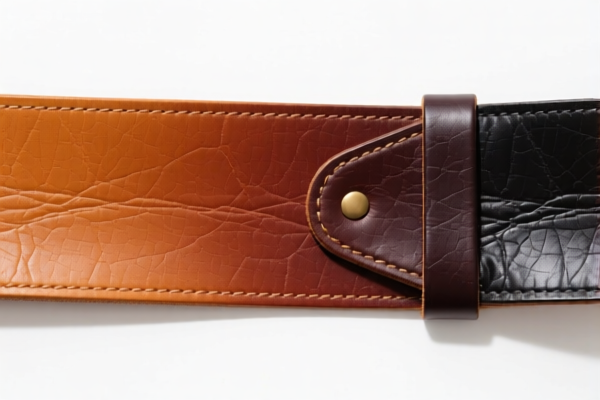
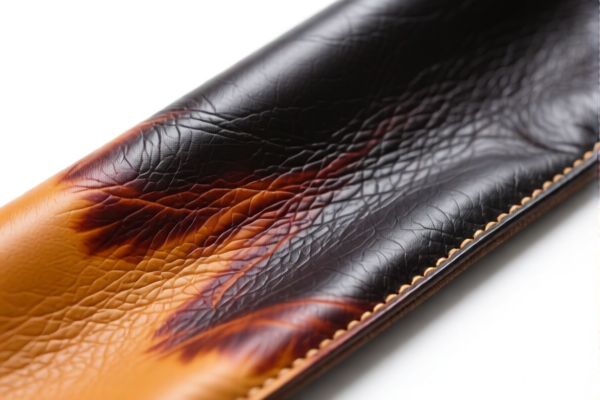
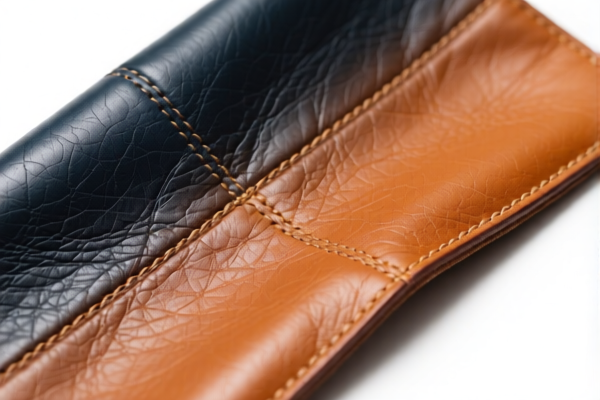
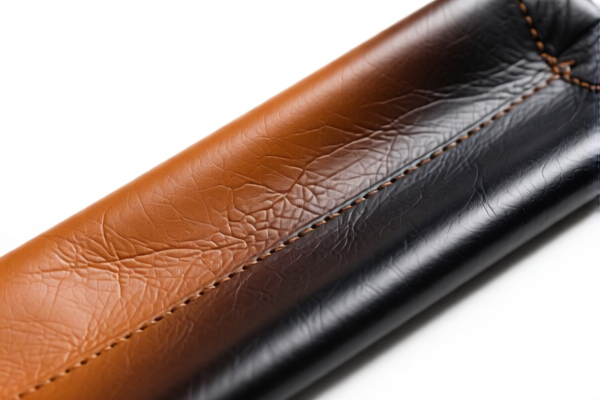
AI分析
🐂 Dyed Whole Leather (Genuine Cowhide/Equine)
🌐 HS Code Reference & Customs Clearance Guide | 2026 Latest Tariff Analysis | Professional Clearance Strategy
📌 Part I: Product Definition & Classification: What is "Dyed Whole Leather"?
Dyed Whole Leather refers to leather that has undergone full tanning and finishing processes (such as dyeing, crusting, or finishing) but remains in its whole hide or skin form (unsplit or fully retained grain layer), specifically from bovine (cow, buffalo) or equine (horse, mule) animals. It excludes hair-on leather (fur) and leather of heading 4114 (patent or metallized leather).
In international trade, this category is primarily divided into two critical sub-categories based on the structural integrity of the grain layer:
Full Grain (Unsplit/Full Split Retained):
The natural grain surface is intact. This is high-quality, durable leather often used for premium goods. If the leather is not further processed into specific "Fancy" types (like embossed or heavily altered surface), it falls under specific sub-headings. However, for general "Dyed Whole Leather" not specified as "Fancy," it often defaults to the general unsplit category unless specific aesthetic treatments define it as "Fancy."
Split/Other Whole Hides:
If the leather is of bovine/equine origin but does not fit the strict "Full Grain" definition or is processed differently, it falls under "Other."
⚠️ Key Distinction Point:
- If the leather is "Fancy" (e.g., heavily embossed, patterned, or surface-altered for aesthetic purposes) and is Full Grain/Unsplit, it is classified under 4107.11.80.00.
- If the leather is "Other" (standard dyed finish, no special "Fancy" treatment) or falls under different structural classifications within bovine/equine whole hides, it is classified under 4107.19.80.00.
📦 Part II: HS Code Classification Details (2026 Latest Tariff Authority Comparison)
| HS Code | Product Description | Applicable Scenario | Tax Rate (China Origin to US) |
|---|---|---|---|
4107.11.80.00 |
Leather, bovine/equine, whole, unsplit, Fancy, other than 4114 | Premium embossed, patterned, or aesthetically altered full-grain leather | 2.4% (Base) + 0% (Additional) = 2.4% |
4107.19.80.00 |
Leather, bovine/equine, whole, other, Fancy / Other | Standard dyed whole hides, buffalo/cow leather not classified as "Fancy" or other "Other" categories | 0.0% (Base) + 0% (Additional) = 0.0% |
🔍 Key Reminder:
- The distinction between 4107.11 and 4107.19 often hinges on whether the leather is legally defined as "Fancy" in the specific tariff sub-heading context or if it falls under the broader "Other" category for bovine/equine whole hides.
- 4107.11.80.00 carries a 2.4% base tariff.
- 4107.19.80.00 carries a 0.0% base tariff.
- No Section 301 Additional Tariffs (25%) or IEEPA Additional Tariffs (10%) apply to these specific leather HS codes in the provided data.
💰 Part III: 2026 Latest Tariff Rate Details (Including Base & Additional Taxes)
✅ Applicable Country: United States (US)
✅ Origin: China (CN)
✅ Effective Time: 2025-2026 Tariff Regime
🎯 1. 4107.11.80.00 —— Dyed Whole Leather, Bovine/Equine, Fancy
| Item | Content |
|---|---|
| Base Tariff Rate | 2.4% (ad valorem) |
| Section 301 Additional Tariff | 0.0% |
| IEEPA Additional Tariff | 0.0% |
| Total Tariff Rate | 2.4% |
| Tax Calculation | CIF Value × 2.4% |
| De Minimis Exemption Eligibility | ❌ No (Leather goods typically do not qualify for de minimis exemptions due to higher value and specific restrictions) |
| Legal Basis Path | HTSUS:4107.11.80.00 |
📌 Explanation:
- This code applies to Fancy leather (often implying specific aesthetic treatments like embossing or grain preservation that classifies it as a distinct "Fancy" category under 4107.11).
- The 2.4% rate is a standard base tariff.
- Crucially, unlike many electronic or steel products, leather goods of this specific classification do NOT attract the 25% Section 301 or 10% IEEPA additional tariffs in the provided dataset. This makes it significantly cheaper than many other categories from China.
🎯 2. 4107.19.80.00 —— Dyed Whole Leather, Bovine/Equine, Other
| Item | Content |
|---|---|
| Base Tariff Rate | 0.0% |
| Section 301 Additional Tariff | 0.0% |
| IEEPA Additional Tariff | 0.0% |
| Total Tariff Rate | 0.0% |
| Tax Calculation | CIF Value × 0.0% |
| De Minimis Exemption Eligibility | ❌ No |
| Legal Basis Path | HTSUS:4107.19.80.00 |
📌 Explanation:
- This code applies to "Other" whole hides and skins of bovine/equine animals that are further prepared but do not fall under the specific "Full Grain, Unsplit, Fancy" definition of 4107.11, or are broader "Other" categories.
- The 0.0% rate is highly competitive.
- No additional tariffs apply, making this the most cost-effective classification for standard dyed whole leather.
🛠️ Part IV: Customs Clearance Practical Advice (Pitfall Avoidance Guide)
✅ 1. Required Documentation Checklist (All Required)
| Document | Mandatory? | Description |
|---|---|---|
| ✅ Product Specification Sheet | ✔️ | Must specify: Animal type (Cow/Buffalo/Horse), Tanning method, Dyes used, Finish type (Genuine, Suede, etc.). |
| ✅ Commercial Invoice | ✔️ | Must clearly state "Dyed Whole Leather, Bovine/Equine Origin" and HS Code. |
| ✅ Packing List | ✔️ | Detail weight, dimensions, and number of hides/skins. |
| ✅ Certificate of Origin (CO) | ✔️ | Proof of origin is critical to verify the 0.0% or 2.4% rate vs. non-China origin rates if applicable. |
| ✅ Photos of Goods | ✔️ | Show texture, grain, and edges to prove it is "Whole Hide" and not split leather or fur. |
| ✅ Tanning Certificate | ✔️ | To prove the leather is "Further Prepared" (tanned/crusting done) and not raw hides (which have different HS codes). |
✅ 2. Declaration Tips (Key Mnemonic)
🔥 "Fancy Pays 2.4, Other is Free, No 301 Tariff, Just 2.4 or Zero!"
| Scenario | Correct Declaration | Wrong Practice |
|---|---|---|
| Premium Embossed/Patterned Full Grain | 4107.11.80.00 (2.4%) |
Declaring as "Other" (0%) → Risk of Penalty/Back Taxes if it is indeed "Fancy." |
| Standard Dyed Cowhide | 4107.19.80.00 (0.0%) |
Declaring as "Raw Hide" → Wrong HS Code, wrong tax. |
| Split Leather Only | ❌ Not 4107.11/19 | Split leather has different sub-headings (e.g., 4107.21, 4107.29). Do not use 4107.1x for split-only leather. |
| Hair-on Fur Leather | ❌ Not 4107 | If hair is retained, it is 4103 or 4104, not 4107. |
✅ 3. Special Circumstances Handling
| Situation | Handling Advice |
|---|---|
| Mixed Shipments | If a shipment contains both "Fancy" and "Other" leather, declare separately to avoid misclassification penalties. |
| Buffalo vs. Cow | Both fall under "Bovine." Ensure the invoice specifies "Bovine (including Buffalo)" to match HS Code 4107. |
| Leather with Metal Hardware | If leather is part of a finished article (e.g., bag), it may be classified under Chapter 42, not Chapter 41. Ensure you are importing raw/dyed hides, not finished goods. |
| Pre-Ruling | Given the difference between 2.4% and 0.0%, and the definition of "Fancy," consider requesting a Pre-Ruling from CBP if the leather's aesthetic treatment is borderline. |
🌍 Part V: Global Market Comparison (2026 Latest)
| Country/Region | Recommended HS Code | Tariff Rate (China Origin) | Certification/Notes |
|---|---|---|---|
| 🇺🇸 United States | 4107.11.80.00 / 4107.19.80.00 |
2.4% / 0.0% | No 301/IEEPA tariffs for these specific codes. |
| 🇨🇳 China | 4107.11.80.00 / 4107.19.80.00 |
2.4% / 0.0% | Import tariffs may vary slightly; check China's latest tariff schedule. |
| 🇪🇺 European Union | 4107.11 / 4107.19 |
4.5% (General) | EU tariffs are generally higher but stable. |
| 🇬🇧 United Kingdom | 4107.11 / 4107.19 |
4.5% (Post-Brexit) | UK-specific duty rates apply. |
| 🇦🇺 Australia | 4107.11 / 4107.19 |
5.0% | Standard MFN rate. |
📌 Conclusion:
- The US offers highly competitive tariffs for Chinese leather, especially for "Other" whole hides at 0.0%.
- No Section 301 tariffs apply to these specific leather codes, which is a major advantage over electronics or machinery.
- Key Risk: Misclassifying "Fancy" leather as "Other" to save 2.4% can lead to significant penalties. Accurate description of the leather's finish is vital.
📌 Part VI: Common Mistakes & Pitfall Guide (Blood-Letting Lessons)
❌ Mistake 1: Classifying Split Leather under 4107.1x
👉 Consequence: Split leather has different HS codes (e.g., 4107.21). Misclassification leads to incorrect duty assessment and potential delays.
👉 Fix: Ensure the product is "Whole Hide/Skin" (includes grain layer).
❌ Mistake 2: Confusing Dyed Leather with Finished Leather Goods (e.g., belts, bags)
👉 Consequence: Finished goods are classified under Chapter 42 (e.g., 4203.21 for belts). Chapter 41 is for raw/dyed hides.
👉 Fix: Importing hides? Use 4107. Importing bags? Use 4203.
❌ Mistake 3: Ignoring the "Fancy" Definition
👉 Consequence: Using 4107.19.80.00 (0%) for leather that is clearly embossed/patterned ("Fancy") risks a 2.4% back-tax + penalties.
👉 Fix: If the leather has special aesthetic surface treatment, consult the definition of "Fancy" and consider 4107.11.80.00.
❌ Mistake 4: Failing to Specify Animal Origin
👉 Consequence: "Bovine" and "Equine" fall under 4107. If it's porcine (pig), it falls under 4104 or 4105.
👉 Fix: Clearly state "Bovine" or "Equine" on the invoice.
✅ Correct Declaration Example:
"Dyed Whole Leather, Bovine Origin, Unsplit, Tanned and Crusted, HS Code 4107.19.80.00, Country of Origin: China"
🎯 Part VII: Conclusion: Professional Declaration, Cost Savings, Efficiency!
🎯 Remember the Mnemonic:
🔹 "Fancy 2.4, Other 0.0, No 301 Tariff, Save Big on Leather!"
🔹 "Whole Hide, Not Split, Bovine/Equine, Avoid 4104/4105!"
🔹 "HS Code Determines Tax, 2.4 vs 0.0, Declare Right, Save Money!"
📌 Pro Tip:
If your leather is not from China (e.g., from Italy, Brazil, or the US), the base tariff may be lower or zero under FTAs. However, for China-origin leather, the 0.0% rate for 4107.19.80.00 and 2.4% for 4107.11.80.00 are the most favorable in the US market due to the absence of additional Section 301/IEEPA tariffs.
📣 Immediate Action:
📞 Consult a Licensed Customs Broker
📤 Provide Detailed Product Photos & Specifications
🚀 Secure the 0.0% or 2.4% Rate, Avoid Penalties, and Maximize Profit Margins!
✨ Professional Clearance, Starting with Precise Classification!
💼 Every cent of your cost deserves precise calculation!
用户评价
关于 HS 编码归类
协调制度(HS)是由世界海关组织(WCO)制定的国际贸易商品分类标准。全球 200 多个国家采用 HS 系统作为海关关税、贸易统计和进出口监管的基础。
每个 HS 编码遵循以下层级结构:
- 章(2 位)——商品大类(例如:第 84 章:机器和机械设备)
- 品目(4 位)——章内的更具体分类
- 子目(6 位)——国际通用细分,所有 WCO 成员国统一使用
- 本国细分(8-10 位)——各国自行扩展的细分编码,如美国 HTSUS 10 位编码
正确的 HS 编码归类对于顺利通关、准确缴纳关税和遵守贸易法规至关重要。错误归类可能导致海关延误、多缴关税或罚款。
从CN进口到US时,适用的关税税率可能包括:
- 最惠国(MFN)税率——适用于 WTO 成员国的标准关税税率
- 普通税率——适用于无贸易协定国家
- 贸易救济关税——附加关税,如 301 条款(反倾销)、232 条款(国家安全)或反补贴税
本页内容仅供参考。如需正式归类,请咨询当地海关或持牌报关代理。