eco friendly pulp paper core
CN → US| HS编码 | 关税税率 | 原产国 | 目的国 | 文档 |
|---|---|---|---|---|
| 4823700020 | 35.0% | CN | US | 官方文档 |
| 4823901000 | 35.0% | CN | US | 官方文档 |
| 4823908680 | 35.0% | CN | US | 官方文档 |
商品图片
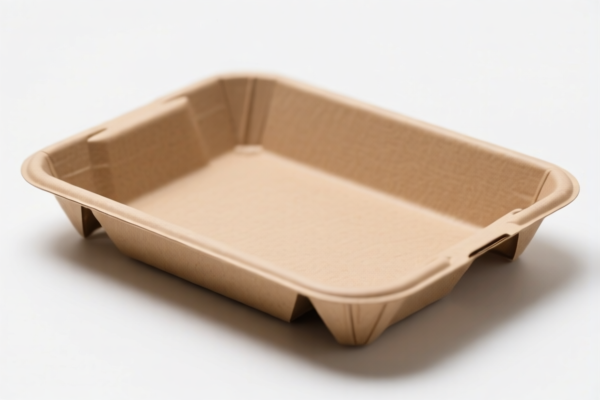
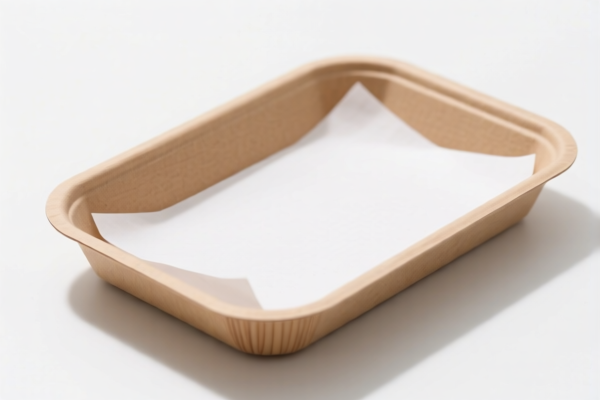
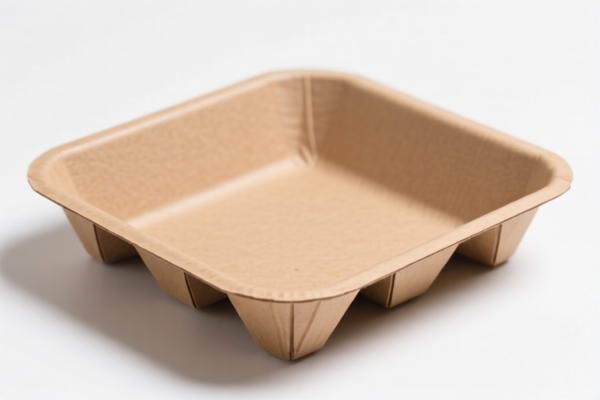
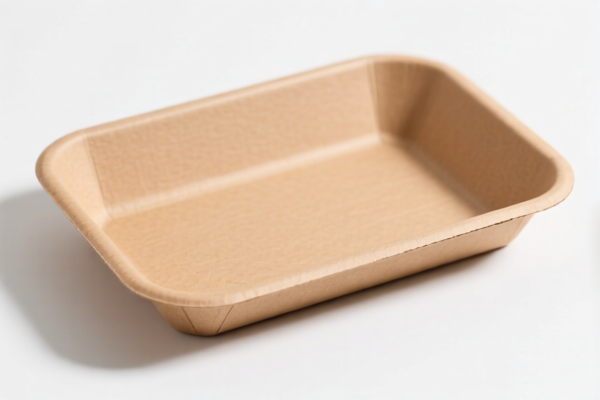
AI分析
📜 Eco Friendly Pulp Paper Core: HS Code Classification & Customs Clearance Guide 2026
🌐 HS Code Reference & Customs Strategy | 2026 Latest Tariff Analysis | Professional Compliance Strategy
📌 Part 1: Product Definition & Classification – Do You Truly Understand the "Paper Core"?
Eco-Friendly Pulp Paper Cores are cylindrical containers made from recycled paper pulp, primarily used as spools for textiles, films, adhesives, and industrial papers. In international trade, despite their simple appearance, their classification hinges on two critical factors: 1. Material Composition: Specifically "Pulp" (not just generic paper/cardboard). 2. Form & Processing: Whether it is a finished "core" (a specific shape/item) or falls under generic "cut-sized paper products."
⚠️ Key Distinction Point:
- If the product is explicitly recognized as a Paper Core (a specific industrial component) → It may fall under the "catch-all" or specific pulp product category.
- If classified as a generic Paper Product cut to size/shape without specific core functionality recognition → It falls under "Other Paper Articles."
📦 Part 2: Detailed HS Code Classification (2026 Latest Tariff Authority Alignment)
Based on the provided data, there are three primary HS Code options for "Eco Friendly Pulp Paper Core." All share the same total tax rate but differ in logical classification paths.
| HS Code | Product Description Summary | Classification Logic | Total Tax Rate |
|---|---|---|---|
4823.70.00.20 |
Eco-friendly Pulp Paper Core. Material: Pulp. Form: Paper Core (Pulp Product). Logic: Matches "Catch-all Category" for pulp products. | Specific recognition of "Paper Core" as a distinct pulp article. | 35.0% |
4823.90.10.00 |
Eco-friendly Pulp Paper Core. Material: Eco-friendly Pulp. Form: Paper products cut to specific sizes. Logic: Fits "Other Paper Products" category. | Broad categorization based on cutting/shaping process. | 35.0% |
4823.90.86.80 |
Eco-friendly Pulp Paper Core. Material: Pulp/Cellulose. Form: Paper products cut to size or shape. Logic: Fits "Other Paper Products" classification logic. | Generic "Other" category for shaped pulp products. | 35.0% |
🔍 Critical Insight:
- All three codes result in the same total tax burden (35%).
- The difference lies in customs declaration precision:
-4823.70is more specific to Pulp Products.
-4823.90variants are broader Other Paper Articles.
- For Eco-Friendly claims, ensure material proof is attached regardless of the code chosen.
💰 Part 3: 2026 Latest Tariff Rate Breakdown (Including Surtaxes & Policy Add-ons)
✅ Applicable Market: United States (US)
✅ Origin: China (CN)
✅ Effective Time: Current tariffs apply (Note: Data indicates 122 Section + 301 Section implications)
🎯 1. Universal Rate Structure for 4823.70.00.20, 4823.90.10.00, 4823.90.86.80
| Item | Content |
|---|---|
| Base Tariff Rate | 0.0% (Ad Valorem) |
| Section 301 Surcharge | +25.0% (USITC Footnote associated with Chapter 48) |
| Section 122 Surcharge | +10.0% (Specific policy add-on mentioned in source) |
| Total Effective Tax Rate | 35.0% |
| Tax Calculation Basis | CIF Value × 35% |
| De Minimis Eligibility | ❌ Not Eligible (Section 301 and 122 surcharges typically void de minimis exemptions for high-value/commercial shipments) |
| Legal Basis Path | USITC:4823.xx → Section 301: 25% → Section 122: 10% |
📌 Explanation:
- "Base Tariff 0%": Standard MFN rate for paper products is often 0%.
- "Section 301 Surcharge 25%": This is the major penalty for Chinese-origin goods in many paper categories.
- "Section 122 Surcharge 10%": As per the provided data, an additional 10% is applied. Note: Section 122 is typically associated with national security/import relief, not trade remedies like 301. Ensure your customs broker confirms if both apply simultaneously to your specific product line, as this combination is unique in the source data.
- Total 35%: This is a high-cost barrier. Profit margin planning must account for this full 35% deduction.
🛠️ Part 4: Customs Clearance Practical Advice (Operational Pitfall Guide)
✅ 1. Required Documentation Checklist (No Exceptions)
| Document | Mandatory? | Description |
|---|---|---|
| ✅ Material Certificate | ✔️ | Must state 100% Pulp or specific pulp composition. Avoid vague terms like "Paperboard." |
| ✅ Product Specification Sheet | ✔️ | Dimensions (ID, OD, Length), TCT (Tightness), Burst Strength. |
| ✅ Eco-Friendly Proof | ✔️ | Recycled content percentage certificate (e.g., PCF - Processed Chlorine Free). |
| ✅ Commercial Invoice | ✔️ | Must clearly state: "Eco-Friendly Pulp Paper Core" NOT just "Cardboard Tube." |
| ✅ Packing List | ✔️ | Net/Gross weight must be precise. |
| ✅ Origin Certificate (CO) | ✔️ | Essential for verifying Chinese origin to apply correct surcharges. |
✅ 2. Declaration Tips (Key Mnemonics)
🔥 “Material is Pulp, Form is Core, Eco-Proof is Key, 35% is the Fee!”
| Scenario | Correct Declaration Strategy | Wrong Practice |
|---|---|---|
| Generic "Paper Tube" | Use 4823.90.10.00 or 4823.90.86.80. Describe as "Paper products cut to shape." |
Calling it "Plastic Spool" → Misdeclaration. |
| Industrial "Core" | Use 4823.70.00.20. Highlight "Pulp Core" logic. |
Calling it "Cardboard" → May trigger different inspection. |
| Mixed Packaging | Declare Core Only. | Declaring core + attached film/adhesive as one item → Complex classification. |
✅ 3. Special Case Handling
| Scenario | Handling Advice |
|---|---|
| OEM Custom Sizes | Provide custom order specs. HS Code 4823 covers "cut to size," so no extra code needed. |
| "Eco" Claims | If marketing claims "100% Recycled," customs may inspect for PCF/ECF standards. Ensure documentation matches. |
| High Volume B2B | With 35% tax, consider Bonded Warehouses or Foreign Trade Zones (FTZ) to defer tax payment. |
🌍 Part 5: Global Market Comparison (2026 Context)
| Country/Region | Recommended HS Code | Base Tariff | Surtaxes | Total Rate | Notes |
|---|---|---|---|---|---|
| 🇺🇸 USA | 4823.70.00.20 or 4823.90.x |
0% | 35% (25%+10%) | 35.0% | High barrier. |
| 🇨🇳 China (Import) | 4823.70.00.20 |
~5-10% | 0% | ~5-10% | Lower cost if importing into China. |
| 🇪🇺 EU | 4823.70 |
~0-2% | 0% | ~0-2% | No 301/122 equivalent. Very competitive. |
| 🇨🇦 Canada | 4823.70 |
~0% | 0% | 0% | Check CUSMA eligibility. |
| 🇬🇧 UK | 4823.70 |
~0% | 0% | 0% | Post-Brexit tariff schedule favors paper. |
📌 Conclusion:
- USA is the most expensive market due to the 35% combined surcharge.
- EU and UK are far more cost-effective for Chinese-made pulp cores.
- Consider supply chain diversification (e.g., sourcing from Vietnam or EU) if targeting the US market to avoid the 35% hit.
📌 Part 6: Common Mistakes & Pitfall Guide (Lessons from the Field)
❌ Mistake 1: Declaring as "Cardboard" or "Paperboard" without specifying "Pulp."
👉 Consequence: Customs may question the material, leading to delays. If classified under a non-pulp code, it might still be 35%, but risk of re-classification penalty.
❌ Mistake 2: Ignoring the "Eco" claim in documentation.
👉 Consequence: If marketing materials say "Eco-Friendly" but docs don't support it, it may be flagged for false advertising compliance at border.
❌ Mistake 3: Assuming De Minimis (Section 321) applies for small shipments.
👉 Consequence: Section 301 goods are explicitly excluded from de minimis. Even small samples may require full entry and tax payment.
✅ Correct Practice:
"Eco-Friendly Recycled Pulp Paper Core, 100% PCF, Industrial Spool for Textile, ID: 3", OD: 4", Length: 48", Made in China"
🎯 Part 7: Conclusion – Precision Classification Saves Money!
🎯 Key Takeaway:
🔹 "Pulp Material, 35% Tax in US."
🔹 "Choose4823.70for Specificity,4823.90for Generality, but Pay the Same 35%."
🔹 "Eco-Claims Need Proof, Customs Will Check."
📌 Pro Tip:
If your company frequently imports these cores, consider:
1. Advance Ruling: Request a binding ruling from CBP to confirm 4823.70.00.20 vs 4823.90.x doesn't change the tax outcome but ensures compliance.
2. Supply Chain Audit: Evaluate if sourcing from non-China countries (e.g., Vietnam, India) can reduce the tax from 35% to ~0-5% for the US market.
📣 Immediate Action:
📞 Consult Your Customs Broker: Confirm if Section 122 applies to your specific product line alongside Section 301.
📄 Prepare Material Specs: Ensure "Pulp" is clearly defined.
💰 Calculate Landed Cost: Include the full 35% in your pricing model for US customers.
✨ Smart Classification, Secure Clearance, Maximized Profit!
💼 Don't Let 35% Tax Eat Your Margins!
用户评价
关于 HS 编码归类
协调制度(HS)是由世界海关组织(WCO)制定的国际贸易商品分类标准。全球 200 多个国家采用 HS 系统作为海关关税、贸易统计和进出口监管的基础。
每个 HS 编码遵循以下层级结构:
- 章(2 位)——商品大类(例如:第 84 章:机器和机械设备)
- 品目(4 位)——章内的更具体分类
- 子目(6 位)——国际通用细分,所有 WCO 成员国统一使用
- 本国细分(8-10 位)——各国自行扩展的细分编码,如美国 HTSUS 10 位编码
正确的 HS 编码归类对于顺利通关、准确缴纳关税和遵守贸易法规至关重要。错误归类可能导致海关延误、多缴关税或罚款。
从CN进口到US时,适用的关税税率可能包括:
- 最惠国(MFN)税率——适用于 WTO 成员国的标准关税税率
- 普通税率——适用于无贸易协定国家
- 贸易救济关税——附加关税,如 301 条款(反倾销)、232 条款(国家安全)或反补贴税
本页内容仅供参考。如需正式归类,请咨询当地海关或持牌报关代理。