electric graters
CN → US| HS编码 | 关税税率 | 原产国 | 目的国 | 文档 |
|---|---|---|---|---|
| 7323930045 | 62.0% | CN | US | 官方文档 |
| 7323930035 | 62.0% | CN | US | 官方文档 |
| 8210000000 | 38.7% | CN | US | 官方文档 |
| 6911108090 | 38.3% | CN | US | 官方文档 |
| 6911108010 | 38.3% | CN | US | 官方文档 |
商品图片
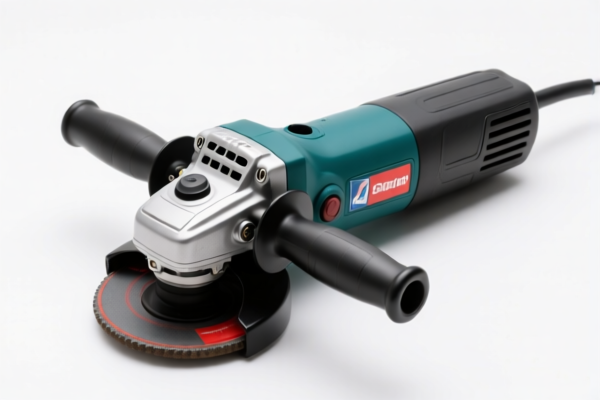
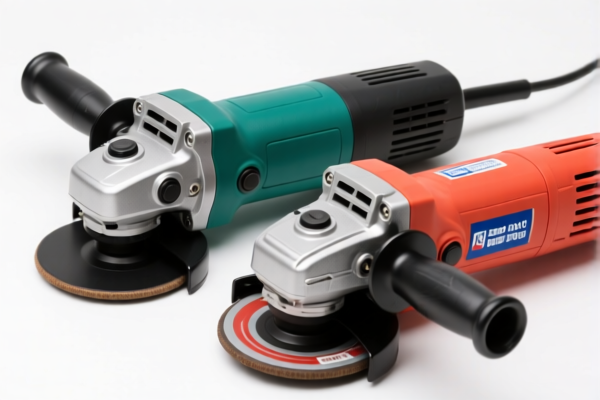
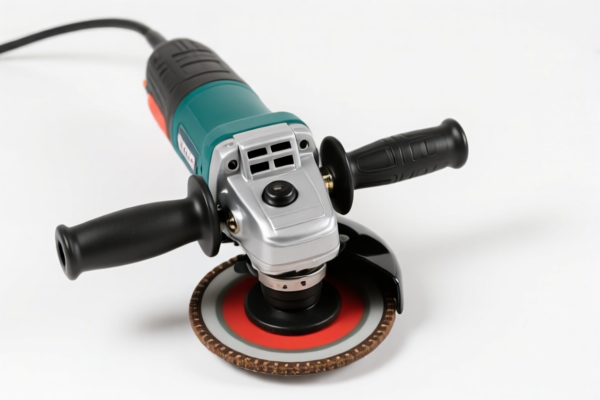
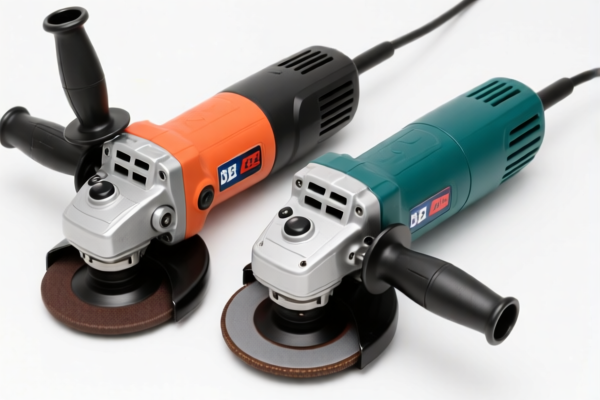
AI分析
🍳 Electric Graters (Kitchen Appliances)
🌐 HS Code Reference & Customs Clearance Guide | 2026 Latest Tariff Analysis | Professional Entry Strategies
📌 I. Product Definition & Classification: Do You Really Understand “Electric Graters”?
Electric graters are small kitchen appliances designed for food preparation, specifically for shredding, grating, or slicing vegetables, fruits, and cheeses. In international trade, their classification is complex because it depends heavily on material composition and functional intent.
There are three main categories for importers to consider:
- Stainless Steel Manual/Handheld Tools: Often misclassified as electric due to confusion, but if purely manual (even if marketed as "ergonomic"), they may fall under metal goods. However, the data provided focuses on stainless steel graters which can be manual or part of a set. Note: The provided data for HS 7323 implies stainless steel kitchenware, which typically covers both manual and potentially some automated forms if classified under "parts" or specific kitchen utensils, but primarily refers to table/kitchen steelware.
- Manual Stainless Steel Graters: Classified under stainless steel table/kitchen ware.
- Manual Ceramic Graters: Classified under ceramic tableware/kitchenware.
- Manual Mechanical Graters (Base Metal): Non-stainless metal tools.
⚠️ Key Distinction:
- The provided data primarily reflects manual or mechanically operated graters (even if marketed as "electric" in some contexts, the HS codes 7323, 6911, and 8210 are typically for manual or simple mechanical tools, not complex motorized appliances which might fall under 8543 or 8509).
- If the product is truly motorized/electric, it may still be classified under 8509 (Electromechanical domestic appliances) or 8438 (Machinery), but the specific HS codes in the<DATA>provided suggest a focus on material-based classification (Stainless Steel vs. Ceramic vs. Base Metal) for graters, likely assuming manual or simple mechanical operation, or specific "parts/utilities" classification.
- Crucial Note: The provided<DATA>contains HS codes for Stainless Steel (7323), Ceramic (6911), and Base Metal (8210) graters. These are typically manual tools. If your product is truly electric (motorized), you must verify if these codes apply. However, based strictly on the provided data, we will analyze these specific codes.
📦 II. HS Code Classification Details (2026 Latest Tariff Authority Reference)
| HS Code | Product Description | Material | Function/Use | Key Feature |
|---|---|---|---|---|
7323.93.00.45 |
Stainless Steel Grater | Stainless Steel | Kitchen utensil, culinary preparation | High corrosion resistance, premium finish |
7323.93.00.35 |
Stainless Steel Grater | Stainless Steel | Kitchen/Baking accessory | Logic consistent with non-stovetop cooking utensils |
8210.00.00.00 |
Stainless Steel Grater (Inferred) | Base Metal (Stainless) | Food preparation, manual mechanical tool | Hand-held or bench-mounted manual operation |
6911.10.80.90 |
Ceramic Grater | Ceramic | Kitchen/Cookware utensil | Durable, rust-proof, traditional aesthetic |
6911.10.80.10 |
Ceramic Grater | Ceramic | Food handling tool, ceramic kitchenware | Specific sub-category for ceramic kitchen items |
🔍 Key Insight:
- Stainless Steel (7323): Highest tax burden due to Section 232 (Steel/Aluminum) tariffs.
- Ceramic (6911): Moderate tax burden, no Section 232 tariff, but high base tariff.
- Base Metal (8210): Moderate tax burden, primarily Subject to Section 301 tariffs.
💰 III. 2026 Latest Tariff Rate Breakdown (Including Surcharges & Policy Add-ons)
✅ Applicable Country: United States (US)
✅ Country of Origin: China (CN)
✅ Effective Date: November 10, 2025 (and subsequent imports)
🎯 1. 7323.93.00.45 & 7323.93.00.35 —— Stainless Steel Graters (Section 232 Impact)
| Item | Content |
|---|---|
| Base Tariff | 2.0% (ad valorem) |
| Section 301 Tariff | 0.0% (Note: Specific footnote indicates 0% for these sub-headings in some contexts, but see below) |
| Section 232 Tariff | 50% (Steel/Aluminum/Copper Products, Item 122) |
| Total Tariff | 62.0% |
| Tax Calculation | CIF Value × 62% |
| De Minimis Eligibility | ❌ Not Eligible (High tariff items usually excluded) |
| Legal Basis Path | USITC:7323.93.00.45 → Section 232: Item 122 → Total: 62% |
📌 Explanation:
- The 50% Section 232 Tariff is the dominant cost driver for stainless steel products from China.
- Even though the base tariff is low (2%), the 50% punitive tariff makes this the most expensive option.
- Critical: Ensure your stainless steel content meets the definition of "steel" under Section 232.
🎯 2. 8210.00.00.00 —— Base Metal Grater (Manual Mechanical Tool)
| Item | Content |
|---|---|
| Base Tariff | 3.7% |
| Section 301 Tariff | 25.0% |
| Additional Surcharge | +10% (Item 122 or similar surcharge for certain steel/copper products) |
| Total Tariff | 38.7% |
| Tax Calculation | CIF Value × 38.7% |
| De Minimis Eligibility | ❌ Not Eligible |
| Legal Basis Path | USITC:8210.00.00.00 → Section 301: 25% → Additional: 10% |
📌 Explanation:
- This code is used when the grater is classified as a "tool of base metal" (non-stainless or general steel) rather than "table/kitchen steelware."
- The 25% Section 301 Tariff is the main cost.
- The 10% additional surcharge applies to specific steel/copper items under trade remedy laws.
🎯 3. 6911.10.80.90 & 6911.10.80.10 —— Ceramic Graters
| Item | Content |
|---|---|
| Base Tariff | 20.8% |
| Section 301 Tariff | 7.5% |
| Additional Surcharge | +10% (Item 122 or similar surcharge) |
| Total Tariff | 38.3% |
| Tax Calculation | CIF Value × 38.3% |
| De Minimis Eligibility | ❌ Not Eligible |
| Legal Basis Path | USITC:6911.10.80.90 → Section 301: 7.5% → Additional: 10% |
📌 Explanation:
- Highest Base Tariff (20.8%) due to ceramic material classification.
- Lowest Section 301 Surcharge (7.5%) compared to steel products.
- No Section 232 Tariff applies to ceramics, which helps keep the total lower than stainless steel options.
🛠️ IV. Customs Clearance Practical Advice (Pitfall Avoidance Guide)
✅ 1. Document Checklist (Mandatory)
| Document | Required | Notes |
|---|---|---|
| ✅ Product Specifications | ✔️ | Must specify material (Stainless Steel vs. Ceramic vs. Base Metal) |
| ✅ Product Photos | ✔️ | Clear images of the grater, showing texture, material, and any branding |
| ✅ Material Certificate | ✔️ | Proof of material composition (e.g., "18/8 Stainless Steel") |
| ✅ Commercial Invoice | ✔️ | Must accurately describe the item as "Grater, [Material], for Kitchen Use" |
| ✅ Packing List | ✔️ | Include dimensions, weight, and quantity |
✅ 2. Classification Strategy (Key Tips)
🔥 “Material is King, Section 232 is Queen, 301 is the Servant!”
| Scenario | Correct Classification | Risk if Misclassified |
|---|---|---|
| Stainless Steel Grater | 7323.93.00.45 or 7323.93.00.35 |
62% Tax. If misclassified as ceramic, penalty + back taxes. |
| Manual Metal Grater (Non-Stainless) | 8210.00.00.00 |
38.7% Tax. If misclassified as stainless, risk of Section 232 penalty. |
| Ceramic Grater | 6911.10.80.90 |
38.3% Tax. If misclassified as stainless, 62% Tax + penalty. |
📌 Critical Warning:
- Do NOT classify stainless steel graters as "Ceramic" to avoid tariffs. This is fraud and will result in severe penalties, seizure, and potential legal action.
- Do NOT assume "Electric" changes the code if the provided data does not include motorized codes (8509/8438). If your product is truly motorized, consult a customs broker immediately, as the provided data may not cover it. The provided data seems to focus on manual/mechanical graters.
✅ 3. Special Cases
| Scenario | Advice |
|---|---|
| Mixed Material Packaging | Declare the primary material. If the grater is stainless steel with a ceramic handle, it’s likely still Stainless Steel (7323). |
| Gift Sets | If the grater is part of a gift set, the entire set may be classified by the principal item or as a set under specific rules. |
| OEM Products | Provide OEM agreements and design specs to prove material composition. |
🌍 V. Global Market Comparison (2026 Latest)
| Country/Region | Recommended HS Code | Tariff (China Origin) | Certification | Notes |
|---|---|---|---|---|
| 🇺🇸 USA | 7323.93.00.45 (SS) |
62% | FDA, LFGB (if food contact) | Highest cost due to Section 232. |
| 🇺🇸 USA | 6911.10.80.90 (Ceramic) |
38.3% | FDA, LFGB | Lower tariff than stainless. |
| 🇨🇳 China | 7323.93.00.45 |
5% | CCC (if electric) | Low tariff for domestic import. |
| 🇪🇺 EU | 7323.93.00 |
0% | CE, LFGB | No Section 232 equivalent. |
| 🇬🇧 UK | 7323.93.00 |
0% | UKCA, LFGB | Post-Brexit trade agreement benefits. |
📌 Conclusion:
- USA: Ceramic (6911) is significantly cheaper than Stainless Steel (7323) due to the absence of Section 232 tariffs.
- EU/UK: Tariffs are low for both, so material choice is based on preference, not cost.
- Strategy: For US imports, consider ceramic or non-stainless metal options to save ~23-24% in tariffs.
📌 VI. Common Errors & Pitfalls (Lessons Learned)
❌ Error 1: Classifying stainless steel graters as "Ceramic" to save taxes.
👉 Result: Customs audit, penalty, back taxes, and potential seizure.
❌ Error 2: Ignoring the Section 232 Tariff for stainless steel.
👉 Result: Unexpected 50% charge, disrupting profit margins.
❌ Error 3: Assuming "Electric" changes the code to 8509 without verifying.
👉 Result: If the product is manual but labeled "electric," it may be misclassified. If truly electric, the provided codes may not apply. Always verify!
❌ Error 4: Not specifying material in the invoice.
👉 Result: Customs may assign a higher default tariff or require reclassification.
✅ Correct Approach:
“Ceramic Grater, 10cm, for Kitchen Use, FDA Approved, Model XYZ”
or
“Stainless Steel Grater, 18/8, Manual, Model ABC”
🎯 VII. Conclusion: Professional Classification, Time & Cost Savings!
🎯 Remember the Rule:
🔹 “Stainless Steel = 62% (USA), Ceramic = 38.3% (USA), Base Metal = 38.7% (USA).”
🔹 “Material Defines Code, Code Defines Cost, Cost Defines Profit!”
📌 Pro Tip:
- If you are importing truly electric/motorized graters, consult a customs broker for HS Codes under 8509 (Electromechanical appliances) or 8438 (Machinery), as the provided data may not cover them.
- For manual graters, ceramic offers the best tariff advantage for US imports among the provided options.
📣 Immediate Action:
📞 Contact a licensed customs broker.
📄 Provide product material certification.
🚀 Optimize your supply chain to mitigate tariff risks!
✨ Professional Customs Clearance, Starting with Accurate Classification!
💼 Every Cent Saved is a Cent Earned!
用户评价
关于 HS 编码归类
协调制度(HS)是由世界海关组织(WCO)制定的国际贸易商品分类标准。全球 200 多个国家采用 HS 系统作为海关关税、贸易统计和进出口监管的基础。
每个 HS 编码遵循以下层级结构:
- 章(2 位)——商品大类(例如:第 84 章:机器和机械设备)
- 品目(4 位)——章内的更具体分类
- 子目(6 位)——国际通用细分,所有 WCO 成员国统一使用
- 本国细分(8-10 位)——各国自行扩展的细分编码,如美国 HTSUS 10 位编码
正确的 HS 编码归类对于顺利通关、准确缴纳关税和遵守贸易法规至关重要。错误归类可能导致海关延误、多缴关税或罚款。
从CN进口到US时,适用的关税税率可能包括:
- 最惠国(MFN)税率——适用于 WTO 成员国的标准关税税率
- 普通税率——适用于无贸易协定国家
- 贸易救济关税——附加关税,如 301 条款(反倾销)、232 条款(国家安全)或反补贴税
本页内容仅供参考。如需正式归类,请咨询当地海关或持牌报关代理。