electric mortise lock
CN → US| HS编码 | 关税税率 | 原产国 | 目的国 | 文档 |
|---|---|---|---|---|
| 8301106080 | 23.6% | CN | US | 官方文档 |
| 8301406030 | 23.2% | CN | US | 官方文档 |
| 8301300090 | 23.2% | CN | US | 官方文档 |
| 7326908688 | 87.9% | CN | US | 官方文档 |
| 7326908676 | 87.9% | CN | US | 官方文档 |
商品图片
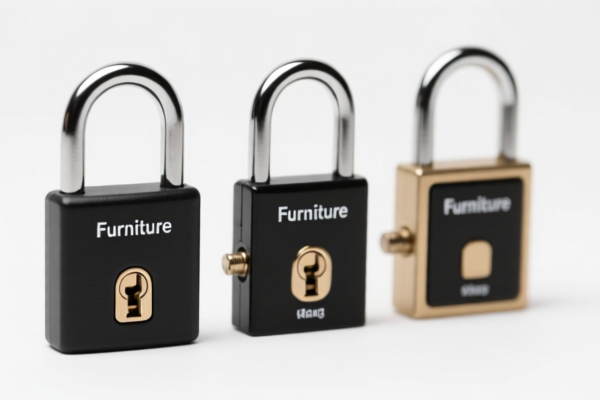
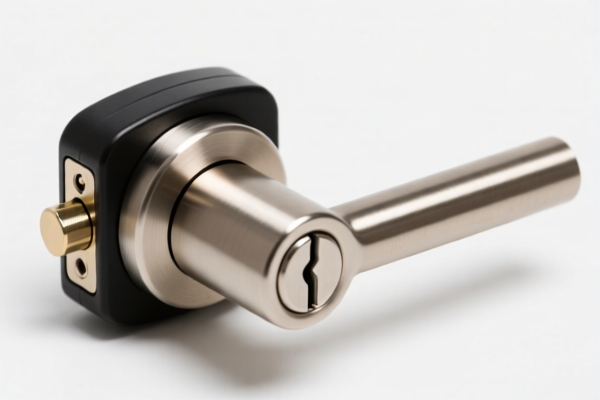
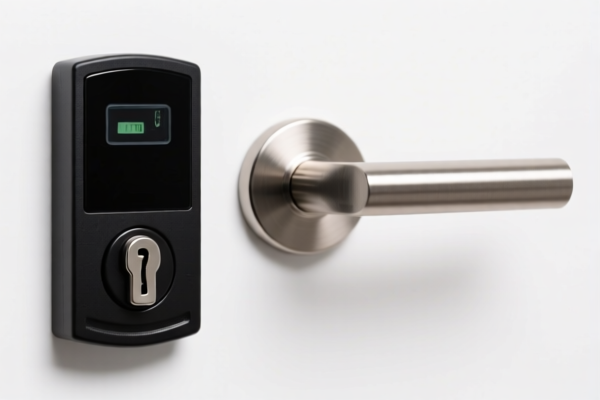
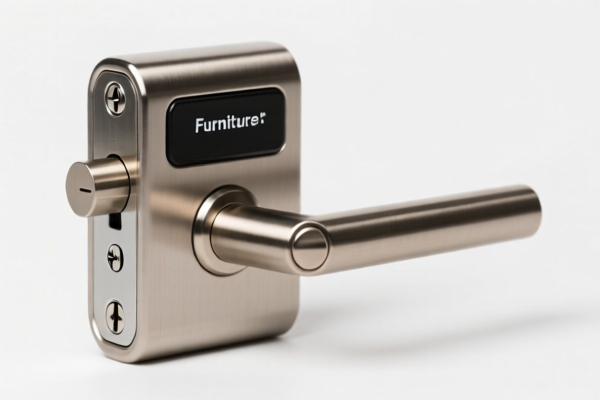
AI分析
🔐 Electric Mortise Locks (Smart Locks & Access Control Hardware)
🌐 HS Code Reference & Customs Clearance Guide | 2026 Latest Tariff Analysis | Professional Entry Strategies
📌 I. Product Definition & Classification: Do You Really Understand "Electric Mortise Locks"?
An Electric Mortise Lock is a sophisticated security device integrated into a door stile (mortise), featuring an electric solenoid or motor mechanism for remote or automated access control. Unlike traditional mechanical locks, it relies on electrical signals (wired or wireless) to unlock.
In international trade, classification hinges on two critical factors: 1. Function: Is it a dedicated "locking device" or a generic "metal component"? 2. Material: Primarily base metals (iron, steel, brass, zinc alloy).
⚠️ Key Distinction Point:
- If the item is a complete locking mechanism designed specifically for doors/furniture and operates electronically → It falls under Chapter 83 (Base Metal Articles; Locks).
- If it is a generic metal part or casing without specific locking functionality → It might be classified under Chapter 73 (Articles of Iron or Steel), but this is rare for functional locks and carries significantly higher tariffs.
📦 II. HS Code Classification Details (Based on Provided Data)
Based on the input data, here are the precise classifications for Electric Mortise Locks:
| HS Code | Summary/Reason for Classification | Total Tax Rate | Tax Detail Breakdown |
|---|---|---|---|
8301.10.60.80 |
Categorized as Electric Locks: Based on material being metal and function belonging to padlocks/locking devices. Specifically targets electric/electronic locking mechanisms. | 23.6% | Base: 6.1%, Additional: 7.5%, Section 301 (122): 10% |
8301.40.60.30 |
Categorized as Door Locks: Based on use as an electric or door lock and material being base metal. Often used for electronic door hardware. | 23.2% | Base: 5.7%, Additional: 7.5%, Section 301 (122): 10% |
8301.30.00.90 |
Categorized as Furniture/Building Locks: Based on material being metal and use in furniture or building structures. | 23.2% | Base: 5.7%, Additional: 7.5%, Section 301 (122): 10% |
7326.90.86.88 |
Categorized as Metal Consumer Goods: Based on material being iron/steel and classified as a metal finished consumer good. Not recommended for functional locks. | 87.9% | Base: 2.9%, Additional: 25.0%, Section 301 (122): 10%, Steel/Aluminum/Copper Surtax: 50% |
7326.90.86.76 |
Categorized as Metal Parts/Components: Based on material being iron/steel and classified as other parts/manufactures of metal. Not recommended for functional locks. | 87.9% | Base: 2.9%, Additional: 25.0%, Section 301 (122): 10%, Steel/Aluminum/Copper Surtax: 50% |
🔍 Critical Insight:
- Chapters 8301 are the correct classification for functional locks, including electric mortise locks.
- Chapters 7326 are incorrect for functional locks unless the item is merely a non-functioning metal casing or part. Misclassification here leads to punitive tariffs (87.9% vs ~23%).
- The difference between8301.10,8301.40, and8301.30lies in the specific application (padlock vs. door lock vs. furniture/building lock). For mortise locks,8301.40.60.30is often the most accurate if it’s a standard door lock, while8301.10.60.80may apply if it’s a specialized electric locking mechanism.
💰 III. 2026 Latest Tariff Rate Analysis (Detailed Breakdown)
✅ Applicable Country: United States (US)
✅ Origin: China (CN)
✅ Effective Date: 2025-11-10 (and subsequent imports)
🎯 1. Correct Classification: Chapter 8301 (Locks)
A. HS Code 8301.10.60.80 (Electric/Padlock Category)
| Item | Detail |
|---|---|
| Base Tariff | 6.1% |
| Section 301 Tariff | +7.5% (Additional Tariff) |
| Section 122 Tariff | +10% (Specific 122 Clause) |
| Total Effective Rate | 23.6% |
| Calculation | CIF Value × 23.6% |
| De Minimis Exemption | ❌ Not Eligible (High-risk category) |
| Legal Basis | HTSUS:8301.10.60.80 → Section 301 Footnote → Section 122 Clause |
📌 Explanation:
- This rate applies if the lock is deemed a "padlock" or general "locking device" with electric function.
- The 23.6% is the minimum expected tariff for a correctly classified electric lock.
B. HS Code 8301.40.60.30 (Door Lock Category)
| Item | Detail |
|---|---|
| Base Tariff | 5.7% |
| Section 301 Tariff | +7.5% |
| Section 122 Tariff | +10% |
| Total Effective Rate | 23.2% |
| Calculation | CIF Value × 23.2% |
| De Minimis Exemption | ❌ Not Eligible |
| Legal Basis | HTSUS:8301.40.60.30 → Section 301 Footnote → Section 122 Clause |
📌 Explanation:
- This is likely the most accurate code for a standard mortise lock used in doors.
- Slightly cheaper than8301.10(23.2% vs 23.6%), but both are significantly better than Chapter 73.
C. HS Code 8301.30.00.90 (Furniture/Building Lock)
| Item | Detail |
|---|---|
| Base Tariff | 5.7% |
| Section 301 Tariff | +7.5% |
| Section 122 Tariff | +10% |
| Total Effective Rate | 23.2% |
| Calculation | CIF Value × 23.2% |
| De Minimis Exemption | ❌ Not Eligible |
| Legal Basis | HTSUS:8301.30.00.90 → Section 301 Footnote → Section 122 Clause |
📌 Explanation:
- Use this if the electric mortise lock is specifically marketed for furniture or building structures (e.g., cabinet locks, smart building entry systems).
🚫 2. Incorrect Classification: Chapter 73 (Iron/Steel Articles)
A. HS Code 7326.90.86.88 / 7326.90.86.76
| Item | Detail |
|---|---|
| Base Tariff | 2.9% |
| Section 301 Tariff | +25.0% |
| Section 122 Tariff | +10% |
| Steel/Aluminum/Copper Surtax | +50% |
| Total Effective Rate | 87.9% |
| Calculation | CIF Value × 87.9% |
| De Minimis Exemption | ❌ Not Eligible |
| Legal Basis | HTSUS:7326.90.86.88 → Section 301 → Section 122 → Steel Surtax |
📌 Warning:
- Do NOT classify functional electric locks as generic metal parts.
- The 87.9% rate includes a punitive 50% surtax for steel/aluminum/copper products.
- This is a trap for misclassification. If customs determines the item is a lock, you will be assessed 87.9% plus penalties.
🛠️ IV. Customs Clearance Practical Advice (Pitfall Avoidance Guide)
✅ 1. Required Documentation Checklist
| Document | Mandatory | Notes |
|---|---|---|
| Product Specification Sheet | ✔️ | Must detail: Material (e.g., Brass/Zinc Alloy), Function (Electric Mortise), Voltage (12V/24V DC), Interface Type. |
| Technical Diagrams | ✔️ | Show internal mechanism to prove it is a locking device, not just a metal plate. |
| Product Photos | ✔️ | Clear images of the lock body, keyhole, electrical wiring terminals, and label. |
| Commercial Invoice | ✔️ | Description must include: "Electric Mortise Lock for Door," not just "Metal Lock." |
| Packing List | ✔️ | List all components (lock body, strike plate, wiring harness) as a single unit. |
| Material Declaration | ✔️ | Specify if components are steel, brass, or zinc alloy to avoid steel surtax ambiguity. |
✅ 2. Declaration Strategy (Key Mantras)
🔥 "Function First, Material Second, Description Precise!"
| Scenario | Correct Declaration | Incorrect Declaration |
|---|---|---|
| Standard Electric Mortise Lock | 8301.40.60.30 |
7326.90.86.88 (Risk: 87.9% tax) |
| Lock for Cabinet/Furniture | 8301.30.00.90 |
7326.90.86.76 (Risk: 87.9% tax) |
| Lock Core Only (No Housing) | 8301.40.60.30 |
8302.41.00.00 (Hardware, different rate) |
| Lock + Control Board Packaged Together | Single Entry: 8301.40.60.30 |
Split entry: Lock + Circuit Board (High risk) |
✅ 3. Special Handling Tips
| Situation | Recommendation |
|---|---|
| OEM/Custom Locks | Provide OEM order details and design specs to prove intended use (Door vs. Furniture). |
| Mixed Material | If the lock is mostly steel but has brass/plastic parts, declare as 8301 but ensure material composition is clear to avoid "Steel Surtax" ambiguity. |
| Smart Locks with WiFi/BLE | Still classified as 8301 (Lock), not as computer hardware. Do not declare as "Electronic Device." |
| Parts Only (e.g., Solenoid) | If importing only the electric solenoid motor, it may still be 8301 if it’s a lock part. If generic, it could be 8501 (Motors), but for locks, stick to 8301. |
🌍 V. Global Market Comparison (2026 Update)
| Market | Recommended HS Code | Approx. Tariff | Notes |
|---|---|---|---|
| 🇺🇸 USA | 8301.40.60.30 |
23.2% | High tariffs due to Section 301 & 122. |
| 🇪🇺 EU | 8301.40 |
0% - 1.7% | Lower tariffs. No Section 301. |
| 🇨🇳 China | 8301.40 |
5% - 6% | Standard import duty. |
| 🇬🇧 UK | 8301.40 |
3% - 4% | Post-Brexit tariff. |
| 🇯🇵 Japan | 8301.40 |
5% - 6% | FTAA benefits may apply. |
📌 Conclusion:
- The USA is the most expensive market for Chinese-origin electric locks due to 23.2%-23.6% effective rates.
- Misclassifying as7326leads to 87.9%, which is unsustainable.
- Correct classification saves ~64% in taxes.
📌 VI. Common Mistakes & Pitfalls (Lessons Learned)
❌ Mistake 1: Declaring "Electric Lock" as "Metal Part" (7326)
👉 Consequence: 87.9% tariff + potential fraud penalties.
❌ Mistake 2: Ignoring the "Section 122" 10% surtax
👉 Consequence: Underpayment by 10%, leading to audits and back taxes.
❌ Mistake 3: Using "Padlock" code (8301.10) for a "Mortise Lock"
👉 Consequence: Minor discrepancy, possibly 0.4% tax difference, but raises customs flags for misdescription.
❌ Mistake 4: Not providing technical specs
👉 Consequence: Customs may classify based on worst-case scenario (metal part).
✅ Best Practice:
"Electric Mortise Lock, Brass/Steel Body, 12V DC Solenoid, for Interior/Exterior Doors, Model: XYZ, Certified UL/CE"
🎯 VII. Conclusion: Precise Classification Saves Money!
🎯 Remember:
🔹 "Locks are 8301, Not 7326. 23% Tax, Not 88%."
🔹 "Describe Function, Specify Material, Avoid Steel Surtax."
🔹 "De Minimis Doesn't Apply. Prepare Full Documentation."
📌 Pro Tip:
If your product contains significant steel content, ensure the description explicitly mentions any non-steel components (brass, zinc alloy, plastic) to argue against the 50% steel surtax if possible, though 8301 classification generally mitigates this risk compared to 7326.
📣 Immediate Action:
📞 Verify HS Code with a Licensed Customs Broker.
📄 Prepare Technical Datasheets Showing Lock Function.
🚀 Declare Under8301.40.60.30for Best Rates.
✨ Professional Customs Clearance Starts with Accurate Classification!
💼 Your Profit Margin Depends on the Right HS Code!
用户评价
关于 HS 编码归类
协调制度(HS)是由世界海关组织(WCO)制定的国际贸易商品分类标准。全球 200 多个国家采用 HS 系统作为海关关税、贸易统计和进出口监管的基础。
每个 HS 编码遵循以下层级结构:
- 章(2 位)——商品大类(例如:第 84 章:机器和机械设备)
- 品目(4 位)——章内的更具体分类
- 子目(6 位)——国际通用细分,所有 WCO 成员国统一使用
- 本国细分(8-10 位)——各国自行扩展的细分编码,如美国 HTSUS 10 位编码
正确的 HS 编码归类对于顺利通关、准确缴纳关税和遵守贸易法规至关重要。错误归类可能导致海关延误、多缴关税或罚款。
从CN进口到US时,适用的关税税率可能包括:
- 最惠国(MFN)税率——适用于 WTO 成员国的标准关税税率
- 普通税率——适用于无贸易协定国家
- 贸易救济关税——附加关税,如 301 条款(反倾销)、232 条款(国家安全)或反补贴税
本页内容仅供参考。如需正式归类,请咨询当地海关或持牌报关代理。