electrode
CN → US| HS编码 | 关税税率 | 原产国 | 目的国 | 文档 |
|---|---|---|---|---|
| 8545192000 | 35.0% | CN | US | 官方文档 |
| 8545194000 | 35.0% | CN | US | 官方文档 |
| 9018199560 | 35.0% | CN | US | 官方文档 |
| 8545110010 | 35.0% | CN | US | 官方文档 |
| 8545110020 | 35.0% | CN | US | 官方文档 |
商品图片
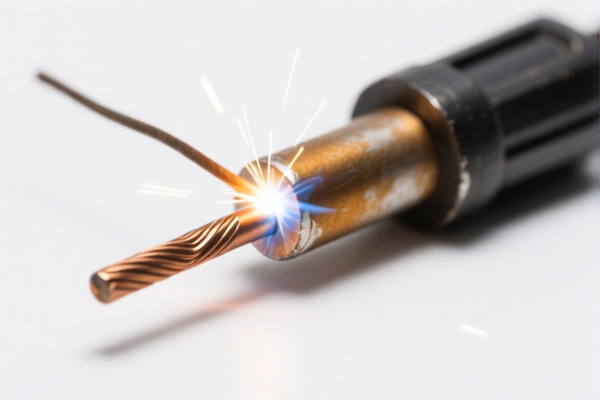
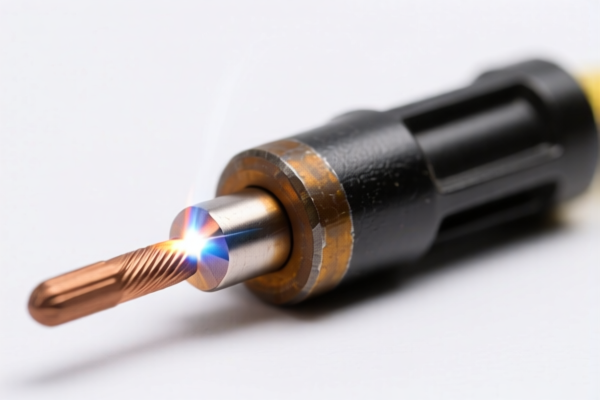
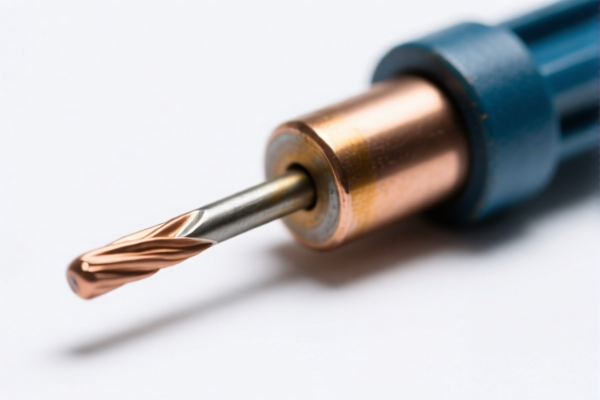
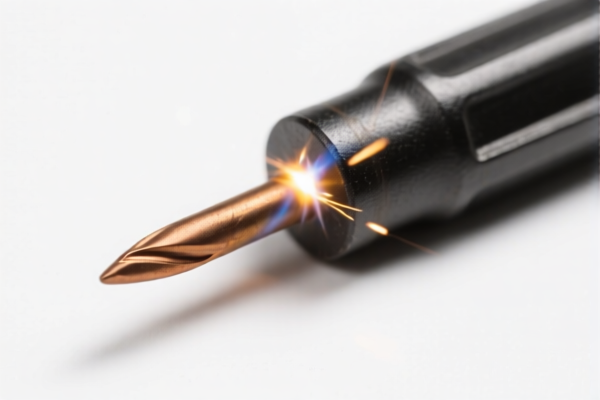
AI分析
🔌 Electrodes: The Power Behind Industry & Medicine
🌐 HS Code Reference & Customs Clearance Guide | 2026 Latest Tariff Breakdown | Professional-Level Compliance Strategy
📌 Part 1: Product Definition & Classification: Do You Really Understand "Electrodes"?
Electrodes are conductive terminals used to establish contact with a non-metallic part of a circuit. In international trade, they are broadly categorized by their material, shape, and primary application. Misclassification is a common pitfall because the same physical object can belong to vastly different tariff headings depending on its specific function and composition.
Carbon/Graphite Electrodes (8545.xx): Primarily used in metallurgy (electric arc furnaces), electrolysis, and batteries. They are durable, heat-resistant, and conductive.
Medical/Electrical Diagnosis Electrodes (9018.xx): Used as accessories to diagnostic devices (e.g., ECG, EEG). They are often made of metals or conductive polymers and are strictly medical accessories.
⚠️ Key Distinction Point:
- If used for industrial/electrolytic purposes (heat, chemical reaction) → Likely Chapter 85 (8545)
- If used as a medical diagnostic accessory → Likely Chapter 90 (9018)
📦 Part 2: HS Code Classification Details (2026 Latest Tariff Authority Match)
Based on the provided data, here are the 5 specific HS Codes applicable to "Electrodes," along with their inferred materials and uses.
| HS Code | Product Description | Inferred Material & Shape | Primary Application | Total Tax Rate |
|---|---|---|---|---|
8545.19.20.00 |
Electrode Sheets | Carbon/Graphite; Sheet/Thin form | Electrolysis purposes | 35.0% |
8545.19.40.00 |
Other Electrode Sheets | Graphite or Carbon Products; Sheet form | General industrial/other electrodes | 35.0% |
9018.19.95.60 |
Diagnostic Electrode Parts | Conductive Metal or Conductive Polymer | Medical Diagnostic Devices (Accessories) | 35.0% |
8545.11.00.10 |
Carbon Electrodes | Carbon/Graphite; Standard Electrode Form | Industrial use (Specific Category) | 35.0% |
8545.11.00.20 |
Other Carbon Electrodes | Carbon/Graphite; Standard Electrode Form | Industrial use (Other Category) | 35.0% |
🔍 Critical Reminder:
- All listed items carry a 35.0% Total Tax Rate due to current trade policies.
- Do not confuse Medical Electrodes (9018) with Industrial Electrodes (8545): While the material might overlap (e.g., metal), the intent of use (medical diagnosis vs. industrial processing) dictates the chapter.
- Shape Matters: "Sheets" (8545.19) are distinct from standard "Electrodes" (8545.11).
💰 Part 3: 2026 Latest Tariff Rate Breakdown (Including Surtaxes & Policy Add-ons)
✅ Applicable Country: United States (US)
✅ Origin: China (CN)
✅ Effective Time: Current rates apply to imports post-2025 trade adjustments.
🎯 1. Industrial Carbon/Graphite Electrodes (8545.19.20.00, 8545.19.40.00, 8545.11.00.10, 8545.11.00.20)
| Item | Content |
|---|---|
| Base Tariff | 0.0% (ad valorem) |
| Section 301 Surcharge | +25.0% (USITC Footnote 9903.88.01 equivalent) |
| Section 122 Surtax | +10.0% (Specific Chinese-origin surcharge) |
| Total Effective Rate | 35.0% |
| Tax Calculation | CIF Value × 35% |
| De Minimis Eligibility | ❌ Not Eligible (High-value industrial goods typically excluded or high tax burden applies) |
| Legal Basis Path | USITC:8545.11/19 → Section 301: 25% → Section 122: 10% |
📌 Explanation:
- Base Tariff (0%): Standard MFN rate for carbon electrodes is often low or zero.
- Section 301 (25%): The major tariff imposed on Chinese goods under the U.S.-China trade war.
- Section 122 (10%): An additional administrative surcharge applied to specific Chinese-origin industrial inputs.
- Total (35%): This is a high barrier. Importers must budget for nearly 1/3 of the value in taxes alone.
🎯 2. Medical Diagnostic Electrode Parts (9018.19.95.60)
| Item | Content |
|---|---|
| Base Tariff | 0.0% |
| Section 301 Surcharge | +25.0% |
| Section 122 Surtax | +10.0% |
| Total Effective Rate | 35.0% |
| Tax Calculation | CIF Value × 35% |
| De Minimis Eligibility | ❌ Not Eligible |
| Legal Basis Path | USITC:9018.19.95.60 → Section 301: 25% → Section 122: 10% |
📌 Note:
- Even though medical devices often enjoy favorable treatment, components/electrodes of Chinese origin are currently subject to the same heavy surcharges as industrial goods.
- Conductive Polymers/Metals: Ensure your declaration clearly states "Medical Diagnostic Accessory" to avoid being misclassified as general "conductive materials," which might have different regulatory requirements (FDA) even if the tax rate is similar.
🛠️ Part 4: Customs Clearance Practical Advice (Pitfall Avoidance Guide)
✅ 1. Documentation Checklist (Essential for 35% Tax Items)
| Document | Must Provide | Purpose |
|---|---|---|
| ✅ Product Specification Sheet | ✔️ | Details material (Carbon vs. Graphite vs. Polymer), shape (Sheet vs. Rod), and dimensions. |
| ✅ Intended Use Statement | ✔️ | Crucial for distinguishing 8545 (Industrial) vs. 9018 (Medical). Must explicitly state "For Electrolysis" or "For ECG Diagnosis." |
| ✅ Product Photos (Clear) | ✔️ | Show labels, packaging, and physical form factor to match HS description. |
| ✅ Commercial Invoice | ✔️ | Must declare HS Code and Country of Origin (China) clearly. |
| ✅ Certificate of Origin (CO) | ✔️ | Required to verify Chinese origin for Surtax calculation. |
| ✅ FDA Registration (If Medical) | ✔️ | For 9018 codes, FDA compliance is mandatory for entry, even if tax is high. |
✅ 2. Declaration Tips (Critical Keywords)
🔥 "Material Defines Chapter, Use Defines Subheading, Origin Defines Tax!"
| Scenario | Correct Declaration Approach | Common Mistake |
|---|---|---|
| Graphite Sheets for Batteries | 8545.19.40.00 - "Graphite Electrode Sheets for Battery Manufacturing" |
Calling it "Raw Graphite" (may attract different anti-dumping duties) |
| Medical ECG Pads | 9018.19.95.60 - "Conductive Electrodes for Medical Diagnostic Devices" |
Calling it "Textile Pads" or "Adhesive Labels" → Wrong Chapter |
| Large Carbon Rods for Furnaces | 8545.11.00.10 or .20 - "Carbon Electrodes for Electric Arc Furnaces" |
Calling it "Carbon Blocks" → May delay customs inspection |
| Mixed Containers | Separate Line Items | Mixing medical and industrial electrodes on one line → Seizure Risk |
✅ 3. Special Handling Scenarios
| Scenario | Handling Advice |
|---|---|
| OEM Medical Electrodes | Provide the End-User Device Model (e.g., "Fits Medtronic XYZ Monitor") to prove 9018 classification. |
| Carbon vs. Graphite | Be precise. 8545.11 vs 8545.19 distinctions depend on specific sub-headings. Ensure your supplier's CO matches the exact chemical composition if challenged. |
| Small Samples (De Minimis) | While $800 de minimis exists, high-tax industrial goods may still trigger scrutiny. For electrodes, it is safer to declare fully to avoid delays. |
🌍 Part 5: Global Market Comparison (2026 Context)
| Country/Region | Recommended HS Code | Tariff Burden | Key Requirement | Note |
|---|---|---|---|---|
| 🇺🇸 USA | 8545.19.20.00 / 9018.19.95.60 |
35% Total (25% + 10%) | FDA (if medical), CO | Highest Cost: The 35% rate is steep. Plan cash flow accordingly. |
| 🇨🇳 China | 8545.11.00 / 9018.19.95 |
~0-13% (Import Duty) | CCC (if electronic) | Exporting to China may be cheaper, but we are analyzing US Import from China here. |
| 🇪🇺 EU | 8545.19 / 9018.19 |
~0-2.7% | CE Mark, RoHS, REACH | Much Lower Cost: EU tariffs are significantly lower than US Section 301. Consider EU routing? (Check Rules of Origin). |
| 🇬🇧 UK | 8545.19 / 9018.19 |
~0-2.7% | UKCA Mark | Similar to EU post-Brexit. |
📌 Conclusion:
- The USA presents the highest financial barrier (35%) for Chinese-origin electrodes.
- EU/UK offer favorable tariff rates (often <3%) but require strict regulatory compliance (CE/UKCA, REACH).
- Cost-Benefit Analysis: If margins are thin, the 35% US tax may render exports unprofitable unless value-added abroad or re-routed (with caution regarding trade laws).
📌 Part 6: Common Errors & Pitfalls (Lessons Learned)
❌ Error 1: Declaring Medical Electrodes as "General Carbon Products"
👉 Consequence: Misclassification under 8545 instead of 9018. While the tax is similar (35%), you miss FDA regulatory requirements, leading to port rejection and fines.
❌ Error 2: Failing to Specify "Section 122" Applicable Origin
👉 Consequence: If the origin is China, failing to declare correctly may lead to audits. The 10% surcharge is automatic for Chinese goods in these categories, but misdeclaration can lead to penalties.
❌ Error 3: Confusing "Sheet" vs. "Electrode" Shape
👉 Consequence: 8545.19 (Sheets) vs 8545.11 (Electrodes). Customs may reclassify, causing delays and potential rate disputes (though current rates are uniform, specific sub-headings matter for future changes).
✅ Best Practice:
"Carbon Graphite Electrode Sheet, 5mm Thick, 500x500mm, For Industrial Electrolysis, Made in China, HS Code 8545.19.20.00"
🎯 Part 7: Conclusion: Strategic Compliance for Electrode Exporters
🎯 Key Takeaways:
🔹 "35% is the Price of Entry for China-to-US Electrodes": Factor this into your pricing model immediately.
🔹 "Medical vs. Industrial is a Regulatory Minefield": Use9018only if FDA-compliant; otherwise, risk severe penalties.
🔹 "Documentation is Your Shield": Precise material and use descriptions prevent audits.
📌 Pro Tip:
If your electrodes are shipped from a third country (e.g., Vietnam, Mexico) with significant transformation, you may avoid Chinese surcharges. However, Rules of Origin must be strictly met. Simple transshipment does not qualify.
📣 Immediate Action Required:
📞 Consult a Customs Broker: Verify the exact HS Code for your specific product design.
📑 Secure FDA/CE Certifications: Depending on the HS Code, regulatory approval is as important as tax payment.
🚀 Optimize Logistics: The 35% tax significantly impacts landed cost. Evaluate whether to absorb the cost or adjust pricing.
✨ Professional Customs Clearance Starts with Accurate Classification!
💼 Every percentage point counts in international trade efficiency!
用户评价
关于 HS 编码归类
协调制度(HS)是由世界海关组织(WCO)制定的国际贸易商品分类标准。全球 200 多个国家采用 HS 系统作为海关关税、贸易统计和进出口监管的基础。
每个 HS 编码遵循以下层级结构:
- 章(2 位)——商品大类(例如:第 84 章:机器和机械设备)
- 品目(4 位)——章内的更具体分类
- 子目(6 位)——国际通用细分,所有 WCO 成员国统一使用
- 本国细分(8-10 位)——各国自行扩展的细分编码,如美国 HTSUS 10 位编码
正确的 HS 编码归类对于顺利通关、准确缴纳关税和遵守贸易法规至关重要。错误归类可能导致海关延误、多缴关税或罚款。
从CN进口到US时,适用的关税税率可能包括:
- 最惠国(MFN)税率——适用于 WTO 成员国的标准关税税率
- 普通税率——适用于无贸易协定国家
- 贸易救济关税——附加关税,如 301 条款(反倾销)、232 条款(国家安全)或反补贴税
本页内容仅供参考。如需正式归类,请咨询当地海关或持牌报关代理。