electronic detonator
CN → US商品图片
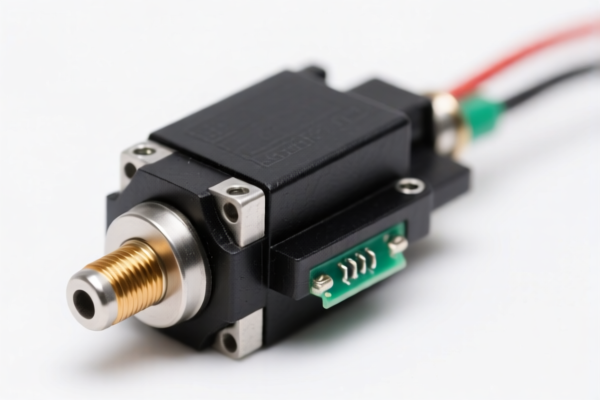
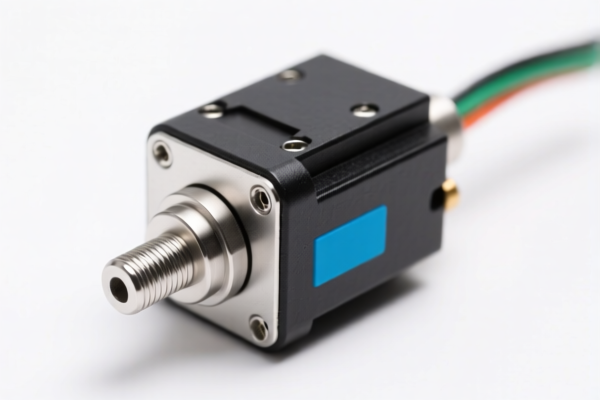
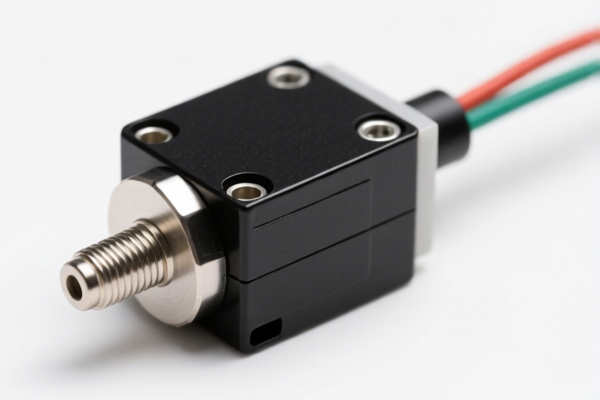
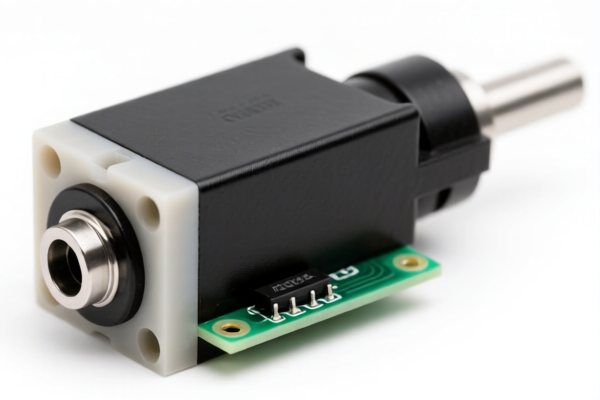
AI分析
💣 Electronic Detonator (Electronic Blasting Caps)
🌐 HS Code Reference & Customs Clearance Guide | 2026 Latest Tariff Analysis | Professional-Level Customs Strategy
📌 1. Product Definition and Classification: Do You Really Understand "Electronic Detonators"?
Electronic detonators are high-precision explosive initiation devices used in mining, quarrying, tunneling, and demolition. Unlike traditional blasting caps, they contain microchips and batteries to control the timing of explosions with millisecond precision. In international trade, they are strictly regulated as Explosives/Dangerous Goods.
They are generally classified into two main categories based on their construction:
- Electronic Blasting Caps (Integrated): Containing the charge, circuit, and power source in one sealed unit.
- Electronic Initiating Devices (Components): Non-explosive electronic parts (e.g., remote controls, transmitters, wiring) used to trigger the detonators.
⚠️ Critical Distinction:
- If the item contains an explosive charge or is designed to initiate an explosion → Classified under Chapter 36 (Explosives).
- If the item is purely electronic (e.g., a remote control unit, non-explosive wiring harness) → Classified under Chapter 85 (Electrical Machinery).
- Misclassification is a major compliance risk. Customs will treat "electronic detonators" as explosives, not consumer electronics.
📦 2. HS Code Classification Details (2026 Latest Tariff Authority Comparison)
| HS Code | Product Description | Application Scenario | Contains Explosive? |
|---|---|---|---|
3607.90.91.00 |
Other explosives and preparations (including detonators) | Electronic blasting caps, electric detonators, non-electric initiators | ✅ Yes |
3608.90.00.00 |
Fuzes, detonating fuses, and other detonators; parts thereof | Electronic components of detonators (if sold separately as parts) | ✅ Yes (Part) |
8535.30.00.00 |
Switches for a voltage >1,000 V | Industrial high-voltage switches (often confused but distinct) | ❌ No |
8536.90.00.00 |
Other apparatus for switching or protecting electrical circuits | Low-voltage control boxes, remote transmitters (non-explosive) | ❌ No |
9032.80.00.00 |
Other automatic regulating or controlling instruments | Electronic timing units (if sold separately as control instruments) | ❌ No |
🔍 Key Reminder:
- Electronic Detonators (with charge) MUST be classified under 3607.90.91.00 (or similar 36xx subheadings depending on country-specific breakdown).
- If you are shipping only the electronic circuit board or remote control without the explosive charge, it may fall under Chapter 85 or 90. However, if it is part of a kit containing explosives, the entire kit is usually classified as explosives.
- Never declare explosive devices as "electronic gadgets" or "switches." This is illegal and will lead to seizure.
💰 3. 2026 Latest Tariff Rate Details (Including Surcharges & Policy Additions)
✅ Applicable Country: United States (US)
✅ Country of Origin: China (CN)
✅ Effective Date: From November 10, 2025 (including subsequent imports)
🎯 1. 3607.90.91.00 —— Other Explosives and Preparations (Including Detonators)
| Item | Details |
|---|---|
| Base Tariff | 0% (ad valorem) – Note: Many explosives have low base MFN rates, but... |
| USITC Additional Tariff | +25% (from USITC Footnote 9903.88.01 under Section 301) |
| IEEPA Additional Tariff | +10% (针对中国/香港产品,自2025年11月10日起) |
| Total Tariff | 35% |
| Tax Calculation | CIF Value × 35% |
| De Minimis Exemption Available? | ❌ NO (deny_de_minimis) – Explosives are strictly controlled and never eligible for de minimis (Section 321) entry. |
| Legal Basis Path | IEEPA:9903.01.25 → IEEPA:9903.01.24 → USITC:3607.90.91.00 → FOOTNOTE:9903.88.01 |
📌 Explanation:
- Although the base tariff for explosives is often 0%, the Section 301 Additional Tariff (25%) and IEEPA Surcharge (10%) apply to Chinese-origin goods.
- Total 35% is a standard calculation for high-risk dual-use items from China.
- Strict Prohibition: Electronic detonators are considered dual-use goods (civilian/mining vs. military). They are subject to Export Controls (EAR) and Import Restrictions.
🎯 2. 8536.90.00.00 —— Other Apparatus for Switching Electrical Circuits (Remote Controls/Non-Explosive Parts)
| Item | Details |
|---|---|
| Base Tariff | 0% |
| USITC Additional Tariff | +25% |
| IEEPA Additional Tariff | +10% |
| Total Tariff | 35% |
| Tax Calculation | CIF Value × 35% |
| De Minimis Exemption Available? | ❌ NO – Even for electronic parts, if linked to explosive systems, de minimis is often denied. |
📌 Note:
- If the product is purely electronic (e.g., a standalone wireless remote control for blasting machines) and contains no explosive components, it may still be classified under 35%.
- However, customs scrutiny is extremely high. You must provide proof that the item is non-explosive and non-dual-use.
🛠️ 4. Customs Clearance Practical Advice (Real-World Pitfall Avoidance Guide)
✅ 1. Preparation Checklist (Missing Items = Seizure)
| Document | Must Provide | Description |
|---|---|---|
| ✅ Explosives License | ✔️ | Critical. Import/Export license from the relevant authority (e.g., ATF in the US, Mine Safety Authority in other countries). |
| ✅ Product Specification Sheet | ✔️ | Detailed specs: Type, explosive composition, timing range, battery type, safety features. |
| ✅ Letter of Non-Explosive Content | ✔️ | For electronic parts only: A certified letter stating the item contains NO explosive material. |
| ✅ FCC/CE Certification | ✔️ | For electronic components: Proof of compliance with electromagnetic interference standards. |
| ✅ Commercial Invoice | ✔️ | Must explicitly state: "Electronic Blasting Cap - Non-Explosive" or "Explosive Device - License #XYZ". |
| ✅ Safety Data Sheet (SDS) | ✔️ | Required for shipping due to lithium batteries and potential explosive residue. |
| ✅ Packing List | ✔️ | List contents clearly. No hidden compartments. |
✅ 2. Declaration Tips (Key Mantras)
🔥 “Declare Explosives as Explosives, Electronic as Electronic. License is Key, No License is Death!”
| Scenario | Correct Declaration Method | Wrong Action |
|---|---|---|
| Electronic Detonator (with charge) | 3607.90.91.00 + Explosives License |
Declaring as "Electronics" → Seizure + Criminal Charges |
| Remote Control (No Charge) | 8536.90.00.00 + Non-Explosive Letter |
Declaring as "Detonator" → Unnecessary Delays |
| Blasting Machine (Control Unit) | 8537.10.00.00 (Control Panels) |
Declaring as "Detonator" → Misclassification |
| Parts of Detonator (Circuit Board) | 8534.00.00.00 or 3608.90.00.00 |
Vague description "Electronic Part" → Inspection Hold |
✅ 3. Special Situation Handling
| Situation | Handling Advice |
|---|---|
| OEM Custom Detonators | Provide customer order + design drawings. Must show end-user is licensed for mining/demolition. |
| Detonators with Lithium Batteries | Must comply with UN 38.3 testing and IATA DGR regulations for air freight. Lithium battery documentation is mandatory. |
| Dual-Use Goods | Electronic detonators are EAR99 or subject to License Requirements under Export Administration Regulations (EAR). Check if a EEI (Electronic Export Information) filing is needed. |
| Military Use | If for military purposes, additional ITAR (International Traffic in Arms Regulations) compliance may apply. |
🌍 5. Global Major Market Customs Comparison (2026 Latest)
| Country/Region | Recommended HS Code | Tariff | Certification Requirements | Notes |
|---|---|---|---|---|
| 🇺🇸 USA | 3607.90.91.00 |
35% (Chinese origin) | ATF License + FCC + UN 38.3 | Strict Control. Dual-use goods scrutiny. |
| 🇨🇳 China | 3607.90.91.00 |
0% | Explosives Production License | Domestic trade requires strict licensing. |
| 🇪🇺 EU | 3607.90.91.00 |
0% | CE + ADR (Transport) | EU has strict harmonized explosives regulations. |
| 🇦🇺 Australia | 3607.90.91.00 |
5% | APVMA + Dangerous Goods | High safety standards for transport. |
| 🇯🇵 Japan | 3607.90.91.00 |
0% | Police Permit + JIS | Must declare to local police station. |
📌 Conclusion:
- USA is the most challenging market due to Section 301/IEEPA tariffs and strict dual-use controls.
- All markets require special licenses for explosives. No "de minimis" or simple e-commerce entry is allowed for explosive detonators.
- Lithium Batteries in detonators add complexity: Must follow UN 38.3 and ADR/DGR transport regulations.
📌 6. Common Mistakes & Pitfall Guide (Blood Lessons)
❌ Mistake 1: Declaring "Electronic Detonators" as "Electronic Switches" or "Gadgets"
👉 Consequence: Seizure, Fines, Criminal Investigation for smuggling explosives.
❌ Mistake 2: Omitting the Explosives License from documentation
👉 Consequence: Hold at Customs, Return or Destroy shipment.
❌ Mistake 3: Shipping detonators with lithium batteries without UN 38.3 certification
👉 Consequence: Airline Rejection, Dangerous Goods fine.
❌ Mistake 4: Using vague descriptions like "Mining Parts"
👉 Consequence: Customs Audit, Delay of 30+ days, Additional Inspections.
✅ Correct Practice:
"Electronic Blasting Caps, Model XYZ, Contains Lithium Battery (UN3481), Certified to IEC 60079-30, ATf License #12345, For Mining Use Only"
🎯 7. Conclusion: Professional Declaration Saves Lives and Profits!
🎯 Remember the Mantra:
🔹 "Explosives are not Electronics. License is Mandatory. No License, No Entry!"
🔹 "HS Code 3607 for Explosives, 8536 for Control Units. Don't Mix Them!"
📌 Pro Tip:
- If you are shipping only the electronic remote control (non-explosive), clearly mark it as "Non-Explosive Electronic Control Unit" and provide a Letter of Declaration.
- For actual detonators, work with a specialized freight forwarder who handles Dangerous Goods (DG).
- Pre-clearance is recommended. Contact customs brokers in the destination country before shipping.
📣 Immediate Action:
📞 Contact a Hazmat/Certified Freight Forwarder
📄 Prepare Explosives Import License + UN 38.3 Test Reports
🚀 Ensure your goods pass customs scrutiny and avoid criminal liability.
✨ Professional Clearance Starts with Accurate Classification!
💼 Your Safety and Compliance are Worth the Extra Effort!
用户评价
关于 HS 编码归类
协调制度(HS)是由世界海关组织(WCO)制定的国际贸易商品分类标准。全球 200 多个国家采用 HS 系统作为海关关税、贸易统计和进出口监管的基础。
每个 HS 编码遵循以下层级结构:
- 章(2 位)——商品大类(例如:第 84 章:机器和机械设备)
- 品目(4 位)——章内的更具体分类
- 子目(6 位)——国际通用细分,所有 WCO 成员国统一使用
- 本国细分(8-10 位)——各国自行扩展的细分编码,如美国 HTSUS 10 位编码
正确的 HS 编码归类对于顺利通关、准确缴纳关税和遵守贸易法规至关重要。错误归类可能导致海关延误、多缴关税或罚款。
从CN进口到US时,适用的关税税率可能包括:
- 最惠国(MFN)税率——适用于 WTO 成员国的标准关税税率
- 普通税率——适用于无贸易协定国家
- 贸易救济关税——附加关税,如 301 条款(反倾销)、232 条款(国家安全)或反补贴税
本页内容仅供参考。如需正式归类,请咨询当地海关或持牌报关代理。