equine leather shoe sole leather
CN → US| HS编码 | 关税税率 | 原产国 | 目的国 | 文档 |
|---|---|---|---|---|
| 4104114060 | 15.0% | CN | US | 官方文档 |
| 4107116060 | 13.3% | CN | US | 官方文档 |
| 4107126060 | 13.3% | CN | US | 官方文档 |
| 6406100500 | 26.0% | CN | US | 官方文档 |
| 6406101000 | 20.0% | CN | US | 官方文档 |
商品图片
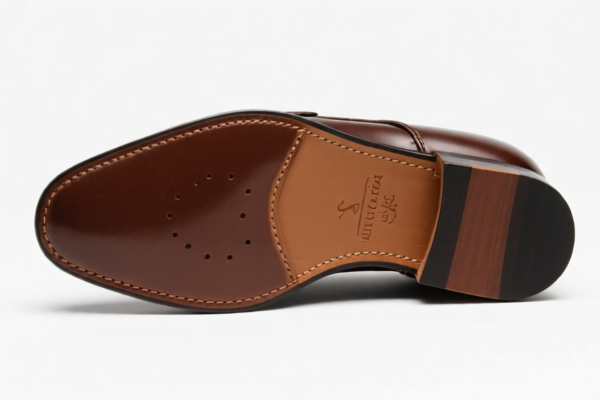
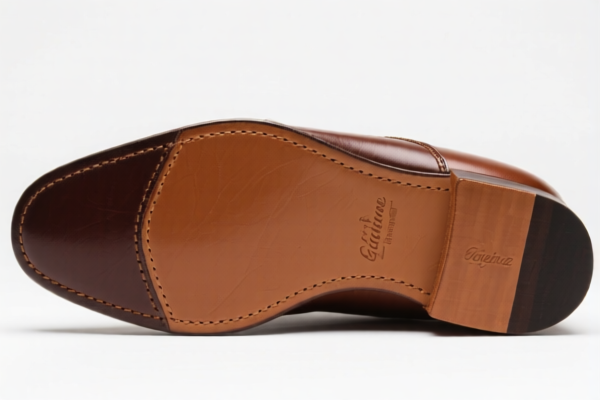
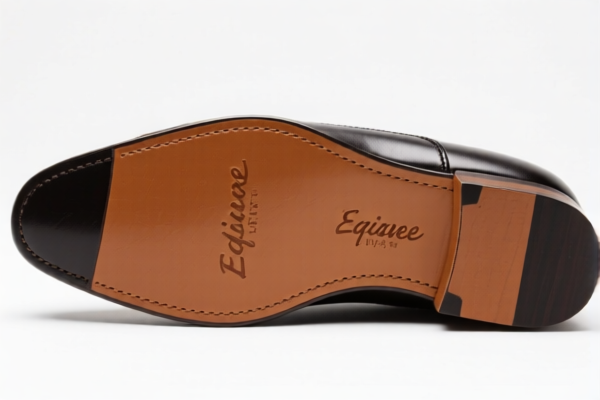
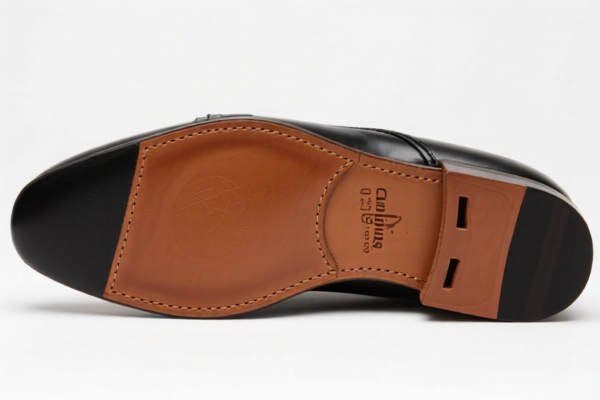
AI分析
🐴 Equine Leather Shoe Sole Leather: HS Code Classification & US Customs Clearance Guide (2026)
🌐 HS Code Reference & Clearance Guide | 2026 Latest Tariff Analysis | Professional Customs Strategy
📌 Part I: Product Definition & Classification – Do You Truly Understand "Equine Leather Sole Leather"?
Equine leather shoe sole leather refers to tanned or crust leather specifically prepared for use as shoe soles, derived from horsehide. In international trade, classification hinges on form and intended use:
- Sole Leather (Chapter 41): Leather that has been processed specifically for soles, characterized by thickness, density, and durability.
- Upper Leather (Chapter 41): Leather intended for shoe uppers, which is thinner and more flexible.
- Shoe Parts (Chapter 64): Finished or semi-finished components (e.g., cut pieces, pre-assembled soles).
⚠️ Key Distinction:
- If the leather is in the raw hide/hide state but tanned for soles → Chapter 41 (Leather)
- If it is cut into specific sole shapes or attached to other parts → Chapter 64 (Footwear parts)
📦 Part II: HS Code Classification Details (2026 Latest Tariff Authority Mapping)
Based on the provided data, here is the precise mapping for Equine Leather Shoe Sole Leather:
| HS Code | Product Description | Classification Logic | Tax Rate (Total) |
|---|---|---|---|
4104.11.40.60 |
Equine leather sole material, material is horsehide, use is shoe sole, complies with leather classification. | Classified under Chapter 41 as leather specifically for soles. | 15.0% |
4107.11.60.60 |
Equine leather sole, material is horsehide, form and use are sole leather, fully matched. | Classified under Chapter 41 as processed sole leather. | 13.3% |
4107.12.60.60 |
Equine leather sole, material is horsehide, use is sole leather, material and use are consistent. | Classified under Chapter 41 as processed sole leather (various tanning types). | 13.3% |
6406.10.05.00 |
Horsehide shoe material, material is horsehide, form is upper part component, logically consistent. | ⚠️ Note: This code refers to upper parts, not soles. However, if misclassified or if the product includes upper components, it applies. | 26.0% |
6406.10.10.00 |
Horsehide shoe material, material is horsehide, form is upper part component, no conflict. | ⚠️ Note: This code refers to upper parts. Use only if the product includes upper leather parts. | 20.0% |
🔍 Critical Clarification:
- HS Codes 4104.11.40.60, 4107.11.60.60, and 4107.12.60.60 are the correct classifications for sole leather (Chapter 41).
- HS Codes 6406.10.05.00 and 6406.10.10.00 refer to shoe uppers (Chapter 64). If your product is sole leather, do not use these codes unless you are also exporting upper leather parts. Misclassification can lead to audits, fines, or seizure.
💰 Part III: 2026 Latest Tariff Rate Breakdown (Including Additional Taxes)
✅ Applicable Country: United States (US)
✅ Origin: China (CN)
✅ Effective Time: 2025 November 10 onwards (including subsequent imports)
🎯 1. 4104.11.40.60 – Equine Leather Sole Material
| Item | Details |
|---|---|
| Base Tariff | 5.0% (ad valorem) |
| Additional Tariff (Section 301) | 0.0% |
| Section 122 Tariff | 10.0% |
| Total Tariff Rate | 15.0% |
| Tax Calculation | CIF Value × 15.0% |
| De Minimis Eligibility | ❌ Not Eligible (Deny de minimis for Section 122) |
| Legal Basis Path | Section 122 → USITC:4104.11.40.60 |
📌 Explanation:
- The 15.0% total includes a 5.0% base tariff and a 10.0% Section 122 tariff.
- Section 122 is a national security tariff applied to certain imports, regardless of origin in some cases, but here it is applied to Chinese-origin goods.
- No Section 301 tariff applies to this specific subheading.
🎯 2. 4107.11.60.60 – Processed Equine Sole Leather
| Item | Details |
|---|---|
| Base Tariff | 3.3% (ad valorem) |
| Additional Tariff (Section 301) | 0.0% |
| Section 122 Tariff | 10.0% |
| Total Tariff Rate | 13.3% |
| Tax Calculation | CIF Value × 13.3% |
| De Minimis Eligibility | ❌ Not Eligible |
| Legal Basis Path | Section 122 → USITC:4107.11.60.60 |
📌 Explanation:
- Slightly lower total tariff than4104.11.40.60due to a lower base rate (3.3% vs 5.0%).
- Still subject to the 10.0% Section 122 tariff.
🎯 3. 4107.12.60.60 – Processed Equine Sole Leather (Other Tanning)
| Item | Details |
|---|---|
| Base Tariff | 3.3% (ad valorem) |
| Additional Tariff (Section 301) | 0.0% |
| Section 122 Tariff | 10.0% |
| Total Tariff Rate | 13.3% |
| Tax Calculation | CIF Value × 13.3% |
| De Minimis Eligibility | ❌ Not Eligible |
| Legal Basis Path | Section 122 → USITC:4107.12.60.60 |
📌 Explanation:
- Same tariff structure as4107.11.60.60.
- Distinguished by tanning process (vegetable, chrome, etc.). Ensure documentation matches the tanning type.
🎯 4. 6406.10.05.00 – Horsehide Shoe Upper Parts (⚠️ High Tariff Risk)
| Item | Details |
|---|---|
| Base Tariff | 8.5% (ad valorem) |
| Additional Tariff (Section 301) | 7.5% |
| Section 122 Tariff | 10.0% |
| Total Tariff Rate | 26.0% |
| Tax Calculation | CIF Value × 26.0% |
| De Minimis Eligibility | ❌ Not Eligible |
| Legal Basis Path | Section 301 + Section 122 → USITC:6406.10.05.00 |
📌 Warning:
- This code carries a 26.0% total tariff, significantly higher than sole leather codes.
- Only use if exporting shoe UPpers, not soles. Misusing this code for soles will result in overpayment or misdeclaration penalties.
🎯 5. 6406.10.10.00 – Horsehide Shoe Upper Parts (No Section 301)
| Item | Details |
|---|---|
| Base Tariff | 10.0% (ad valorem) |
| Additional Tariff (Section 301) | 0.0% |
| Section 122 Tariff | 10.0% |
| Total Tariff Rate | 20.0% |
| Tax Calculation | CIF Value × 20.0% |
| De Minimis Eligibility | ❌ Not Eligible |
| Legal Basis Path | Section 122 → USITC:6406.10.10.00 |
📌 Note:
- Still higher than sole leather codes.
- No Section 301 tariff, but Section 122 still applies.
🛠️ Part IV: Clearance Practical Advice (Real-World Pitfall Avoidance Guide)
✅ 1. Required Documentation Checklist (All Must Be Provided)
| Document | Mandatory? | Description |
|---|---|---|
| ✅ Product Specification Sheet | ✔️ | Must specify: Material (Horsehide), Form (Sole Leather), Tanning Process, Thickness, Use (Sole vs Upper). |
| ✅ Photos of Product | ✔️ | Clear images showing texture, thickness, and any markings indicating "sole" use. |
| ✅ Commercial Invoice | ✔️ | Must accurately describe product as "Equine Leather Sole Leather" or "Horsehide Sole Material". |
| ✅ Packing List | ✔️ | Detail quantity, weight, and dimensions. |
| ✅ Certificate of Origin (CO) | ✔️ | If claiming preferential treatment under other FTAs (not applicable for US here). |
| ✅ Tanning Certificate | ✔️ | To confirm tanning process for accurate HS Code (4104 vs 4107). |
✅ 2. Declaration Tips (Key Mnemonics)
🔥 "Sole Leather = Chapter 41, Upper Parts = Chapter 64. Wrong Code = High Tax!"
| Scenario | Correct Declaration | Incorrect Practice |
|---|---|---|
| Raw/Processed Sole Leather | 4104.11.40.60, 4107.11.60.60, or 4107.12.60.60 |
Declaring as "Footwear Parts" (Chapter 64) |
| Cut Sole Pieces (Not Yet Assembled) | Still Chapter 41 if not yet part of a shoe |
Misdeclaring as 6406 → Higher Tax (20-26%) |
| Shoe Uppers (Horsehide) | 6406.10.05.00 or 6406.10.10.00 |
Declaring as "Sole Leather" → Wrong Code |
| Mixed Shipment (Soles + Uppers) | Split Declaration: Use 410x for soles, 6406 for uppers |
Combined Declaration → Risk of Misclassification |
✅ 3. Special Cases Handling
| Situation | Handling Advice |
|---|---|
| OEM Custom Leather | Provide customer PO and design specs. Clarify if "sole" or "upper" intended. |
| Mixed Tanning Process | Provide tanning certificate. Chrome-tanned vs Vegetable-tanned may fall under different 4107 subheadings. |
| Sample vs Bulk | Samples may still be subject to tariffs if commercial value exceeds de minimis. No de minimis for Section 122. |
| Re-export | If re-exporting to a third country, ensure original import clearance was accurate to avoid double taxation issues. |
🌍 Part V: Global Market Comparison (2026 Latest)
| Country/Region | Recommended HS Code | Tariff (China Origin) | Certification Required | Notes |
|---|---|---|---|---|
| 🇺🇸 USA | 4107.11.60.60 |
13.3% | None (Standard) | Section 122 applies. No de minimis. |
| 🇨🇳 China | 4107.11.60.60 |
5% (Import) | CCC (if applicable) | No Section 122. |
| 🇪🇺 EU | 4107.11.60.60 |
6.5% (Standard) | REACH Compliance | No Section 122. |
| 🇬🇧 UK | 4107.11.60.60 |
6.5% (Standard) | UKCA Marking (if applicable) | Post-Brexit rules apply. |
| 🇦🇺 Australia | 4107.11.60.60 |
5% | None | No Section 122. |
📌 Conclusion:
- USA is the highest-cost market for this product due to Section 122 tariff (10%).
- EU and UK have lower base tariffs but may require REACH compliance for chemical substances in leather.
- No FTAs currently provide tariff exemptions for equine leather from China to the US.
📌 Part VI: Common Errors & Pitfall Guide (Lessons Learned)
❌ Error 1: Declaring sole leather under Chapter 64 (6406.10.05.00)
👉 Consequence: 26.0% tariff instead of 13.3%. Overpayment of 12.7% per unit.
❌ Error 2: Not specifying tanning process in documentation
👉 Consequence: Customs may assign default higher tariff code or delay clearance for inspection.
❌ Error 3: Assuming de minimis applies (e.g., for small shipments)
👉 Consequence: Section 122 tariffs are not eligible for de minimis exemption. All shipments are taxed.
❌ Error 4: Using "Shoe Parts" as generic description
👉 Consequence: Ambiguity leads to HS Code assignment by CBP, which may not match your intent, leading to audit risk.
✅ Correct Approach:
"Horsehide Sole Leather, Vegetable Tanned, Thickness 3mm, For Shoe Soles Only, Model HS-4107"
🎯 Part VII: Conclusion: Precise Classification, Cost Optimization
🎯 Remember the Mnemonic:
🔹 "Sole Leather = Ch 41, Lower Tax; Upper Parts = Ch 64, Higher Tax."
🔹 "Section 122 = 10% on ALL Leather from China to US. No Exceptions."
🔹 "Be Specific: Horsehide, Sole, Tanning Process. Avoid Ambiguity."
📌 Pro Tip:
If you are exporting both soles and uppers, consider separate shipments or clearly itemized invoices to apply the correct HS codes and avoid overpayment.
For large volumes, consult a customs broker for advance rulings to confirm HS code assignment under 4107.11.60.60 or 4107.12.60.60.
📣 Immediate Action:
📞 Contact a licensed customs broker
📄 Provide detailed product specs + photos
🚀 Optimize your clearance strategy and save up to 12.7% in tariffs!
✨ Professional clearance starts with accurate classification!
💼 Every percentage point matters in global trade.
用户评价
关于 HS 编码归类
协调制度(HS)是由世界海关组织(WCO)制定的国际贸易商品分类标准。全球 200 多个国家采用 HS 系统作为海关关税、贸易统计和进出口监管的基础。
每个 HS 编码遵循以下层级结构:
- 章(2 位)——商品大类(例如:第 84 章:机器和机械设备)
- 品目(4 位)——章内的更具体分类
- 子目(6 位)——国际通用细分,所有 WCO 成员国统一使用
- 本国细分(8-10 位)——各国自行扩展的细分编码,如美国 HTSUS 10 位编码
正确的 HS 编码归类对于顺利通关、准确缴纳关税和遵守贸易法规至关重要。错误归类可能导致海关延误、多缴关税或罚款。
从CN进口到US时,适用的关税税率可能包括:
- 最惠国(MFN)税率——适用于 WTO 成员国的标准关税税率
- 普通税率——适用于无贸易协定国家
- 贸易救济关税——附加关税,如 301 条款(反倾销)、232 条款(国家安全)或反补贴税
本页内容仅供参考。如需正式归类,请咨询当地海关或持牌报关代理。