ethylene plastic processing scrap
CN → US| HS编码 | 关税税率 | 原产国 | 目的国 | 文档 |
|---|---|---|---|---|
| 3915100000 | 35.0% | CN | US | 官方文档 |
| 3915900090 | 35.0% | CN | US | 官方文档 |
| 3915100000 | 35.0% | CN | US | 官方文档 |
| 3915100000 | 35.0% | CN | US | 官方文档 |
| 3915900090 | 35.0% | CN | US | 官方文档 |
商品图片
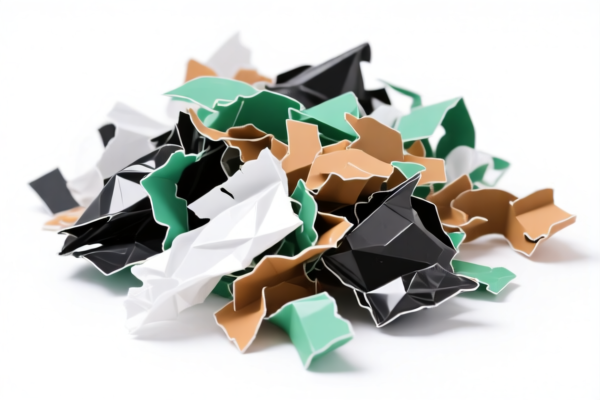
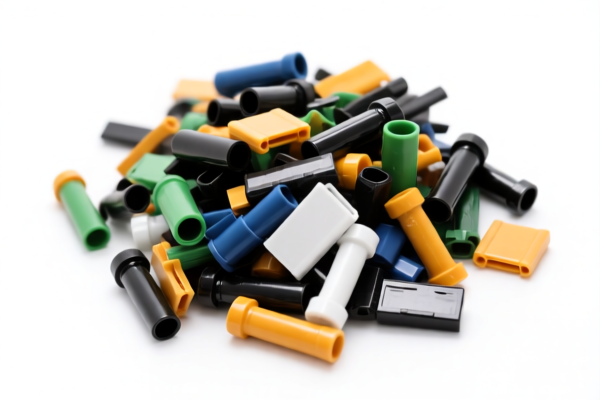
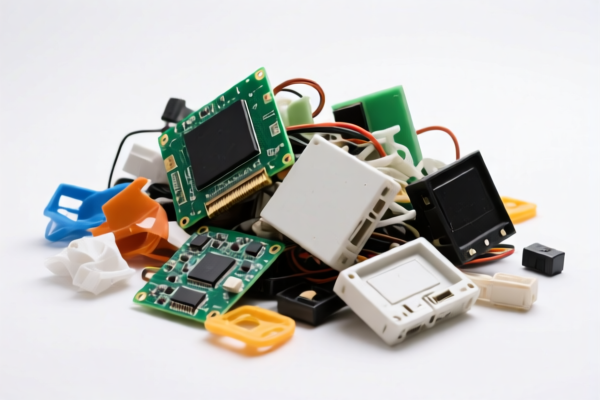
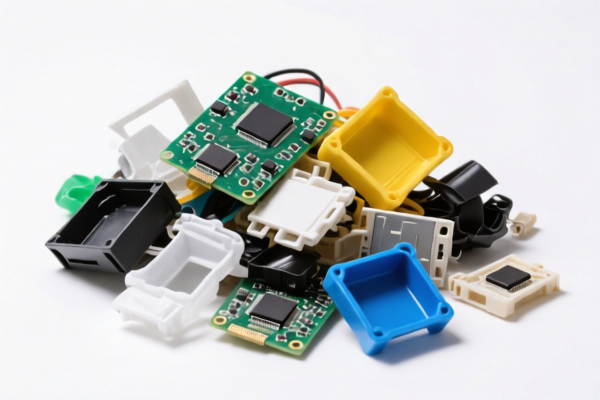
AI分析
🧪 Ethylene Plastic Processing Scrap (Polymer Waste)
🌐 HS Code Reference & Customs Clearance Guide | 2026 Latest Tariff Analysis | Strategic Compliance Strategy
📌 I. Product Definition & Classification: Understanding "Ethylene Plastic Waste"
Ethylene Plastic Processing Scrap refers to the waste, trimmings, parings, and scraps generated during the manufacturing or processing of plastics where the primary polymer is polyethylene (PE) or copolymers of ethylene. In international trade, these materials are classified based on their chemical composition.
Key Distinction:
Ethylene-Based Polymers: Must be declared as such. Includes High-Density Polyethylene (HDPE), Low-Density Polyethylene (LDPE), Linear Low-Density Polyethylene (LLDPE), etc.
* Other Plastics*: If the scrap contains mixed polymers or non-ethylene plastics, it may fall under "Other Plastics" categories, which have different HS codes but often similar tax treatments in this specific dataset.
⚠️ Critical Identification Point:
- If the material is 100% or primarily ethylene-based polymer waste → Use 3915.10.00.00
- If the material is mixed plastics or non-ethylene plastics (e.g., PVC, ABS, PS) → Use 3915.90.00.90
📦 II. HS Code Classification Details (2026 Latest Tariff Authority)
| HS Code | Product Description | Applicable Scenario | Key Characteristic |
|---|---|---|---|
3915.10.00.00 |
Waste, parings and scrap, of plastics: Of polymers of ethylene | Industrial PE trimmings, HDPE/LDPE processing waste, recycled polyethylene flakes | ✅ Ethylene-Based |
3915.90.00.90 |
Waste, parings and scrap, of plastics: Other plastics Other | Mixed plastic waste, PVC scraps, ABS shavings, non-ethylene polymer waste | ❌ Non-Ethylene / Mixed |
🔍 Important Reminder:
- 3915.10.00.00 is strictly for ethylene polymers. Do not misdeclare PVC or PP as ethylene scrap. - 3915.90.00.90 is the catch-all for other plastics. If unsure, default to this code unless proven to be pure ethylene.
💰 III. 2026 Latest Tariff Rate Breakdown (Including Surtax)
✅ Applicable Country: United States (US)
✅ Origin: China (CN)
✅ Effective Date: 2025+ (Based on provided data)
🎯 1. 3915.10.00.00 – Ethylene Plastic Scrap
| Item | Content |
|---|---|
| Base Tariff | 0.0% |
| Added Surtax (Section 301) | +25.0% |
| Total Tax Rate | 25.0% |
| Tax Calculation | CIF Value × 25% |
| De Minimis Exemption | ❌ Not Applicable |
| Legal Basis Path | USITC:3915.10.00.00 → Footnote:301-Surtax |
📌 Explanation:
- "Base Tariff: 0.0%": Standard MFN rate for plastic waste is often zero.
- "Added Surtax: 25.0%": This is the critical cost driver. Imported Chinese plastic scrap/parings are subject to a 25% additional tariff under U.S. Trade Act Section 301.
- Total Effective Rate: 25%. This is a flat, high surtax applied on top of the base rate.
🎯 2. 3915.90.00.90 – Other Plastic Scrap
| Item | Content |
|---|---|
| Base Tariff | 0.0% |
| Added Surtax (Section 301) | +25.0% |
| Total Tax Rate | 25.0% |
| Tax Calculation | CIF Value × 25% |
| De Minimis Exemption | ❌ Not Applicable |
| Legal Basis Path | USITC:3915.90.00.90 → Footnote:301-Surtax |
📌 Note:
- Identical tax treatment to ethylene scrap.
- Whether it’s PVC, PET, or mixed plastic waste from China, the 25% surtax applies uniformly to all plastic scrap categories under HS 3915.
🛠️ IV. Customs Clearance Practical Advice (Avoid Pitfalls)
✅ 1. Required Documentation Checklist
| Document | Mandatory | Notes |
|---|---|---|
| ✅ Commercial Invoice | ✔️ | Must clearly state: "Waste, parings and scrap, of plastics: Of polymers of ethylene" or "Other plastics" |
| ✅ Material Composition Report | ✔️ | Essential to prove ethylene content. If mixed, declare as "Other" (3915.90) |
| ✅ Proof of Origin | ✔️ | To confirm Chinese origin (triggers 25% surtax) |
| ✅ HS Code Pre-Ruling | ✔️ | Highly recommended to avoid misclassification disputes |
✅ 2. Declaration Tips (Key Rules)
🔥 "Be Specific, Be Accurate, Avoid Ambiguity!"
| Scenario | Correct Declaration | Incorrect Practice |
|---|---|---|
| Pure PE/HDPE/LDPE waste | 3915.10.00.00 |
Vague term "Plastic Waste" → May lead to audit or reclassification |
| Mixed plastic waste | 3915.90.00.90 |
Declaring as "Ethylene" → Misclassification penalty |
| Clean vs. Contaminated Scrap | Specify cleanliness level | No specification → Delays in inspection |
✅ 3. Special Circumstances
| Situation | Handling Advice |
|---|---|
| Mixed Polymer Scrap | If >50% ethylene, argue for 3915.10; otherwise, use 3915.90 |
| Recycled Plastic Pellets | If processed into uniform pellets, may still qualify as "scrap" if not fully refined |
| Non-Chinese Origin | If from Vietnam, Mexico, etc., avoid 25% surtax – check FTAs |
🌍 V. Global Market Clearance Comparison (2026)
| Country/Region | Recommended HS Code | Tariff (China Origin) | Certification Requirements | Notes |
|---|---|---|---|---|
| 🇺🇸 USA | 3915.10.00.00 / 3915.90.00.90 |
25.0% (25% surtax) | EPA/State Recycling Rules | High tax burden |
| 🇪🇺 EU | 3915.10 / 3915.90 | 0% – 2.5% | REACH Compliance | Lower base tariffs |
| 🇨🇳 China | 3915.10 / 3915.90 | 0% (Import) | Green Channel Approval | Domestic recycling incentives |
| 🇯🇵 Japan | 3915.10 / 3915.90 | 0% – 3.2% | JIS Standards | Strict contamination rules |
📌 Conclusion:
- USA imposes the highest cost due to the 25% surtax on plastic scrap from China.
- EU and Japan have lower base tariffs but stricter environmental/contamination regulations.
📌 VI. Common Errors & Pitfalls (Lessons Learned)
❌ Error 1: Declaring mixed plastic waste as "Ethylene Scrap"
👉 Consequence: Customs audit, potential fines, retroactive tax adjustment.
❌ Error 2: Ignoring the 25% surtax in cost calculation
👉 Consequence: Underestimating landed cost by 25% → Profit margin erosion.
❌ Error 3: Failing to provide material composition proof
👉 Consequence: Delayed clearance, storage fees, possible rejection.
✅ Correct Approach:
"Plastic Scrap, Waste, Parings: Ethylene Polymers (HDPE/LDPE), Origin: China, HS: 3915.10.00.00, Tax: 25%"
🎯 VII. Conclusion: Precision Classification Saves Costs
🎯 Remember:
🔹 "Ethylene = 3915.10, Other = 3915.90, Both = 25% Surtax"
🔹 "HS Code determines tax, Tax determines profit, Mistake costs thousands!"
📌 Tip:
If your plastic scrap can be sourced from non-China origins (e.g., Vietnam, Thailand, Mexico), you may avoid the 25% surtax entirely.
Consider pre-classification rulings to confirm HS code accuracy.
📣 Immediate Action:
📞 Consult a licensed customs broker + Provide material MSDS/Composition Report + Apply for HS Code Pre-Ruling
🚀 Ensure smooth customs clearance, minimize tariffs, maximize efficiency!
✨ Professional Clearance Starts with Accurate Classification!
💼 Every percent of tariff matters – optimize your supply chain today!
用户评价
关于 HS 编码归类
协调制度(HS)是由世界海关组织(WCO)制定的国际贸易商品分类标准。全球 200 多个国家采用 HS 系统作为海关关税、贸易统计和进出口监管的基础。
每个 HS 编码遵循以下层级结构:
- 章(2 位)——商品大类(例如:第 84 章:机器和机械设备)
- 品目(4 位)——章内的更具体分类
- 子目(6 位)——国际通用细分,所有 WCO 成员国统一使用
- 本国细分(8-10 位)——各国自行扩展的细分编码,如美国 HTSUS 10 位编码
正确的 HS 编码归类对于顺利通关、准确缴纳关税和遵守贸易法规至关重要。错误归类可能导致海关延误、多缴关税或罚款。
从CN进口到US时,适用的关税税率可能包括:
- 最惠国(MFN)税率——适用于 WTO 成员国的标准关税税率
- 普通税率——适用于无贸易协定国家
- 贸易救济关税——附加关税,如 301 条款(反倾销)、232 条款(国家安全)或反补贴税
本页内容仅供参考。如需正式归类,请咨询当地海关或持牌报关代理。