fabric no. 69 or higher
CN → US| HS编码 | 关税税率 | 原产国 | 目的国 | 文档 |
|---|---|---|---|---|
| 5407731000 | 35.0% | CN | US | 官方文档 |
| 5208216090 | 46.5% | CN | US | 官方文档 |
| 5208118090 | 45.5% | CN | US | 官方文档 |
商品图片


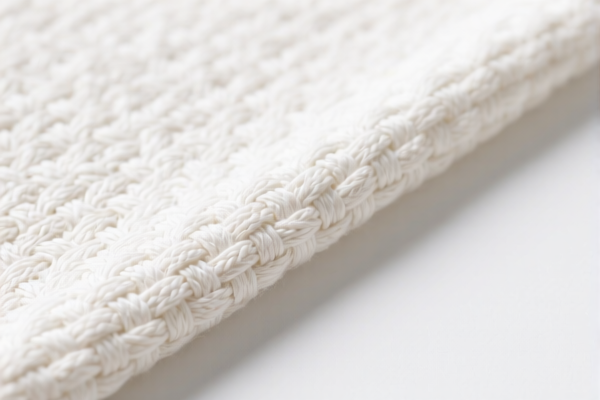
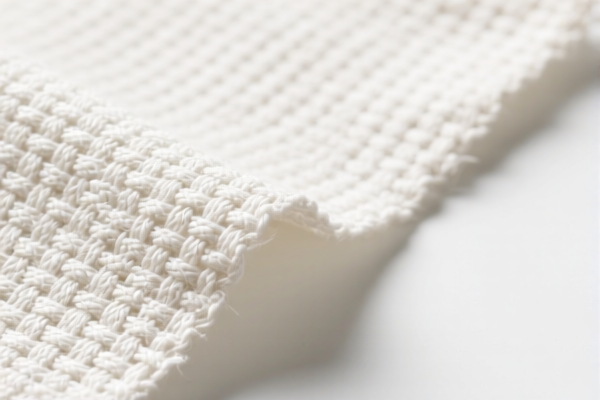
AI分析
🧵 High-Thread-Count Cotton & Synthetic Fabrics (No. 69 or Higher)
🌐 HS Code Reference & Customs Clearance Guide | 2026 Latest Tariff Analysis | Professional Clearance Strategy
📌 I. Product Definition & Classification: Do You Understand "Number 69 or Higher"?
In international textile trade, "Number 69 or higher" (often referred to as Count 69+ or Fineness 69+) is a critical technical specification indicating the fineness of the yarn. It generally refers to yarns with a metric count (Nm) of 69 or higher, meaning the fabric is woven from very fine, high-quality fibers. This specification primarily applies to lightweight, high-density woven fabrics.
The fabrics in fall into two main categories based on raw material: 1. Cotton Fabrics (≥85% Cotton): Lightweight (<200 g/m²), including unbleached and bleached plain weaves. 2. Synthetic Filament Yarn Fabrics (≥85% Synthetic): Including specific printed or colored yarn varieties.
⚠️ Key Distinction Point: - Cotton vs. Synthetic: The HS Code structure differs significantly between natural fiber (Chapter 52) and synthetic fiber (Chapter 54). - Processing State: Unbleached (5208.11), Bleached (5208.21), Printed (5407.74), or Colored Yarn (5407.73). - Weight Limit: Most entries here are ≤100 g/m² or ≤170 g/m², classifying them as "lightweight."
📦 II. HS Code Classification Details (2026 Latest Tariff Authority Comparison)
| HS Code | Product Description | Key Specifications | Applicable Scenario |
|---|---|---|---|
5208.11.80.90 |
Woven Cotton Fabrics (≥85% Cotton), Unbleached, Plain Weave, ≤100 g/m², No. 69+ count, Other (e.g., Cheesecloth, Lawns, Voiles, Batistes) | Unbleached, Fine Count (69+), Lightweight | Fine cotton garments, linings, sheer curtains |
5208.21.60.90 |
Woven Cotton Fabrics (≥85% Cotton), Bleached, Plain Weave, ≤100 g/m², No. 69+ count, Cheesecloth/Lawns/Voiles/Batistes | Bleached, Fine Count (69+), Lightweight | Dyed/cured cotton fabrics, medical gauze, summer clothing |
5407.73.10.00 |
Woven Synthetic Filament Fabrics (≥85% Synthetic), Of Different Colors, Warp 69–142/cm, Filling 31–71/cm | Multi-colored yarns, Specific Thread Count | Fashion fabrics, dyed synthetic shirts, sportswear |
5407.74.00.15 |
Woven Synthetic Filament Fabrics (≥85% Synthetic), Printed, ≤170 g/m² | Printed pattern, Lightweight | Printed shirts, dresses, decorative textiles |
🔍 Important Reminder: - HS 5208 Series: Must be Cotton. If cotton content <85%, it does not belong here. - HS 5407 Series: Must be Synthetic Filament Yarn. If it’s staple fiber (e.g., polyester short fiber), it may fall under different codes. - "Number 69+": Refers to the fineness of the yarn. In customs declaration, you must specify the yarn count (e.g., Nm 69, Ne 40, etc.) to prove compliance with the "69 or higher" requirement.
💰 III. 2026 Latest Tariff Rate Breakdown (Including Additional Taxes)
✅ Applicable Country: United States (US)
✅ Origin: China (CN)
✅ Effective Time: 2025–2026 (Subject to current trade policies)
🎯 1. 5208.11.80.90 & 5208.21.60.90 — Cotton Fabrics (Unbleached/Bleached)
| Item | Content |
|---|---|
| Base Tariff | 0% (ad valorem) |
| Section 301 Additional Tariff | 0% |
| Total Tariff | 0.0% |
| Tax Calculation | CIF Value × 0% = $0 |
| De Minimis Exemption | ✅ Applicable (If value < $800, usually duty-free anyway; but even above, tariff is 0%) |
| Legal Basis Path | HTSUS:5208.11.80.90 / HTSUS:5208.21.60.90 → No major punitive tariff applicable for these specific subheadings. |
📌 Explanation: - Current US tariff schedules for these specific cotton fabrics (especially fine count, lightweight) are set at 0%. - No Section 301 (25%) or IEEPA (10%) additional tariffs are applied to these specific HS codes. This is a low-cost entry point for cotton textiles.
🎯 2. 5407.73.10.00 — Synthetic Filament Fabrics (Colored Yarn)
| Item | Content |
|---|---|
| Base Tariff | 0% (ad valorem) |
| Section 301 Additional Tariff | +25% |
| IEEPA Additional Tariff | 0% (Not currently applicable to this specific synthetic subheading under standard IEEPA lists, unless specified otherwise) |
| Total Tariff | 25.0% |
| Tax Calculation | CIF Value × 25% |
| De Minimis Exemption | ❌ Not Applicable (Section 301 goods are generally excluded from de minimis if certain conditions are met, but typically, high tariffs make de minimis less relevant for bulk B2B; however, legally, de minimis may still apply to the base tariff, but Section 301 duties are often not waived under recent policy shifts. Caution: Verify latest CBP guidance.) |
| Legal Basis Path | IEEPA:9903.01.24 (if applicable) → USITC:5407.73.10.00 → Footnote:301 |
📌 Explanation: - This synthetic fabric falls under Section 301 punitive tariffs. - Total Duty = 25%. This is a high-cost item compared to cotton. - Warning: Even though the base tariff is 0%, the 25% additional tax significantly impacts profitability.
🎯 3. 5407.74.00.15 — Synthetic Filament Fabrics (Printed)
| Item | Content |
|---|---|
| Base Tariff | 0% (ad valorem) |
| Section 301 Additional Tariff | 0% |
| Total Tariff | 0.0% |
| Tax Calculation | CIF Value × 0% = $0 |
| De Minimis Exemption | ✅ Applicable |
| Legal Basis Path | HTSUS:5407.74.00.15 |
📌 Explanation: - Interestingly, printed synthetic fabrics (under this specific subheading) appear to have 0% total tariff in the provided data. - Contrast: Note that
5407.73.10.00(colored yarn) has 25%, while5407.74.00.15(printed) has 0%. This highlights the importance of precise subheading classification.
🛠️ IV. Customs Clearance Practical Advice (Pitfall Avoidance Guide)
✅ 1. Required Documentation Checklist
| Document | Mandatory? | Description |
|---|---|---|
| ✅ Commercial Invoice | ✔️ | Must clearly state: Fabric Type (Cotton/Synthetic), Content (%), Weight (g/m²), Width, Yarn Count (e.g., Nm 69) |
| ✅ Packing List | ✔️ | Include rolls, weight, dimensions |
| ✅ Test Report | ✔️ | Fiber composition test (to prove ≥85% cotton or synthetic) |
| ✅ Certificate of Origin | ✔️ | For US origin proof; if China-origin, be aware of potential tariffs |
| ✅ Fabric Specification Sheet | ✔️ | Detailing weave type (Plain, etc.), finish (Bleached, Unbleached, Printed) |
| ✅ Shipping Bill of Lading | ✔️ | Standard trade document |
✅ 2. Declaration Tips (Key Mantra)
🔥 "Material First, Then Process; Weight and Count are Key!"
| Scenario | Correct Declaration | Incorrect Practice |
|---|---|---|
| Cotton Fabric, Unbleached, Fine Count | 5208.11.80.90 + "Unbleached Cotton Fabric, 100% Cotton, 90g/m², Plain Weave, Nm 70" |
"Cotton Cloth" → Risk of misclassification |
| Synthetic, Printed | 5407.74.00.15 |
Declare as "Colored Yarn Fabric" → 25% tariff risk |
| Synthetic, Colored Yarn | 5407.73.10.00 |
Declare as "Printed" → 25% tariff risk |
| Weight >200g/m² | Not in 5208.11/5208.21 (unless specific exceptions) | Assume same HS code → Wrong classification |
✅ 3. Special Circumstances
| Situation | Handling Advice |
|---|---|
| Mixed Materials | If cotton <85%, it may fall under Chapter 54 or other chapters. Test report is crucial. |
| Yarn Count Dispute | If customs disputes "No. 69+", provide fiber testing report confirming metric count (Nm). |
| Printed vs. Colored Yarn | Ensure the description matches the manufacturing process. Printed (ink on fabric) vs. Colored Yarn (yarn dyed before weaving) are different HS codes. |
| Weight Limit | Ensure the declared weight (g/m²) is ≤100 or ≤170 as per HS code. Overweight fabrics may fall under different subheadings. |
🌍 V. Global Market Comparison (2026 Latest)
| Country/Region | Recommended HS Code | Tariff (China Origin) | Certification | Notes |
|---|---|---|---|---|
| 🇺🇸 USA | 5208.11.80.90 / 5407.73.10.00 |
0% (Cotton) / 25% (Synthetic Colored) | None specific for textiles, but ensure accurate fiber content | Big Difference: Cotton is 0%, Synthetic Colored is 25% |
| 🇪🇺 EU | 5208.11 / 5407.73 |
Varies (0–10%) | REACH, OEKO-TEX | No US-style punitive tariffs; standard MFN rates apply |
| 🇨🇳 China | 5208.11 / 5407.73 |
5–10% | GB Standards | Import duty for Chinese manufacturers importing raw materials |
| 🇻🇳 Vietnam | 5208.11 / 5407.73 |
0–5% (if local sourcing) | None | Potential for lower duties if processed in ASEAN countries |
📌 Conclusion: - US Market: Cotton fabrics are tariff-free (0%), making them highly competitive. Synthetic fabrics with colored yarn face a 25% penalty. - Strategy: If possible, consider printing synthetic fabrics (
5407.74.00.15) instead of using colored yarn (5407.73.10.00) to avoid the 25% tariff, if the product design allows.
📌 VI. Common Mistakes & Pitfall Guide (Blood & Tears Lessons)
❌ Mistake 1: Declaring "Synthetic Fabric" without specifying "Printed" vs. "Colored Yarn"
👉 Consequence: Customs may classify it as the higher-tariff 5407.73.10.00 (25%) by default.
Fix: Clearly state "Printed" in the description for 5407.74.00.15.
❌ Mistake 2: Ignoring the "Number 69+" requirement
👉 Consequence: If the yarn count is below 69, the HS code changes, potentially altering the tariff or licensing requirements.
Fix: Provide fiber testing reports confirming Nm 69 or higher.
❌ Mistake 3: Misdeclaring Weight
👉 Consequence: If weight >100 g/m² for 5208.11.80.90, it may be misclassified.
Fix: Ensure weight is ≤100 g/m² for these specific codes.
❌ Mistake 4: Assuming all Cotton Fabrics are 0% Tariff
👉 Consequence: Some cotton fabrics (e.g., heavier, different weave) may have different tariffs.
Fix: Verify the exact subheading based on weave, weight, and processing.
✅ Correct Practice:
"100% Cotton Woven Fabric, Unbleached, Plain Weave, 95g/m², Yarn Count Nm 70, for Summer Dresses"
🎯 VII. Conclusion: Precision Classification, Cost Optimization!
🎯 Remember the Mantra:
🔹 "Cotton 0%, Synthetic Colored 25%, Print 0%."
🔹 "Yarn Count 69+, Weight <200, Classification Right!"
📌 Pro Tip:
- If you are exporting synthetic fabrics, consider changing the dyeing process from "colored yarn" to "piece printing" to qualify for 5407.74.00.15 (0% tariff), if feasible.
- Always provide fiber composition and yarn count in the invoice to avoid customs delays.
📣 Immediate Action:
📞 Contact your customs broker + Provide Fabric Test Report + Confirm Yarn Count and Processing Method
🚀 Ensure 0% tariff for cotton, avoid 25% tariff for synthetics!
✨ Professional Clearance, Start with Precise Classification!
💼 Every Percentage Point of Tariff Matters!
用户评价
关于 HS 编码归类
协调制度(HS)是由世界海关组织(WCO)制定的国际贸易商品分类标准。全球 200 多个国家采用 HS 系统作为海关关税、贸易统计和进出口监管的基础。
每个 HS 编码遵循以下层级结构:
- 章(2 位)——商品大类(例如:第 84 章:机器和机械设备)
- 品目(4 位)——章内的更具体分类
- 子目(6 位)——国际通用细分,所有 WCO 成员国统一使用
- 本国细分(8-10 位)——各国自行扩展的细分编码,如美国 HTSUS 10 位编码
正确的 HS 编码归类对于顺利通关、准确缴纳关税和遵守贸易法规至关重要。错误归类可能导致海关延误、多缴关税或罚款。
从CN进口到US时,适用的关税税率可能包括:
- 最惠国(MFN)税率——适用于 WTO 成员国的标准关税税率
- 普通税率——适用于无贸易协定国家
- 贸易救济关税——附加关税,如 301 条款(反倾销)、232 条款(国家安全)或反补贴税
本页内容仅供参考。如需正式归类,请咨询当地海关或持牌报关代理。