facial cleansing towel
CN → US| HS编码 | 关税税率 | 原产国 | 目的国 | 文档 |
|---|---|---|---|---|
| 3926909950 | 22.8% | CN | US | 官方文档 |
| 4818200040 | 35.0% | CN | US | 官方文档 |
| 5603110070 | 35.0% | CN | US | 官方文档 |
| 5603910090 | 35.0% | CN | US | 官方文档 |
| 4818200020 | 35.0% | CN | US | 官方文档 |
商品图片
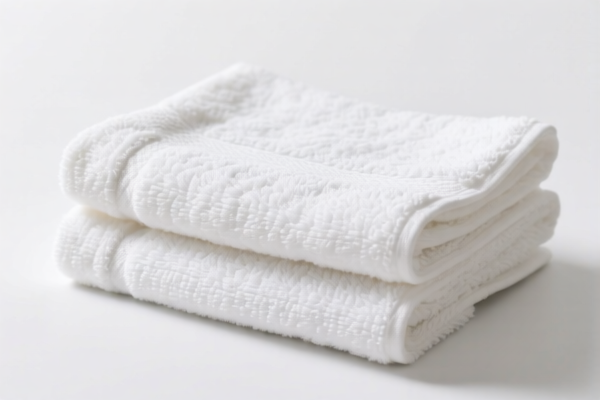
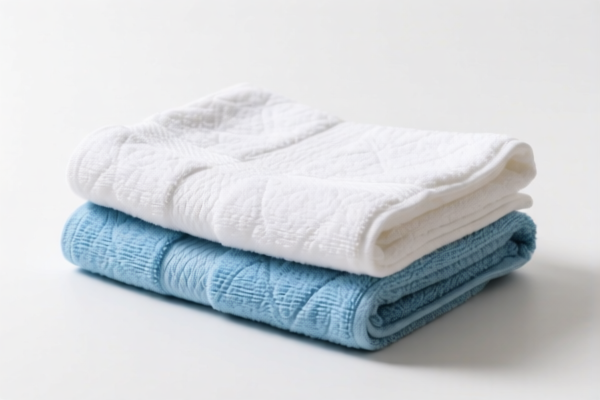
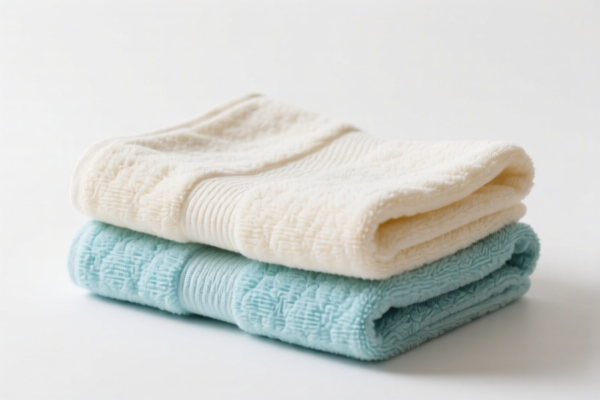
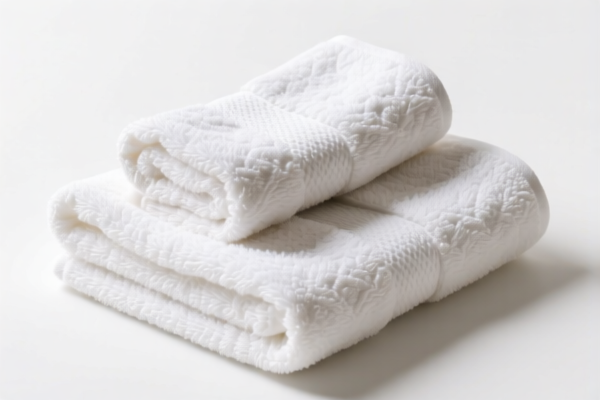
AI分析
🧖♀️ Facial Cleansing Towel (Facial Cleansing Tissue)
🌐 HS Code Reference & Customs Clearance Guide | 2026 Latest Tariff Analysis | Professional Clearance Strategy
📌 I. Product Definition & Classification: Do You Really Understand "Facial Cleansing Towels"?
Facial cleansing towels are personal care products used for cleaning the face. In international trade, they are classified based on material composition (Paper vs. Non-woven Fabric) and use case (Cosmetic/Hygiene vs. Medical/Sanitation). Because the term "towel" can refer to both paper tissues and non-woven fabrics, the HS Code classification diverges significantly, impacting duty rates and compliance requirements.
⚠️ Critical Distinction Point:
- If the product is made of wood pulp/cellulose (soft, absorbent paper texture) → It is classified as Paper Tissues (Chapter 48).
- If the product is made of synthetic fibers (non-woven fabric, often polyester or viscose, durable, washable or disposable textile-like) → It is classified as Non-woven Products (Chapter 56).
- If the product is specifically disposable wet wipes for disinfection/medical use → It falls under Plastic/Composite Sanitary Articles (Chapter 39).
📦 II. HS Code Classification Details (2026 Latest Tariff Authority Comparison)
| HS Code | Product Description | Key Characteristics | Material Basis |
|---|---|---|---|
4818.20.00.20 |
Facial paper, tissues, towels | Purely paper-based, soft, high absorption | Paper/Cotton Pulp |
4818.20.00.40 |
Handkerchiefs, cleaning cloths, facial tissues | Paper-based, for general cleaning/facial use | Paper/Cellulose |
5603.11.00.70 |
Non-woven fabrics, impregnated or coated (Lightweight) | Synthetic fiber non-woven, often pre-moistened | Synthetic Fibers |
5603.91.00.90 |
Other non-woven fabrics (Lightweight, < 25 g/m²) | Thin non-woven fabric, not rubber/plastic/wood pulp soaked | Synthetic/Artificial Fibers |
3926.90.99.50 |
Sanitary/Hygiene Articles of Plastic (Disinfectant Wipes) | Disinfectant wipes, medical/hygiene plastic composites | Plastic/Fiber Composite |
🔍 Key Reminder:
- Paper vs. Non-woven: The physical feel is key. Paper tears easily when wet; Non-woven is more durable.
- Disinfection Claim: If the product claims "disinfectant" or "antibacterial" functionality and is packed as a medical/hygiene item, Customs may lean toward 3926.90.99.50, which carries a different tax structure.
- Weight Matters: Non-woven codes (5603.11.00.70/5603.91.00.90) typically apply to lightweight fabrics (< 25 g/m²).
💰 III. 2026 Latest Tariff Rate Breakdown (Including Surtaxes & Policy Add-ons)
✅ Applicable Country: United States (US)
✅ Origin: China (CN)
✅ Effective Date: From November 10, 2025 (for subsequent imports)
🎯 1. Paper-Based Classifications: 4818.20.00.20 & 4818.20.00.40
These codes cover traditional facial tissues and paper cleaning cloths.
| Item | Content |
|---|---|
| Base Tariff Rate | 0% (ad valorem) |
| Section 301 Surtax | +25% (Under USITC Footnote 9903.88.01) |
| IEEPA Surtax | +10% (Targeting China/HK products, effective Nov 10, 2025) |
| Total Effective Rate | 35.0% |
| Tax Calculation | CIF Value × 35% |
| De Minimis Eligibility | ❌ Not Eligible (deny_de_minimis) |
| Legal Basis Path | IEEPA:9903.01.25 → IEEPA:9903.01.24 → USITC:4818.20.00.20/40 → FOOTNOTE:9903.88.01 |
📌 Explanation:
- Although the base tariff is 0%, the Section 301 (25%) + IEEPA (10%) surcharges bring the total to 35%.
- These goods are subject to high tariffs due to their origin (China).
- No de minimis exemption applies, meaning even small parcels are fully taxed.
🎯 2. Non-Woven Fabric Classifications: 5603.11.00.70 & 5603.91.00.90
These codes cover non-woven fabric facial towels, often made of synthetic fibers.
| Item | Content |
|---|---|
| Base Tariff Rate | 0% (ad valorem) |
| Section 301 Surtax | +25% (Under USITC Footnote 9903.88.01) |
| IEEPA Surtax | +10% (Targeting China/HK products, effective Nov 10, 2025) |
| Total Effective Rate | 35.0% |
| Tax Calculation | CIF Value × 35% |
| De Minimis Eligibility | ❌ Not Eligible (deny_de_minimis) |
| Legal Basis Path | IEEPA:9901.25 → IEEPA:9903.01.24 → USITC:5603.11.00.70/5603.91.00.90 → FOOTNOTE:9903.88.01 |
📌 Note:
- Similar to paper tissues, the base rate is 0%, but the surcharge totals 35%.
- Both lightweight non-woven codes face identical tariff structures under current US-China trade policies.
- "Lightweight" (typically < 25 g/m²) is a critical descriptor to ensure correct classification.
🎯 3. Medical/Hygiene Plastic Class: 3926.90.99.50
This code applies if the product is classified as a disinfectant wipe or hygiene article made of plastic/fiber composite.
| Item | Content |
|---|---|
| Base Tariff Rate | 5.3% (ad valorem) |
| Section 301 Surtax | +7.5% (Under USITC Footnote 9903.88.01) |
| 122 Clause Surtax | +10% (Specific Clause 122 Tariff) |
| Total Effective Rate | 22.8% |
| Tax Calculation | CIF Value × 22.8% |
| De Minimis Eligibility | ❌ Not Eligible (deny_de_minimis) |
| Legal Basis Path | IEEPA:9903.01.25 → IEEPA:9903.01.24 → USITC:3926.90.99.50 → CLAUSE:122 |
📌 Explanation:
- This code has a higher base tariff (5.3%) but lower surcharges (7.5% + 10%), resulting in a lower total rate of 22.8% compared to paper/non-woven (35%).
- Strategic Advantage: If your product can be legitimately classified as a disinfectant/hygiene article (e.g., labeled as "antibacterial," "medical-grade," or "sanitary wipe") rather than just a "facial tissue," you may save 12.2% in duties.
- Requirement: Must meet the usage logic of "disinfectant/hygiene wipes" and not be purely for cosmetic cleansing.
🛠️ IV. Customs Clearance Practical Advice (Real-World Pitfall Guide)
✅ 1. Preparation Checklist (Required Documents)
| Document | Mandatory? | Description |
|---|---|---|
| ✅ Product Spec Sheet | ✔️ | Must detail material (Paper vs. Non-woven), weight (g/m²), and composition. |
| ✅ Product Photos | ✔️ | Clear images showing texture, packaging, and labeling (especially "Disinfectant" claims if applicable). |
| ✅ Bill of Lading / Commercial Invoice | ✔️ | Must accurately describe goods as "Facial Cleansing Towel" or "Non-woven Wipes," not just "Textiles." |
| ✅ Certificate of Origin (CO) | ✔️ | Essential for proving China origin (and thus applicable surtaxes). |
| ✅ Third-Party Test Report | ✔️ | If claiming "Disinfectant" or "Antibacterial," provide lab results to support 3926.90.99.50 classification. |
| ✅ Packing List | ✔️ | Specify net/gross weight, number of pieces, and package dimensions. |
✅ 2. Declaration Tips (Critical Mantra)
🔥 “Material Defines Code, Claim Defines Tax! Paper=35%, Non-woven=35%, Disinfectant=22.8%!”
| Scenario | Correct Declaration | Incorrect Action |
|---|---|---|
| Paper Facial Tissues | 4818.20.00.20 or 4818.20.00.40 |
Declare as "Fabric" → Misclassification penalty |
| Non-woven Facial Towels | 5603.11.00.70 or 5603.91.00.90 |
Declare as "Paper" → Delay for inspection |
| Disinfectant Wipes | 3926.90.99.50 |
Declare as "Facial Tissue" → Overpay 12.2% duties |
| Mixed Paper & Non-woven | Split Declaration | Bundle together → High risk of audit/rejection |
✅ 3. Special Cases Handling
| Case | Handling Advice |
|---|---|
| OEM Private Label | Ensure the label clearly states material (e.g., "100% Polyester Non-woven") to avoid ambiguity. |
| "Wet" vs. "Dry" | If "Wet," ensure packaging is sealed. Wet wipes often fall under Chapter 39 or 56 depending on backing material. |
| Medical Grade Claim | If claiming medical/disinfectant use, provide FDA clearance or equivalent test reports to justify 3926.90.99.50. |
| Lightweight Non-woven | Ensure weight is < 25 g/m². If heavier, it may fall under different subheadings with different tariffs. |
🌍 V. Global Market Comparison for Facial Cleansing Towels (2026 Latest)
| Country/Region | Recommended HS Code | Duty Rate (China Origin) | Certification Requirements | Notes |
|---|---|---|---|---|
| 🇺🇸 USA | 4818.20.00.20 / 5603.11.00.70 / 3926.90.99.50 |
35% (Paper/Non-woven) 22.8% (Disinfectant) |
FCC (if electronic), RoHS (if applicable) | High surtaxes apply; strategic classification crucial. |
| 🇨🇳 China | 4818.20.00.20 / 5603.11.00.70 |
5% (Standard) | CCC (if applicable) | Lower base rates; no Section 301/IEEPA. |
| 🇪🇺 EU | 4818.20 / 5603.11 |
4% - 6% | CE (if medical), REACH | No US-style surtaxes; VAT applies. |
| 🇬🇧 UK | 4818.20 / 5603.11 |
4% - 6% | UKCA | Post-Brexit standards apply. |
| 🇯🇵 Japan | 4818.20 / 5603.11 |
3% - 8% | PSE (if applicable) | No major surtaxes. |
📌 Conclusion:
- USA is the most tariff-sensitive market due to Section 301 and IEEPA surtaxes.
- Strategic Classification can save up to 12.2% in duties if the product qualifies as a disinfectant/hygiene article (3926.90.99.50).
- China and EU offer more stable, lower tariff environments.
📌 VI. Common Errors & Pitfall Avoidance (Lessons Learned)
❌ Error 1: Declaring "Non-woven Facial Towels" as "Paper Tissues"
👉 Consequence: Customs inspection reveals synthetic material → Delay, fines, or re-classification.
❌ Error 2: Declaring "Facial Towels" as "Clothing" (Chapter 61/62)
👉 Consequence: Wrong chapter → Denial of entry or high penalties.
❌ Error 3: Ignoring the "Disinfectant" Claim Opportunity
👉 Consequence: Paying 35% when you could pay 22.8% by correctly classifying as 3926.90.99.50 → Lost profit.
❌ Error 4: Failing to Specify Weight for Non-woven
👉 Consequence: If weight > 25 g/m², 5603.11.00.70 may be invalid → Incorrect tariff application.
✅ Correct Approach:
"Facial Cleansing Towel, Non-woven, Polyester, 20g/m², Pack of 50, Dry/Wet"
🎯 VII. Conclusion: Precision in Classification Saves Money!
🎯 Remember the Mantra:
🔹 "Paper=35%, Non-woven=35%, Disinfectant=22.8%. Choose Wisely!"
🔹 "HS Code is King, Surtax is Queen. Declaring Wrong is Pain!"
🔹 "Material Matters: Paper vs. Fiber. Claim Matters: Cosmetic vs. Medical."
📌 Pro Tip:
If your product is manufactured in Vietnam, Thailand, or Malaysia, you may be eligible for IEEPA Exemptions or lower tariffs under trade agreements.
Recommend applying for an Advance Ruling (Pre-classification) from US Customs and Border Protection (CBP) to lock in the correct HS Code and avoid post-entry audits.
📣 Take Action Now:
📞 Consult a Professional Broker + Provide Product Specs + Request HS Code Advance Ruling
🚀 Ensure Smooth Customs Clearance, Efficient Export, and Maximized Profit!
✨ Professional Customs Clearance Starts with Accurate Classification!
💼 Every Dollar of Duty is Worth Calculating Precisely!
用户评价
关于 HS 编码归类
协调制度(HS)是由世界海关组织(WCO)制定的国际贸易商品分类标准。全球 200 多个国家采用 HS 系统作为海关关税、贸易统计和进出口监管的基础。
每个 HS 编码遵循以下层级结构:
- 章(2 位)——商品大类(例如:第 84 章:机器和机械设备)
- 品目(4 位)——章内的更具体分类
- 子目(6 位)——国际通用细分,所有 WCO 成员国统一使用
- 本国细分(8-10 位)——各国自行扩展的细分编码,如美国 HTSUS 10 位编码
正确的 HS 编码归类对于顺利通关、准确缴纳关税和遵守贸易法规至关重要。错误归类可能导致海关延误、多缴关税或罚款。
从CN进口到US时,适用的关税税率可能包括:
- 最惠国(MFN)税率——适用于 WTO 成员国的标准关税税率
- 普通税率——适用于无贸易协定国家
- 贸易救济关税——附加关税,如 301 条款(反倾销)、232 条款(国家安全)或反补贴税
本页内容仅供参考。如需正式归类,请咨询当地海关或持牌报关代理。