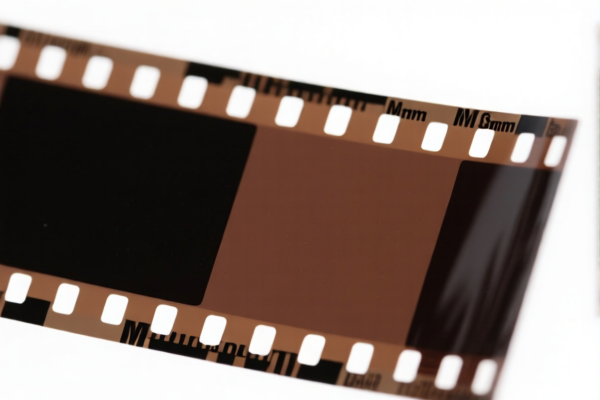
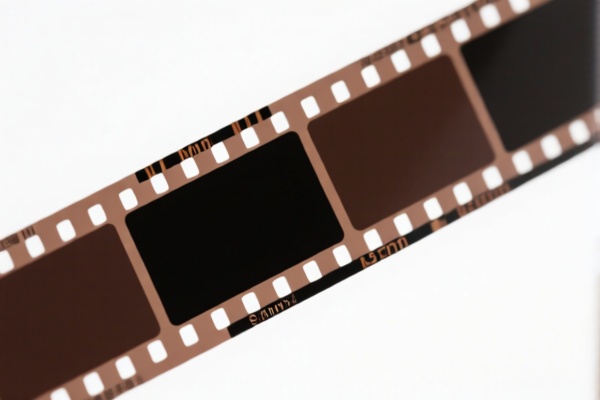
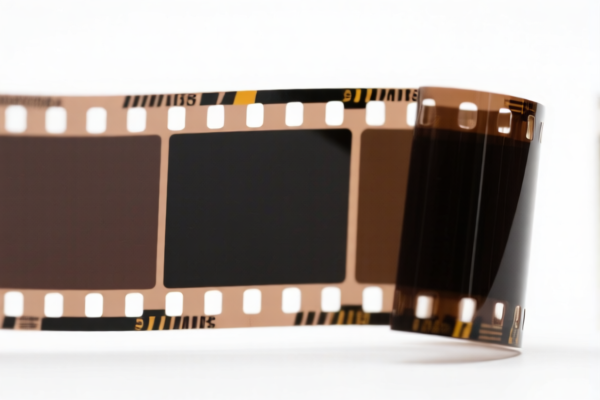
film 135 format
CN → US| HS编码 | 关税税率 | 原产国 | 目的国 | 文档 |
|---|---|---|---|---|
| 3705000000 | 35.0% | CN | US | 官方文档 |
| 3702540030 | 38.7% | CN | US | 官方文档 |
| 3702530030 | 38.7% | CN | US | 官方文档 |
| 3920791000 | 41.2% | CN | US | 官方文档 |
| 3920690000 | 39.2% | CN | US | 官方文档 |
商品图片

AI分析
🎞️ Film 135 Format: HS Code Classification & Clearance Guide (2026 Update)
🌐 HS Code Reference & Clearance Strategy | 2026 Latest Tariff Analysis | Professional Logistics Insight
📌 I. Product Definition: What is "135 Film"?
135 Film refers to standard 35mm motion picture film used in photography. It is the most common film format for consumer and professional still cameras.
In international trade, classification depends heavily on material composition and functional purpose: * Photographic Film: Light-sensitive material coated on a cellulose or polyester base, used for capturing images. * Film Material (Unexposed/Industrial): Plastic or cellulose membranes without photosensitive coating, used for packaging or industrial purposes.
⚠️ Key Distinction:
- If it is light-sensitive photographic film → Classify under Chapter 37 (Photographic Goods).
- If it is non-photosensitive plastic/cellulose membrane → Classify under Chapter 39 (Plastics/Rubber).
📦 II. HS Code Classification Details (2026 Latest Tariff Alignment)
Based on the provided data, here are the matched HS codes for "Film 135 format," ranked by relevance and tax implications.
| HS Code | Product Description | Matching Logic | Total Tax Rate (US Import from CN) |
|---|---|---|---|
3705.00.00.00 |
Photographic Plates & Films for Printing | Best Match: "Film" matches "胶片" (Photographic Film); "135" is a standard photography format. | 35.0% |
3702.54.00.30 |
Color Photographic Film, 35mm (Width) | High Relevance: Matches form ("Film") and use (Photography); aligns with 35mm consumer film norms. | 38.7% |
3702.53.00.30 |
Other Color Photographic Film | High Relevance: "135" = 35mm specification; matches material/form inference for color film. | 38.7% |
3920.79.10.00 |
Other Cellulose Derivatives (≤0.076mm) | Low Relevance: Assumes base material is cellulose derivative; treats as generic film, not photographic. | 41.2% |
3920.69.00.00 |
Other Polyester Films | Low Relevance: Assumes base material is polyester plastic; ignores photographic function. | 39.2% |
🔍 Critical Note:
- Codes3705,3702.54, and3702.53belong to Chapter 37 (Photographic), which is the correct functional category for 135 photography film. - Codes3920.79and3920.69belong to Chapter 39 (Plastics), which misclassifies the functional purpose (photo vs. plastic wrap). Use these only if the film is non-photosensitive.
💰 III. 2026 Tariff Rate Breakdown (Detailed Tax Policy)
✅ Applicable Country: United States (US)
✅ Origin: China (CN)
✅ Effective Date: November 10, 2025 (and subsequent imports)
🎯 1. 3705.00.00.00 — Photographic Plates & Films (Highest Accuracy)
| Item | Detail |
|---|---|
| Base Tariff | 0.0% |
| Section 301 Tariff | +25.0% |
| 122-Clause Tariff | +10.0% |
| Total Tax Rate | 35.0% |
| Tax Calculation | CIF Value × 35% |
| De Minimis Exemption | ❌ Not Eligible |
| Legal Basis Path | USITC:3705.00.00.00 → Section 301: 25% → 122 Clause: 10% |
📌 Explanation:
- This code is the most accurate for printed photographic film or film intended for printing purposes. - 35% total rate is significantly lower than the other photographic codes due to a 0% base tariff. - Must provide: Proof of photographic usage (e.g., packaging showing "ISO 400," "Color Negative," etc.).
🎯 2. 3702.54.00.30 & 3702.53.00.30 — Color Photographic Film (35mm)
| Item | Detail |
|---|---|
| Base Tariff | 3.7% |
| Section 301 Tariff | +25.0% |
| 122-Clause Tariff | +10.0% |
| Total Tax Rate | 38.7% |
| Tax Calculation | CIF Value × 38.7% |
| De Minimis Exemption | ❌ Not Eligible |
| Legal Basis Path | USITC:3702.53/54 → Section 301: 25% → 122 Clause: 10% |
📌 Explanation:
- These codes apply to exposed or unexposed color photographic film for still cameras. - "135" is universally recognized as 35mm format, fitting this category. - Higher base rate (3.7%) results in a higher total tax compared to3705.00.00.00. - Must provide: Material composition details (cellulose acetate base vs. polyester base).
🎯 3. 3920.79.10.00 — Cellulose Derivative Film (Misclassification Risk)
| Item | Detail |
|---|---|
| Base Tariff | 6.2% |
| Section 301 Tariff | +25.0% |
| 122-Clause Tariff | +10.0% |
| Total Tax Rate | 41.2% |
| Tax Calculation | CIF Value × 41.2% |
| De Minimis Exemption | ❌ Not Eligible |
📌 Warning:
- Only use if the film is not light-sensitive (e.g., blank plastic film rolls for packaging). - Misdeclaring photographic film as "cellulose derivative" can lead to customs penalties, delays, or seizure. - Do not use if the product is clearly for photography.
🎯 4. 3920.69.00.00 — Polyester Film (Misclassification Risk)
| Item | Detail |
|---|---|
| Base Tariff | 4.2% |
| Section 301 Tariff | +25.0% |
| 122-Clause Tariff | +10.0% |
| Total Tax Rate | 39.2% |
| Tax Calculation | CIF Value × 39.2% |
| De Minimis Exemption | ❌ Not Eligible |
📌 Warning:
- Only applicable if the film is non-photosensitive polyester plastic film. - Common mistake: Declaring photographic film as "plastic film" to avoid higher photographic tariffs (though in this case,3705is actually cheaper).
🛠️ IV. Clearance Practical Advice (Avoiding Pitfalls)
✅ 1. Documentation Checklist (Mandatory)
| Document | Required | Description |
|---|---|---|
| ✅ Product Spec Sheet | ✔️ | Must state: "Photographic Film," "ISO Rating," "135/35mm Format," "Color/Black & White." |
| ✅ Material Composition | ✔️ | Base material: Cellulose Acetate vs. Polyester. Coating: Light-sensitive emulsion. |
| ✅ Commercial Invoice | ✔️ | Clear description: "135 Format Color Photographic Film, 36 Exposures." Avoid vague terms like "Plastic Roll." |
| ✅ Photos of Packaging | ✔️ | Show ISO number, brand, and "Photographic Film" label. |
| ✅ Certificate of Origin | ✔️ | Required for Section 301 and 122-Clause verification. |
✅ 2. Declaration Tips (Key Strategy)
🔥 "Declare Function, Not Just Material!"
| Scenario | Correct HS Code | Risk if Wrong |
|---|---|---|
| Photographic Film (135/35mm) | 3705.00.00.00 or 3702.53/54 |
Misclassification as 3920 → Penalty + Back Taxes |
| Blank Plastic Film Rolls | 3920.79 or 3920.69 |
Overpaying tax if misdeclared as photographic |
| Exposed Photo Rolls | 3702.53/54 |
Must declare as "Used/Exposed" if applicable |
📌 Golden Rule:
- If the film is light-sensitive, it MUST be under Chapter 37. - If the film is plastic wrap or blank industrial film, it goes under Chapter 39. - Do not mix them up! Customs uses X-rays and lab tests to verify emulsion layers.
✅ 3. Special Cases
| Case | Handling Advice |
|---|---|
| Film for Printing Plates | Use 3705.00.00.00 (0% base tariff) → Lowest Tax (35%) |
| Consumer Color Film | Use 3702.54.00.30 (3.7% base) → Tax 38.7% |
| Film Samples | Still subject to duties; declare as "Sample Photographic Film" |
| Digital Film Simulators | Not film; may fall under 8528 or 9006 if electronic |
🌍 V. Global Market Comparison (2026)
| Market | Recommended HS Code | Tax Rate (China Origin) | Notes |
|---|---|---|---|
| 🇺🇸 USA | 3705.00.00.00 |
35.0% | Lowest among photographic codes due to 0% base |
| 🇨🇳 China | 3705 or 3702 |
~5-7% | Low import tax; no Section 301 |
| 🇪🇺 EU | 3702 or 3705 |
0-6.5% | No Section 301; CE marking not required for film |
| 🇯🇵 Japan | 3702 |
3-8% | Strict purity standards for base material |
📌 Conclusion:
- USA has the highest effective tax burden due to Section 301 (25%) + 122-Clause (10%). -3705.00.00.00is the most cost-effective for US imports if the film qualifies as "for printing." - For consumer photography, expect 38.7% tax.
📌 VI. Common Mistakes & Pitfalls (Lessons Learned)
❌ Mistake 1: Declaring photographic film as "Plastic Film" (3920)
👉 Consequence: Customs detects emulsion layer → Seizure + Fine + Back Taxes
❌ Mistake 2: Using 3702 for printing plates
👉 Consequence: Incorrect classification → Audit Risk + Delay
❌ Mistake 3: Ignoring "122-Clause" tariff
👉 Consequence: Under-declaring tax by 10% → Penalty + Interest
❌ Mistake 4: Vague description "Film Roll"
👉 Consequence: Customs assigns highest default rate → Unexpected High Tax
✅ Correct Practice:
"135 Format Color Negative Photographic Film, 35mm, ISO 400, Cellulose Acetate Base, for Consumer Photography"
🎯 VII. Conclusion: Precise Classification Saves Money!
🎯 Remember:
🔹 "If it's for photos, it's Chapter 37!"
🔹 "135 = 35mm = Photographic Film"
🔹 "Lowest US Tax: 3705.00.00.00 (35%) > Consumer Film (38.7%)"
📌 Pro Tip:
If you are importing bulk photographic film for professional labs, consider
3705.00.00.00for lower tax.
For consumer rolls, accept3702.54.00.30with 38.7% tax.
Always provide material specs!
📣 Immediate Action:
📞 Contact your customs broker with Product Specs + Photos
🚀 Pre-clear your HS Code to avoid 38.7%-41.2% surprises!
✨ Professional Clearance Starts with Accurate Classification!
💼 Every Dollar Saved is a Dollar Earned!
用户评价
关于 HS 编码归类
协调制度(HS)是由世界海关组织(WCO)制定的国际贸易商品分类标准。全球 200 多个国家采用 HS 系统作为海关关税、贸易统计和进出口监管的基础。
每个 HS 编码遵循以下层级结构:
- 章(2 位)——商品大类(例如:第 84 章:机器和机械设备)
- 品目(4 位)——章内的更具体分类
- 子目(6 位)——国际通用细分,所有 WCO 成员国统一使用
- 本国细分(8-10 位)——各国自行扩展的细分编码,如美国 HTSUS 10 位编码
正确的 HS 编码归类对于顺利通关、准确缴纳关税和遵守贸易法规至关重要。错误归类可能导致海关延误、多缴关税或罚款。
从CN进口到US时,适用的关税税率可能包括:
- 最惠国(MFN)税率——适用于 WTO 成员国的标准关税税率
- 普通税率——适用于无贸易协定国家
- 贸易救济关税——附加关税,如 301 条款(反倾销)、232 条款(国家安全)或反补贴税
本页内容仅供参考。如需正式归类,请咨询当地海关或持牌报关代理。