film standard grade
CN → US| HS编码 | 关税税率 | 原产国 | 目的国 | 文档 |
|---|---|---|---|---|
| 3702440160 | 38.7% | CN | US | 官方文档 |
| 3701996060 | 35.0% | CN | US | 官方文档 |
| 3702440130 | 38.7% | CN | US | 官方文档 |
| 3920992000 | 39.2% | CN | US | 官方文档 |
| 3920591000 | 41.0% | CN | US | 官方文档 |
商品图片

AI分析
🎞️ Film Standard Grade (Industrial Level)
🌐 HS Code Reference & Clearance Guide | 2026 Latest Tariff Analysis | Professional-Level Customs Strategy
📌 1. Product Definition & Classification: What is "Standard Grade Film"?
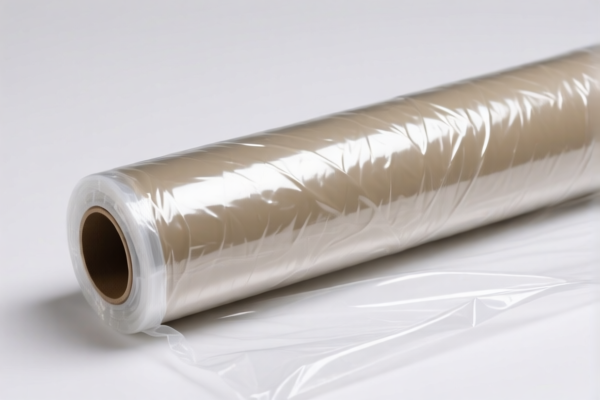
In the context of industrial trade, "Standard Grade Film" typically refers to light-sensitive photographic films or specialized plastic films/membranes used for industrial imaging, testing, or coating purposes. Unlike consumer photography film, this category includes unexposed industrial rolls, sheets, or webs made from photographic materials or synthetic polymers.
Key distinctions in classification depend heavily on material composition (light-sensitive emulsion vs. pure plastic) and physical form (sheets, rolls, or strips).
⚠️ Critical Classification Point:
- If the film contains light-sensitive emulsion (chemicals that react to light for imaging) → It falls under Chapter 37 (Photographic Goods).
- If the film is non-sensitive, purely structural, or made of plastics like polyester/acrylic → It falls under Chapter 39 (Plastics and Articles Thereof).
📦 2. HS Code Classification Details (2026 Latest Tariff Reference)
Based on the provided data, here are the five potential HS Codes for "Standard Grade Film," categorized by material and use:
| HS Code | Product Description | Application Scenario | Taxation Summary |
|---|---|---|---|
3702.44.01.60 |
Industrial Sensitized Film Non-paper/non-textile light-sensitive film. Fits the "Other" residual logic for industrial films. |
General industrial imaging, non-artistic industrial use. | 38.7% |
3701.99.60.60 |
Industrial Light-Sensitive Plates/Films Flat light-sensitive materials, non-paper, non-textile. Fits "Other" material inference. |
High-precision industrial plates, flat sheets used in manufacturing/inspection. | 35.0% |
3702.44.01.30 |
Industrial Art/Imaging Film Non-paper, non-textile sensitized material for industrial image art/processing. |
Industrial artistic applications, specialized imaging processes. | 38.7% |
3920.99.20.00 |
Plastic Film/Sheet (Non-Sensitive) Material inferred as plastic (e.g., Polyester, Cellulose Acetate). Fits "Other Plastic Plates/Films." |
Structural plastic films, protective layers, non-imaging industrial membranes. | 39.2% |
3920.59.10.00 |
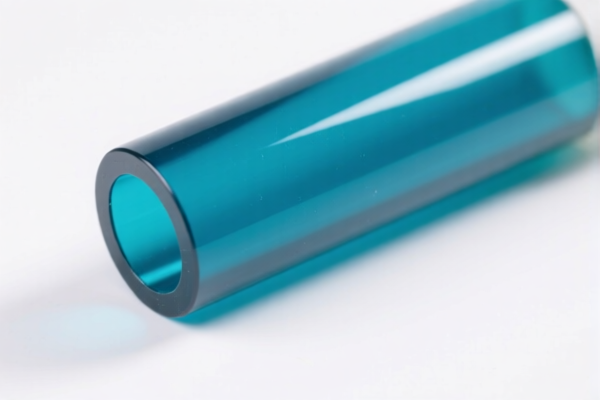
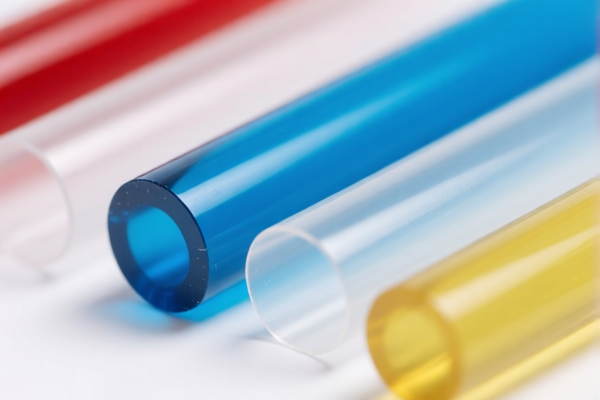
Acrylic/Polymer Film Material inferred as Acrylic or other polymers. No obvious material conflict. |
Specialty polymer films, clear protective coatings, non-sensitive industrial webs. | 41.0% |
🔍 Key Insight:
- Chapter 37 Codes (3702...,3701...) apply only if the film is sensitized (light-sensitive). These often have lower base tariffs but are subject to specific industrial use descriptions. - Chapter 39 Codes (3920...) apply if the film is pure plastic (e.g., PET, Acrylic) with no photographic emulsion. These are treated as general plastic products.
💰 3. 2026 Latest Tariff Rate Breakdown (Including Surcharges)
✅ Applicable Country: United States (US)
✅ Origin: China (CN)
✅ Effective Date: From November 10, 2025 onwards
🎯 A. Light-Sensitive Industrial Films (Chapter 37)
1. 3702.44.01.60 & 3702.44.01.30
| Item | Detail |
|---|---|
| Base Tariff | 3.7% |
| Section 301 Surcharge | +25.0% |
| 122 Clause Tariff | +10.0% |
| Total Rate | 38.7% |
| Legal Basis Path | Base: 3702 → Sec 301: 25% → 122 Clause: 10% |
📌 Explanation:
- These codes are for sensitized films (e.g., X-ray film, industrial photographic rolls). - The 38.7% total rate includes the 25% Section 301 tariff (standard for most Chinese goods) plus an additional 10% under Section 122 (if applicable to specific industrial materials). - Note: Both3702.44.01.60and3702.44.01.30carry the same tax burden.
2. 3701.99.60.60
| Item | Detail |
|---|---|
| Base Tariff | 0.0% |
| Section 301 Surcharge | +25.0% |
| 122 Clause Tariff | +10.0% |
| Total Rate | 35.0% |
| Legal Basis Path | Base: 3701 → Sec 301: 25% → 122 Clause: 10% |
📌 Explanation:
- This code is for flat light-sensitive plates/films (non-rolled or specific flat formats). - It benefits from a 0% base tariff, resulting in a slightly lower total rate (35.0%) compared to rolled films (38.7%). - Strategic Tip: If your product is a flat sheet/plate, prioritize3701.99.60.60to save 3.7% in tariffs.
🎯 B. Non-Sensitive Plastic Films (Chapter 39)
1. 3920.99.20.00 (Polyester/Acetate)
| Item | Detail |
|---|---|
| Base Tariff | 4.2% |
| Section 301 Surcharge | +25.0% |
| 122 Clause Tariff | +10.0% |
| Total Rate | 39.2% |
| Legal Basis Path | Base: 3920 → Sec 301: 25% → 122 Clause: 10% |
📌 Explanation:
- For non-sensitive films made of polyester or cellulose acetate. - Higher base tariff (4.2%) than sensitized films, but no light-sensitive restrictions.
2. 3920.59.10.00 (Acrylic/Polymer)
| Item | Detail |
|---|---|
| Base Tariff | 6.0% |
| Section 301 Surcharge | +25.0% |
| 122 Clause Tariff | +10.0% |
| Total Rate | 41.0% |
| Legal Basis Path | Base: 3920 → Sec 301: 25% → 122 Clause: 10% |
📌 Explanation:
- For acrylic or other polymer films. - Highest rate (41.0%) due to the 6% base tariff. - Avoid this code if a Chapter 37 or3920.99alternative applies.
🛠️ 4. Practical Clearance Advice (Avoiding Pitfalls)
✅ 1. Documentation Checklist (Mandatory)
| Document | Required? | Purpose |
|---|---|---|
| ✅ Product Specification Sheet | ✔️ | Must state: "Light-Sensitive" vs. "Non-Sensitive," Material (e.g., Polyester, Acrylic), and Dimensions. |
| ✅ Material Safety Data Sheet (MSDS) | ✔️ | Crucial for Chapter 37 to prove emulsion content and chemical composition. |
| ✅ Commercial Invoice | ✔️ | Must accurately describe product as "Industrial Film" or "Sensitized Photographic Film," not generic "Plastic Sheet." |
| ✅ Certificate of Origin | ✔️ | To confirm Chinese origin for Section 301/122 calculations. |
| ✅ Packaging Label | ✔️ | Must include handling instructions (e.g., "Keep in Dark," "Light-Sensitive") if applicable. |
✅ 2. Classification Strategy (Key Rules)
🔥 "Sensitized = Ch 37; Plastic = Ch 39; Flat = Cheaper Base!"
| Scenario | Recommended HS Code | Reason |
|---|---|---|
| Light-sensitive roll/film for industrial imaging | 3702.44.01.60 or 3702.44.01.30 |
Matches "Sensitized Film" definition. |
| Flat light-sensitive plates/sheets | 3701.99.60.60 |
Lowest total tax (35.0%) due to 0% base. |
| Non-sensitive Polyester film (e.g., packaging liner) | 3920.99.20.00 |
Standard plastic film code. |
| Non-sensitive Acrylic sheet/film | 3920.59.10.00 |
Highest tax; use only if no other option. |
⚠️ Critical Warning:
- Do NOT misdeclare a light-sensitive film as a "Plastic Film" (3920...) to avoid the perceived complexity of Chapter 37. US Customs (CBP) uses X-rays and chemical tests. If emulsion is detected, penalties and back-tariffs will apply. - Do NOT misdeclare a non-sensitive plastic film as "Photographic Film" (3702...). While the tax might be lower in some cases, it triggers unnecessary regulatory scrutiny (FDA/USDA if food-contact, or chemical imports rules).
✅ 3. Special Handling for "122 Clause"
- The 10% additional tariff under Section 122 is a specific surcharge that applies to many industrial goods from China.
- It is non-negotiable for standard imports.
- Ensure your supplier's HS Code matches the CBP database exactly to avoid delays at the port of entry.
🌍 5. Global Market Comparison (2026)
| Region | Recommended HS Code (Sensitized) | Rate (China Origin) | Notes |
|---|---|---|---|
| 🇺🇸 USA | 3701.99.60.60 / 3702.44.01.60 |
35.0% - 38.7% | Includes 25% Sec 301 + 10% Sec 122. |
| 🇨🇳 China | 3702.44.01 / 3701.99 |
Varies (0-9%) | No additional US surcharges. |
| 🇪🇺 EU | 3702 / 3701 |
0% - 6.5% | No Section 301 equivalent. |
| 🇯🇵 Japan | 3702 / 3701 |
0% - 3% | Generally low tariffs for industrial goods. |
📌 Conclusion:
- The USA is the most expensive market for Chinese industrial film due to Section 301 and 122 tariffs. - If your product is a flat plate, use3701.99.60.60to save 3.7% vs. rolled films. - If your product is non-sensitive, consider if3920.99.20.00is appropriate, but note the higher base tariff.
📌 6. Common Errors & Pitfalls (Lessons Learned)
❌ Error 1: Declaring "Sensitized Film" as "Plastic Film" (3920)
👉 Consequence: Customs inspection reveals emulsion → Penalties + Back Taxes + Delays.
❌ Error 2: Using 3920.59.10.00 for non-acrylic plastics
👉 Consequence: Misclassification → 41.0% tax instead of 39.2% or less.
❌ Error 3: Ignoring the "122 Clause" in cost calculations
👉 Consequence: Unexpected 10% additional cost at clearance → Profit margin erosion.
❌ Error 4: Mixing "Artistic" and "Industrial" film in one shipment
👉 Consequence: Customs may audit the entire batch → Release delays.
✅ Correct Approach:
"Industrial Sensitized Film, Polyester Base, Roll Format, Non-Artistic Use, Model XYZ, MSDS Provided"
→ HS Code:3702.44.01.60
→ Total Tax: 38.7%
🎯 7. Conclusion: Precision Classification for Cost Efficiency
🎯 Remember the Rules:
🔹 "Flat Plates = 0% Base (35% Total)"
🔹 "Rolled Sensitized = 3.7% Base (38.7% Total)"
🔹 "Non-Sensitive Plastic = 4.2-6% Base (39.2-41% Total)"
🔹 "Always declare material accurately to avoid penalties!"
📌 Pro Tip:
If your film is not originally from China (e.g., sourced from Japan, EU, or Vietnam), Section 301 and 122 tariffs may not apply. This could reduce the total tax to 0-6.5%.
Recommendation: Conduct a Pre-Ruling Application with US CBP if your supply chain is complex.
📣 Immediate Action:
📞 Contact your freight forwarder with the correct HS Code and MSDS.
📄 Request a Pre-Ruling if your product is borderline between "Sensitized" and "Plastic."
🚀 Optimize your supply chain to minimize US tariff exposure.
✨ Professional Customs Clearance Starts with Accurate Classification!
💼 Every percentage point saved is pure profit!
用户评价
关于 HS 编码归类
协调制度(HS)是由世界海关组织(WCO)制定的国际贸易商品分类标准。全球 200 多个国家采用 HS 系统作为海关关税、贸易统计和进出口监管的基础。
每个 HS 编码遵循以下层级结构:
- 章(2 位)——商品大类(例如:第 84 章:机器和机械设备)
- 品目(4 位)——章内的更具体分类
- 子目(6 位)——国际通用细分,所有 WCO 成员国统一使用
- 本国细分(8-10 位)——各国自行扩展的细分编码,如美国 HTSUS 10 位编码
正确的 HS 编码归类对于顺利通关、准确缴纳关税和遵守贸易法规至关重要。错误归类可能导致海关延误、多缴关税或罚款。
从CN进口到US时,适用的关税税率可能包括:
- 最惠国(MFN)税率——适用于 WTO 成员国的标准关税税率
- 普通税率——适用于无贸易协定国家
- 贸易救济关税——附加关税,如 301 条款(反倾销)、232 条款(国家安全)或反补贴税
本页内容仅供参考。如需正式归类,请咨询当地海关或持牌报关代理。