finished horse leather
CN → US| HS编码 | 关税税率 | 原产国 | 目的国 | 文档 |
|---|---|---|---|---|
| 4203102000 | 39.7% | CN | US | 官方文档 |
| 4203104085 | 41.0% | CN | US | 官方文档 |
| 4107113000 | 13.6% | CN | US | 官方文档 |
| 4107118000 | 12.4% | CN | US | 官方文档 |
| 4104495000 | 13.3% | CN | US | 官方文档 |
商品图片

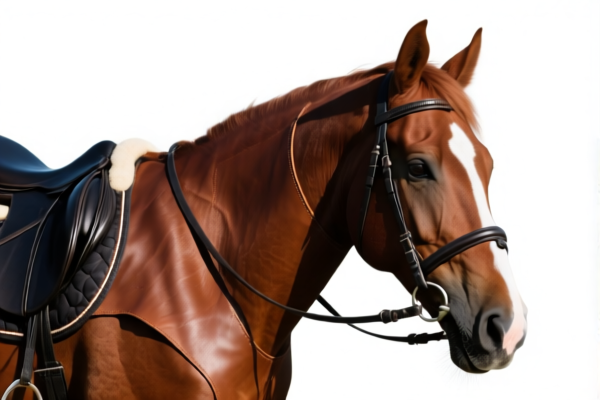
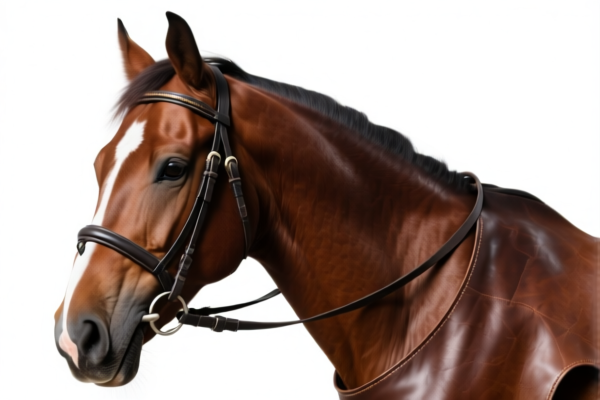
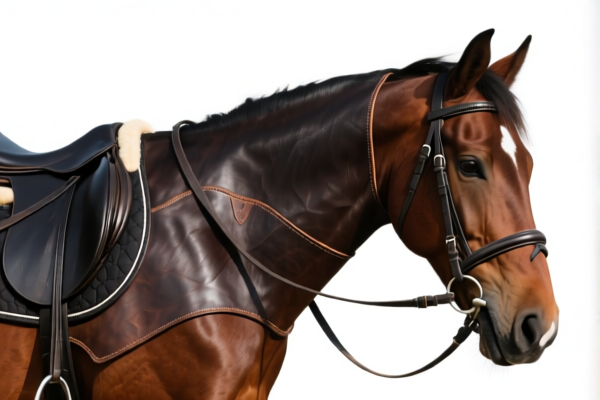
AI分析
🐎 Finished Horse Leather (马皮制成品/半成品)
🌐 HS Code Reference & Customs Clearance Guide | 2026 Latest Tariff Analysis | Professional Clearance Strategy
📌 1. Product Definition & Classification: What Exactly is "Finished Horse Leather"?
"Finished Horse Leather" is a broad term in international trade that can refer to two distinct stages of processing, leading to significantly different HS Code classifications and tax liabilities.
- Finished Garments/Apparel: Horse leather that has been cut, sewn, and constructed into clothing items (jackets, gloves, vests, etc.).
- Finished/Processed Leather Hides: Horse leather that has been tanned, dyed, and finished (surface treated) but remains in its raw hide/skin form, ready for manufacturing.
⚠️ Critical Distinction:
- If the item is wearable clothing (fully constructed) → It falls under Chapter 42 (Articles of Leather).
- If the item is a tanned skin/hide (raw material for manufacturing) → It falls under Chapter 41 (Tanned Leather).
📦 2. HS Code Classification Details (2026 Latest Tariff Authority)
Based on the provided data, here are the specific HS Codes for "Finished Horse Leather" categorized by product state:
| HS Code | Product Description | Application Scenario | Key Feature |
|---|---|---|---|
4203.10.20.00 |
Finished Garments made of horse leather | Jackets, gloves, vests, etc. | Meets apparel form and function |
4203.10.40.85 |
Finished Garments made of horse leather (Other) | Specialized leather apparel | Meets material and form requirements |
4107.11.30.00 |
Whole Horse Hides, tanned and finished | Raw material for leather goods | Full skin characteristic, tanned |
4107.11.80.00 |
Full-Grain Horse Hides, tanned and finished | Premium leather sourcing | Full-grain characteristic, tanned |
4104.49.50.00 |
Horse Leather Rolls/Skins, semi-tanned | Intermediate processing stage | Semi-tanned processing form |
🔍 Key Reminder:
- Garments (4203.xx) are subject to higher tariffs because they are considered "finished consumer goods."
- Tanned Hides (4107.xx) are considered "raw materials" and generally have lower base tariffs, but are still subject to additional levies.
- Do not mix "garments" and "hides" in the same declaration line; they must be split.
💰 3. 2026 Latest Tariff Rate Breakdown (Including Additional Duties & Policy Add-ons)
✅ Applicable Country: USA (US)
✅ Origin: China (CN)
✅ Effective Date: Post-2025 policies (2026 Tariff Schedule)
🎯 1. 4203.10.20.00 & 4203.10.40.85 — Finished Horse Leather Garments
| Item | Content |
|---|---|
| Base Tariff | 4.7% (for .20.00) / 6.0% (for .40.85) |
| Section 301 Additional Tariff | +25.0% (From USITC Footnote) |
| Section 122 Tariff | +10.0% (Specific to this category) |
| Total Tariff Rate | 39.7% (for .20.00) 41.0% (for .40.85) |
| Tax Calculation | CIF Value × 39.7% / 41.0% |
| De Minimis Eligibility | ❌ NOT ELIGIBLE (High value, non-exempt) |
| Legal Basis Path | Base Rate → Section 301 (25%) → Section 122 (10%) |
📌 Explanation:
- The 25% additional tariff is the standard Section 301 duty on many Chinese goods.
- The 10% Section 122 tariff applies specifically to certain leather apparel items.
- Total Cost Impact: Importing a $1,000 jacket costs $397–$410 in duties alone!
🎯 2. 4107.11.30.00 — Tanned Horse Hides (Whole)
| Item | Content |
|---|---|
| Base Tariff | 3.6% |
| Section 301 Additional Tariff | 0.0% (Exempt/Reduced for this specific subheading) |
| Section 122 Tariff | +10.0% |
| Total Tariff Rate | 13.6% |
| Tax Calculation | CIF Value × 13.6% |
| De Minimis Eligibility | ❌ NOT ELIGIBLE |
| Legal Basis Path | Base Rate → Section 122 (10%) |
📌 Note:
- No Section 301 (25%) duty applies here, significantly lowering the cost compared to garments.
🎯 3. 4107.11.80.00 — Tanned Horse Hides (Full Grain)
| Item | Content |
|---|---|
| Base Tariff | 2.4% |
| Section 301 Additional Tariff | 0.0% |
| Section 122 Tariff | +10.0% |
| Total Tariff Rate | 12.4% |
| Tax Calculation | CIF Value × 12.4% |
| De Minimis Eligibility | ❌ NOT ELIGIBLE |
| Legal Basis Path | Base Rate → Section 122 (10%) |
📌 Note:
- Full-grain hides often have a slightly lower base rate than whole hides, resulting in the lowest total tariff among the options.
🎯 4. 4104.49.50.00 — Semi-Tanned Horse Leather Rolls
| Item | Content |
|---|---|
| Base Tariff | 3.3% |
| Section 301 Additional Tariff | 0.0% |
| Section 122 Tariff | +10.0% |
| Total Tariff Rate | 13.3% |
| Tax Calculation | CIF Value × 13.3% |
| De Minimis Eligibility | ❌ NOT ELIGIBLE |
| Legal Basis Path | Base Rate → Section 122 (10%) |
📌 Note:
- Semi-tanned leather is an intermediate product. It avoids the higher Section 301 duties but still incurs the Section 122 tariff.
🛠️ 4. Customs Clearance Practical Advice (Avoid Pitfalls)
✅ 1. Documentation Checklist (Mandatory)
| Document | Required? | Description |
|---|---|---|
| ✅ Product Specification Sheet | ✔️ | Must specify: Type of leather (Horse), Finish type (Full grain/Whole), Tanning method |
| ✅ Commercial Invoice | ✔️ | Must clearly state "Horse Leather Garments" or "Tanned Horse Hides" |
| ✅ Packing List | ✔️ | Detail quantity, weight, and dimensions |
| ✅ Certificate of Origin (CO) | ✔️ | Essential for origin determination (China vs. Third Country) |
| ✅ Lab Test Report | ✔️ | Recommended to prove material composition (100% Horse Leather) |
| ✅ Tanning Certificate | ✔️ | For hides (4107), prove the tanning process |
✅ 2. Declaration Tips (Key Mantra)
🔥 "Garments are 40%, Hides are 13%. Know your form!"
| Scenario | Correct HS Code | Incorrect Practice | Consequence |
|---|---|---|---|
| Finished Jacket | 4203.10.20.00 |
Declare as "Leather Hide" | Risk of Penalty/Retrospective Duty Up to 40% |
| Raw Tanned Hide | 4107.11.80.00 |
Declare as "Garment" | Overpayment of Duty (12.4% vs 41%) |
| Semi-Tanned Roll | 4104.49.50.00 |
Undeclared/Incorrect | Delay/Inspection |
| Mixed Shipment | Split Declaration | Combine into one line | Customs Rejection |
✅ 3. Special Cases Handling
| Situation | Advice |
|---|---|
| OEM Garments | Provide design specs and customer order to prove "Finished" status |
| Partial Hides | Ensure description matches "Whole" vs. "Cut" to select correct 4107 subheading |
| Leather Trim/Accessories | If small pieces are not garments, they may fall under different codes; consult specialist |
| Origin Fraud | Do not misdeclare origin to avoid Section 301/122; Customs uses advanced data analytics |
🌍 5. Global Market Comparison (2026 Latest)
| Country/Region | Recommended HS Code | Tariff (China Origin) | Certifications | Notes |
|---|---|---|---|---|
| 🇺🇸 USA | 4203.10.20.00 (Garments) |
39.7% | None required for clearance | High duty due to Section 301 + 122 |
| 🇺🇸 USA | 4107.11.80.00 (Hides) |
12.4% | None required for clearance | Lower duty for raw materials |
| 🇪🇺 EU | 4203.10.00 |
~12-16% | REACH Compliance | No Section 301/122 |
| 🇨🇳 China | 4203.10.20.00 |
~10-15% | CCC (if applicable) | Import duty vs Export duty dynamics |
📌 Conclusion:
- USA imposes the heaviest burden on finished leather garments (nearly 40%).
- Raw/Tanned Hides face much lower tariffs (12-13%) even in the US, making them more competitive for supply chain flexibility.
📌 6. Common Errors & Pitfalls (Lessons Learned)
❌ Error 1: Declaring finished leather jackets as "Leather Parts" or "Hides" to avoid the 40% tariff.
👉 Consequence: Customs seizure, fines, and potential legal action for fraud.
❌ Error 2: Confusing "Full Grain" (4107.11.80.00) with "Whole Skin" (4107.11.30.00).
👉 Consequence: Minor rate difference (12.4% vs 13.6%), but incorrect documentation can cause delays.
❌ Error 3: Ignoring the Section 122 Tariff.
👉 Consequence: Underpayment of 10% on hides/garments, leading to interest and penalties.
✅ Correct Approach:
"Horse Leather Jacket, Size M, Full Grain, Tanned, Model XYZ"
vs.
"Tanned Horse Hides, Full Grain, Cattle/Horse, Country of Origin: China"
🎯 7. Conclusion: Precise Classification Saves Money!
🎯 Remember:
🔹 "Garments = ~40%, Hides = ~13%. Know the form!"
🔹 "Section 301 hits garments, Section 122 hits both. Check your line item!"
📌 Pro Tip:
If your supply chain allows, consider importing tanned hides (4107.xx) and manufacturing garments domestically or in a third country (e.g., Mexico, Vietnam) to potentially leverage USMCA or other FTAs, avoiding the high US import duties on Chinese-made leather apparel.
📣 Take Action Now:
📞 Contact a licensed customs broker + Provide product photos + Apply for Binding Ruling if unsure.
🚀 Ensure your leather goods pass through customs smoothly, efficiently, and cost-effectively!
✨ Professional Clearance Starts with Accurate Classification!
💼 Every percentage point of duty counts!
用户评价
关于 HS 编码归类
协调制度(HS)是由世界海关组织(WCO)制定的国际贸易商品分类标准。全球 200 多个国家采用 HS 系统作为海关关税、贸易统计和进出口监管的基础。
每个 HS 编码遵循以下层级结构:
- 章(2 位)——商品大类(例如:第 84 章:机器和机械设备)
- 品目(4 位)——章内的更具体分类
- 子目(6 位)——国际通用细分,所有 WCO 成员国统一使用
- 本国细分(8-10 位)——各国自行扩展的细分编码,如美国 HTSUS 10 位编码
正确的 HS 编码归类对于顺利通关、准确缴纳关税和遵守贸易法规至关重要。错误归类可能导致海关延误、多缴关税或罚款。
从CN进口到US时,适用的关税税率可能包括:
- 最惠国(MFN)税率——适用于 WTO 成员国的标准关税税率
- 普通税率——适用于无贸易协定国家
- 贸易救济关税——附加关税,如 301 条款(反倾销)、232 条款(国家安全)或反补贴税
本页内容仅供参考。如需正式归类,请咨询当地海关或持牌报关代理。