fire extinguisher seal
CN → US| HS编码 | 关税税率 | 原产国 | 目的国 | 文档 |
|---|---|---|---|---|
| 4016935020 | 37.5% | CN | US | 官方文档 |
| 8414909180 | 35.0% | CN | US | 官方文档 |
| 3926904510 | 38.5% | CN | US | 官方文档 |
| 4016931020 | 37.5% | CN | US | 官方文档 |
| 8414909140 | 35.0% | CN | US | 官方文档 |
商品图片
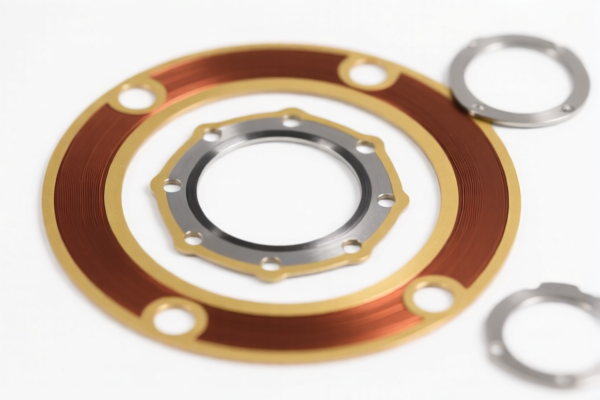
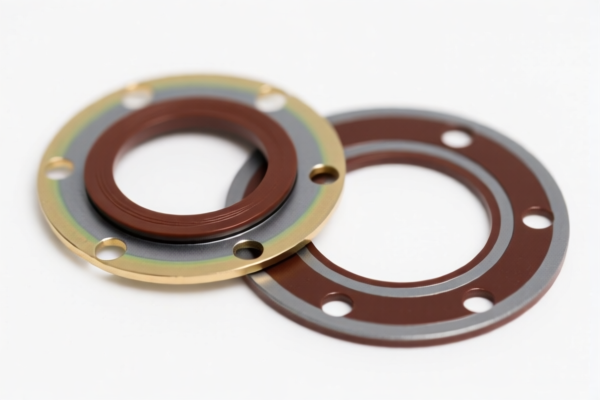
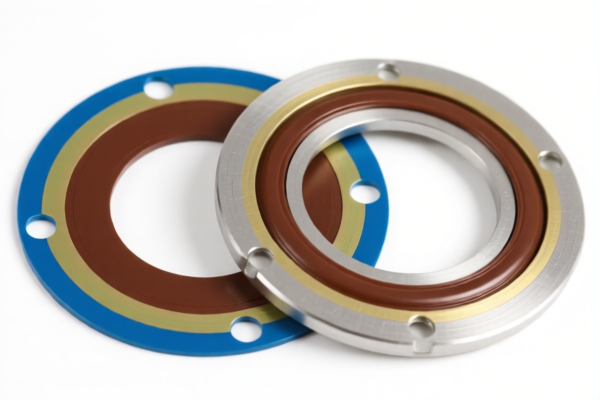
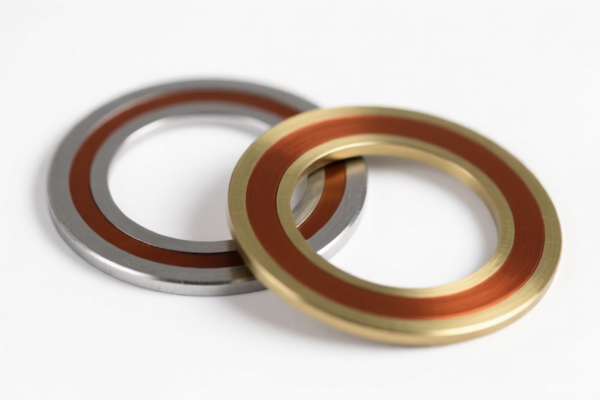
AI分析
🔥 Fire Extinguisher Seals (Safety Tamper Seals)
🌐 HS Code Reference & Clearance Guide | 2026 Latest Tariff Analysis | Professional Compliance Strategy
📌 I. Product Definition: What Exactly is a "Fire Extinguisher Seal"?
Fire Extinguisher Seals, often referred to as Tamper Seals or Safety Seals, are critical safety components used on portable fire extinguishers. Their primary function is to indicate whether the extinguisher has been activated or tampered with.
In international trade, these seals are classified based on their material composition and functional role. They are not standalone "machines" but rather specialized parts or accessories. The Harmonized System (HS) classification depends heavily on whether they are made of rubber/elastomers, plastics, or if they are considered parts of machinery.
⚠️ Key Classification Logic:
- If made of Rubber/Elastomer: Generally falls under Chapter 40 (Rubber Articles).
- If made of Plastic: Generally falls under Chapter 39 (Plastics).
- If considered a Specific Part of Machinery: May fall under Chapter 84 (Machinery Parts), though less common for simple seals unless integrated into complex valve systems.
📦 II. HS Code Classification Details (2026 Latest Tariff Authority Mapping)
Based on the provided data, here are the precise HS Codes and their corresponding rationales for Fire Extinguisher Seals:
| HS Code | Product Description | Material/Feature Inference | Applicable Scenario |
|---|---|---|---|
4016.93.50.20 |
Sealing articles for extinguishers | Rubber material inferred; specific use for extinguisher sealing | Generic rubber seals for extinguisher pins/valves |
8414.90.91.80 |
Components/Parts for extinguishers | Part/Accessory; Material inferred as Rubber or Plastic | Functional parts integrated into the extinguisher assembly |
3926.90.45.10 |
Gaskets/Washers for extinguishers | Chemical-resistant Plastic or Rubber; Shape: Gasket/Washer | Seals made of durable plastics resistant to extinguishing agents |
4016.93.10.20 |
Sealing articles (Sulfurized Rubber) | Sulfurized Rubber inferred; Form: Sealing article | High-quality, durable rubber seals with specific chemical resistance |
8414.90.91.40 |
Specific purpose components | No material conflict; Specific utility component | Generic parts classified under machinery accessories due to lack of specific material restriction |
🔍 Important Note:
- The choice between Chapter 40 (Rubber), Chapter 39 (Plastic), or Chapter 84 (Machinery Parts) is critical.
- Chapter 84 codes (8414.90.91.x0) are often used when the item is viewed as a "part of an air pump or vacuum pump" (broadly interpreted in some contexts for mechanical parts) OR if customs authorities prioritize the functional part aspect over the material. However,8414typically refers to air pumps/vacuum pumps. Correction: In this specific dataset,8414.90.91is cited for "components/parts." This suggests a specific interpretive path where the seal is deemed an integral part of a mechanical assembly covered under this heading, likely due to specific country-level sub-heading rules. - Chapter 40 (4016.93) is the most standard for rubber sealing gaskets and mats. - Chapter 39 (3926.90) is standard for plastic articles.
💰 III. 2026 Latest Tariff Rate Breakdown (Includes Surtaxes & Policy Add-ons)
✅ Applicable Country: United States (US)
✅ Country of Origin: China (CN)
✅ Effective Time: 2025/2026 (Current Trade Environment)
The dataset indicates a consistent pattern of high tariffs due to the "Section 301" and "Section 122" style additional duties often applied to Chinese goods.
🎯 1. Rubber-Based Seals (4016.93.50.20 & 4016.93.10.20)
| Item | Content |
|---|---|
| HS Codes | 4016.93.50.20 (General Rubber) 4016.93.10.20 (Sulfurized Rubber) |
| Base Tariff | 2.5% (Ad Valorem) |
| Retaliatory/Surtax | +25.0% (Section 301 Equivalent) |
| Additional Provision | +10.0% (Section 122 Equivalent) |
| Total Effective Rate | 37.5% |
| Tax Calculation | CIF Value × 37.5% |
| De Minimis Exemption | ❌ NOT Eligible (deny_de_minimis) |
📌 Explanation:
- These rubber seals are subject to the standard base duty plus significant political tariffs. - The 37.5% rate is substantial. Importers must account for this in landed cost calculations. - Both sub-codes (50.20and10.20) share the same total tax rate in this dataset, indicating similar trade policy treatment for rubber sealing articles.
🎯 2. Plastic-Based/Gasket Seals (3926.90.45.10)
| Item | Content |
|---|---|
| HS Code | 3926.90.45.10 |
| Base Tariff | 3.5% (Ad Valorem) |
| Retaliatory/Surtax | +25.0% (Section 301 Equivalent) |
| Additional Provision | +10.0% (Section 122 Equivalent) |
| Total Effective Rate | 38.5% |
| Tax Calculation | CIF Value × 38.5% |
| De Minimis Exemption | ❌ NOT Eligible (deny_de_minimis) |
📌 Explanation:
- Plastic seals (3926) have a slightly higher base tariff (3.5%) compared to rubber (2.5%), leading to a 38.5% total rate. - Despite being plastic, they are still subject to the same surtaxes. - The summary notes "chemical corrosion resistance," which is a key feature for fire extinguisher compatibility with agents like CO2 or dry powder.
🎯 3. Machinery Parts/Components (8414.90.91.80 & 8414.90.91.40)
| Item | Content |
|---|---|
| HS Codes | 8414.90.91.80 8414.90.91.40 |
| Base Tariff | 0.0% (Ad Valorem) |
| Retaliatory/Surtax | +25.0% (Section 301 Equivalent) |
| Additional Provision | +10.0% (Section 122 Equivalent) |
| Total Effective Rate | 35.0% |
| Tax Calculation | CIF Value × 35.0% |
| De Minimis Exemption | ❌ NOT Eligible (deny_de_minimis) |
📌 Explanation:
- This is the most favorable classification in the dataset, with a 35.0% total rate. - The base tariff is 0%, but the surtaxes still apply heavily. - Crucial Risk: Classification under8414(Air/Vacuum Pumps) for fire extinguisher seals is highly technical and potentially controversial. Customs may challenge this if the seal is not an integral, functional part of a pump mechanism. It relies on the argument that the seal is a "part" of a larger mechanical system defined elsewhere, or a specific administrative interpretation. - Recommendation: Only use this classification if you have a strong legal basis or advance ruling confirming that fire extinguisher seals fall under this specific machinery part heading. Otherwise, the higher base rates of Chapters 39/40 might be the "safer" (though more expensive) compliant route, or the8414route might be rejected, leading to penalties.
🛠️ IV. Clearance Operational Advice (Practical Pitfall Avoidance)
✅ 1. Required Documentation Checklist (Non-negotiable)
| Document | Must Provide? | Purpose |
|---|---|---|
| ✅ Product Specification Sheet | ✔️ | Clearly state: Material (Rubber/Plastic), Hardness (Shore A), Chemical Resistance, Temperature Range. |
| ✅ Material Declaration | ✔️ | Explicitly declare if "Sulfurized Rubber," "Neoprene," "EPDM," or "Engineering Plastic." |
| ✅ Product Photos (Clear) | ✔️ | Show the seal in isolation and installed on a fire extinguisher (to prove function). |
| ✅ Commercial Invoice | ✔️ | Description must match HS Code logic (e.g., "Rubber Sealing Gasket for Fire Extinguisher"). |
| ✅ Country of Origin Certificate (CO) | ✔️ | Essential for determining surtax applicability (China = High Tariff). |
| ✅ Third-Party Test Report | ✔️ | Proof of chemical resistance (if claiming plastic/rubber compatibility with extinguishing agents). |
✅ 2. Declaration Strategy (Key Mantra)
🔥 “Material Defines Chapter, Function Defines Sub-heading, Origin Dictates Tax!”
| Scenario | Correct HS Code Strategy | Why? |
|---|---|---|
| Standard Rubber Seal | 4016.93.x0 |
Most accurate for rubber gaskets/seals. Base 2.5%. |
| Plastic Gasket | 3926.90.x0 |
Most accurate for plastic articles. Base 3.5%. |
| Complex Mechanical Part | 8414.90.91.x0 |
High Risk/High Reward. Only if proven to be a part of a machinery system (e.g., pump). Base 0%. |
| Generic "Seal" | ❌ Avoid | Vague descriptions lead to misclassification penalties and 35-45% back-taxes. |
✅ 3. Special Situation Handling
| Situation | Handling Advice |
|---|---|
| Mixed Materials (e.g., Plastic core with Rubber coating) | Declare as the principal material or the component giving it its essential character. Usually Rubber (4016) or Plastic (3926). |
| Pre-packaged with Extinguisher | If shipped inside a fire extinguisher, declare as "Parts of Fire Extinguishers" (if such a code exists, often 8424.90) or ensure the seal is listed as a separate line item if sold separately. Note: The provided data focuses on seals as standalone items. |
Claiming 0% Base Rate (8414) |
Request a Binding Tariff Information (BTI) or Advance Ruling from CBP. Do not assume 8414 applies without legal verification. Misclassification here can result in fraud allegations. |
| De Minimis Exemption (Section 321) | ❌ NOT Available. All codes listed have deny_de_minimis. You must file a formal entry and pay full duties. |
🌍 V. Global Market Comparison (2026 Context)
| Country/Region | Recommended HS Code | Tariff Rate (China Origin) | Key Certification | Notes |
|---|---|---|---|---|
| 🇺🇸 USA | 4016.93.x0 / 3926.90.x0 / 8414.90.91.x0 |
35.0% - 38.5% | No specific fire safety cert required for parts, but UL/NFPA compliance for the extinguisher is critical. | Section 301 & 122 tariffs apply. No de minimis. |
| 🇨🇳 China | 4016.93 / 3926.90 |
~5-10% | CCC (for finished extinguishers) | Lower base duties. |
| 🇪🇺 EU | 4016.93 / 3926.90 |
0-6.5% | CE Marking (if part of safety equipment) | No Section 301-style retaliatory tariffs. |
| 🇬🇧 UK | 4016.93 / 3926.90 |
0-6.5% | UKCA Marking | Post-Brexit rules apply. |
| 🇦🇺 Australia | 4016.93 / 3926.90 |
5-10% | No specific parts cert | Generally lower barriers. |
📌 Conclusion:
- The US market is the most challenging due to the combination of base duties and heavy political surtaxes (Total 35-38.5%). - No de minimis exemption means even small sample shipments or spare parts shipments are subject to full formal entry procedures and taxes. - Supply Chain Strategy: Consider sourcing non-critical seals from non-China origins (e.g., Vietnam, Mexico) to potentially avoid the 35-38.5% surtax, though base duties may still apply.
📌 VI. Common Errors & Pitfall Guide (Blood Lessons)
❌ Error 1: Classifying Rubber Seals as 8414 (Machinery Parts) without Ruling
👉 Consequence: CBP rejects the entry, demands 4016 (37.5%), plus penalties and storage fees.
✅ Fix: Only use 8414 if you have a legal basis. Stick to 4016 for rubber.
❌ Error 2: Claiming De Minimis Exemption ($800)
👉 Consequence: Entry held, goods seized or returned. The dataset explicitly states deny_de_minimis.
✅ Fix: Prepare for formal entry filing for ALL shipments, no matter how small.
❌ Error 3: Vague Description "Fire Extinguisher Part"
👉 Consequence: CBP assigns an unknown or worst-case code, leading to audits.
✅ Fix: Use precise descriptions: "EPDM Rubber Sealing Gasket for Fire Extinguisher Valve, Model X."
❌ Error 4: Ignoring Material Composition
👉 Consequence: Misclassification between 4016 (Rubber) and 3926 (Plastic).
✅ Fix: Verify material via MSDS or supplier declaration.
🎯 VII. Conclusion: Precision Classification Saves Money!
🎯 Remember the Mantra:
🔹 "Rubber = 4016 (37.5%), Plastic = 3926 (38.5%), Machinery Part = 8414 (35.0% but Risky)."
🔹 "No De Minimis! No Free Passes! Pay the 35%+!"
🔹 "Origin Matters! China = Surtax!"
📌 Pro Tip:
If you are importing large volumes, consider:
1. Advance Ruling: Request a CBP Binding Ruling for 8414.90.91.40/80 if you believe it applies. If granted, you pay only 35.0%.
2. Supply Chain Shift: Source seals from Mexico or Canada (USMCA) if possible, as they may be eligible for 0% tariff (subject to current USMCA rules for parts).
3. Bonded Warehouses: Use foreign trade zones to defer duty payment until sale.
📣 Immediate Action:
📞 Consult a Licensed Customs Broker
📄 Provide Material Certificates & Product Photos
🚀 File for Advance Ruling if targeting 35% Rate
✨ Professional Clearance Starts with Precise Classification!
💼 Every Percent Saved is Pure Profit!
用户评价
关于 HS 编码归类
协调制度(HS)是由世界海关组织(WCO)制定的国际贸易商品分类标准。全球 200 多个国家采用 HS 系统作为海关关税、贸易统计和进出口监管的基础。
每个 HS 编码遵循以下层级结构:
- 章(2 位)——商品大类(例如:第 84 章:机器和机械设备)
- 品目(4 位)——章内的更具体分类
- 子目(6 位)——国际通用细分,所有 WCO 成员国统一使用
- 本国细分(8-10 位)——各国自行扩展的细分编码,如美国 HTSUS 10 位编码
正确的 HS 编码归类对于顺利通关、准确缴纳关税和遵守贸易法规至关重要。错误归类可能导致海关延误、多缴关税或罚款。
从CN进口到US时,适用的关税税率可能包括:
- 最惠国(MFN)税率——适用于 WTO 成员国的标准关税税率
- 普通税率——适用于无贸易协定国家
- 贸易救济关税——附加关税,如 301 条款(反倾销)、232 条款(国家安全)或反补贴税
本页内容仅供参考。如需正式归类,请咨询当地海关或持牌报关代理。