fish tank cleaning brush
CN → US| HS编码 | 关税税率 | 原产国 | 目的国 | 文档 |
|---|---|---|---|---|
| 9603908040 | 20.3% | CN | US | 官方文档 |
| 9603908050 | 70.3% | CN | US | 官方文档 |
| 7326908688 | 87.9% | CN | US | 官方文档 |
| 9603294090 | 0.0% | CN | US | 官方文档 |
| 3926909989 | 22.8% | CN | US | 官方文档 |
商品图片
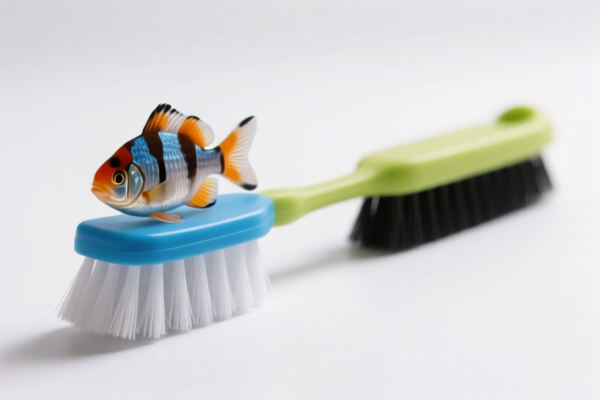
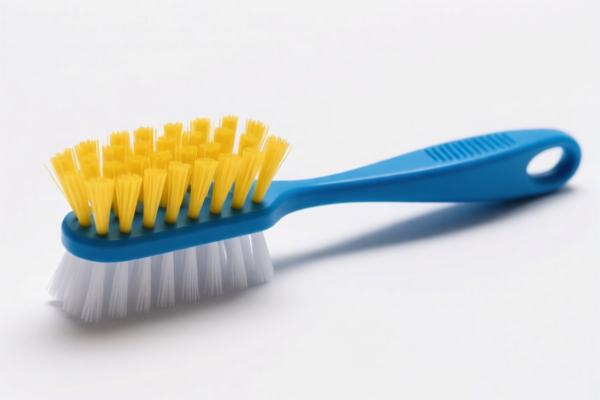
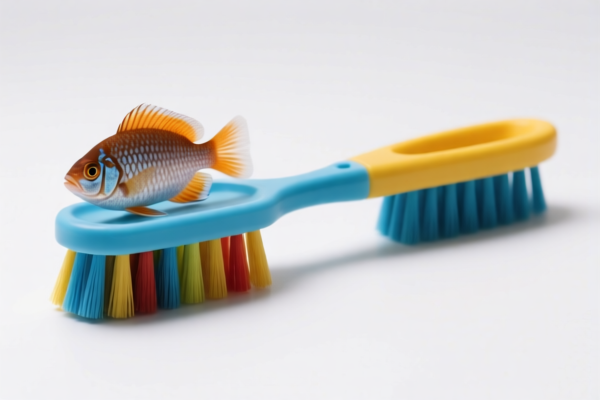
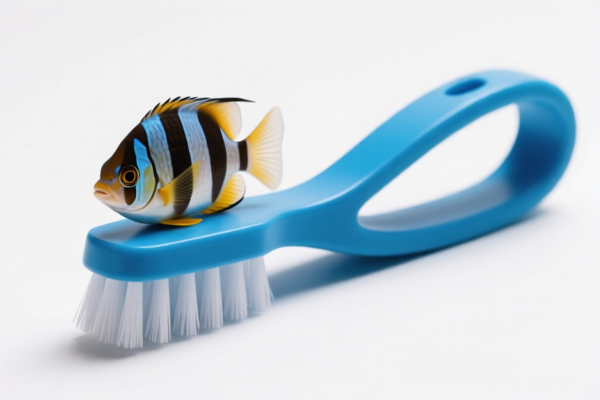
AI分析
🐠 Fish Tank Cleaning Brush (Aquarium Maintenance Tools)
🌐 HS Code Reference & Customs Clearance Guide | 2026 Latest Tariff Analysis | Professional Entry Strategy
📌 Part I: Product Definition & Classification: What Exactly is a "Fish Tank Cleaning Brush"?
A fish tank cleaning brush is a specialized cleaning tool designed for aquarium maintenance. In international trade, its classification depends heavily on material composition (plastic, nylon, metal) and primary function (brushing vs. structural metal part). It falls primarily under Chapter 96 (Articles of Plastics and Miscellaneous Made-up Articles) or potentially Chapter 73 (Articles of Iron or Steel) if dominated by metal components.
⚠️ Key Distinction Point:
- If made of plastic/nylon bristles with plastic handles → Classified as Brushes/Sweeping Tools (Chapter 96);
- If made of metal structures (iron/steel) with bristles → Classified as Articles of Iron or Steel (Chapter 73);
- If primarily a plastic container/accessory rather than a cleaning device → Might fall under Plastic Articles (Chapter 39).
📦 Part II: HS Code Classification Details (2026 Latest Tariff Authority Cross-Reference)
| HS Code | Product Description | Application Scenario | Material/Key Feature |
|---|---|---|---|
9603.90.80.40 |
Other brooms, brushes (including brushes constituting parts of machines); hand-operated mechanical floor sweepers; mops and feather dusters | General plastic/nylon aquarium brushes for glass/scaping | ✅ Plastic/Nylon Bristles & Handle |
9603.90.80.50 |
Other brushes (including brushes constituting parts of machines) | Brushes where material might be ambiguous but function is cleaning | ✅ Plastic/Nylon (General "Other" Category) |
7326.90.86.88 |
Other articles of iron or steel | Fish tank brushes with significant metal frames, wire brushes, or steel handles | ✅ Metal (Iron/Steel) Components Dominant |
9603.29.40.90 |
Other toothbrushes, hairbrushes, nail brushes, eyelash brushes and other toilet brushes | Plastic cleaning brushes classified under "other toilet/cleaning brushes" | ✅ Plastic, Small Scale, Detailed Cleaning |
3926.90.99.89 |
Other articles of plastics | Plastic aquarium accessories not specifically classified elsewhere (e.g., rigid plastic scrapers/brushes) | ✅ Plastic Article (Non-Brush Specific) |
🔍 Critical Reminder:
- Plastic/Nylon Brushes generally fall under Chapter 96 (9603or9603.29).
- If the brush has a substantial metal structure (e.g., steel wire scrubbers for heavy algae), it may shift to Chapter 73 (7326).
- Misclassification Risk: Declaring a metal-frame brush as plastic (3926) or a plastic brush as metal (7326) leads to severe tariff discrepancies and customs delays.
💰 Part III: 2026 Latest Tariff Rate Breakdown (Including Surtaxes & Policy Add-ons)
✅ Applicable Country: United States (US)
✅ Country of Origin: China (CN)
✅ Effective Date: 2025/2026 (Current Trade Policy Era)
🎯 1. 9603.90.80.40 & 9603.90.80.50 – Plastic/Nylon Cleaning Brushes (Chapter 96)
These codes cover the majority of standard aquarium brushes.
| Item | Content |
|---|---|
| Base Tariff | 2.8% (Ad Valorem) |
| Section 301 Surtax | +7.5% (Standard US-China Trade War Tariff) |
| Section 122 Tariff | +10% (Specific Add-on for certain Chinese goods) |
| Steel/Aluminum/Copper Surcharge | 0% (Not applicable, as these are plastic/nylon brushes) |
| Total Effective Tariff | 20.3% |
| Tax Calculation | CIF Value × 20.3% |
| De Minimis Eligibility | ❌ No (High tariff rates exceed standard de minimis thresholds for duty-free entry) |
| Legal Basis Path | HTSUS:9603.90.80 → USITC Footnote 301 → Trade Remedy Rules |
📌 Explanation:
- The 2.8% is the standard MFN (Most Favored Nation) rate for general brushes.
- The +7.5% is the standard Section 301 tariff on Chinese-made household goods.
- The +10% is an additional levy under specific trade provisions (Section 122 or similar targeted measures).
- Total 20.3% is a moderate-to-high rate, significantly impacting profit margins.
🎯 2. 9603.29.40.90 – Specific Plastic Toilet/Cleaning Brushes
| Item | Content |
|---|---|
| Base Tariff | 0.2¢ per piece (Specific Unit Duty) + 7% Ad Valorem |
| Surtaxes | 0.0% (Exempt from some Section 301 add-ons due to specific coding, BUT note the 10% Section 122) |
| Section 122 Tariff | +10% (Ad Valorem) |
| Total Effective Tariff | 0.2¢ per unit + 17% Ad Valorem (Approximate) |
| Tax Calculation | (0.002 USD × Quantity) + (CIF Value × 17%) |
| De Minimis Eligibility | ❌ No |
| Legal Basis Path | HTSUS:9603.29.40.90 → USITC Specific Unit Duty Rules |
📌 Explanation:
- This code has a specific unit duty (0.2 cents per brush), which can be beneficial for low-value items.
- However, the 10% Section 122 tariff still applies, making the total burden higher than base rates.
- Caution: This classification is often used for "toilet brushes" or small hygiene brushes; ensure your product description matches the regulatory definition of "toilet/household cleaning brush."
🎯 3. 3926.90.99.89 – Plastic Articles (Non-Specific)
| Item | Content |
|---|---|
| Base Tariff | 5.3% (Ad Valorem) |
| Section 301 Surtax | +7.5% |
| Section 122 Tariff | +10% |
| Total Effective Tariff | 22.8% |
| Tax Calculation | CIF Value × 22.8% |
| De Minimis Eligibility | ❌ No |
| Legal Basis Path | HTSUS:3926.90.99.89 → USITC Footnote 301 |
📌 Explanation:
- If customs determines the item is not primarily a "brush" but a "plastic accessory," it may fall here.
- 22.8% is higher than the standard brush classification (9603.90.80.40at 20.3%).
- Risk: Misclassifying as3926when it’s clearly a9603brush can lead to penalties for undervaluation or incorrect reporting.
🎯 4. 7326.90.86.88 – Metal Articles (Iron/Steel)
| Item | Content |
|---|---|
| Base Tariff | 2.9% (Ad Valorem) |
| Section 301 Surtax | +25.0% (High due to metal category) |
| Steel/Aluminum/Copper Surcharge | +50% (Specific surcharge for metal products) |
| Section 122 Tariff | +10% |
| Total Effective Tariff | 87.9% |
| Tax Calculation | CIF Value × 87.9% |
| De Minimis Eligibility | ❌ No |
| Legal Basis Path | HTSUS:7326.90.86.88 → USITC Metal Surtax Rules |
📌 Explanation:
- WARNING: If your brush has a metal frame, handle, or wire bristles, it may be classified here.
- The 87.9% total tariff is extremely high due to the combination of Section 301 (25%) and the specific 50% surcharge for steel/aluminum/copper products.
- Action: If your brush is mostly plastic, ensure you do NOT declare it under7326. Provide material breakdowns to prove plastic dominance.
🛠️ Part IV: Customs Clearance Practical Advice (Battle-Tested Pitfall Avoidance Guide)
✅ 1. Preparation Checklist (Non-Negotiable)
| Document | Required? | Explanation |
|---|---|---|
| ✅ Product Specification Sheet | ✔️ | Must detail: Material (e.g., PP handle, Nylon bristles), Dimensions, Weight. |
| ✅ Material Composition Report | ✔️ | Crucial for distinguishing between 9603 (Plastic/Nylon) and 7326 (Metal). |
| ✅ Product Photos (Clear) | ✔️ | Show handle, bristles, and any metal parts. Label with model number. |
| ✅ Commercial Invoice | ✔️ | Use accurate English description: "Plastic Aquarium Cleaning Brush with Nylon Bristles." |
| ✅ Packing List | ✔️ | Itemize quantity, gross/net weight. |
| ✅ Certifications | ✔️ | If applicable: FDA (for food-safe contact), REACH/RoHS (for EU/US compliance). |
✅ 2. Declaration Tips (Key Mnemonics)
🔥 "Material Dictates Code, Plastic is Lower, Metal is Higher!"
| Scenario | Correct HS Code | Incorrect Practice | Consequence |
|---|---|---|---|
| Standard Plastic/Nylon Brush | 9603.90.80.40 or 9603.29.40.90 |
Declaring as 3926.90.99.89 |
Higher tax (22.8% vs 20.3%) |
| Brush with Metal Wire Bristles | 7326.90.86.88 |
Declaring as 9603 |
Penalty + 87.9% Tax + Back Taxes |
| Plastic Scraper/Tool (Not a Brush) | 3926.90.99.89 |
Declaring as 9603 |
Potential misclassification review |
| Set (Brush + Siphon) | Declare Separately | Bundle into one code | Complex valuation, potential audit |
✅ 3. Special Case Handling
| Situation | Handling Advice |
|---|---|
| Mixed Material Brush (Plastic handle + Metal wire) | Provide a cost breakdown. If >50% value is metal, 7326 may apply. If bristles (nylon) dominate, argue for 9603. |
| OEM/White Label Products | Ensure the supplier’s invoice matches the importer’s description. Avoid generic terms like "Cleaning Tool." |
| De Minimis Exception | Do not rely on de minimis ($800 threshold). These items attract high duties and are frequently audited. |
| Anti-Dumping/Countervailing Duties | Check if specific brush manufacturers are subject to AD/CVD. Generally, standard brushes are not, but specialized ones might be. |
🌍 Part V: Global Market Comparison (2026 Latest)
| Country/Region | Recommended HS Code | Tariff (China Origin) | Certification Requirements | Notes |
|---|---|---|---|---|
| 🇺🇸 USA | 9603.90.80.40 |
20.3% (Plastic) 87.9% (Metal) |
FCC (if electric), CPSIA (if for kids) | High risk for metal brushes. |
| 🇨🇳 China | 9603.90.80.40 |
10-12% (Import) | CCC (if applicable) | Lower barrier, but export duties may apply. |
| 🇪🇺 EU | 9603.29.40 |
4-6% + VAT (20%) | REACH, RoHS | No Section 301-style surcharges. |
| 🇬🇧 UK | 9603.29.40 |
4-6% + VAT (20%) | UKCA, REACH | Post-Brexit rules apply. |
| 🇦🇺 Australia | 9603.29.40 |
5-10% + GST (10%) | Australian Industrial Chemicals | Moderate tariffs. |
📌 Conclusion:
- The US market is the most challenging due to Section 301 and Section 122 tariffs, especially for metal components.
- EU/UK/Australia have lower overall duty burdens but strict chemical compliance (REACH/RoHS).
- Plastic brushes (9603) are the safest and most cost-effective classification for US entry.
📌 Part VI: Common Mistakes & Pitfall Guide (Lessons Learned)
❌ Mistake 1: Declaring a steel wire brush as a plastic brush
👉 Consequence: Customs detects metal content → Re-classifies to 7326 → 87.9% tariff + penalties + back taxes.
❌ Mistake 2: Using vague descriptions like "Cleaning Tool"
👉 Consequence: Customs uses residual classification or assigns their own code → Potential for higher duties or delays.
❌ Mistake 3: Ignoring the 10% Section 122 Tariff
👉 Consequence: Profit margin eroded. Many importers only account for the 7.5% Section 301 tariff.
❌ Mistake 4: Assuming De Minimis applies
👉 Consequence: Shipments held at border, duties assessed retroactively, storage fees accrue.
✅ Correct Practice:
"Aquarium Cleaning Brush, Plastic Handle, Nylon Bristles, Model XYZ, HS Code 9603.90.80.40, Made in China"
🎯 Part VII: Conclusion: Professional Declaration, Save Time, Save Money!
🎯 Remember the Mnemonic:
🔹 "Plastic is 20%, Metal is 87%, Plastic Brush is Best for US Entry!"
🔹 "Material Breakdown is King, Vague Descriptions Are King of Pain!"
📌 Pro Tip:
If your product contains any metal components, get a material composition report from your supplier. If the metal content is <10% by weight/value, argue for 9603. If >10%, consider the 87.9% tax hit and explore alternative materials (e.g., bamboo, all-plastic, silicone).
📣 Immediate Action:
📞 Contact a Licensed Customs Broker + Provide Product Photos + Request HS Code Pre-Ruling
🚀 Let Your Fish Tank Brushes Clear Smoothly, Efficiently, and Profitably!
✨ Professional Customs Clearance Starts with Accurate Classification!
💼 Every Percent Saved is Pure Profit!
用户评价
关于 HS 编码归类
协调制度(HS)是由世界海关组织(WCO)制定的国际贸易商品分类标准。全球 200 多个国家采用 HS 系统作为海关关税、贸易统计和进出口监管的基础。
每个 HS 编码遵循以下层级结构:
- 章(2 位)——商品大类(例如:第 84 章:机器和机械设备)
- 品目(4 位)——章内的更具体分类
- 子目(6 位)——国际通用细分,所有 WCO 成员国统一使用
- 本国细分(8-10 位)——各国自行扩展的细分编码,如美国 HTSUS 10 位编码
正确的 HS 编码归类对于顺利通关、准确缴纳关税和遵守贸易法规至关重要。错误归类可能导致海关延误、多缴关税或罚款。
从CN进口到US时,适用的关税税率可能包括:
- 最惠国(MFN)税率——适用于 WTO 成员国的标准关税税率
- 普通税率——适用于无贸易协定国家
- 贸易救济关税——附加关税,如 301 条款(反倾销)、232 条款(国家安全)或反补贴税
本页内容仅供参考。如需正式归类,请咨询当地海关或持牌报关代理。