flame retardant polyester raw material
CN → US| HS编码 | 关税税率 | 原产国 | 目的国 | 文档 |
|---|---|---|---|---|
| 5911101000 | 37.9% | CN | US | 官方文档 |
| 5911900080 | 38.8% | CN | US | 官方文档 |
| 6303990010 | 28.8% | CN | US | 官方文档 |
| 6303922050 | 28.8% | CN | US | 官方文档 |
商品图片

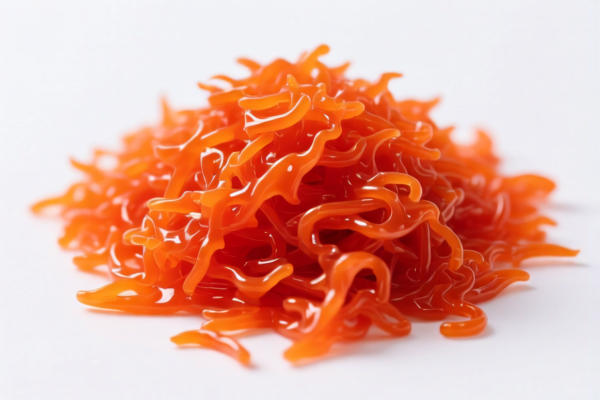

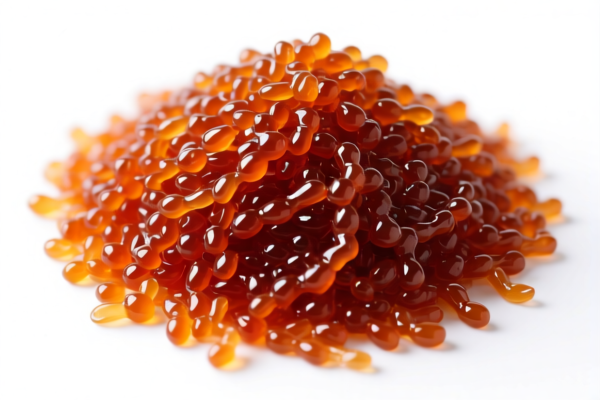
AI分析
🔥 Flame Retardant Polyester Raw Material
🌐 HS Code Reference & Customs Clearance Guide | 2026 Latest Tariff Analysis | Professional-Level Compliance Strategy
📌 I. Product Definition and Classification: Do You Really Understand "Flame Retardant Polyester"?
Flame retardant polyester is not just a single product. In international trade, its classification depends heavily on material composition, physical form (finished good vs. fabric), and specific application. The term "Raw Material" can be ambiguous—it may refer to semi-finished fabrics used in other manufacturing or finished goods with specific protective properties.
⚠️ Key Distinction Points:
- If it is a high-quality technical textile specifically designed for fire safety with structural integrity → Classify under Chapter 59 (Impregnated/Covered Textiles).
- If it is a generic textile fabric made of synthetic fibers (even if treated) for general use → Classify under Chapter 63 (Other Made-up Textile Articles) or related textile chapters.
- Critical Warning: Misclassifying "functional fabrics" as "raw materials" can lead to significant tax penalties because "flame retardant" is a functional feature, not a material definition.
📦 II. HS Code Classification Details (2026 Latest Tariff Authority Comparison)
Based on the provided data, there are four primary classification paths depending on the specific nature of the "raw material."
| HS Code | Product Description | Application Scenario | Key Classification Logic |
|---|---|---|---|
5911.10.10.00 |
High-quality flame retardant fabric matching textile product forms and flame retardant functional descriptions. | Industrial protective wear, high-performance safety fabrics. | Priority Choice: Explicitly mentions "High-quality" and matches "flame retardant functional description." Best for specialized technical textiles. |
5911.90.00.80 |
Technical textile products, material is fabric, flame retardancy is a functional characteristic. | General industrial technical textiles where flame retardancy is a secondary feature. | Broad Category: Covers "technical" use. Suitable if the fabric is used for filtering, insulation, or other industrial purposes beyond just clothing. |
6303.99.00.10 |
Other textile materials, flame retardant fabrics are usually made of artificial or blended fibers. | Mixed fiber fabrics, generic safety textiles, non-specialized applications. | Generic Alternative: Used when the fabric doesn't meet the strict "high-quality/technical" criteria of Chapter 59. Implies blended/artificial composition. |
6303.92.20.50 |
Other textile materials, form is fabric, material inferred to be synthetic fibers. | Pure synthetic fiber fabrics (e.g., 100% polyester) without strong "technical" designation. | Material-Based: Focuses on the "synthetic fiber" aspect. Best for standard polyester fabrics where flame retardancy is a post-treatment rather than a core structural feature. |
🔍 Important Reminder:
- Chapter 59 (5911.xxxx) is generally preferred for specialized, high-performance fabrics where the "flame retardant" function is integral to its identity as a "technical product."
- Chapter 63 (6303.xxxx) is used for general textile articles/materials where the item is classified more by its fiber content (artificial/synthetic) than its high-end technical function.
- Do NOT use "raw material" as a generic term without specifying if it is a "technical textile" (Ch 59) or "generic fabric" (Ch 63).
💰 III. 2026 Latest Tariff Rate Details (Including Additional Taxes, Policy Add-ons)
✅ Applicable Country: United States (US)
✅ Country of Origin: China (CN)
✅ Effective Date: From November 10, 2025 (including subsequent imports)
🎯 1. 5911.10.10.00 —— High-Quality Flame Retardant Fabric (Technical)
| Item | Content |
|---|---|
| Base Tariff | 2.9% |
| Section 301 Additional Tariff | +25.0% |
| Section 122 Tariff | +10.0% |
| Total Tax Rate | 37.9% |
| Tax Calculation | CIF Value × 37.9% |
| De Minimis Exemption | ❌ Not Eligible (deny_de_minimis) |
| Legal Basis Path | Base Tariff → USITC Footnote 301 → Section 122 Provisions |
📌 Explanation:
- This is the most favorable rate among the four options for high-quality/technical flame retardant fabrics.
- The "Section 122 Tariff" adds an extra 10% on top of the standard 301 tariffs for certain industrial inputs.
- Strategy: If your product is genuinely "high-quality" and meets the "technical textile" definition, choose this code to save ~0.9% compared to the next best technical option.
🎯 2. 5911.90.00.80 —— Other Technical Textile Products
| Item | Content |
|---|---|
| Base Tariff | 3.8% |
| Section 301 Additional Tariff | +25.0% |
| Section 122 Tariff | +10.0% |
| Total Tax Rate | 38.8% |
| Tax Calculation | CIF Value × 38.8% |
| De Minimis Exemption | ❌ Not Eligible |
| Legal Basis Path | Base Tariff → USITC Footnote 301 → Section 122 Provisions |
📌 Note:
- Only 0.9% higher than5911.10.10.00.
- Use this if the fabric is "technical" but doesn't meet the strict "high-quality/functional match" criteria of the first code.
- Avoid if you can justify the "high-quality" descriptor, as it offers a slight tax advantage.
🎯 3. 6303.99.00.10 —— Other Textile Materials (Artificial/Blended)
| Item | Content |
|---|---|
| Base Tariff | 11.3% |
| Section 301 Additional Tariff | +7.5% |
| Section 122 Tariff | +10.0% |
| Total Tax Rate | 28.8% |
| Tax Calculation | CIF Value × 28.8% |
| De Minimis Exemption | ❌ Not Eligible |
| Legal Basis Path | Base Tariff → USITC Footnote 301 → Section 122 Provisions |
📌 Critical Insight:
- Significantly Lower Total Tax (28.8%) compared to Chapter 59 codes.
- BUT: This code assumes the fabric is not a "high-quality technical textile" but rather a generic textile material made of artificial/blended fibers.
- Risk: If customs determines your fabric is actually "technical/high-quality," they may reclassify it to5911, leading to back taxes + penalties.
- Strategy: Only use if the fabric is not certified as a high-performance technical textile or if it is a blended/artificial fiber product with basic flame retardancy.
🎯 4. 6303.92.20.50 —— Other Textile Materials (Synthetic Fiber)
| Item | Content |
|---|---|
| Base Tariff | 11.3% |
| Section 301 Additional Tariff | +7.5% |
| Section 122 Tariff | +10.0% |
| Total Tax Rate | 28.8% |
| Tax Calculation | CIF Value × 28.8% |
| De Minimis Exemption | ❌ Not Eligible |
| Legal Basis Path | Base Tariff → USITC Footnote 301 → Section 122 Provisions |
📌 Note:
- Identical tax rate to6303.99.00.10(28.8%).
- Used when the material is inferred as synthetic fiber (e.g., 100% polyester) and the form is simply "fabric."
- Best for: Standard polyester fabrics where flame retardancy is a post-treatment (chemical finish) rather than an inherent high-tech fiber property.
🛠️ IV. Customs Clearance Practical Advice (Real-World Pitfall Avoidance Guide)
✅ 1. Documentation Checklist (Non-negotiable)
| Document | Required? | Explanation |
|---|---|---|
| ✅ Product Specification Sheet | ✔️ | Must detail fiber composition (e.g., 100% Polyester vs. Blended), weight, width, and flame retardant certification standards (e.g., NFPA 701, CAL 117). |
| ✅ Technical Data Sheet (TDS) | ✔️ | Proves if the product is "high-quality technical" (supporting HS 5911) or "generic" (supporting HS 6303). |
| ✅ Certificate of Flame Retardancy | ✔️ | Third-party lab report is crucial. If the report shows high-performance standards, customs may force HS 5911. |
| ✅ Commercial Invoice | ✔️ | Clearly state "Flame Retardant Polyester Fabric" and avoid vague terms like "Raw Material" without context. |
| ✅ Packing List | ✔️ | Show roll length, weight, and dimensions. |
✅ 2. Declaration Strategy (Key Mantra)
🔥 "Quality Defines Chapter: Technical = 5911 (Higher Tax), Generic = 6303 (Lower Tax)"
| Scenario | Correct Declaration | Wrong Practice |
|---|---|---|
| High-performance, certified, industrial safety fabric | HS 5911.10.10.00 (37.9%) | Misdeclaring as "Generic Fabric" (6303) → Audit Risk & Penalties |
| Standard polyester fabric with basic flame retardant finish | HS 6303.92.20.50 (28.8%) | Over-declaring as "High-Quality Technical" → Unnecessary Higher Tax |
| Blended fiber fabric with flame retardancy | HS 6303.99.00.10 (28.8%) | Claiming 100% synthetic if it's blended → Misrepresentation |
| Industrial filtering/insulation textile | HS 5911.90.00.80 (38.8%) | Under-declaring as "Clothing Fabric" → Wrong Chapter |
✅ 3. Special Case Handling
| Situation | Handling Advice |
|---|---|
| "Raw Material" Ambiguity | Do not use "Raw Material" in the HS description. Use "Flame Retardant Polyester Fabric." Provide technical specs to justify the chapter. |
| OEM Custom Fabric | Provide customer specifications + technical data sheet. If the customer requires specific high-end certifications, lean towards HS 5911. |
| Mixed Shipments | If a shipment contains both "high-tech" and "generic" fabrics, split the declaration. Do not lump them under the lower tax code if some items qualify for the higher one. |
| Section 122 Impact | Note that Section 122 adds 10% to all four codes. This is a fixed cost for industrial textiles. Factor this into your pricing. |
🌍 V. Global Market Customs Comparison (2026 Latest)
| Country/Region | Recommended HS Code | Tariff Rate | Certification Requirement | Notes |
|---|---|---|---|---|
| 🇺🇸 USA | 5911.10.10.00 or 6303.92.20.50 |
28.8% - 37.9% | NFPA, CAL 117, CPSC | High Tariff Risk. Section 122 applies. |
| 🇨🇳 China | 5911.10.10.00 |
5% - 10% | GB 8624 (Chinese Fire Standard) | No Section 301 or 122 tariffs. |
| 🇪🇺 EU | 5911.10 or 6303.99 |
6.5% - 12% | EN 13501-1, REACH | No additional "Section" tariffs. |
| 🇬🇧 UK | 5911.10 or 6303.99 |
6.5% - 12% | UKCA, FIRA Standards | Post-Brexit tariffs align closely with EU. |
📌 Conclusion:
- The USA is the most challenging market due to the combination of Base Tariff + 301 Tariff + Section 122 Tariff.
- China, EU, and UK do not have these punitive "Section" tariffs, making them more cost-effective for the same product.
- Strategic Advice: If exporting to the US, ensure your documentation strictly matches the HS Code. If you choose the cheaper6303code, ensure your product cannot be argued as "high-quality technical textile."
📌 VI. Common Errors & Pitfall Guide (Lessons Learned)
❌ Error 1: Declaring "Flame Retardant Fabric" as 6303.92.20.50 when it is actually a high-performance technical textile
👉 Consequence: Customs reclassifies to 5911.10.10.00 → Back Taxes (9.1% difference) + Interest + Penalties.
❌ Error 2: Using "Raw Material" as the product name without technical specs
👉 Consequence: Customs cannot determine if it's Chapter 59 or 63 → Delayed Clearance, Inspection Hold, Possible Return.
❌ Error 3: Ignoring Section 122 (10% Add-on)
👉 Consequence: Underestimating landed cost by 10%. This applies to all four codes. Must be budgeted.
❌ Error 4: Confusing "Flame Retardant" with "Fireproof"
👉 Consequence: "Fireproof" implies inherent non-combustibility (possibly non-textile). "Flame Retardant" implies treated textile. Mislabeling can lead to wrong regulatory requirements (e.g., chemical restrictions).
✅ Correct Practice:
"Flame Retardant Polyester Fabric, 100% Synthetic, Certified to NFPA 701, For Industrial Use" → Choose HS 5911.10.10.00 if high-quality/technical.
"Flame Retardant Polyester Blended Fabric, General Purpose" → Choose HS 6303.99.00.10 if generic/blended.
🎯 VII. Conclusion: Professional Declaration, Save Time, Cut Costs!
🎯 Remember the Mantra:
🔹 "Technical = High Tax (37.9%), Generic = Lower Tax (28.8%)"
🔹 "Section 122 is 10% on All Textiles"
🔹 "Documentation Dictates the Code"
📌 Pro Tip:
If your fabric is 100% Polyester and you want the lower tax rate (28.8%), ensure it is not marketed as "High-Performance Technical Textile" and that it lacks specialized high-end certifications (like CAL 117 for upholstered furniture). If it has these, you must use 5911 codes to avoid audits.
📣 Immediate Action:
📞 Contact your customs broker with Technical Data Sheets.
🚀 Apply for Advance Ruling if the classification is borderline between5911and6303.
💼 Your Tariff Cost is Defined by Your Documentation!
✨ Professional Customs Clearance Starts with Accurate Classification!
💼 Every Percent Matters in International Trade!
用户评价
关于 HS 编码归类
协调制度(HS)是由世界海关组织(WCO)制定的国际贸易商品分类标准。全球 200 多个国家采用 HS 系统作为海关关税、贸易统计和进出口监管的基础。
每个 HS 编码遵循以下层级结构:
- 章(2 位)——商品大类(例如:第 84 章:机器和机械设备)
- 品目(4 位)——章内的更具体分类
- 子目(6 位)——国际通用细分,所有 WCO 成员国统一使用
- 本国细分(8-10 位)——各国自行扩展的细分编码,如美国 HTSUS 10 位编码
正确的 HS 编码归类对于顺利通关、准确缴纳关税和遵守贸易法规至关重要。错误归类可能导致海关延误、多缴关税或罚款。
从CN进口到US时,适用的关税税率可能包括:
- 最惠国(MFN)税率——适用于 WTO 成员国的标准关税税率
- 普通税率——适用于无贸易协定国家
- 贸易救济关税——附加关税,如 301 条款(反倾销)、232 条款(国家安全)或反补贴税
本页内容仅供参考。如需正式归类,请咨询当地海关或持牌报关代理。