flexible polyester plastic windshield
CN → US| HS编码 | 关税税率 | 原产国 | 目的国 | 文档 |
|---|---|---|---|---|
| 3920631000 | 39.2% | CN | US | 官方文档 |
| 3920690000 | 39.2% | CN | US | 官方文档 |
| 3926909989 | 22.8% | CN | US | 官方文档 |
| 3926906090 | 39.2% | CN | US | 官方文档 |
| 8708220000 | 0.0% | CN | US | 官方文档 |
| 8708998180 | 12.5% | CN | US | 官方文档 |
商品图片
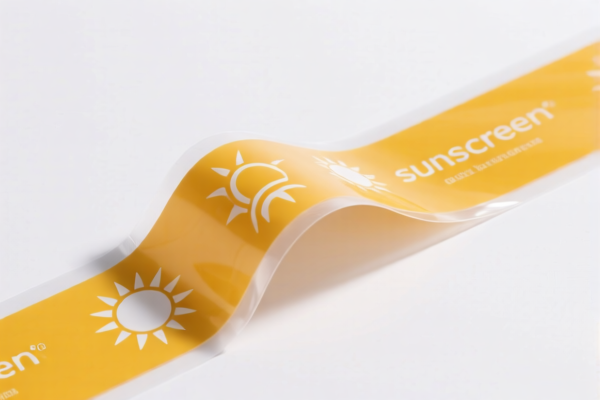
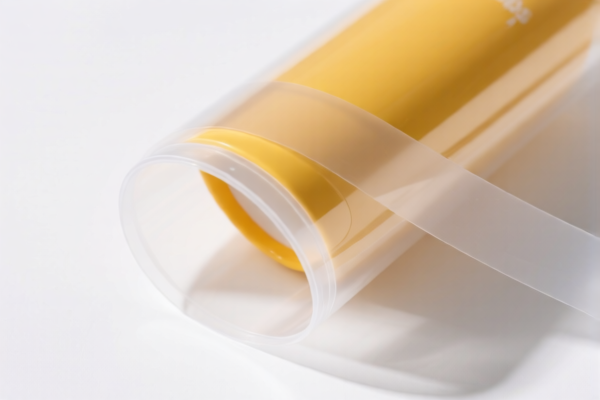
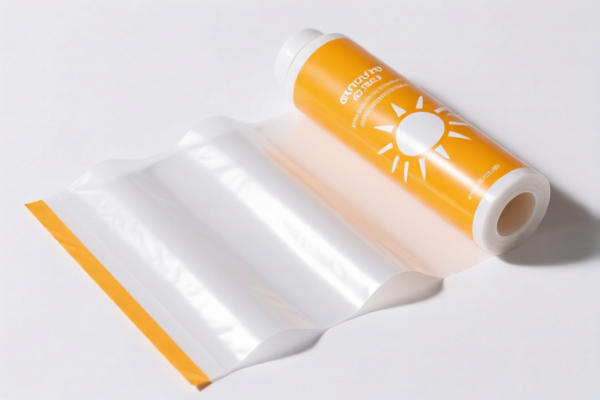
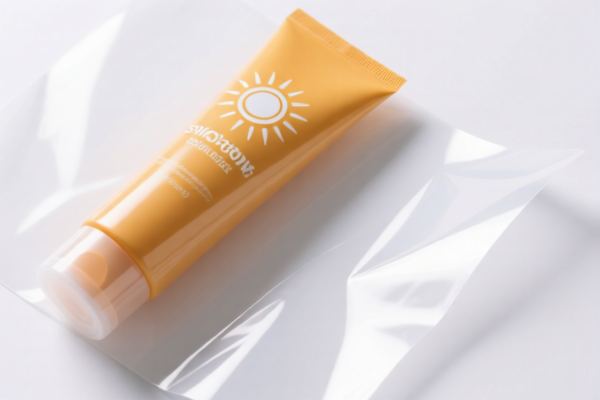
AI分析
🚗 Flexible Polyester Plastic Windshield (Automotive Parts)
🌐 HS Code Reference & Customs Clearance Guide | 2024/2025 Latest Tariff Analysis | Professional Clearance Strategy
📌 I. Product Definition & Classification: What Exactly Is a "Flexible Polyester Plastic Windshield"?
A "Flexible Polyester Plastic Windshield" is typically a safety glazing material made from polycarbonate (PC), polyethylene terephthalate (PET), or similar polyester polymers, used in automotive, aerospace, or industrial applications. Unlike traditional glass windshields, these are lightweight, impact-resistant, and often used in roll-cages, side windows, or replacement windscreens for specific vehicle types.
In international trade, the classification depends heavily on whether it is sold as a "glass/plastic sheet" or as a "finished part":
- Raw/Processed Sheets (Non-Article): If the product is sold as rolls, sheets, or strips of flexible polyester film (e.g., for lamination, wrapping, or further manufacturing), it falls under Chapter 39 (Plastics).
- Finished Parts (Article): If the product is already cut, shaped, and fitted specifically for a vehicle’s windshield frame (e.g., with holes, curves, or bonding surfaces), it may be classified as a part of a motor vehicle under Chapter 87.
⚠️ Key Distinction Point:
- If it is a sheet/film/strip intended for further processing or general use (e.g., "flexible plastic sheeting") → 3920.63.10.00 / 3920.69.00.00
- If it is a specific part of a vehicle body (e.g., a pre-shaped windshield for a specific car model) → 8708.22.00.00 (Glass) or 8708.99.81.80 (Other plastic parts)
📦 II. HS Code Classification Details (Based on Provided Data)
| HS Code | Product Description | Applicable Scenario | Key Characteristic |
|---|---|---|---|
3920.63.10.00 |
Other plates, sheets, film, foil, and strip, of plastics: Of polycarbonates, alkyd resins, polyallyl esters or other polyesters: Of unsaturated polyesters: Flexible | Raw rolls, flexible polyester sheets, films for lamination, or general-purpose plastic sheets | ❌ Not a finished vehicle part; sold as material |
3920.69.00.00 |
Other plates, sheets, film, foil, and strip, of plastics: Of polycarbonates, alkyd resins, polyallyl esters or other polyesters: Of other polyesters | Rigid or semi-rigid polyester sheets not classified as "flexible" under 3920.63 | ❌ Not a finished vehicle part; material form |
8708.22.00.00 |
Parts and accessories of motor vehicles: Other parts and accessories of bodies (including cabs): Front windscreens (windshields), rear windows and other windows | Finished windshields made of glass or specific glazing materials, fitted for vehicles | ✅ Finished part; specific to vehicle body |
8708.99.81.80 |
Parts and accessories of motor vehicles: Other parts and accessories: Other: Other: Other: Other: Other: Other | Plastic parts of vehicles not specified elsewhere (e.g., plastic bumpers, trim, or non-standard plastic windows) | ✅ Finished part; generic plastic vehicle component |
3926.90.99.89 |
Other articles of plastics: Other: Other: Other | Miscellaneous plastic items not covered elsewhere (e.g., plastic clips, small fittings) | ❌ Usually not applicable for windshields |
3926.90.60.90 |
Other articles of plastics: Belting and belts, for machinery | Rubber/plastic belts for machinery | ❌ Irrelevant for windshields |
🔍 Critical Note:
- If your "Flexible Polyester Plastic Windshield" is a finished product shaped and sold specifically for installation on a car, truck, or motorcycle, 8708.22.00.00 is the most accurate classification for windshields. However, note that 8708.22.00.00 typically refers to glass windshields. If it is plastic, customs may require 8708.99.81.80 ("Other parts") unless local regulations allow plastic windshields under 8708.22. - If it is sold as raw flexible polyester film/sheet (e.g., for DIY wrapping, roll materials, or further manufacturing), use 3920.63.10.00 (if unsaturated polyester/flexible) or 3920.69.00.00 (other polyesters).
💰 III. Detailed Tariff Rate Analysis (Including Additional Taxes)
✅ Applicable Country: United States (US)
✅ Origin: China (CN)
✅ Effective Date: Current (2024/2025)
✅ Note: Tax rates below are derived strictly from the provided<DATA>.
🎯 1. 3920.63.10.00 — Flexible Unsaturated Polyester Sheets/Film
| Item | Content |
|---|---|
| Base Tariff | 0.0% |
| Section 301 Additional Tariff | 0.0% |
| Total Tax Rate | 0.0% |
| Tax Calculation | CIF Value × 0.0% = $0 |
| De Minimis Eligibility | ✅ Yes (if eligible for other reasons) |
📌 Explanation:
- This classification is highly advantageous. Flexible unsaturated polyester sheets are classified as 0% base + 0% additional tax. - Ideal for exporting raw flexible polyester materials, films, or sheets for further processing or industrial use.
🎯 2. 3920.69.00.00 — Other Polyester Sheets/Films (Non-Cellular)
| Item | Content |
|---|---|
| Base Tariff | 4.2% |
| Section 301 Additional Tariff | 25.0% |
| Total Tax Rate | 29.2% |
| Tax Calculation | CIF Value × 29.2% |
| De Minimis Eligibility | ❌ No (Subject to 301 tariffs) |
📌 Explanation:
- If the polyester is not "unsaturated" or not classified as "flexible" under 3920.63, it falls here. - High tax burden (29.2%). This includes rigid or semi-rigid polyester sheets, PET sheets, etc. - Must account for this cost in pricing strategy.
🎯 3. 8708.22.00.00 — Front Windscreens (Windshields) for Motor Vehicles
| Item | Content |
|---|---|
| Base Tariff | 0.0% |
| Section 301 Additional Tariff | 0.0% |
| Total Tax Rate | 0.0% |
| Tax Calculation | CIF Value × 0.0% = $0 |
| De Minimis Eligibility | ✅ Yes |
📌 Explanation:
- Excellent tax rate (0%). This applies to windshields (front windows) of motor vehicles. - Crucial Condition: The product must be recognized as a "windshield" for a motor vehicle. If it is made of plastic instead of glass, some customs authorities may still allow this code if it functions as a windshield, but others may shift it to 8708.99.81.80. - Recommendation: Confirm with US Customs and Border Protection (CBP) if plastic windshields qualify under 8708.22.00.00. If not, proceed to Option 4.
🎯 4. 8708.99.81.80 — Other Parts of Motor Vehicles (Plastic)
| Item | Content |
|---|---|
| Base Tariff | 2.5% |
| Section 301 Additional Tariff | 25.0% |
| Total Tax Rate | 27.5% |
| Tax Calculation | CIF Value × 27.5% |
| De Minimis Eligibility | ❌ No (Subject to 301 tariffs) |
📌 Explanation:
- If the plastic windshield is classified as an "other part" (not a windshield under 8708.22), this code applies. - High tax burden (27.5%). This includes plastic bumpers, trim, and non-standard plastic vehicle components. - Common for plastic windshields that do not meet the strict definition of "glass windshield" under 8708.22.
🛠️ IV. Customs Clearance Practical Advice (Pitfall Avoidance Guide)
✅ 1. Documentation Checklist (Essential)
| Document | Required | Notes |
|---|---|---|
| ✅ Product Specifications | ✔️ | Must clearly state material (e.g., "Polycarbonate," "Unsaturated Polyester"), dimensions, and flexibility. |
| ✅ Technical Data Sheet | ✔️ | Include tensile strength, impact resistance, and optical clarity. |
| ✅ Product Photos | ✔️ | Show shape, curvature, and any pre-drilled holes or fittings. |
| ✅ Commercial Invoice | ✔️ | Clearly describe as "Flexible Polyester Plastic Sheet" (if 3920) or "Plastic Windshield for Vehicle" (if 8708). |
| ✅ Packing List | ✔️ | Detail weight, volume, and packaging type. |
| ✅ Certificate of Origin (CO) | ✔️ | If applicable for non-US origin benefits (though US tariffs apply here). |
✅ 2. Classification Strategy (Key Tips)
🔥 “Material vs. Article: Define Before You Ship!”
| Scenario | Recommended HS Code | Tax Rate | Risk |
|---|---|---|---|
| Selling rolls/sheets of flexible polyester film | 3920.63.10.00 |
0.0% | Low (if truly flexible and unsaturated polyester) |
| Selling rigid PET sheets | 3920.69.00.00 |
29.2% | Medium (misclassification if claimed as flexible) |
| Finished plastic windshield for a specific car | 8708.22.00.00 |
0.0% | High (if CBP classifies it as "other part" → 27.5%) |
| Generic plastic window part | 8708.99.81.80 |
27.5% | Low (correct for non-windshield plastic parts) |
📌 Critical Advice:
- If you are exporting flexible polyester sheets for customers to cut into windshields, always classify under Chapter 39 (3920.63.10.00). This avoids the 27.5%–29.2% tariff and leverages the 0% rate. - Do not label flexible sheets as "Windshield" in the invoice unless it is a finished, shaped product. Mislabeling can lead to customs delays, reclassification, and penalties.
✅ 3. Special Considerations
| Scenario | Handling Advice |
|---|---|
| Polyester Type | Confirm if it is "unsaturated polyester" (for 3920.63) or "other polyester" (for 3920.69). This determines the 0% vs. 29.2% tax. |
| Flexibility | If the sheet can be bent without breaking, it is "flexible." Provide proof (e.g., bend test photos). |
| Plastic Windshield vs. Glass Windshield | 8708.22.00.00 is traditionally for glass. If plastic, argue for "windshield" functionality, but be prepared for CBP to assign 8708.99.81.80. |
| Section 301 Tariffs | Both 3920.69.00.00 (29.2%) and 8708.99.81.80 (27.5%) are subject to US Section 301 additional tariffs. Plan for this cost. |
🌍 V. Global Market Comparison (2024/2025)
| Country/Region | Recommended HS Code | Tax Rate (China Origin) | Notes |
|---|---|---|---|
| 🇺🇸 USA | 3920.63.10.00 |
0.0% | Best for flexible sheets. Avoid 8708 if plastic (27.5%). |
| 🇪🇺 EU | 3920.63 / 3920.69 | ~4.5% + VAT | No Section 301 tariffs, but VAT applies. |
| 🇨🇳 China | 3920.63 / 8708.22 | 0% – 5% | Import duty depends on final classification. |
| 🇯🇵 Japan | 3920.63 / 8708.22 | ~0% – 2.5% | Generally low tariffs on plastics and auto parts. |
📌 Conclusion:
- The USA offers a 0% tariff for flexible unsaturated polyester sheets (3920.63.10.00).
- If you export finished plastic windshields, expect 27.5% unless you can successfully classify them under8708.22.00.00(0%).
- Strategy: Export as flexible sheets (0% tax) and let the customer form them into windshields, if feasible.
📌 VI. Common Errors & Pitfalls (Lessons Learned)
❌ Error 1: Classifying flexible polyester sheets as "Windshields" (8708.22.00.00)
👉 Consequence: If CBP determines it’s not a finished windshield, it may be reclassified to 8708.99.81.80 (27.5%) or 3920.69.00.00 (29.2%).
✅ Solution: Use 3920.63.10.00 for raw/flexible sheets.
❌ Error 2: Claiming "flexible" when the material is rigid PET
👉 Consequence: Customs may reject 3920.63.10.00 and apply 3920.69.00.00 (29.2%) + penalties.
✅ Solution: Provide flexibility test results or product specs.
❌ Error 3: Ignoring Section 301 tariffs on polyester sheets (3920.69.00.00)
👉 Consequence: Underpaid duties, leading to seizures or fines.
✅ Solution: Budget for 29.2% total tax on rigid polyester sheets.
🎯 VII. Conclusion: Smart Classification Saves Costs!
🎯 Key Takeaway:
🔹 Flexible Sheets = 0% Tax (
3920.63.10.00)
🔹 Rigid Sheets = 29.2% Tax (3920.69.00.00)
🔹 Plastic Windshields = 27.5% Tax (8708.99.81.80)
🔹 Glass Windshields = 0% Tax (8708.22.00.00)
📌 Pro Tip:
If your product is a flexible polyester plastic windshield, consider exporting it as a flexible sheet (3920.63.10.00) and having the customer shape it, or verify with CBP if plastic windshields qualify under 8708.22.00.00. This can save 27.5%–29.2% in tariffs!
📣 Immediate Action:
📞 Contact a customs broker to confirm if your specific polyester product qualifies as "flexible unsaturated polyester."
🚀 Export smart, save big, and clear customs with ease!
✨ Professional clearance starts with accurate classification!
💼 Every percentage point counts in international trade.
用户评价
关于 HS 编码归类
协调制度(HS)是由世界海关组织(WCO)制定的国际贸易商品分类标准。全球 200 多个国家采用 HS 系统作为海关关税、贸易统计和进出口监管的基础。
每个 HS 编码遵循以下层级结构:
- 章(2 位)——商品大类(例如:第 84 章:机器和机械设备)
- 品目(4 位)——章内的更具体分类
- 子目(6 位)——国际通用细分,所有 WCO 成员国统一使用
- 本国细分(8-10 位)——各国自行扩展的细分编码,如美国 HTSUS 10 位编码
正确的 HS 编码归类对于顺利通关、准确缴纳关税和遵守贸易法规至关重要。错误归类可能导致海关延误、多缴关税或罚款。
从CN进口到US时,适用的关税税率可能包括:
- 最惠国(MFN)税率——适用于 WTO 成员国的标准关税税率
- 普通税率——适用于无贸易协定国家
- 贸易救济关税——附加关税,如 301 条款(反倾销)、232 条款(国家安全)或反补贴税
本页内容仅供参考。如需正式归类,请咨询当地海关或持牌报关代理。