fly catching tape
CN → US| HS编码 | 关税税率 | 原产国 | 目的国 | 文档 |
|---|---|---|---|---|
| 3919102055 | 40.8% | CN | US | 官方文档 |
| 3919905060 | 40.8% | CN | US | 官方文档 |
| 3808911000 | 37.8% | CN | US | 官方文档 |
| 3808915001 | 40.0% | CN | US | 官方文档 |
商品图片
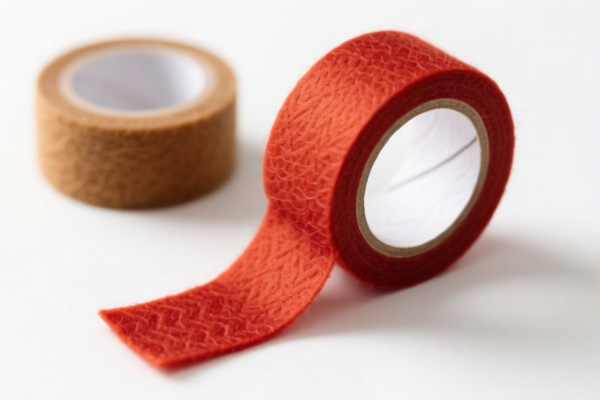
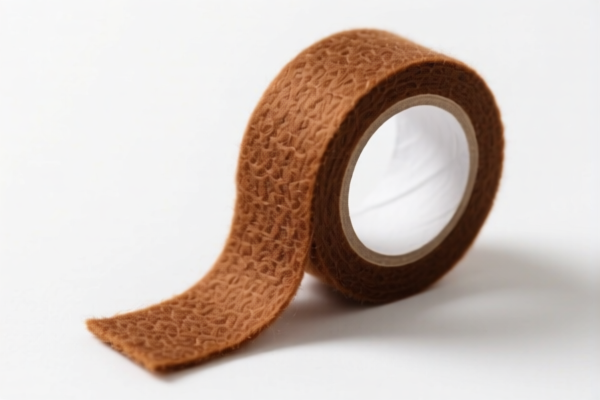
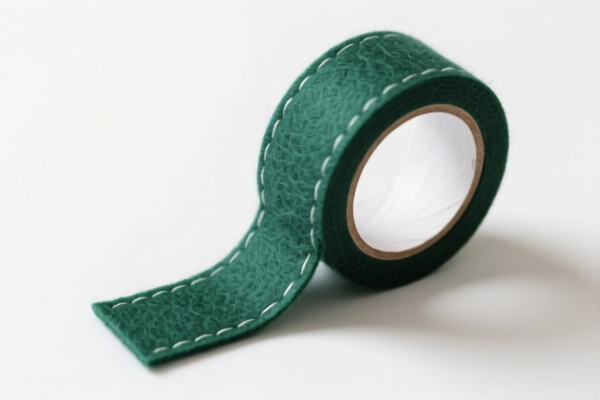

AI分析
🕸️ Fly Catching Tape (Adhesive Pest Control)
🌐 HS Code Reference & Clearance Guide | 2026 Latest Tariff Analysis | Strategic Customs Strategy
📌 I. Product Definition & Classification: Are You Sure You Know "Fly Tape"?
Fly Catching Tape is a common household and industrial pest control product. It consists of a long strip of material (usually plastic or paper) coated with a sticky, non-drying adhesive to trap flying insects like houseflies, moths, and fruit flies.
In international trade, the classification depends on whether it is viewed strictly as a plastic adhesive product or as a pesticide application device. This distinction is critical because it determines the applicable tariff structure under US trade policies (Section 301 and IEEPA).
⚠️ Key Distinction:
- If classified as a plastic adhesive product (Chapter 39): It is treated as a generic plastic item. Higher base duty applies.
- If classified as a pesticide device (Chapter 38): It is treated as a tool for applying chemicals. Lower base duty applies, but it is still subject to high trade sanctions.
📦 II. HS Code Classification Details (2026 Latest Tariff Authority)
Based on the specific characteristics of "Fly Catching Tape," here are the four most likely HS Codes and their corresponding tax implications.
| HS Code | Product Description | Classification Logic | Applicability Scenario |
|---|---|---|---|
| 3919.10.20.55 | Self-adhesive plates, sheets, film, foil, tape, strip and other shapes, of plastics | Based on Plastic Material & Self-Adhesive Form | The tape is primarily made of plastic (e.g., PVC, PET) and sold in rolls/strips. Classified under plastic articles. |
| 3919.90.50.60 | Other self-adhesive plates, sheets, film, foil, tape, strip and other shapes, of plastics | Based on Plastic Self-Adhesive Flat Shape | Used when the specific subheading for "strip/tape" (3919.10) does not fit perfectly, or for broader plastic adhesive categories. |
| 3808.91.10.00 | Pesticides (Insecticides, Rodenticides, Fungicides, Hericides, etc.) | Based on Insect Trap Use & Strip Form | Classified as an insecticide device or application method. The sticky substance is considered part of the pesticide formulation for trapping. |
| 3808.91.50.01 | Other Pesticides (Insecticides, etc.) | Based on Pesticide Use & 'Other' Category | Classified under "Other" pesticides if it doesn't fit specific sub-headings. Often used for broader pest control tapes that may include attractants. |
🔍 Key Reminder:
- Chapter 39 (Plastics): Focuses on the material (plastic tape).
- Chapter 38 (Pesticides): Focuses on the function (killing/trapping insects).
- Customs Practice: While functionally a pest control item, US Customs and Border Protection (CBP) often classifies simple sticky traps under Chapter 39 unless they contain specific chemical attractants or are marketed strictly as pesticide devices. However, declaring under Chapter 38 is a common strategy to argue for a lower base duty.
💰 III. 2026 Latest Tariff Rate Breakdown (Including Surcharges & Policy Add-ons)
✅ Applicable Country: United States (US)
✅ Origin: China (CN)
✅ Effective Time: 2025/2026 (Including subsequent imports)
🎯 1. Plastic-Based Classification (HS Code: 3919.10.20.55 / 3919.90.50.60)
| Item | Content |
|---|---|
| Base Duty Rate | 5.8% (Ad Valorem) |
| Section 301 Surcharge | +25.0% (Additional US Tariffs) |
| 122 Section IEEPA Surcharge | +10.0% (Targeting Chinese/ Hong Kong Products) |
| Total Tax Rate | 40.8% |
| Tax Calculation | CIF Value × 40.8% |
| De Minimis Eligibility | ❌ No (Deny De Minimis) |
| Legal Basis Path | USITC:3919.10.20.55 → SECTION301:Footnote → IEEPA:122Section |
📌 Explanation:
- If you classify the fly tape as a plastic product, the base duty is 5.8%.
- This is not exempt from the 25% Section 301 tariffs (common for many plastics).
- It is also subject to the 10% IEEPA surcharge (often associated with "122 Section" or similar executive orders targeting specific Chinese imports).
- Total Burden: 40.8%.
🎯 2. Pesticide-Based Classification (HS Code: 3808.91.10.00 / 3808.91.50.01)
| Item | Content |
|---|---|
| Base Duty Rate | 2.8% (3808.91.10.00) or 5.0% (3808.91.50.01) |
| Section 301 Surcharge | +25.0% (Additional US Tariffs) |
| 122 Section IEEPA Surcharge | +10.0% (Targeting Chinese/ Hong Kong Products) |
| Total Tax Rate | 37.8% (3808.91.10.00) or 40.0% (3808.91.50.01) |
| Tax Calculation | CIF Value × 37.8% or 40.0% |
| De Minimis Eligibility | ❌ No (Deny De Minimis) |
| Legal Basis Path | USITC:3808.91.10.00 → SECTION301:Footnote → IEEPA:122Section |
📌 Explanation:
- If you successfully classify the fly tape as a pesticide device, the base duty is lower (2.8% for specific insect traps, 5.0% for others).
- However, the 25% Section 301 and 10% IEEPA surcharges still apply.
- Total Burden: 37.8% (Best Case) to 40.0% (Standard Case).
- Savings: Up to 3% compared to plastic classification.⚠️ Critical Note:
- Even with a lower base rate, the total effective tax rate remains high (37.8%–40.8%).
- There is no de minimis exemption for these goods from China.
🛠️ IV. Customs Clearance Practical Advice (Battle-Tested Pitfall Guide)
✅ 1. Required Documentation Checklist (Missing Items Will Cause Delays)
| Document | Mandatory? | Description |
|---|---|---|
| ✅ Product Specification | ✔️ | Detail material (plastic/paper), adhesive type, size, length/roll weight. |
| ✅ Product Photos | ✔️ | Clear images showing the sticky surface, packaging, and any branding/instructions. |
| ✅ Composition Statement | ✔️ | List materials: e.g., "PET film + Polybutylene adhesive". If pesticide claim, list active ingredients (if any). |
| ✅ Commercial Invoice | ✔️ | Clearly state: "Fly Catching Tape, Pest Control Device" or "Self-Adhesive Plastic Tape". |
| ✅ Bill of Lading/Air Waybill | ✔️ | Standard shipping documents. |
| ✅ Certificate of Origin | ✔️ | Crucial for proving origin (China) and applying correct tariffs. |
✅ 2. Declaration Strategy (Key Mantras)
🔥 "Material First, Function Second! If it's plastic, declare plastic. If it's pesticide, declare pesticide!"
| Scenario | Recommended Declaration | Risk Level |
|---|---|---|
| Plain Plastic Tape with Sticky Coating | 3919.10.20.55 (Plastic Adhesive) |
🟡 Moderate (Standard) |
| Tape with Insect Attractant Chemicals | 3808.91.10.00 (Pesticide Device) |
🟢 Lower Duty (37.8%) but Higher Scrutiny |
| Paper-Based Sticky Tape | 4823 (Paper Products) - Note: Not in Data, but possible alternative |
🟡 Check Base Duty |
| Unlabeled "Stick Tape" | 3919.90.50.60 (General Plastic) |
🔴 High Risk (Misclassification) |
📌 Advice:
- If the tape does not contain any chemical attractants (only physical stickiness), Chapter 39 (Plastics) is safer and more defensible.
- If it contains chemical lures (e.g., pheromones, food-based attractants), Chapter 38 (Pesticides) may be more accurate and offers a slight tax advantage (37.8% vs 40.8%).
- Do not split the shipment. Declare the entire roll as one item.
✅ 3. Special Case Handling
| Situation | Handling Suggestion |
|---|---|
| OEM Branded Fly Tape | Provide client authorization letter. Ensure brand name matches invoice. |
| Tape with "Pesticide" Label | You must classify under Chapter 38. Misclassification as plastic could lead to EPA violations. |
| Bulk Rolls vs. Packaged Units | Declare as "rolls" or "units" consistently. Weight must match invoice. |
| Origin: Vietnam/Malaysia | If manufactured in these countries, IEEPA 10% surcharge may be waived. Apply for Form A/B or relevant CO to reduce total tax to ~25-28%. |
🌍 V. Global Market Comparison (2026 Latest)
| Country/Region | Recommended HS Code | Estimated Total Tax (China Origin) | Key Requirement | Note |
|---|---|---|---|---|
| 🇺🇸 USA | 3919.10.20.55 / 3808.91.10.00 |
37.8% – 40.8% | CBP Pre-Ruling Recommended | High tariffs due to Section 301 + IEEPA. |
| 🇨🇳 China | 3919.10.20.55 / 3808.91.10.00 |
~5% - 10% (Import) | None | Lower tariffs for domestic sale. |
| 🇪🇺 EU | 3919.90 / 3808.94 |
~6.5% | CE (if electronic parts), REACH | No Section 301 tariffs. |
| 🇬🇧 UK | 3919.90 / 3808.94 |
~6.5% | UKCA | Post-Brexit rules apply. |
| 🇦🇺 Australia | 3919.90 / 3808.94 |
~5% | None | No significant anti-dumping duties. |
📌 Conclusion:
- The USA is the most expensive market for Chinese fly tape due to combined 301 + IEEPA tariffs.
- EU/UK/AU are significantly more competitive (~6-7% total).
- If targeting the US, consider warehousing in a third country (e.g., Mexico) for re-export, but ensure substantial transformation to change origin.
📌 VI. Common Mistakes & Pitfall Guide (Lessons Learned)
❌ Mistake 1: Declaring as "General Plastic Tape" but the product is explicitly labeled "Pesticide/Insect Killer"
👉 Consequence: CBP may reclassify under Chapter 38, causing delays, or charge EPA penalties for unregistered pesticide importation.
❌ Mistake 2: Assuming "De Minimis" ($800) exemption applies
👉 Consequence: Absolutely NOT. All Chinese goods under these HS codes are subject to full duty and surcharges. No $800 threshold.
❌ Mistake 3: Splitting the roll into "tape" and "stick" components
👉 Consequence: Higher total tax rate (each component taxed separately, potentially at higher rates). Declare as a single composite good.
✅ Correct Approach:
"Self-Adhesive Fly Catching Tape, 20cm x 10m, Plastic Base, Non-Toxic Adhesive, Model XYZ"
🎯 VII. Conclusion: Precise Classification, Profit Protection!
🎯 Remember the Mantras:
🔹 "Plastic or Pesticide? Define First!"
🔹 "US Tariffs: 37.8% Minimum, 40.8% Maximum."
🔹 "No De Minimis for China! Plan Ahead!"
📌 Pro Tip:
If your fly tape is manufactured in Vietnam, Thailand, or Malaysia, you can avoid the 10% IEEPA surcharge.
- Vietnam Origin Tax: ~25-28% (Only Section 301)
- China Origin Tax: ~37.8-40.8% (Section 301 + IEEPA)
👉 Savings: Up to 13%!
Consider supply chain diversification to non-China origins for the US market.
📣 Immediate Action:
📞 Contact your freight forwarder
📋 Provide product photos and material specs
🛂 Apply for CBP Pre-Ruling if volume is high
🚀 Optimize your HS Code selection to save every cent of profit!
✨ Professional Clearance Starts with Accurate Classification!
💼 Your Cost Control is in Your Declaration!
用户评价
关于 HS 编码归类
协调制度(HS)是由世界海关组织(WCO)制定的国际贸易商品分类标准。全球 200 多个国家采用 HS 系统作为海关关税、贸易统计和进出口监管的基础。
每个 HS 编码遵循以下层级结构:
- 章(2 位)——商品大类(例如:第 84 章:机器和机械设备)
- 品目(4 位)——章内的更具体分类
- 子目(6 位)——国际通用细分,所有 WCO 成员国统一使用
- 本国细分(8-10 位)——各国自行扩展的细分编码,如美国 HTSUS 10 位编码
正确的 HS 编码归类对于顺利通关、准确缴纳关税和遵守贸易法规至关重要。错误归类可能导致海关延误、多缴关税或罚款。
从CN进口到US时,适用的关税税率可能包括:
- 最惠国(MFN)税率——适用于 WTO 成员国的标准关税税率
- 普通税率——适用于无贸易协定国家
- 贸易救济关税——附加关税,如 301 条款(反倾销)、232 条款(国家安全)或反补贴税
本页内容仅供参考。如需正式归类,请咨询当地海关或持牌报关代理。