flypaper roll thickened type
CN → US| HS编码 | 关税税率 | 原产国 | 目的国 | 文档 |
|---|---|---|---|---|
| 3808915001 | 40.0% | CN | US | 官方文档 |
| 4823201000 | 35.0% | CN | US | 官方文档 |
| 4823209000 | 35.0% | CN | US | 官方文档 |
| 3808911000 | 37.8% | CN | US | 官方文档 |
| 3926909905 | 22.8% | CN | US | 官方文档 |
商品图片
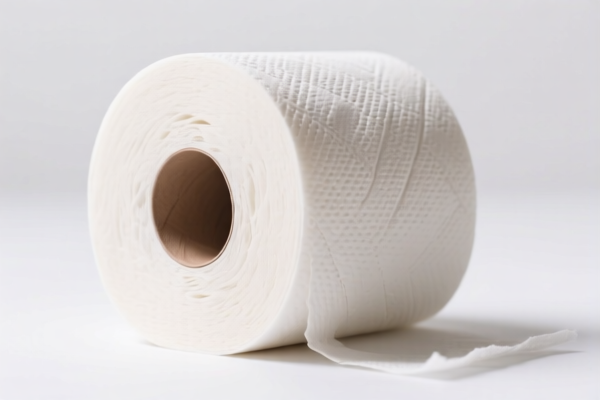
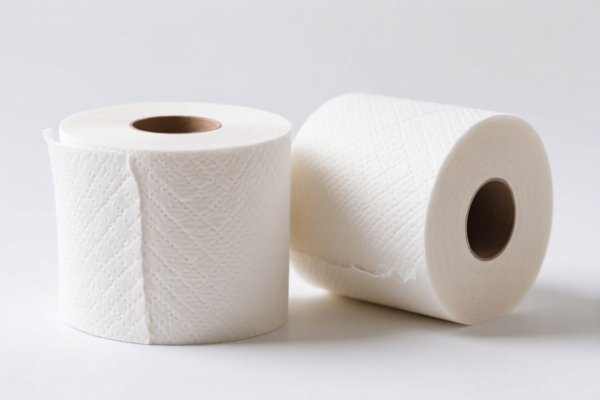
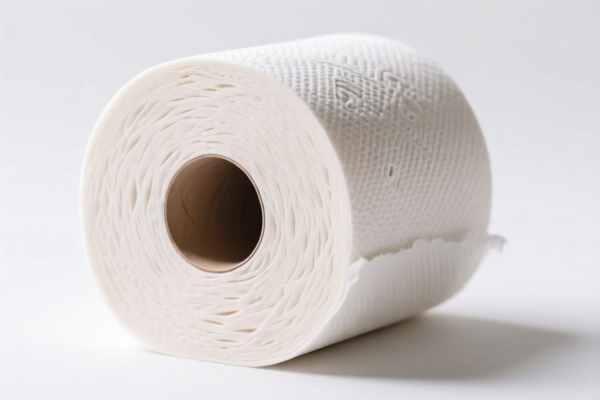
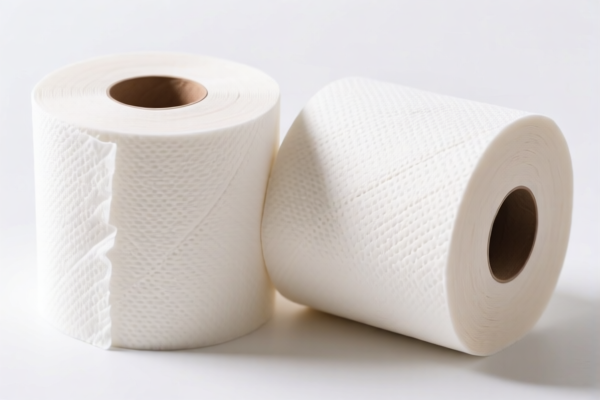
AI分析
🪰 Flypaper Roll (Thickened Type)
🌐 HS Code Reference & Customs Clearance Guide | 2026 Latest Tariff Analysis | Professional Clearance Strategy
📌 I. Product Definition & Classification: Do You Really Understand "Flypaper Roll"?
Flypaper roll (thickened type) is a critical pest control consumable used in households, food processing plants, and commercial kitchens. In international trade, it is not merely a "paper product" or a "plastic product"; its classification depends heavily on its primary function, material composition, and presence of adhesive.
The core distinction lies in whether the item is classified as: 1. Pesticide Preparation (Class 38): If the primary purpose is killing pests via an adhesive/chemical lure, it falls under Chapter 38. 2. Paper Product (Class 48): If it is viewed primarily as a substrate (like filter paper or general paper goods) with minor functional additions. 3. Plastic Product (Class 39): If the base material is a plastic/resin-coated film rather than traditional paper.
⚠️ Key Distinction Point:
- If the product is designed to catch and kill flies using a sticky substance (often containing attractants), it is generally regarded as a pesticide preparation or specific adhesive trap.
- The "Thickened" descriptor usually refers to the physical robustness of the substrate (paper or plastic film) to prevent tearing, but it does not change the functional classification unless the material itself shifts from paper to pure plastic resin.
- Crucial Note: The US Customs and Border Protection (CBP) often scrutinizes these items under Section 301 and IEEPA tariffs due to their origin (China). Misclassification as simple paper products can lead to severe penalties.
📦 II. HS Code Classification Details (2026 Latest Tariff Authority Comparison)
| HS Code | Product Description | Applicable Scenario | Material/Form | Total Tax Rate (China Origin to US) |
|---|---|---|---|---|
3808.91.50.01 |
Pesticide preparations; material is paper/adhesive; usage is fly trapping. | Standard flypaper rolls with adhesive lure. | Paper/Adhesive | 40.0% |
4823.20.10.00 |
Paper products; material is paper; form is roll; other paper products. | Paper rolls with minimal adhesive, classified as general paper goods. | Paper (Roll) | 35.0% |
4823.20.90.00 |
Other paper products under filter paper/cardboard; material is paper; form is roll. | Similar to above; specific subheading for paper rolls not elsewhere specified. | Paper (Roll) | 35.0% |
3808.91.10.00 |
Insecticides category: Flycatcher paper; contains adhesive; form is roll. | Specific flypaper rolls under the insecticide heading. | Adhesive/Insecticide | 37.8% |
3926.90.99.05 |
Plastic products; material is plastic/resin-coated; form is roll; usage is insect catching. | Plastic film-based flypaper (non-paper). | Plastic/Resin Coating | 22.8% |
🔍 Critical Reminder:
- Plastic vs. Paper: If your "thickened" flypaper is actually a plastic film (polyethylene or similar) coated with adhesive, it must be classified under3926.90.99.05. This is the lowest tariff option (22.8%).
- Pesticide vs. Paper: Items classified under3808.91.xxxxare viewed as pesticide preparations. These carry higher tariffs (37.8% - 40.0%) because they are considered chemical preparations.
- Paper Classification Risk: Classifying under4823.20.xxxx(35.0%) is risky if the product contains a significant adhesive layer or insecticidal agent. CBP may reclassify it to Chapter 38, leading to back-taxes and penalties.
💰 III. 2026 Latest Tariff Rate Details (Including Surtaxes & Policy Additions)
✅ Applicable Country: United States (US)
✅ Origin: China (CN)
✅ Effective Date: From November 10, 2025 (including subsequent imports)
🎯 1. 3808.91.50.01 —— Pesticide Preparations (Fly Trapping, Paper/Adhesive)
| Item | Content |
|---|---|
| Base Tariff | 5.0% (ad valorem) |
| USITC Surtax | +25.0% (under USITC Footnote 9903.88.01) |
| IEEPA Surtax | +10.0% (Targeting China/HK products, effective Nov 10, 2025) |
| Total Rate | 40.0% |
| Tax Calculation | CIF Value × 40% |
| De Minimis Eligibility | ❌ No (deny_de_minimis) |
| Legal Basis Path | IEEPA:9903.01.25 → IEEPA:9903.01.24 → USITC:3808.91.50.01 → FOOTNOTE:9903.88.01 |
📌 Explanation:
- This is the highest tariff category for flypaper rolls.
- It is treated as a pesticide preparation, incurring both the Section 301 surtax (25%) and IEEPA tariffs (10%) on top of the base duty (5%).
- Warning: High risk of audit if declared as a simple paper product.
🎯 2. 4823.20.10.00 & 4823.20.90.00 —— Other Paper Products (Rolls)
| Item | Content |
|---|---|
| Base Tariff | 0.0% (ad valorem) |
| USITC Surtax | +25.0% |
| IEEPA Surtax | +10.0% |
| Total Rate | 35.0% |
| Tax Calculation | CIF Value × 35% |
| De Minimis Eligibility | ❌ No |
| Legal Basis Path | IEEPA:9903.01.25 → IEEPA:9903.01.24 → USITC:4823.20.xxxx |
📌 Note:
- While the base tariff is 0%, the surtaxes push the total to 35%.
- Risk: If the adhesive layer is substantial or contains insecticidal chemicals, CBP may reject this classification.
- Suitable only for pure paper rolls with minimal adhesive or non-chemical traps.
🎯 3. 3808.91.10.00 —— Insecticides: Flycatcher Paper (Roll)
| Item | Content |
|---|---|
| Base Tariff | 2.8% |
| USITC Surtax | +25.0% |
| IEEPA Surtax | +10.0% |
| Total Rate | 37.8% |
| Tax Calculation | CIF Value × 37.8% |
| De Minimis Eligibility | ❌ No |
| Legal Basis Path | IEEPA:9903.01.25 → IEEPA:9903.01.24 → USITC:3808.91.10.00 |
📌 Note:
- This is a specific subheading for "flycatcher paper" within the insecticide category.
- Slightly lower than3808.91.50.01(37.8% vs 40.0%), but still high.
- Use this if the product is explicitly marketed as "insecticide paper" rather than general pesticide preparation.
🎯 4. 3926.90.99.05 —— Plastic Products (Resin-Coated, Roll, Insect Catching)
| Item | Content |
|---|---|
| Base Tariff | 5.3% |
| USITC Surtax | +7.5% |
| IEEPA Surtax | +10.0% |
| Total Rate | 22.8% |
| Tax Calculation | CIF Value × 22.8% |
| De Minimis Eligibility | ❌ No (Verify specific footnote for 3926.90.99) |
| Legal Basis Path | IEEPA:9903.01.25 → IEEPA:9903.01.24 → USITC:3926.90.99.05 |
📌 Strategic Advantage:
- This is the LOWEST tariff option (22.8%).
- Condition: The product MUST be primarily made of plastic/resin-coated material (e.g., plastic film flypaper).
- If your "thickened" flypaper is a plastic film, insist on this classification. It saves 12.2% - 17.2% in tariffs compared to paper/pesticide classifications.
🛠️ IV. Customs Clearance Practical Advice (Battle-Tested Pitfall Avoidance)
✅ 1. Preparation Checklist (All Required)
| Document | Mandatory? | Explanation |
|---|---|---|
| ✅ Product Specification Sheet | ✔️ | Must clearly state material: Paper vs. Plastic Film. |
| ✅ Material Composition Certificate | ✔️ | Crucial for distinguishing between 3808 (Paper/Chemical) and 3926 (Plastic). |
| ✅ Product Photos (Clear) | ✔️ | Show the roll, the adhesive side, and any text labeling. |
| ✅ Commercial Invoice | ✔️ | Describe accurately: "Plastic Flypaper Roll" or "Paper Flycatcher". |
| ✅ Packing List | ✔️ | Net weight and gross weight must match. |
| ✅ Third-Party Report (if available) | ✔️ | Certificates confirming material type (e.g., PE film vs. Kraft paper). |
✅ 2. Declaration Tips (Key Mantras)
🔥 "Material Defines Code, Plastic Saves 15%!"
| Scenario | Correct Declaration | Wrong Practice |
|---|---|---|
| Plastic Film Flypaper | 3926.90.99.05 (Plastic Product) |
Declare as "Paper Flypaper" → 40% Tax |
| Kraft Paper Flypaper | 3808.91.50.01 or 3808.91.10.00 |
Declare as "General Paper Roll" (4823) → Audit Risk |
| Mixed Material | Consult CBP Ruling | Assume lowest tax without proof → Penalties |
📌 Key Advice:
- If your product is a plastic film (often shiny, durable, "thickened"), HEAVILY emphasize "Plastic/Resin-Coated" in your description.
- If it is Kraft paper (brown, matte, fibrous), it must go to Chapter 38 or 48.
- Never call a plastic product "paper" to avoid higher taxes if it is actually plastic. CBP conducts physical exams and material tests.
✅ 3. Special Situation Handling
| Situation | Handling Advice |
|---|---|
| "Thickened" Claim | If "thickened" means extra paper layers, stick to 3808 or 4823. If it means a thicker plastic film, use 3926. |
| Adhesive Content | If the adhesive contains insecticides (e.g., pyrethroids), it MUST be under 3808. No exceptions. |
| Roll Form | All HS codes provided are for roll forms. If sold in strips, ensure dimensions don't change classification. |
| OEM Customization | Provide customer specs showing material type. |
🌍 V. Global Market Comparison (2026 Latest)
| Country/Region | Recommended HS Code | Tariff (China Origin) | Certification | Remarks |
|---|---|---|---|---|
| 🇺🇸 USA | 3926.90.99.05 (Plastic) |
22.8% | None specific | Lowest tax for plastic |
| 🇺🇸 USA | 3808.91.50.01 (Paper) |
40.0% | None specific | Highest tax for paper |
| 🇪🇺 EU | 3808.94 or 4823 |
~0-6.5% | REACH Compliance | Lower surtaxes, but strict chemical regs |
| 🇨🇳 China | 3808.91 |
5-10% | No surtax | Export origin, so irrelevant for US imports |
📌 Conclusion:
- USA is the most expensive market for flypaper rolls due to Section 301 and IEEPA tariffs.
- Plastic flypaper (3926) is the most cost-effective for US imports.
- Paper flypaper (3808) incurs the highest burden.
📌 VI. Common Mistakes & Pitfall Guide (Blood-Taught Lessons)
❌ Mistake 1: Declaring plastic flypaper as "Paper Roll" (4823.20.10.00)
👉 Consequence: CBP finds plastic material → Reclassifies to 3808 or 3926 → Back taxes + 10% penalty.
❌ Mistake 2: Declaring paper flypaper as "Plastic" (3926.90.99.05)
👉 Consequence: CBP finds paper fiber → Reclassifies to 3808.91.50.01 → Higher tax (40% vs 22.8%) + delays.
❌ Mistake 3: Ignoring the "Thickened" description
👉 Consequence: If "thickened" implies extra layers of chemical-treated paper, it reinforces the pesticide classification (3808).
❌ Mistake 4: Assuming "De Minimis" applies
👉 Consequence: NO de minimis for these HS codes under current US rules for China-origin goods. Full tax must be paid.
✅ Correct Approach:
"Plastic Flypaper Roll, 60cm x 10m, Resin-Coated Film, Non-Woven Adhesive, Model XYZ"
vs
"Kraft Paper Flycatcher Roll, 30cm x 15m, Adhesive-impregnated Paper, Model ABC"
🎯 VII. Conclusion: Professional Declaration, Save Cost!
🎯 Remember the Mantra:
🔹 "Plastic is King: 22.8% Tax!"
🔹 "Paper is Pain: 35-40% Tax!"
🔹 "Adhesive Means Pesticide: Chapter 38!"
📌 Pro Tip:
If you are importing thickened flypaper rolls from China to the US:
1. Verify the Material: Is it plastic film or paper?
2. If Plastic: Declare under 3926.90.99.05 for 22.8% total tax.
3. If Paper: Expect 35-40% total tax under 3808 or 4823.
4. No De Minimis: Budget for full tariff payment.
5. Pre-Audit: Consider filing for a CBP Pre-Ruling if your product is ambiguous (e.g., hybrid materials).
📣 Immediate Action:
📞 Contact your customs broker with material samples.
📄 Request a material composition certificate from your supplier.
🚀 Optimize your HS Code to save 15%+ in tariffs.
✨ Professional Clearance Starts with Precise Classification!
💼 Every Percentage Point Counts in Your Profit Margin!
用户评价
关于 HS 编码归类
协调制度(HS)是由世界海关组织(WCO)制定的国际贸易商品分类标准。全球 200 多个国家采用 HS 系统作为海关关税、贸易统计和进出口监管的基础。
每个 HS 编码遵循以下层级结构:
- 章(2 位)——商品大类(例如:第 84 章:机器和机械设备)
- 品目(4 位)——章内的更具体分类
- 子目(6 位)——国际通用细分,所有 WCO 成员国统一使用
- 本国细分(8-10 位)——各国自行扩展的细分编码,如美国 HTSUS 10 位编码
正确的 HS 编码归类对于顺利通关、准确缴纳关税和遵守贸易法规至关重要。错误归类可能导致海关延误、多缴关税或罚款。
从CN进口到US时,适用的关税税率可能包括:
- 最惠国(MFN)税率——适用于 WTO 成员国的标准关税税率
- 普通税率——适用于无贸易协定国家
- 贸易救济关税——附加关税,如 301 条款(反倾销)、232 条款(国家安全)或反补贴税
本页内容仅供参考。如需正式归类,请咨询当地海关或持牌报关代理。