foam fingers
CN → US| HS编码 | 关税税率 | 原产国 | 目的国 | 文档 |
|---|---|---|---|---|
| 6307907500 | 14.3% | CN | US | 官方文档 |
| 6307909891 | 24.5% | CN | US | 官方文档 |
| 9505902000 | 10.0% | CN | US | 官方文档 |
| 9505906000 | 10.0% | CN | US | 官方文档 |
| 3926400090 | 15.3% | CN | US | 官方文档 |
| 3926904000 | 12.8% | CN | US | 官方文档 |
商品图片
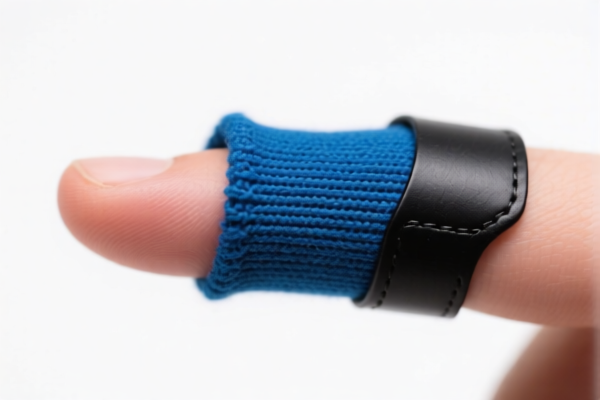
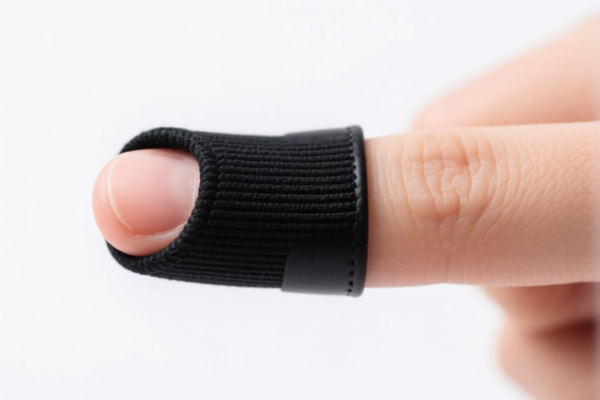
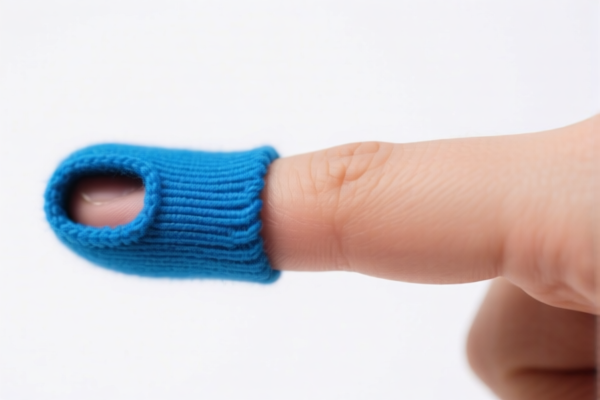
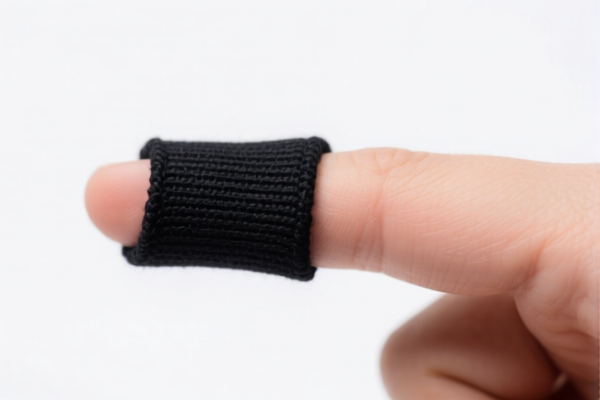
AI分析
🖐️ Foam Fingers (Foam Fingers / Novelty Props)
🌐 HS Code Reference & Customs Clearance Guide | 2026 Latest Tariff Analysis | Professional Strategy
📌 I. Product Definition: What Exactly is a "Foam Finger"?
A Foam Finger is a lightweight, exaggerated novelty item shaped like a human hand, typically made from open-cell polyurethane foam. It is widely used in sports events, parties, pranks, and entertainment contexts to show support, excitement, or for comedic effect.
In international trade, the classification depends heavily on its primary use and material composition. While the material is plastic/polymer (foam), the purpose often dictates whether it falls under Textiles, Toys, or Decorative Articles.
⚠️ Key Classification Dilemma:
- Is it a textile/apparel accessory (due to foam padding)? → Chapter 63
- Is it a novelty/decorative item (plastic foam)? → Chapter 39
- Is it a toy/prank item for entertainment? → Chapter 95
📦 II. HS Code Classification Details (Based on Provided Data)
Below are the four possible classifications derived from the analysis, ranked by logical fit and tax efficiency.
| HS Code | Summary & Reasoning | Total Tax Rate |
|---|---|---|
| 9505.90.20.00 | Best Fit (Novelty/Toy): Matches the "prank/entertainment" purpose. Foam is a common material for such items. No material conflict with "Other" categories under Magic/Prank supplies. | 10.0% |
| 9505.90.60.00 | Strong Alternative (Novelty/Toy): Similar to above. Recognizes the foam form factor as a typical entertainment gadget. Fits "Other" festive/entertainment goods. | 10.0% |
| 3926.40.00.90 | Material-Based (Plastic): Classifies the item as a plastic decoration. Foam is a polymer/plastic category. Fits "Other" decorative items. | 15.3% |
| 6307.90.75.00 | Textile-Based (Fabric/Soft Material): Infers material as textile-like foam. Fits "Other" made-up textile articles. Less ideal for hard plastic foam but possible if soft. | 14.3% |
| 6307.90.98.91 | Textile-Based (Other): Also infers foam as textile-like. Highest tax burden among reasonable options. | 24.5% |
🔍 Critical Insight:
- Chapter 95 (Toys/Sports) offers the lowest tax burden (10%) because the primary function of a foam finger is entertainment, not decoration or apparel.
- Chapter 39 & 63 attract higher tariffs because they focus on the material (plastic/textile) rather than the function.
💰 III. 2026 Latest Tariff Rate Breakdown (Detailed)
✅ Applicable Country: United States (US)
✅ Origin: China (CN)
✅ Effective Date: Current policies apply (including Section 301/IEEPA adjustments)
🎯 1. 9505.90.20.00 & 9505.90.60.00 —— Optimal Choice (Novelty/Entertainment)
| Item | Detail |
|---|---|
| Base Duty | 0.0% |
| Section 301 (Add-on) | 0.0% |
| Section 122 (Trade Adjustment) | 10.0% |
| Total Tax Rate | 10.0% |
| Tax Calculation | CIF Value × 10% |
| Legal Basis | Based on the item's nature as a "prank/entertainment prop" rather than a standard plastic good. |
📌 Explanation:
- The 10% Section 122 tariff is the key cost driver.
- Unlike many plastics or textiles, novelty toys/entertainment items often enjoy 0% base duty and 0% Section 301 surcharge, making this the most cost-effective classification.
- Total effective rate is significantly lower than the 15.3% or 24.5% alternatives.
🎯 2. 3926.40.00.90 —— Plastic Decoration (Alternative)
| Item | Detail |
|---|---|
| Base Duty | 5.3% |
| Section 301 (Add-on) | 0.0% |
| Section 122 (Trade Adjustment) | 10.0% |
| Total Tax Rate | 15.3% |
| Tax Calculation | CIF Value × 15.3% |
| Legal Basis | Classified as "Other articles of plastics... decorative." |
📌 Risk:
- If customs officers argue that the foam finger is primarily a plastic decorative item (e.g., sold in party supply aisles as decor rather than a toy), they may enforce this higher rate.
- 5.3% higher than the toy classification.
🎯 3. 6307.90.75.00 & 6307.90.98.91 —— Textile/Soft Material (Least Preferred)
| Item | Detail |
|---|---|
| Base Duty | 4.3% (75.00) / 7.0% (98.91) |
| Section 301 (Add-on) | 0.0% |
| Section 122 (Trade Adjustment) | 10.0% |
| Total Tax Rate | 14.3% / 24.5% |
| Legal Basis | Classified as "Other made-up textile articles." |
📌 Why Avoid?:
- Foam is often debated between plastic and textile.
- If classified as textile, the base duty is higher, leading to 14.3% or 24.5% total rates.
- 98.91 (24.5%) is the most expensive option and should be avoided.
🛠️ IV. Customs Clearance Practical Advice (Real-World Pitfalls)
✅ 1. Documentation Checklist (Must-Haves)
| Document | Required | Notes |
|---|---|---|
| Product Description | ✔️ | Use keywords: "Novelty Prop," "Prank Item," "Entertainment Gadget," "Foam Hand." Avoid vague terms like "Plastic Part." |
| Product Photos | ✔️ | Show the item in use (e.g., being held by a fan) to emphasize its entertainment function. |
| Material Specification | ✔️ | Explicitly state "Polyurethane Foam" but emphasize it is not a clothing accessory or industrial part. |
| Commercial Invoice | ✔️ | List unit price clearly. Total value determines tax amount. |
| Packing List | ✔️ | Ensure no unrelated items (e.g., plastic packaging that might confuse the classifier). |
✅ 2. Classification Strategy (Key Tactics)
🔥 Golden Rule:
"Function over Material. If it's for fun, call it a toy/prop!"
| Scenario | Recommended HS Code | Why? |
|---|---|---|
| Sold in Party/Prank Store | 9505.90.20.00 or 9505.90.60.00 |
Strongest case for "Entertainment/Novelty." Lowest tax (10%). |
| Sold in Craft/Decoration Aisle | 3926.40.00.90 |
Risk of higher tax (15.3%). Only use if marketing focuses on "Decoration." |
| Sold as Apparel Accessory | 6307.90.75.00 |
Avoid. Higher tax (14.3%). Foam fingers are rarely apparel. |
✅ 3. Common Mistakes to Avoid
| Mistake | Consequence | Solution |
|---|---|---|
| Mislabeling as "Plastic Toy" | Customs may check if it meets safety standards (CPC). | Ensure product is not marketed as a toy for children <3 years old. Use "Novelty Prop" instead of "Toy." |
| Ignoring Section 122 | Underpaying taxes. | All options above include a 10% Section 122 tariff. Do not assume 0% total tax. |
| Claiming "Textile" for Plastic Foam | Audit risk. | Foam is chemically a polymer. Only use textile codes if the product has a fabric covering and is used as an accessory. |
🌍 V. Global Market Comparison (2026)
| Market | Recommended HS Code | Tax Rate (China Origin) | Notes |
|---|---|---|---|
| 🇺🇸 USA | 9505.90.20.00 |
10% | Best rate. Must prove entertainment use. |
| 🇨🇳 China | 9505.90.90.00 |
~5-10% | Lower import duties, no Section 122. |
| 🇪🇺 EU | 9505.00.90 |
Varies (Often 0-4.5%) | No Section 122. Check CE marking for "novelty." |
| 🇬🇧 UK | 9505.00.90 |
~0-5% | Post-Brexit rules may vary. |
📌 Conclusion:
The US market is the most tariff-sensitive due to Section 122/301. Choosing the correct HS Code (9505.90.xxxx) saves 5.3% to 14.5% compared to alternative classifications.
📌 VI. Final Recommendation & Action Plan
🎯 Top Choice: 9505.90.20.00 or 9505.90.60.00
- Declare Correctly: Use "Foam Finger Novelty Prop" or "Party Entertainment Gadget."
- Support with Evidence: Include photos showing the item used at sporting events or parties.
- Expect 10% Total Duty: This includes the 10% Section 122 tariff. No additional Section 301 tax applies.
- Avoid "Plastic Decoration" or "Textile" Codes: These trigger higher base duties (5.3% or 4.3% + 10% = 15.3%/14.3%) or even 24.5%.
✨ Pro Tip:
If the product is imported in large quantities, consider applying for an Advance Ruling from US Customs to confirm the9505.90classification, ensuring no surprise audits later.
📣 Immediate Action:
📞 Consult your customs broker with the phrase: "Classify as Novelty Entertainment Prop under 9505.90 to utilize 10% total duty rate."
🚀 Correct classification saves money. Wrong classification risks delays and penalties.
✨ Clear Customs, Clear Profits!
💼 Every percent of duty matters in global trade.
用户评价
关于 HS 编码归类
协调制度(HS)是由世界海关组织(WCO)制定的国际贸易商品分类标准。全球 200 多个国家采用 HS 系统作为海关关税、贸易统计和进出口监管的基础。
每个 HS 编码遵循以下层级结构:
- 章(2 位)——商品大类(例如:第 84 章:机器和机械设备)
- 品目(4 位)——章内的更具体分类
- 子目(6 位)——国际通用细分,所有 WCO 成员国统一使用
- 本国细分(8-10 位)——各国自行扩展的细分编码,如美国 HTSUS 10 位编码
正确的 HS 编码归类对于顺利通关、准确缴纳关税和遵守贸易法规至关重要。错误归类可能导致海关延误、多缴关税或罚款。
从CN进口到US时,适用的关税税率可能包括:
- 最惠国(MFN)税率——适用于 WTO 成员国的标准关税税率
- 普通税率——适用于无贸易协定国家
- 贸易救济关税——附加关税,如 301 条款(反倾销)、232 条款(国家安全)或反补贴税
本页内容仅供参考。如需正式归类,请咨询当地海关或持牌报关代理。