food cover
CN → US| HS编码 | 关税税率 | 原产国 | 目的国 | 文档 |
|---|---|---|---|---|
| 3924901050 | 13.3% | CN | US | 官方文档 |
| 3924104000 | 13.4% | CN | US | 官方文档 |
| 7323999030 | 88.4% | CN | US | 官方文档 |
| 6911900050 | 22.9% | CN | US | 官方文档 |
| 6911108090 | 38.3% | CN | US | 官方文档 |
商品图片
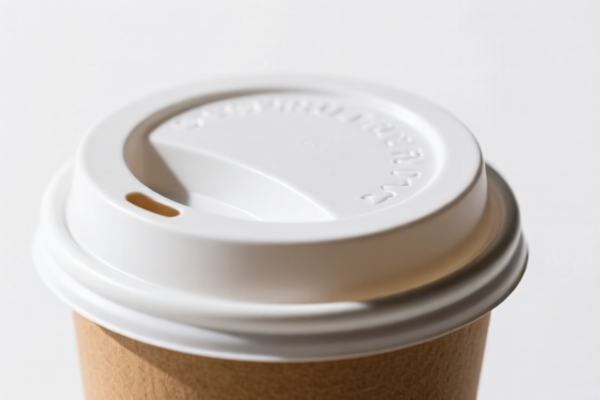
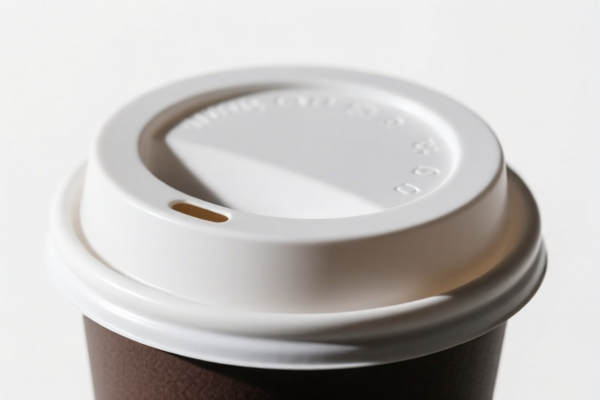
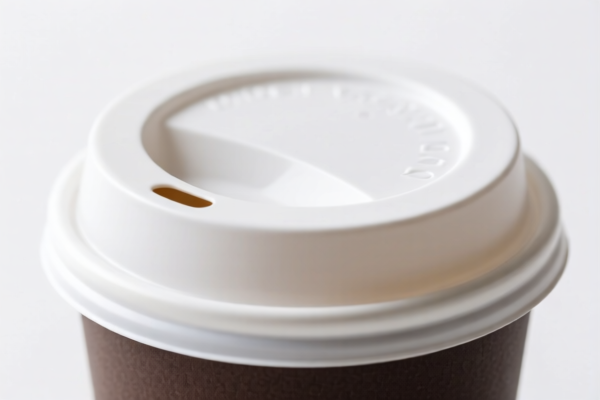
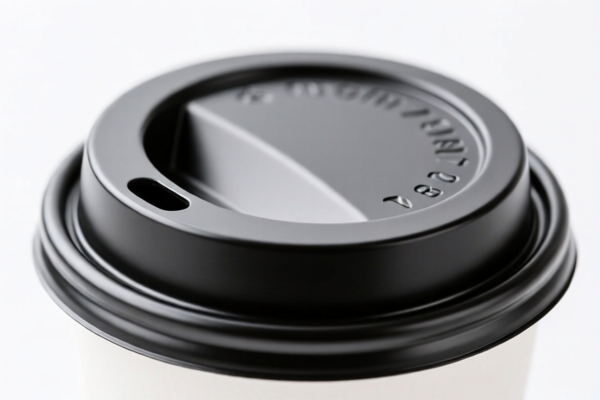
AI分析
🍽️ Food Cover (Table Centerpiece, Table Runner, Placemat & Similar Household Furniture/Decor)
🌐 HS Code Reference & Customs Clearance Guide | 2026 Updated Tariff Breakdown | Pro-Level Import Strategy
📌 One, Product Definition & Classification: What Exactly Is a "Food Cover"?
A Food Cover is a decorative or functional tableware accessory used to protect food during serving, often placed over dishes, bowls, or centerpieces. It can serve both aesthetic and practical purposes — keeping food warm, preventing spills, or enhancing the visual appeal of a dining table.
In international trade, it is classified based on material, design, and intended use. It may fall under: - Table centerpieces / table runners / placemats (decorative home furnishings) - Kitchenware / tableware (functional food-contact items) - Kitchen tools with food-safe materials (e.g., metal, ceramic, plastic)
⚠️ Critical Determination Point:
- If it's primarily decorative and not designed for direct food contact, it falls under furniture/home decor.
- If it's designed for food contact, made of food-safe materials, and used in kitchens or dining areas, it’s treated as kitchenware/tableware.
📦 Two, HS Code Classification Breakdown (2026 Official Tariff Matrix)
| HS Code | Product Description | Material & Use Case | Key Classification Reason |
|---|---|---|---|
3924.90.10.50 |
Food cover as a table centerpiece, table runner, placemat, or similar household furniture/decoration | Plastic, non-food-contact focus, decorative use | Belongs to non-food-contact home decor; fits "other household furniture" category |
3924.10.40.00 |
Food cover as plastic tableware or kitchenware, used for food service | Plastic, designed for direct food contact, functional kitchen use | Matches plastic kitchenware under HS 3924.10.40.00 |
7323.99.90.30 |
Food cover made of iron or steel, used in food-related kitchen settings | Metal (iron/steel), food-safe, functional design | Classified under other steel articles for kitchen use |
6911.90.00.50 |
Food cover made of ceramic, used as kitchenware or household item | Ceramic, non-metal, decorative + functional use | Matches other ceramic household items |
6911.10.80.90 |
Food cover as tableware, kitchenware, or other household goods | Ceramic, but not standard tableware; more decorative or hybrid | Falls under other ceramic tableware & kitchenware |
🔍 Key Insight:
The same product (a food cover) can be classified differently depending on material and intended function.
Always verify whether it's decorative only or designed for food contact.
💰 Three, 2026 Updated Tariff & Duty Breakdown (Including附加 Taxes & Legal Triggers)
✅ Applicable Country: United States (US)
✅ Origin: China (CN)
✅ Effective Date: November 10, 2025 (including subsequent imports)
🎯 1. 3924.90.10.50 — Plastic Table Centerpiece / Decorative Placemat
| Item | Detail |
|---|---|
| Base Tariff | 3.3% (ad valorem) |
| Additional Tariff (Section 301) | 0.0% |
| Section 122 Tariff (China-specific) | 10% |
| Total Effective Duty | 13.3% |
| Tax Calculation | CIF Value × 13.3% |
| De Minimis Threshold | ✅ Yes (5% threshold applies) |
| Legal Basis Path | USITC:3924.90.10.50 → Section 122:10% → US Tariff Schedule |
📌 Explanation:
- This code applies to plastic decorative items used on tables (e.g., covers for centerpieces).
- No Section 301 (USITC) tariff applies because it’s not a high-tech or industrial product.
- Section 122 (10%) is triggered due to China origin and non-essential consumer goods.
- De minimis (5%) allows small shipments (under $800) to avoid full duty.
🎯 2. 3924.10.40.00 — Plastic Food Cover as Kitchenware/Tableware
| Item | Detail |
|---|---|
| Base Tariff | 3.4% |
| Additional Tariff (Section 301) | 0.0% |
| Section 122 Tariff (China-specific) | 10% |
| Total Effective Duty | 13.4% |
| Tax Calculation | CIF Value × 13.4% |
| De Minimis Threshold | ✅ Yes (5%) |
| Legal Basis Path | USITC:3924.10.40.00 → Section 122:10% → US Tariff Schedule |
📌 Explanation:
- This applies when the plastic food cover is designed for food contact (e.g., covers for bowls, serving dishes).
- Even if decorative, if it touches food, it’s treated as kitchenware.
- No Section 301 tariff — not a targeted tech product.
- 10% Section 122 tariff applies due to China origin.
🎯 3. 7323.99.90.30 — Iron/Steel Food Cover (Kitchen Use)
| Item | Detail |
|---|---|
| Base Tariff | 3.4% |
| Additional Tariff (Section 301) | 25.0% |
| Section 122 Tariff (China-specific) | 10% |
| Steel/Aluminum/Copper Additional Tariff | 50% (under Section 301) |
| Total Effective Duty | 88.4% |
| Tax Calculation | CIF Value × 88.4% |
| De Minimis Threshold | ❌ No (denied) |
| Legal Basis Path | USITC:7323.99.90.30 → Section 301:25% → Steel/Aluminum/Copper:50% → Section 122:10% |
📌 Explanation:
- This is a high-risk category.
- Steel/iron food covers are subject to multiple tariffs:
- 25% Section 301 (China-specific trade action)
- 50% on steel/aluminum/copper (from US Trade Act 301)
- 10% Section 122 (China-specific)
- Total = 88.4% — extremely high.
- De minimis not applicable — even small shipments face full duty.
🎯 4. 6911.90.00.50 — Ceramic Food Cover (Kitchenware / Household Use)
| Item | Detail |
|---|---|
| Base Tariff | 5.4% |
| Additional Tariff (Section 301) | 7.5% |
| Section 122 Tariff (China-specific) | 10% |
| Total Effective Duty | 22.9% |
| Tax Calculation | CIF Value × 22.9% |
| De Minimis Threshold | ✅ Yes (5%) |
| Legal Basis Path | USITC:6911.90.00.50 → Section 301:7.5% → Section 122:10% |
📌 Explanation:
- Applies to ceramic food covers used in kitchens or as decorative table items.
- Section 301 tariff (7.5%) applies due to China origin and non-essential consumer goods.
- 10% Section 122 adds further burden.
- De minimis applies — small orders can still avoid duty.
🎯 5. 6911.10.80.90 — Ceramic Tableware / Kitchenware (General Use)
| Item | Detail |
|---|---|
| Base Tariff | 20.8% |
| Additional Tariff (Section 301) | 7.5% |
| Section 122 Tariff (China-specific) | 10% |
| Total Effective Duty | 38.3% |
| Tax Calculation | CIF Value × 38.3% |
| De Minimis Threshold | ❌ No |
| Legal Basis Path | USITC:6911.10.80.90 → Section 301:7.5% → Section 122:10% → Base:20.8% |
📌 Explanation:
- Highest tariff rate among all options.
- Applies when the ceramic food cover is classified as general tableware or kitchenware.
- Base tariff is already 20.8% — unusually high for ceramics.
- 7.5% Section 301 + 10% Section 122 → 38.3% total.
- No de minimis — even small shipments are fully taxed.
🛠️ Four, Customs Clearance Best Practices (Pro Tips to Avoid Penalties)
✅ 1. Required Documentation (Must-Have)
| Document | Required | Notes |
|---|---|---|
| ✅ Product Specifications | ✔️ | Include material, dimensions, food contact design |
| ✅ Product Photos (with label) | ✔️ | Show material, design, and intended use |
| ✅ Commercial Invoice | ✔️ | Clearly state “Food Cover – [Material] – [Use Case]” |
| ✅ Certificate of Origin (CO) | ✔️ | If not from China, may reduce tariffs |
| ✅ Third-Party Test Report | ✔️ | FDA, LFGB, RoHS (if applicable) |
| ✅ Packing List | ✔️ | Show if items are sold as sets or standalone |
| ✅ Declaration of Use | ✔️ | “For decorative use” vs. “For food contact” — critical for classification |
✅ 2.申报技巧(Key Rules)
🔥 "Material Matters, Use Defines, Label Right, Duty Drops!"
| Scenario | Correct HS Code | Wrong Approach |
|---|---|---|
| Plastic cover, no food contact, decorative | 3924.90.10.50 |
Misreported as 3924.10.40.00 → higher duty |
| Plastic cover, food contact, functional | 3924.10.40.00 |
Reported as 3924.90.10.50 → risk of penalty |
| Iron/steel cover, functional kitchen use | 7323.99.90.30 |
Avoid this — 88.4% duty! |
| Ceramic cover, decorative only | 6911.90.00.50 |
Don’t use 6911.10.80.90 unless it's standard tableware |
| Ceramic cover, functional kitchen use | 6911.10.80.90 |
Use only if it’s clearly tableware-grade |
✅ 3. Special Handling Scenarios
| Situation | Recommended Action |
|---|---|
| Mixed materials (e.g., ceramic base + plastic lid) | Declare based on primary material and intended use |
| Set with multiple covers (e.g., 3-piece set) | Report as one unit if sold together; avoid splitting |
| Custom-designed covers (OEM) | Provide design drawings and usage description to support classification |
| Used in restaurants/hotels | Still subject to same tariffs — no exemption |
| Gift sets with food covers | Treat as single product — don’t split into components |
🌍 Five, Global Market Comparison (2026 Tariff Snapshot)
| Country/Region | Recommended HS Code | Tariff | Certification | Notes |
|---|---|---|---|---|
| 🇺🇸 USA | Depends on material | 13.3%–88.4% | FDA, RoHS | High risk for metal/ceramic |
| 🇨🇳 China | 3924.10.40.00 / 6911.90.00.50 |
5% | CCC, RoHS | No extra tariffs |
| 🇪🇺 EU | 3924.10.40.00 / 6911.90.00.50 |
0% (if CE) | CE, RoHS | No additional tariffs |
| 🇦🇺 Australia | 3924.10.40.00 |
5% | RCM | No extra duties |
| 🇯🇵 Japan | 3924.10.40.00 |
0% | PSE | No extra tariffs |
📌 Conclusion:
- The USA is the most restrictive — especially for metal and ceramic food covers.
- China, EU, Australia, Japan are much more favorable for importers.
📌 Six, Common Mistakes & Risk Warnings (Avoid These!)
❌ Mistake 1: Using 7323.99.90.30 (steel cover) without realizing 88.4% duty
👉 Result: Massive cost overrun, potential seizure, or refund claims.
❌ Mistake 2: Misclassifying a food-contact plastic cover as 3924.90.10.50 (decorative)
👉 Result: Customs may reclassify → higher duty + penalties.
❌ Mistake 3: Not declaring intended use (food contact vs. decoration)
👉 Result: Misclassification risk, audit, or shipment delay.
❌ Mistake 4: Splitting a set into individual components
👉 Result: Each part taxed separately → total duty > 100%
✅ Correct Approach:
Use clear, accurate product descriptions:
"Ceramic Food Cover, 12-inch diameter, designed for serving bowls, food-safe, decorative kitchenware, not for microwave use"
🎯 Seven, Final Verdict: Smart Classification = Lower Costs!
🎯 Remember the Golden Rules:
🔹 "Material + Use = HS Code"
🔹 "Plastic = lower duty, Metal = disaster, Ceramic = high risk"
🔹 "De minimis applies only to plastic & some ceramics"
🔹 "Never split sets — always declare as one unit"
📌 Pro Tip:
If your food cover is not from China, or originates from Vietnam, Mexico, Thailand, or Malaysia, you may qualify for IEEPA or Section 122 exemptions — reduce duty to 0–5%.
📞 Action Step:
✅ Contact a licensed customs broker
✅ Submit product photos, specs, and usage description
✅ Apply for Advance Ruling (Pre-Clearance) to lock in the correct HS Code
📣 Act Now:
🚀 Get your HS Code pre-approved
💼 Avoid surprise tariffs, delays, and penalties
🌐 Ensure smooth, cost-effective global shipping
✨ Precision Classification = Profit Protection!
💼 Your product’s success starts with the right HS Code.
用户评价
关于 HS 编码归类
协调制度(HS)是由世界海关组织(WCO)制定的国际贸易商品分类标准。全球 200 多个国家采用 HS 系统作为海关关税、贸易统计和进出口监管的基础。
每个 HS 编码遵循以下层级结构:
- 章(2 位)——商品大类(例如:第 84 章:机器和机械设备)
- 品目(4 位)——章内的更具体分类
- 子目(6 位)——国际通用细分,所有 WCO 成员国统一使用
- 本国细分(8-10 位)——各国自行扩展的细分编码,如美国 HTSUS 10 位编码
正确的 HS 编码归类对于顺利通关、准确缴纳关税和遵守贸易法规至关重要。错误归类可能导致海关延误、多缴关税或罚款。
从CN进口到US时,适用的关税税率可能包括:
- 最惠国(MFN)税率——适用于 WTO 成员国的标准关税税率
- 普通税率——适用于无贸易协定国家
- 贸易救济关税——附加关税,如 301 条款(反倾销)、232 条款(国家安全)或反补贴税
本页内容仅供参考。如需正式归类,请咨询当地海关或持牌报关代理。