food tongs
CN → US| HS编码 | 关税税率 | 原产国 | 目的国 | 文档 |
|---|---|---|---|---|
| 821520 | 0.0% | CN | US | 官方文档 |
| 821599 | 0.0% | CN | US | 官方文档 |
| 3924104000 | 13.4% | CN | US | 官方文档 |
| 3924101000 | 13.4% | CN | US | 官方文档 |
商品图片

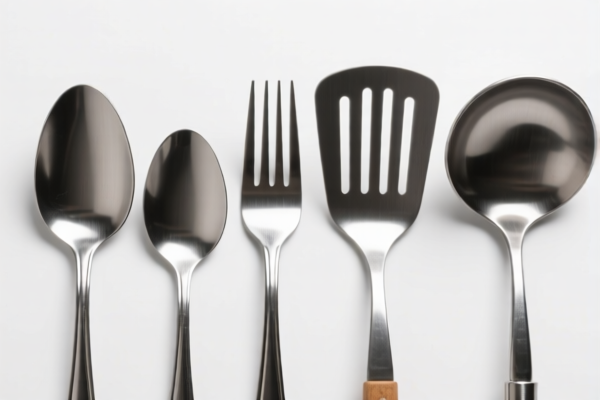
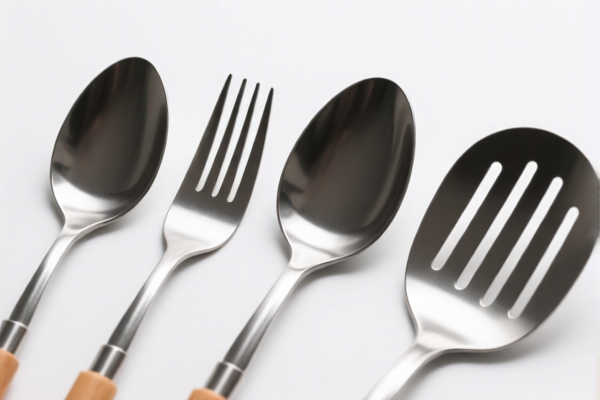
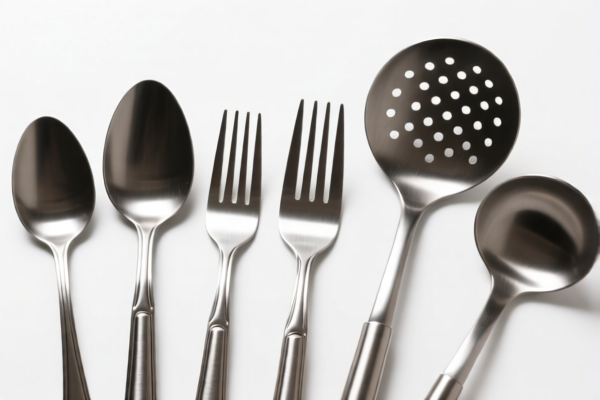
AI分析
🍴 Food Tongs (Kitchenware & Cutlery)
🌐 HS Code Reference & Customs Clearance Guide | 2026 Latest Tariff Analysis | Professional Customs Strategy
📌 I. Product Definition & Classification: What Are "Food Tongs"?
Food tongs are essential kitchen utensils designed for handling, serving, or preparing food items without direct hand contact. In international trade, they are primarily categorized based on their material composition. The key distinction lies between plastic household articles and metal cutlery/tools.
1. Plastic Tongs:
Made entirely or predominantly of plastic (e.g., silicone-coated, nylon, ABS), typically used as part of general household kitchenware sets or for specific food handling in non-industrial settings.
2. Metal Tongs:
Made of stainless steel, aluminum, or other metals. These are further divided into:
- Specialized Food Tongs: Designed specifically for food handling (e.g., salad tongs, BBQ tongs, serving tongs) and classified under metal cutlery.
- General Metal Tongs: Multi-purpose metal tools not specifically described elsewhere, falling under general metal articles.
⚠️ Key Classification Point:
- If the tongs are plastic and intended for household/table use → Chapter 39 (Plastics).
- If the tongs are metal and specifically for food handling → Chapter 82 (Metal Cutlery/Tools).
- Misclassification (e.g., declaring metal tongs as plastic) leads to customs delays, penalties, or re-shipment.
📦 II. HS Code Classification Details (2026 Latest Tariff Authority Cross-Reference)
| HS Code | Product Description | Material | Specific Use | Tax Status (China Origin → US) |
|---|---|---|---|---|
3924.10.40.00 |
Other tableware and kitchenware of plastics | Plastic | General kitchen use, not otherwise specified (e.g., plastic spoons, spatulas, and plastic food tongs not specifically listed) | ✅ 3.4% |
3924.10.10.00 |
Salt, pepper, mustard, and ketchup dispensers and similar dispensers of plastics | Plastic | Dispensers | ✅ 3.4% |
8215.20 |
Tongs, including food tongs, made of metal, not elsewhere specified | Metal | Specifically for food handling (e.g., salad, BBQ, serving) | ❌ Error (Retrieval Failed) |
8215.99 |
Other tongs, not specified elsewhere, made of metal | Metal | General purpose or non-food specific metal tongs | ❌ Error (Retrieval Failed) |
🔍 Important Note:
- Plastic Tongs: Clearly fall under 3924.10.40.00 as "Other" kitchenware of plastic.
- Metal Tongs:
- If specifically for food handling (e.g., salad tongs, grill tongs), they should ideally be classified under 8215.20.
- If the metal tongs are general-purpose (e.g., laboratory tongs, industrial gripping tools), they may fall under 8215.99.
- ⚠️ Tax Data Limitation: The provided data shows"Failed to retrieve tax information"for both metal tong codes. This suggests that specific duty rates for 2026 may require manual verification via official customs databases (e.g., USITC Tariff Database or local customs authority). Do not assume a rate based on this data.
💰 III. 2026 Latest Tariff Rate Details (Detailed Tax Clauses)
✅ Applicable Country: United States (US)
✅ Origin: China (CN)
✅ Data Source Limitation: Metal tong tax rates are marked as "Error" in the provided dataset. The following analysis is based on available plastic tong data and general trade practices.
🎯 1. 3924.10.40.00 – Other Tableware and Kitchenware of Plastics
| Item | Detail |
|---|---|
| Base Duty Rate | 3.4% (ad valorem) |
| Additional Duties | 0.0% (Section 301 tariffs do not typically apply to basic plastic kitchenware at this level, but verify if any de minimis or specific exclusion applies) |
| Total Tax Rate | 3.4% |
| Tax Calculation | CIF Value × 3.4% |
| De Minimis Eligibility | ❓ Check current US de minimis threshold (currently $800); if under threshold, duty-free entry possible. |
| Legal Basis | USHTS 3924.10.40.00 |
📌 Explanation:
- Plastic kitchenware, including plastic food tongs, is classified under 3924.10.40.00 as "other" if not specifically listed (like dispensers under .10).
- The rate is relatively low (3.4%), making it cost-effective for importers.
- No additional Section 301 tariffs are indicated for this specific code in the provided data, but always verify against the latest USITC updates.
🎯 2. Metal Tongs (8215.20 & 8215.99) – ⚠️ Tax Data Unavailable
| Item | Detail |
|---|---|
| Base Duty Rate | ❌ Failed to retrieve |
| Additional Duties | ❌ Failed to retrieve |
| Total Tax Rate | ❌ Unknown |
| Recommendation | Do not rely on this data for metal tongs. |
📌 Critical Warning:
- Metal tongs fall under Chapter 82 (Tools, Implements, and Cutlery).
- 8215.20: Tongs, including food tongs, of metal.
- 8215.99: Other articles of cutlery, kitchenware, and parts thereof.
- Action Required: Importers must verify the current duty rate via:
1. USITC Tariff Database (http://www.usitc.gov/tata/hts/)
2. Customs Broker or Freight Forwarder
3. Official Customs Authority in the destination country
- General Estimate: Metal cutlery/tongs often have rates between 0%–6.5%, but Section 301 tariffs (25%) may apply to Chinese-origin metal goods. Do not assume 0% or 3.4% without verification.
🛠️ IV. Customs Clearance Practical Advice (Real-World Pitfall Avoidance)
✅ 1. Required Documentation Checklist
| Document | Mandatory? | Purpose |
|---|---|---|
| ✅ Product Specifications | ✔️ | Material (plastic vs. metal), dimensions, weight, usage (food/non-food) |
| ✅ Product Photos | ✔️ | Clearly show material, branding, and design (e.g., plastic coating, metal finish) |
| ✅ Commercial Invoice | ✔️ | Must specify "Food Tongs" and material (e.g., "Stainless Steel Food Tongs" or "Plastic Kitchen Tongs") |
| ✅ Packing List | ✔️ | Quantity, net/gross weight, packaging details |
| ✅ Certificate of Origin (CO) | ✔️ | To claim any preferential tariffs if applicable |
| ✅ FCC/CE/RoHS Certificates | ✔️ | For plastic items with electronic components (if any); RoHS is critical for plastic food contact safety |
✅ 2. Declaration Best Practices
🔥 "Material Matters! Plastic vs. Metal – Don’t Mix Up!"
| Scenario | Correct Declaration | Common Mistake |
|---|---|---|
| Plastic Food Tongs | HS Code: 3924.10.40.00Description: "Plastic Food Tongs for Kitchen Use" |
Misdeclaring as metal → Higher tax, customs hold |
| Metal BBQ Tongs | HS Code: 8215.20 (Verify Rate!)Description: "Stainless Steel BBQ Tongs, Food Grade" |
Misdeclaring as plastic → Penalty, re-inspection |
| Mixed Container (Plastic + Metal) | Separate HS Codes on Invoice Item 1: Plastic Tongs (3924.10.40.00) Item 2: Metal Tongs (8215.20) |
Combining into one line → Customs rejection |
| Tongs with Plastic Handles & Metal Jaws | Classify Based on Essential Character Usually Metal (8215.20) if metal is dominant |
Incorrectly classifying as plastic → Risk of penalty |
📌 Rule of Thumb:
- If the tongs are predominantly metal (even with plastic grips), classify under Chapter 82.
- If predominantly plastic (e.g., silicone-coated plastic tongs), classify under Chapter 39.
✅ 3. Special Considerations
| Scenario | Handling Advice |
|---|---|
| OEM Custom Tongs | Provide design drawings and material certificates to prove classification |
| Food Contact Safety | Ensure plastic tongs comply with FDA/LFGB standards for food contact; provide test reports |
| Metal Corrosion Resistance | For stainless steel tongs, specify grade (e.g., 304/316) to avoid quality disputes |
| De Minimis Shipments | If < $800 (US), may be duty-free regardless of HS code, but declaration is still required |
🌍 V. Global Market Comparison (2026 Estimate)
| Country/Region | Recommended HS Code (Plastic) | Duty Rate (China Origin) | Notes |
|---|---|---|---|
| 🇺🇸 USA | 3924.10.40.00 |
3.4% | Low duty; metal tongs need verification |
| 🇨🇳 China | 3924.10.40.00 |
8–10% | Import duty + VAT |
| 🇪🇺 EU | 3924.10.00 |
6.5% | Plus VAT (19–27%) |
| 🇦🇺 Australia | 3924.10.00 |
5% | Plus GST (10%) |
| 🇯🇵 Japan | 3924.10.00 |
6–8% | Varies by specific item |
📌 Key Insight:
- Plastic tongs have consistently low duties globally.
- Metal tongs may face higher duties or additional tariffs (e.g., US Section 301), so verification is critical.
📌 VI. Common Errors & Pitfalls (Lessons Learned)
❌ Error 1: Declaring metal tongs as plastic to avoid higher duties
👉 Consequence: Customs audit, fines, seizure, and blacklist risk.
❌ Error 2: Using vague descriptions like "Kitchen Tool"
👉 Consequence: Customs requests additional information, delays clearance by 3–7 days.
❌ Error 3: Ignoring material composition for mixed-material tongs
👉 Consequence: Incorrect HS code → Wrong tax rate → Penalty.
❌ Error 4: Assuming metal tong tax rate is 3.4%
👉 Consequence: Underpayment of duty → Customs demand for back taxes + interest.
✅ Correct Approach:
"Stainless Steel Food Tongs, Food Grade 304, Pack of 6"
OR
"Plastic Salad Tongs, BPA-Free, Black, Pack of 10"
🎯 VII. Conclusion: Precise Classification Saves Money!
🎯 Remember the Golden Rules:
🔹 "Plastic = 3.4%, Metal = Verify!"
🔹 "Material Dictates Code – Don’t Guess!"
🔹 "Metal Tongs Need Pre-Clearance Check – Avoid Surprises!"
📌 Pro Tip:
For metal food tongs, always:
1. Check the USITC Tariff Database for current rates.
2. Confirm if Section 301 tariffs apply (likely 25% for Chinese origin).
3. Work with a licensed customs broker to ensure correct classification.
📣 Take Action Now:
📞 Consult a Customs Broker for metal tong classification.
📄 Prepare Material Certificates (FDA, RoHS, LFGB).
🚀 Accurate Declaration = Smooth Clearance = Higher Profit Margins!
✨ Professional Customs Clearance Starts with Accurate HS Codes!
💼 Your Cost, Optimized. Your Risk, Minimized.
用户评价
关于 HS 编码归类
协调制度(HS)是由世界海关组织(WCO)制定的国际贸易商品分类标准。全球 200 多个国家采用 HS 系统作为海关关税、贸易统计和进出口监管的基础。
每个 HS 编码遵循以下层级结构:
- 章(2 位)——商品大类(例如:第 84 章:机器和机械设备)
- 品目(4 位)——章内的更具体分类
- 子目(6 位)——国际通用细分,所有 WCO 成员国统一使用
- 本国细分(8-10 位)——各国自行扩展的细分编码,如美国 HTSUS 10 位编码
正确的 HS 编码归类对于顺利通关、准确缴纳关税和遵守贸易法规至关重要。错误归类可能导致海关延误、多缴关税或罚款。
从CN进口到US时,适用的关税税率可能包括:
- 最惠国(MFN)税率——适用于 WTO 成员国的标准关税税率
- 普通税率——适用于无贸易协定国家
- 贸易救济关税——附加关税,如 301 条款(反倾销)、232 条款(国家安全)或反补贴税
本页内容仅供参考。如需正式归类,请咨询当地海关或持牌报关代理。