foot brush
CN → US| HS编码 | 关税税率 | 原产国 | 目的国 | 文档 |
|---|---|---|---|---|
| 9603298090 | 0.0% | CN | US | 官方文档 |
| 4417008010 | 40.1% | CN | US | 官方文档 |
| 4417006000 | 35.0% | CN | US | 官方文档 |
商品图片
AI分析
🧼 Foot Brush (Shoe/Brush Hygiene Tools)
🌐 HS Code Reference & Customs Clearance Guide | 2024/2025 Tax Analysis | Professional Clearance Strategy
📌 I. Product Definition & Classification: What Exactly Is a "Foot Brush"?
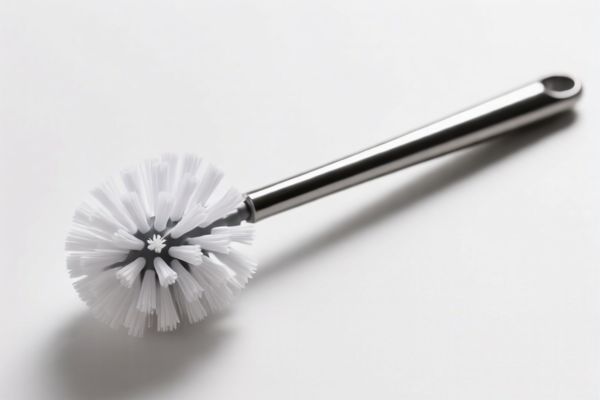
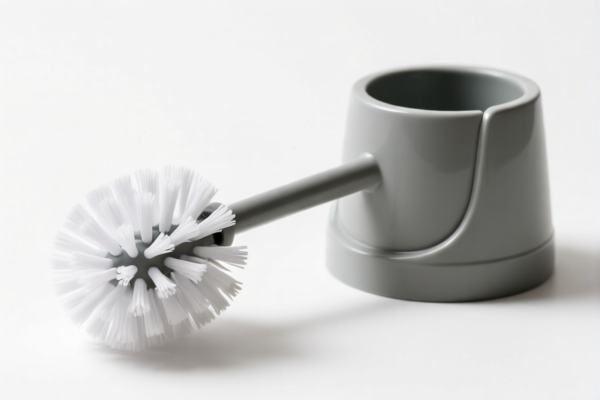
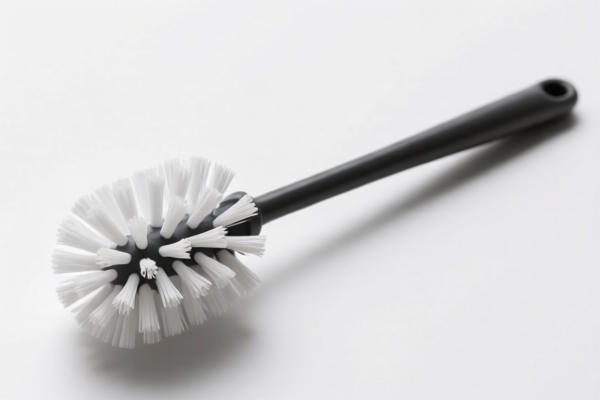
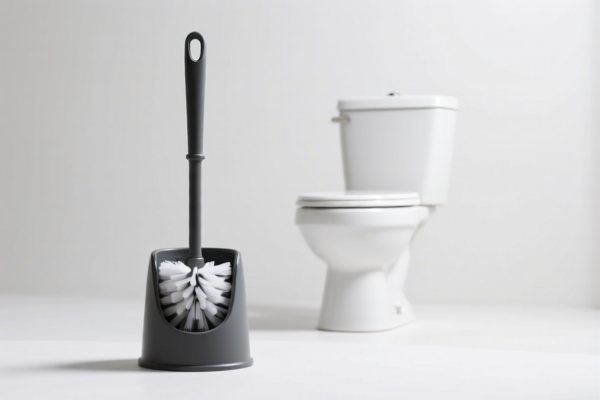
A "Foot Brush" (often categorized under general shoe or hygiene brushes) is a cleaning tool consisting of a handle and bristles, used for scrubbing soles of shoes or feet. In international trade, its classification hinges on material composition and functional specificity.
⚠️ Key Distinction:
- If the brush is made of plastic/natural fibers and is primarily used for human body hygiene (even if designed for feet/shoes in a general sense), it falls under Chapter 96 (Miscellaneous Manufactured Articles).
- If the brush is made of wood (with wooden handles/frames) and is considered a general tool or part of a set, it may fall under Chapter 44 (Wood and Wood Products).
- Critical Note: Misclassification can lead to drastic tariff differences (e.g., ~10% vs. ~40%).
📦 II. HS Code Classification Details (Based on Provided Data)
| HS Code | Product Description | Summary / Rationale | Total Tax Rate* |
|---|---|---|---|
9603.29.80.90 |
Other Brushes (for human use) | Categorized as "other brushes" for use on the human body. No material conflict with plastic/fiber bristles. Fits general hygiene brush category. | 0.3¢/each + 3.6% + 10.0% |
4417.00.80.10 |
Wooden Tools (general) | If the brush has a wooden handle/frame and is treated as a wooden tool. Combines wooden handle + bristles. | 40.1% |
4417.00.60.00 |
Wooden Tools (other) | Another classification for wooden brush tools, often based on specific sub-heading interpretations for wooden articles. | 35.0% |
🔍 Important Clarification:
- HS Code9603.29.80.90is generally the most common and cost-effective classification for standard plastic/fiber foot/shoe brushes used for hygiene or cleaning.
- HS Codes4417.xxxxapply if the product is primarily wooden and classified as a "wooden tool," which incurs significantly higher tariffs due to trade restrictions.
💰 III. Detailed Tariff Breakdown (2024/2025)
✅ Applicable Country: United States (US)
✅ Origin: China (CN)
✅ Effective Date: Current trade policy (Section 301 & IEEPA)
🎯 1. 9603.29.80.90 – Other Brushes (Hygiene/General Use)
| Item | Detail |
|---|---|
| Basic Duty | 0.3¢ per each + 3.6% (ad valorem) |
| Section 301 Duty | 0.0% (Exempt or low-tier under certain conditions, or included in the 3.6%) |
| Section 122 Duty (IEEPA) | +10% (Specific additional tariff for Chinese goods) |
| Total Effective Rate | ~3.6% + 10% + 0.3¢/unit (Significantly lower than wooden classifications) |
| Calculation Method | (CIF Value × 13.6%) + (0.3¢ × Quantity) |
| De Minimis Eligibility | ❌ Likely Not Eligible for Section 301/IEEPA waivers if value exceeds $800 |
| Legal Basis | USITC:9603.29.80.90 → Section 122: 10% |
📌 Interpretation:
- This classification is highly favorable compared to wooden tool classifications.
- The 10% Section 122 tariff is the main cost driver, but the base rate is very low.
- The 0.3¢ per unit is a nominal fee, negligible for bulk shipments.
🎯 2. 4417.00.80.10 & 4417.00.60.00 – Wooden Tools
| Item | Detail |
|---|---|
| Basic Duty | 0.0% – 5.1% (varies by sub-heading) |
| Section 301 Duty | +25.0% (Standard high tariff for Chinese wooden goods) |
| Section 122 Duty (IEEPA) | +10% |
| Total Effective Rate | 35.0% (4417.00.60.00) to 40.1% (4417.00.80.10) |
| Calculation Method | CIF Value × (35% to 40.1%) |
| De Minimis Eligibility | ❌ Not Eligible |
| Legal Basis | USITC:4417.00.xxxx → Section 301: 25% + Section 122: 10% |
📌 Interpretation:
- These classifications are prohibitively expensive for most consumer goods.
- The 25% Section 301 tariff makes this category uncompetitive compared to9603.
- Only consider if the product is exclusively wooden and marketed as a craft/tool rather than a hygiene brush.
🛠️ IV. Customs Clearance Practical Advice
✅ 1. Required Documentation Checklist
| Document | Required | Notes |
|---|---|---|
| ✅ Product Description | ✔️ | Specify: "Plastic Foot Brush with Bristles" vs. "Wooden Handle Brush" |
| ✅ Material Composition | ✔️ | List % of plastic, nylon, wood, etc. Crucial for HS Code determination |
| ✅ Product Photos | ✔️ | Show handle material, bristle type, and overall structure |
| ✅ Commercial Invoice | ✔️ | Clearly state "Foot Brush" or "Shoe Cleaning Brush" |
| ✅ Packing List | ✔️ | Include unit count for the 0.3¢/unit calculation |
✅ 2. Strategic Recommendations
🚀 Recommendation A: Prioritize HS Code 9603.29.80.90
- Why? The total tax rate is ~13.6% (10% + 3.6%) vs. 35-40% for wooden classifications.
- How?
- Ensure the product description emphasizes hygiene use ("for use on the human body").
- If the brush has a plastic handle, it is almost certainly
9603. - If it has a wooden handle, argue that the primary function is hygiene/brushing (Chapter 96) rather than a "wooden tool" (Chapter 44).
- Tip: Use terms like "Plastic/Bristle Foot Brush" in the invoice.
⚠️ Avoid HS Codes 4417.xxxx Unless Necessary
- Risk: The 25% Section 301 tariff will destroy profit margins.
- Exception: Only if the product is a high-end wooden artisan tool with no plastic components, and you have absorbed the cost.
✅ 3. Common Pitfalls to Avoid
| Mistake | Consequence | Solution |
|---|---|---|
| Mislabeling as "Wooden Tool" | 35-40% tax instead of ~13.6% | Always specify material composition clearly |
| Ignoring Section 122 | Unexpected 10% surcharge | Factor in the 10% IEEPA tariff in pricing |
| Vague Description | Customs delay or reclassification | Use precise terms: "Foot Cleaning Brush, Plastic Handle, Nylon Bristles" |
| Assuming De Minimis | Seizure or back-tariff | Foot brushes are not eligible for $800 de minimis under Section 301/122 |
🌍 V. Global Market Comparison (2024/2025)
| Market | Recommended HS Code | Est. Tariff | Notes |
|---|---|---|---|
| 🇺🇸 USA | 9603.29.80.90 |
~13.6% | Best option for foot brushes |
| 🇺🇸 USA (Wooden) | 4417.00.60.00 |
35.0% | High cost, avoid if possible |
| 🇪🇺 EU | 9603.29 |
0-6.5% | No Section 301/122, much cheaper |
| 🇨🇳 China | 9603.29 |
6-10% | Standard import duty |
📌 Conclusion:
- USA is the most challenging market due to Section 301 and Section 122 tariffs.
- Stick to9603.29.80.90for any foot/shoe brush to minimize costs.
- Avoid wooden tool classifications unless you have a specific niche product that cannot be classified elsewhere.
📌 VI. Summary & Action Plan
- Classify as
9603.29.80.90unless the product is exclusively a wooden tool with no hygiene context. - Total Tax Cost: ~13.6% (3.6% base + 10% Section 122) + 0.3¢/unit.
- Documentation: Clearly state "Foot Brush" and "Plastic/Bristle" materials.
- Pricing: Factor in the 10% Section 122 tariff to maintain margins.
- Avoid:
4417codes due to 25% Section 301 tariff.
🎯 Final Tip:
"Brush for body use → Chapter 96 (Low Tax). Wooden Tool → Chapter 44 (High Tax). Choose wisely!"
✨ Professional Customs Clearance Starts with Accurate Classification!
💼 Your Cost Efficiency Depends on the Right HS Code!
用户评价
关于 HS 编码归类
协调制度(HS)是由世界海关组织(WCO)制定的国际贸易商品分类标准。全球 200 多个国家采用 HS 系统作为海关关税、贸易统计和进出口监管的基础。
每个 HS 编码遵循以下层级结构:
- 章(2 位)——商品大类(例如:第 84 章:机器和机械设备)
- 品目(4 位)——章内的更具体分类
- 子目(6 位)——国际通用细分,所有 WCO 成员国统一使用
- 本国细分(8-10 位)——各国自行扩展的细分编码,如美国 HTSUS 10 位编码
正确的 HS 编码归类对于顺利通关、准确缴纳关税和遵守贸易法规至关重要。错误归类可能导致海关延误、多缴关税或罚款。
从CN进口到US时,适用的关税税率可能包括:
- 最惠国(MFN)税率——适用于 WTO 成员国的标准关税税率
- 普通税率——适用于无贸易协定国家
- 贸易救济关税——附加关税,如 301 条款(反倾销)、232 条款(国家安全)或反补贴税
本页内容仅供参考。如需正式归类,请咨询当地海关或持牌报关代理。