four layer bag liner
CN → US| HS编码 | 关税税率 | 原产国 | 目的国 | 文档 |
|---|---|---|---|---|
| 3923290000 | 38.0% | CN | US | 官方文档 |
| 3923210095 | 38.0% | CN | US | 官方文档 |
| 3921901950 | 40.3% | CN | US | 官方文档 |
| 4819400040 | 35.0% | CN | US | 官方文档 |
| 4819400020 | 35.0% | CN | US | 官方文档 |
商品图片
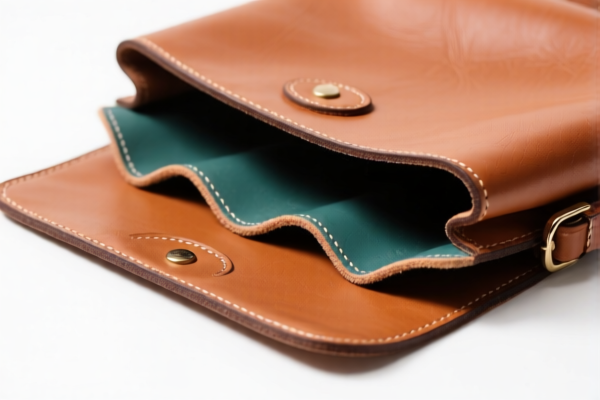
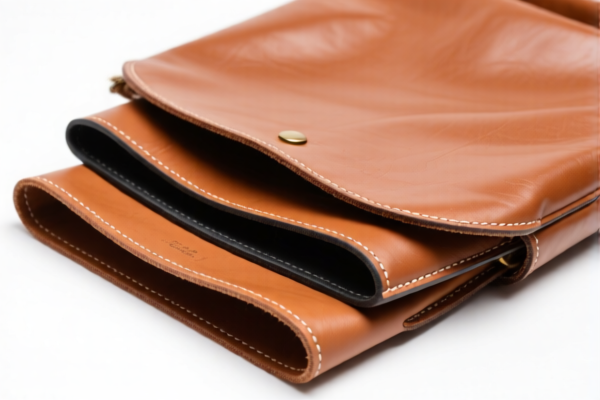
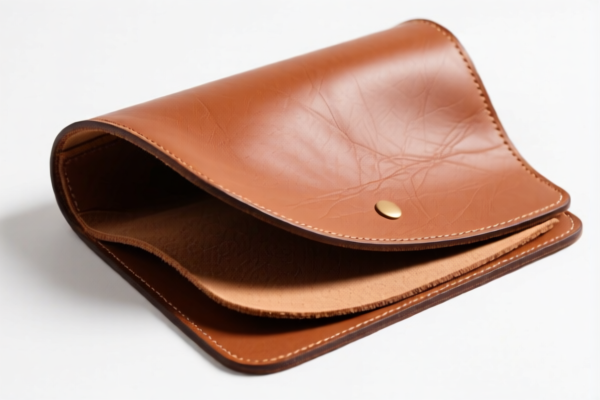
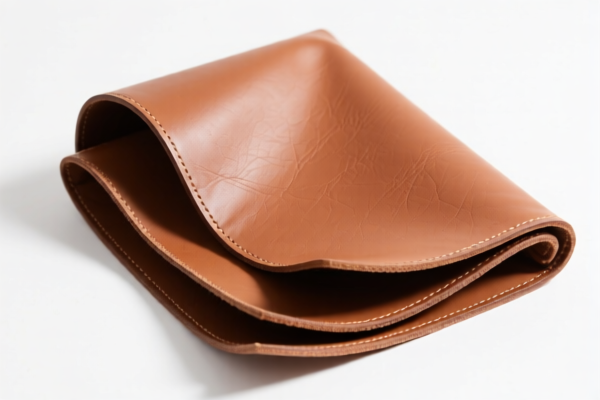
AI分析
🛍️ Four Layer Bag Liner: HS Code Classification & Customs Clearance Guide
🌐 HS Code Reference & Customs Clearance Guide | 2026 Latest Tariff Analysis | Professional Compliance Strategy
📌 I. Product Definition & Classification: What is a "Four Layer Bag Liner"?
A Four Layer Bag Liner is typically an internal component used within rigid or semi-rigid packaging containers (such as tote bags, intermediate bulk containers (IBCs), or industrial sacks). Its primary function is to provide a barrier against moisture, contamination, or product leakage.
In international trade, the classification depends heavily on material composition and structural form: - Plastic Liners: If the liner is primarily made of polymer films (e.g., PE, PP, laminated plastics), it falls under Chapter 39. - Paper/Composite Liners: If the liner is made of paper, multi-layer paper, or paper-plastic composites, it falls under Chapter 48.
⚠️ Critical Distinction Point: - If the item is a plastic film/sheet used as a lining → Classify under Chapter 39. - If the item is a paper-based bag or liner → Classify under Chapter 48.
📦 II. HS Code Classification Details (Based on Provided Data)
| HS Code | Product Description | Inference Basis | Total Tax Rate |
|---|---|---|---|
3923.29.00.00 |
Other plastic sacks and bags | Inferred from pouch/bag shape (囊袋), assumed to be plastic material. | 38.0% |
3923.21.00.95 |
Other plastic bags | Inferred from bag liner as part of a bag structure, made of ethylene polymer plastic. | 38.0% |
3921.90.19.50 |
Other plastic plates, films, sheets | Inferred from film/foil state (薄膜/片状), assumed to be plastic material. | 40.3% |
4819.40.00.40 |
Other paper bags and packages | Inferred from paper-based packaging container component. | 35.0% |
4819.40.00.20 |
Multi-layer bags | Inferred from multi-layer structural bag component, assumed to be paper or composite paper. | 35.0% |
🔍 Key Reminder: - If the liner is plastic but shaped like a pouch → 3923.29.00.00. - If the liner is plastic film not formed into a bag → 3921.90.19.50. - If the liner is paper-based → 4819.40.00.40 or 4819.40.00.20 (depending on layer structure).
💰 III. 2026 Latest Tariff Rate Breakdown (Including Surcharges)
✅ Applicable Country: United States (US)
✅ Origin: China (CN)
✅ Effective Date: 2025年11月10日起 (From Nov 10, 2025)
🎯 1. Plastic-Based Liners (3923.29.00.00, 3923.21.00.95)
| Item | Detail |
|---|---|
| Base Duty | 3.0% |
| Section 301 Surcharge | 25.0% |
| Section 122 Tariff | 10.0% |
| Total Tax Rate | 38.0% |
| Tax Calculation | CIF Value × 38.0% |
| De Minimis Exemption | ❌ Not Available (deny_de_minimis) |
📌 Explanation: - Base Duty 3%: Standard MFN rate for plastic sacks/bags. - Section 301 (25%): Additional tariff on Chinese goods under US Trade Act Section 301. - Section 122 (10%): Additional tariff under US Trade Act Section 122 (national emergency/import surge). - Total 38%: High cost factor. Must be factored into pricing strategy.
🎯 2. Plastic Film/Sheet Liners (3921.90.19.50)
| Item | Detail |
|---|---|
| Base Duty | 5.3% |
| Section 301 Surcharge | 25.0% |
| Section 122 Tariff | 10.0% |
| Total Tax Rate | 40.3% |
| Tax Calculation | CIF Value × 40.3% |
| De Minimis Exemption | ❌ Not Available (deny_de_minimis) |
📌 Note: - Plastic films/sheets not formed into bags have a slightly higher base duty (5.3%). - Same surcharges apply → Total 40.3%.
🎯 3. Paper-Based Liners (4819.40.00.40, 4819.40.00.20)
| Item | Detail |
|---|---|
| Base Duty | 0.0% |
| Section 301 Surcharge | 25.0% |
| Section 122 Tariff | 10.0% |
| Total Tax Rate | 35.0% |
| Tax Calculation | CIF Value × 35.0% |
| De Minimis Exemption | ❌ Not Available (deny_de_minimis) |
📌 Advantage: - Paper-based liners have 0% base duty, making them slightly cheaper than plastic film liners. - However, surcharges still apply → Total 35%. - Suitable for eco-friendly branding, but ensure material composition is clearly stated as paper/composite.
🛠️ IV. Customs Clearance Practical Advice (Risk Avoidance Guide)
✅ 1. Documentation Checklist (Must-Haves)
| Document | Required? | Notes |
|---|---|---|
| ✅ Product Specification Sheet | ✔️ | Must include material type (plastic/paper), layer structure, dimensions. |
| ✅ Material Composition Report | ✔️ | Critical for distinguishing between Chapter 39 (Plastic) and Chapter 48 (Paper). |
| ✅ Product Photos (Including Cross-Section) | ✔️ | Show layered structure to justify "multi-layer" classification. |
| ✅ Commercial Invoice | ✔️ | Clearly state "Bag Liner" and material (e.g., "4-Layer PE Plastic Liner"). |
| ✅ Packing List | ✔️ | Indicate quantity per container, weight, and dimensions. |
| ✅ Origin Certificate (CO) | ✔️ | Required for origin verification; China-origin goods face surcharges. |
✅ 2. Declaration Strategy (Key Tips)
🔥 "Material First, Structure Second, Name Precise, Tax Minimized!"
| Scenario | Correct Declaration | Incorrect Practice |
|---|---|---|
| Plastic pouch-shaped liner | 3923.29.00.00 |
Misdeclare as "plastic sheet" → Higher tax (40.3%) |
| Plastic film (non-bag shape) | 3921.90.19.50 |
Misdeclare as "bag" → Lower tax (38.0%) but risk penalty if inconsistent |
| Paper-based liner | 4819.40.00.40 or 4819.40.00.20 |
Misdeclare as plastic → Risk of reclassification + penalties |
| Multi-layer paper liner | 4819.40.00.20 |
Misdeclare as single-layer → Inconsistent with proof |
✅ 3. Special Cases Handling
| Scenario | Handling Advice |
|---|---|
| Multi-material Liners | If liner contains both plastic and paper layers, consult customs broker for "principal material" determination. Usually, plastic dominates classification under Chapter 39. |
| OEM Custom Liners | Provide design drawings and material specs to avoid misclassification. |
| Eco-Friendly Claims | If claiming biodegradable or recycled content, provide certification; however, tax rates remain unchanged under current US rules. |
| Small Quantity Imports | No de minimis exemption for Chinese-origin goods under current tariffs. Do not attempt to split shipments to avoid tariffs. |
🌍 V. Global Market Comparison (2026 Latest)
| Country/Region | Recommended HS Code | Tariff Rate | Certification Requirements | Notes |
|---|---|---|---|---|
| 🇺🇸 USA | 3923.29.00.00 / 4819.40.00.20 |
35%-40.3% | None specific for liners | High tariffs due to Section 301 + 122 |
| 🇨🇳 China | 3923.29.00.00 / 4819.40.00.20 |
5%-10% | None | Lower base duty, no surcharges |
| 🇪🇺 EU | 3923.29.00 / 4819.40.00 |
0%-6.5% | REACH, RoHS (if plastic) | No Section 301 equivalent |
| 🇬🇧 UK | 3923.29.00 / 4819.40.00 |
0%-6.5% | UKCA marking | Post-Brexit tariffs aligned with EU |
| 🇯🇵 Japan | 3923.29.00 / 4819.40.00 |
3.0%-5.0% | JIS, RoHS | No major surcharges |
📌 Conclusion: - USA is the most expensive market for Chinese-made bag liners due to layered tariffs. - Plastic liners face higher total tax (38-40.3%) than paper liners (35%). - Consider supply chain diversification (e.g., Vietnam, Thailand) if targeting US market to avoid surcharges.
📌 VI. Common Mistakes & Pitfalls (Lessons Learned)
❌ Mistake 1: Declaring plastic liners as "packaging materials" without specifying form.
👉 Result: Customs may classify under general packaging (higher tax) or request clarification → Delay.
❌ Mistake 2: Ignoring the "Section 122" 10% surcharge.
👉 Result: Underestimating landed cost by 10% → Margin erosion.
❌ Mistake 3: Using "bag" for film-like liners.
👉 Result: Incorrect HS code → Potential penalties for misdeclaration.
❌ Mistake 4: Assuming de minimis applies to small shipments.
👉 Result: No exemption for Chinese goods → Full tax liability.
✅ Correct Practice:
"4-Layer PE Plastic Bag Liner, Pouch Shape, For Industrial Sacks, Model XYZ, Compliant with FDA/REACH"
🎯 VII. Conclusion: Precise Classification, Efficient Customs Clearance
🎯 Remember:
🔹 "Material dictates Chapter, Shape dictates Subheading, Surcharges dictate Cost."
🔹 "Plastic = Ch39, Paper = Ch48, Surcharge = +35% on base."
📌 Pro Tip:
- If your liner is originating from Vietnam, Mexico, or Thailand, you may avoid Section 301 & 122 surcharges.
- Apply for Advance Ruling (Pre-classification) with US CBP to confirm HS Code and tax liability before shipment.
📣 Immediate Action:
📞 Consult a licensed customs broker + Provide material specs + Apply for Advance Ruling
🚀 Ensure smooth customs clearance, reduce landed costs, and maximize profit margins!
✨ Professional clearance starts with accurate classification!
💼 Every cent of cost deserves precise calculation!
用户评价
关于 HS 编码归类
协调制度(HS)是由世界海关组织(WCO)制定的国际贸易商品分类标准。全球 200 多个国家采用 HS 系统作为海关关税、贸易统计和进出口监管的基础。
每个 HS 编码遵循以下层级结构:
- 章(2 位)——商品大类(例如:第 84 章:机器和机械设备)
- 品目(4 位)——章内的更具体分类
- 子目(6 位)——国际通用细分,所有 WCO 成员国统一使用
- 本国细分(8-10 位)——各国自行扩展的细分编码,如美国 HTSUS 10 位编码
正确的 HS 编码归类对于顺利通关、准确缴纳关税和遵守贸易法规至关重要。错误归类可能导致海关延误、多缴关税或罚款。
从CN进口到US时,适用的关税税率可能包括:
- 最惠国(MFN)税率——适用于 WTO 成员国的标准关税税率
- 普通税率——适用于无贸易协定国家
- 贸易救济关税——附加关税,如 301 条款(反倾销)、232 条款(国家安全)或反补贴税
本页内容仅供参考。如需正式归类,请咨询当地海关或持牌报关代理。