fox fur
CN → US| HS编码 | 关税税率 | 原产国 | 目的国 | 文档 |
|---|---|---|---|---|
| 4302194530 | 37.2% | CN | US | 官方文档 |
| 4302193030 | 36.5% | CN | US | 官方文档 |
| 4303900000 | 35.0% | CN | US | 官方文档 |
| 4301603000 | 22.6% | CN | US | 官方文档 |
| 4301606000 | 17.5% | CN | US | 官方文档 |
| 4303100060 | 39.0% | CN | US | 官方文档 |
商品图片
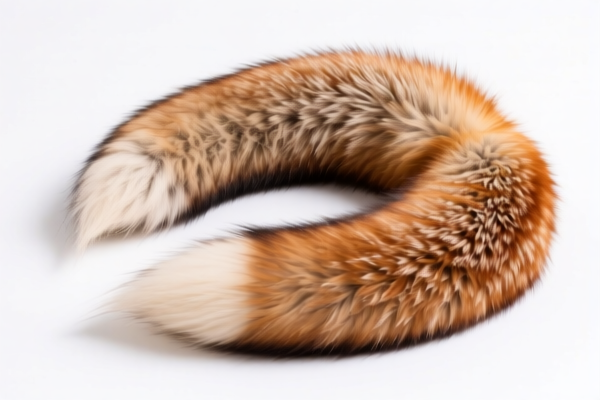
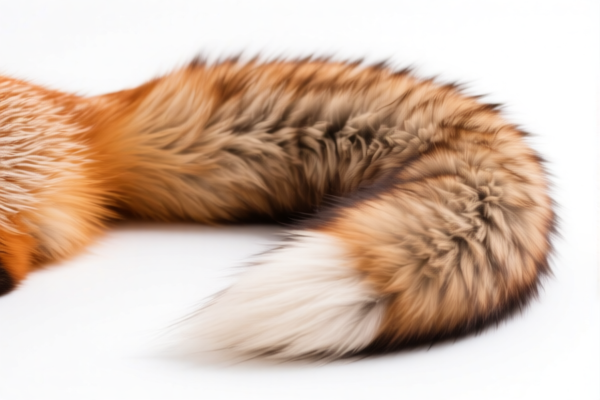
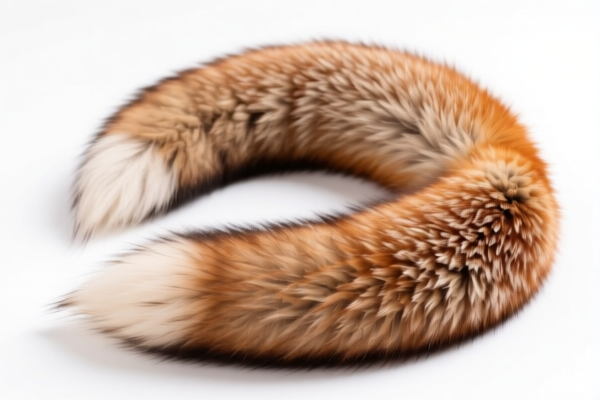
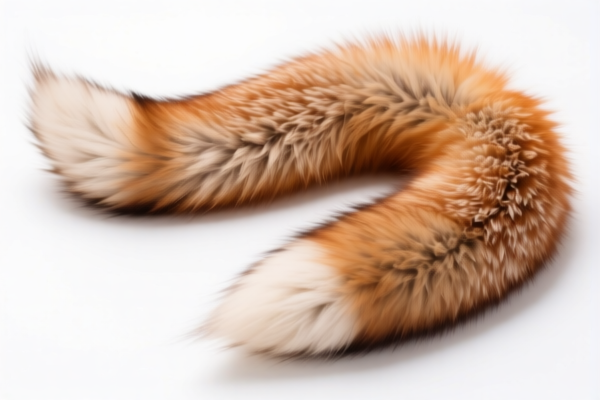
AI分析
🦊 Fox Fur (Raw / Processed Pelts)
🌐 HS Code Reference & Customs Clearance Guide | 2026 Latest Tariff Analysis | Professional Strategy for High-Risk Goods
📌 I. Product Definition & Classification: Understanding "Fox Fur"
Fox fur is a high-value luxury material used primarily in fashion, trim, and accessories. In international trade, classification depends heavily on the state of processing (raw vs. dressed) and specific form (whole skin vs. pieces vs. garments).
Critical Distinction:
- Raw Skins (Chapter 4301): Unprocessed or simply salted/treated skins. Low base tariff, but subject to specific restrictions.
- Dressed/Processed Skins (Chapter 4302): Tanned, dyed, or otherwise processed pelts ready for manufacturing. Higher base tariff.
- Ready-Made Articles (Chapter 4303): Garments, hats, or accessories made from fox fur. Highest base tariff.
⚠️ Key Warning:
- Misclassifying processed fur as raw fur to lower tariffs can lead to severe penalties. - All fox fur imports into the USA face significant Section 301 Tariffs and IEEPA Additional Duties. - De Minimis (Section 321) is NOT available for these codes due to specific trade restrictions.
📦 II. HS Code Classification Matrix (2026 Latest Tariff Rules)
Based on the provided data, here are the potential HS codes and their corresponding tax implications. Note that the "Summary" fields in the source data provide the justification for each classification.
| HS Code | Product Description & Justification | Total Tax Rate | Tax Breakdown |
|---|---|---|---|
4302.19.45.30 |
Dyed Fox Fur Pelts Matches material (Fox Fur) and use (Trade/Manufacturing). Fits category for dyed fox furs. |
37.2% | Base: 2.2% Add'l: 25.0% IEEPA: 10% |
4302.19.30.30 |
Processed Fox Fur Material (Fox Fur) and Use clearly defined. Fits category for processed fox furs. |
36.5% | Base: 1.5% Add'l: 25.0% IEEPA: 10% |
4303.90.00.00 |
Other Fur Articles Material: Fox Fur. Falls under "Other" category as a catch-all for fur articles not specified elsewhere (e.g., trim, accessories). |
35.0% | Base: 0.0% Add'l: 25.0% IEEPA: 10% |
4301.60.30.00 |
Raw Fox Skins (Processed/Graded) Material: Fox. No conflict with raw skin definitions. Likely processed/raw variant. |
22.6% | Base: 5.1% Add'l: 7.5% IEEPA: 10% |
4301.60.60.00 |
Raw Fox Skins (Other) Material: Fox. Inferred as raw material for leather goods processing. |
17.5% | Base: 0.0% Add'l: 7.5% IEEPA: 10% |
4303.10.00.60 |
Fox Fur Garments/Accessories Material: Fox Fur. Fits "Other" fur articles (not mink). Assumed ready-made clothing or accessories. |
39.0% | Base: 4.0% Add'l: 25.0% IEEPA: 10% |
🔍 Priority Note:
- Cheapest Option:4301.60.60.00(17.5%) applies if the product is raw/unprocessed skins. - Most Common for Trade:4302codes (36-37%) apply if the fur is tanned/dyed (dressed). - Highest Cost:4303codes (35-39%) apply if the product is finished goods (jackets, hats).
💰 III. 2026 Latest Tariff Rate Detail (USA Market)
✅ Applicable Country: United States (US)
✅ Origin: China (CN) (Assumed based on "Section 122" / IEEPA reference in source)
✅ Effective Date: 2025-11-10 (and ongoing)
🎯 1. Raw Skins (4301.60.x0.xx) - The "Lowest Risk" Class?
| Item | Content |
|---|---|
| Base Tariff | 0.0% - 5.1% (Ad Valorem) |
| Section 301 Tariff | +7.5% (Specific footnote for fur skins) |
| IEEPA Tariff | +10% (China-specific emergency power) |
| Total Tax | 17.5% - 22.6% |
| De Minimis? | ❌ NO (Denied under de_minimis: true is false for these codes) |
| Legal Path | IEEPA:9903.01.25 → USITC:4301.60.xx.xx |
📌 Explanation:
- Even raw fox skins are not tax-free due to Section 301 and IEEPA surcharges. - The base rate varies slightly depending on the exact sub-category (60.30 vs 60.60), but the added duties remain fixed.
🎯 2. Dressed/Dyed Pelts (4302.19.xx.xx) - The "Standard Trade" Class
| Item | Content |
|---|---|
| Base Tariff | 1.5% - 2.2% |
| Section 301 Tariff | +25.0% (Standard Section 301 rate for many goods) |
| IEEPA Tariff | +10% |
| Total Tax | 36.5% - 37.2% |
| De Minimis? | ❌ NO |
| Legal Path | IEEPA:9903.01.24 → USITC:4302.19.xx.xx → FOOTNOTE:9903.88.01 |
📌 Explanation:
- Dressed furs face a much higher Section 301 rate (25%) compared to raw skins (7.5%). - This is a critical cost driver. Many importers try to classify processed fur as raw to save ~17%, but customs audits often reject this if the fur is tanned or dyed.
🎯 3. Fur Articles (4303.x0.xx) - Finished Goods
| Item | Content |
|---|---|
| Base Tariff | 0.0% - 4.0% |
| Section 301 Tariff | +25.0% |
| IEEPA Tariff | +10% |
| Total Tax | 35.0% - 39.0% |
| De Minimis? | ❌ NO |
| Legal Path | IEEPA:9903.01.24 → USITC:4303.xx.xx |
📌 Explanation:
- Finished garments/accessories have high base rates (up to 4%) but the main burden is the 25% Section 301. - No special exemptions apply.
🛠️ IV. Customs Clearance Practical Advice (Pitfall Avoidance)
✅ 1. Documentation Checklist (Non-Negotiable)
| Document | Required? | Purpose |
|---|---|---|
| ✅ Commercial Invoice | ✔️ | Must specify "Fox Fur" and state of processing (Raw/Tanned/Dyed). |
| ✅ Packing List | ✔️ | Detail quantity, weight, and dimensions. |
| ✅ Certificate of Origin | ✔️ | Required for IEEPA determination. |
| ✅ Tanning/Dyeing Certificate | ✔️ | Critical to prove if fur is "Raw" (4301) or "Dressed" (4302). |
| ✅ Product Photos | ✔️ | Clear images of the fur texture, backing, and any labels. |
| ✅ Customs Bond | ✔️ | Required for all commercial imports >$2,500. |
| ❌ De Minimis Claim | ❌ | DO NOT USE for these HS Codes. It will be rejected, causing delays and fines. |
✅ 2. Classification Strategy & Tricks
🔥 “Know Your State: Raw vs. Dressed Dictates Your Cost!”
| Scenario | Correct HS Code | Est. Tax | Risk Level |
|---|---|---|---|
| Raw, Salted Skins (Unprocessed) | 4301.60.60.00 |
17.5% | 🟢 Low (if documented) |
| Tanned/Dyed Pelts (Ready for sew) | 4302.19.30.30 |
36.5% | 🟡 Medium |
| Fox Fur Jacket/Hat | 4303.10.00.60 |
39.0% | 🔴 High (Value Declared High) |
| Misclassified Dressed as Raw | 4301.60.60.00 |
17.5% | 🔴 HIGH PENALTY RISK |
📌 Key Tip:
- If the fur is dyed, it MUST be4302. Customs officers can visually identify dye and tanning. - If the fur is raw, ensure it is salted or frozen and clearly labeled as "Raw."
✅ 3. Special Handling
| Situation | Advice |
|---|---|
| Small Packages (De Minimis) | ❌ Do not ship via Section 321. It will be seized or taxed retroactively. |
| Mixed Shipments | Separate raw skins and dressed pelts into different line items. |
| Sample Imports | Still subject to full duties. Mark as "Commercial Sample" but pay taxes. |
| Luxury Tax | Some states may impose additional sales/use tax on final sale, but import duties are federal. |
🌍 V. Global Market Comparison (2026)
| Country/Region | Recommended HS Code | Tariff | Notes |
|---|---|---|---|
| 🇺🇸 USA | 4301.60.60.00 (Raw) or 4302.19.30.30 (Dressed) |
17.5% - 37.2% | High tariffs due to IEEPA/Section 301. No de minimis. |
| 🇨🇳 China | 4301.60.60.00 |
5% - 15% | Lower duties. May require CITES permit if endangered species involved. |
| 🇪🇺 EU | 4301 or 4302 |
0% - 12% | CITES regulations are strict. Proof of legal sourcing is mandatory. |
| 🇬🇧 UK | 4301 or 4302 |
0% - 12% | Post-Brexit rules apply. CITES documentation required. |
📌 Conclusion:
- USA is the most expensive market for fox fur due to political tariffs. - EU/UK require strict CITES compliance, but tariffs are generally lower. - China has lower entry tariffs but strict environmental and sourcing regulations.
📌 VI. Common Mistakes & Pitfalls (Blood & Tears Lessons)
❌ Mistake 1: Claiming De Minimis for Fox Fur under $800
👉 Result: Customs seizes the package, imposes fines, and blacklists your carrier.
✅ Fix: Always declare as commercial import, even for samples.
❌ Mistake 2: Mislabeling Dyed Fur as "Raw Skins"
👉 Result: Audits reveal tanning/dyeing. Back taxes + 25% penalty.
✅ Fix: Provide tanning certificates. Be honest about processing.
❌ Mistake 3: Ignoring CITES (If Applicable)
👉 Result: Confiscation by US Fish & Wildlife Service or EPA.
✅ Fix**: Check if Fox Fur requires CITES permit. Most farmed fox fur does not, but wild-caught may.
❌ Mistake 4: Incorrect Description ("Fur" vs. "Fox Fur")
👉 Result: Vague descriptions lead to classification errors and delays.
✅ Fix: Use specific terms: "Red Fox Fur, Dyed Black, Dressed Pelts."
🎯 VII. Conclusion: Smart Importing for Fox Fur
🎯 Remember These Rules:
🔹 "Raw is Cheaper, Dressed is Standard, Garments are Premium."
🔹 "IEEPA + Section 301 = High Cost in USA."
🔹 "No De Minimis for Fur – Plan for Full Duties."
🔹 "Documentation is King – Certificates Save Money."
📌 Pro Tip:
- If you are importing raw skins, aim for
4301.60.60.00to minimize tax at 17.5%.- If importing dressed pelts, expect ~36.5%.
- Always consult a licensed customs broker before shipping to the USA.
- Consider pre-ruling with US Customs and Border Protection (CBP) for clarity.
📣 Immediate Action:
📞 Contact a Customs Broker today.
📄 Gather all Tanning/Dyeing Certificates.
🚀 Prepare for Higher Costs – Factor in the 25% Section 301 and 10% IEEPA tariffs in your pricing model.
✨ Professional Clearance, From Accurate Classification.
💼 Your Margins Depend on This Tax Calculation.
用户评价
关于 HS 编码归类
协调制度(HS)是由世界海关组织(WCO)制定的国际贸易商品分类标准。全球 200 多个国家采用 HS 系统作为海关关税、贸易统计和进出口监管的基础。
每个 HS 编码遵循以下层级结构:
- 章(2 位)——商品大类(例如:第 84 章:机器和机械设备)
- 品目(4 位)——章内的更具体分类
- 子目(6 位)——国际通用细分,所有 WCO 成员国统一使用
- 本国细分(8-10 位)——各国自行扩展的细分编码,如美国 HTSUS 10 位编码
正确的 HS 编码归类对于顺利通关、准确缴纳关税和遵守贸易法规至关重要。错误归类可能导致海关延误、多缴关税或罚款。
从CN进口到US时,适用的关税税率可能包括:
- 最惠国(MFN)税率——适用于 WTO 成员国的标准关税税率
- 普通税率——适用于无贸易协定国家
- 贸易救济关税——附加关税,如 301 条款(反倾销)、232 条款(国家安全)或反补贴税
本页内容仅供参考。如需正式归类,请咨询当地海关或持牌报关代理。