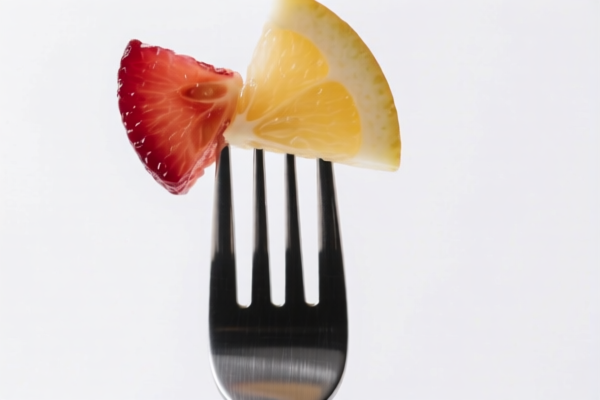
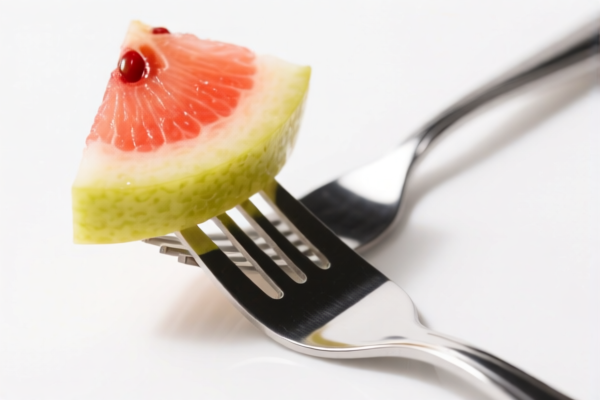
fruit fork
CN → US| HS编码 | 关税税率 | 原产国 | 目的国 | 文档 |
|---|---|---|---|---|
| 3924102000 | 24.0% | CN | US | 官方文档 |
| 8215991500 | 0.0% | CN | US | 官方文档 |
| 3924104000 | 13.4% | CN | US | 官方文档 |
| 6911108010 | 38.3% | CN | US | 官方文档 |
| 6911108090 | 38.3% | CN | US | 官方文档 |
| 8215992600 | 0.0% | CN | US | 官方文档 |
商品图片


AI分析
🍎 Fruit Fork (Portable Cutlery for Fruits & Snacks)
🌐 HS Code Reference & Customs Clearance Guide | 2026 Latest Tariff Analysis | Professional Compliance Strategy
📌 I. Product Definition & Classification: What is a "Fruit Fork"?
A Fruit Fork is a small, lightweight utensil designed specifically for eating fruits, desserts, or snacks. It typically features:
- A short handle (often ergonomic or decorative)
- 2–3 prongs (sometimes with a spoon-like end for versatility)
- Made from materials like plastic, stainless steel, porcelain, or composite
Key Classification Logic:
- Material determines the HS Code chapter:
- Plastic → Chapter 39 (Plastics)
- Metal/Stainless Steel → Chapter 82 (Cutlery)
- Ceramic/Porcelain → Chapter 69 (Ceramic Products)
- Function confirms it falls under "cutlery" or "tableware" categories
⚠️ Critical Distinction:
- A single-use plastic fork →归入 3924.10.20.00 / 3924.10.40.00
- A metal reusable fork →归入 8215.99.15.00
- A porcelain/ceramic fork →归入 6911.10.80.10 / 6911.10.80.90
📦 II. HS Code Classification Breakdown (2026 Tariff Authority)
| HS Code | Product Description | Material | Application | Tax Rate (US + China) |
|---|---|---|---|---|
3924.10.20.00 |
Plastic tableware (forks, knives, spoons) | Plastic | Disposable or semi-reusable fruit forks | 24.0% (6.5% base + 7.5% Section 301 + 10% IEEPA) |
8215.99.15.00 |
Metal cutlery (forks, knives, spoons), stainless steel | Metal/Stainless Steel | Reusable fruit forks, high-quality dining | 0.4¢/unit + 14.8% (0.4¢ + 4.8% base + 10% IEEPA) |
3924.10.40.00 |
Plastic tableware (specifically forks) | Plastic | Single-use or lightweight fruit forks | 13.4% (3.4% base + 10% IEEPA) |
6911.10.80.10 |
Ceramic tableware (forks, plates, bowls) | Porcelain/Ceramic | Elegant fruit forks for dining | 38.3% (20.8% base + 7.5% Section 301 + 10% IEEPA) |
6911.10.80.90 |
Ceramic tableware (miscellaneous) | Ceramic | General ceramic fruit forks | 38.3% (20.8% base + 7.5% Section 301 + 10% IEEPA) |
🔍 Key Insight:
- Plastic forks dominate the disposable market but face Section 301 tariffs (7.5%) if not covered by exceptions.
- Metal forks are exempt from Section 301 (0.0% additional), but subject to a per-unit duty (0.4¢).
- Ceramic forks are rare for fruits but still classified under Chapter 69, with high base rates (20.8%).
💰 III. 2026 Tariff Breakdown (US + China Export)
✅ Country of Origin: China (CN)
✅ Destination: United States (US)
✅ Effective Date: November 10, 2025 (current 2026 tariff rules)
🎯 1. 3924.10.20.00 – Plastic Tableware (Forks)
| Item | Value |
|---|---|
| Base Duty | 6.5% (ad valorem) |
| Section 301 Tariff | +7.5% (China-specific) |
| IEEPA Surcharge | +10% (Emergency Economic Powers Act) |
| Total Duty | 24.0% |
| Calculation | CIF Value × 24% |
| De Minimis Exemption? | ❌ No (denied) |
| Legal Path | IEEPA:9903.01.24 → USITC:3924.10.20.00 → FOOTNOTE:9903.88.01 |
📌 Explanation:
- Section 301 (7.5%): U.S. retaliatory tariff on Chinese goods under Trade Act of 1974.
- IEEPA (10%): Special tax on Chinese products due to national security concerns.
- Combined 24%: High cost for plastic forks; no de minimis exemption (under $800).
🎯 2. 8215.99.15.00 – Metal Cutlery (Stainless Steel Forks)
| Item | Value |
|---|---|
| Base Duty | 0.4¢ per unit + 4.8% (ad valorem) |
| Section 301 Tariff | +0.0% (Exempt!) |
| IEEPA Surcharge | +10% |
| Total Duty | 0.4¢ + 14.8% |
| Calculation | (0.4¢ × Quantity) + (CIF × 14.8%) |
| De Minimis Exemption? | ❌ No (denied) |
| Legal Path | IEEPA:9903.01.24 → USITC:8215.99.15.00 → FOOTNOTE:9903.88.01 |
📌 Note:
- Metal forks avoid Section 301 (0.0% additional), making them more cost-effective than plastic.
- 0.4¢/unit is a specific duty (per piece), so high-volume shipments reduce per-unit cost.
🎯 3. 3924.10.40.00 – Plastic Forks (Specific)
| Item | Value |
|---|---|
| Base Duty | 3.4% |
| Section 301 Tariff | +0.0% |
| IEEPA Surcharge | +10% |
| Total Duty | 13.4% |
| Calculation | CIF × 13.4% |
| De Minimis Exemption? | ❌ No |
| Legal Path | IEEPA:9903.01.24 → USITC:3924.10.40.00 |
📌 Insight:
- This code is only for plastic forks (not general tableware).
- 0% Section 301 makes it cheaper than3924.10.20.00(24.0% vs. 13.4%).
🎯 4. 6911.10.80.10 & 6911.10.80.90 – Ceramic Forks
| Item | Value |
|---|---|
| Base Duty | 20.8% |
| Section 301 Tariff | +7.5% |
| IEEPA Surcharge | +10% |
| Total Duty | 38.3% |
| Calculation | CIF × 38.3% |
| De Minimis Exemption? | ❌ No |
| Legal Path | IEEPA:9903.01.24 → USITC:6911.10.80.10/90 |
📌 Warning:
- Ceramic forks are rare for fruits but still classified here.
- 38.3% total duty is the highest rate in this list; avoid unless necessary.
🛠️ IV. Customs Clearance Action Plan (Step-by-Step)
✅ 1. Required Documentation (Must-Haves)
| Document | Required? | Purpose |
|---|---|---|
| Product Spec Sheet | ✔️ | Material, dimensions, prong count, usage |
| Material Certificate | ✔️ | Plastic, metal, ceramic proof |
| Photos (Label/Design) | ✔️ | Show fork type (plastic/metal/ceramic) |
| Third-Party Test Report | ✔️ | FDA, LFGB, or Food Contact Safety |
| Commercial Invoice | ✔️ | Clearly state "Fruit Fork" + HS Code |
| Packing List | ✔️ | Quantities per HS Code (avoid mix-up) |
| Certificate of Origin (CO) | ✔️ | For non-China origins (e.g., Vietnam) |
✅ 2. Declaration Tips (Key Rules)
🔥 Golden Rule: "Material First, Function Second, HS Code Third!"
| Scenario | Correct Declaration | Mistake → Consequence |
|---|---|---|
| Plastic fruit fork | 3924.10.40.00 |
❌ Use 3924.10.20.00 → 24% tax vs. 13.4% |
| Stainless steel fork | 8215.99.15.00 |
❌ Use plastic code → Wrong tax + penalty |
| Ceramic fork | 6911.10.80.10 |
❌ Use 3924 → 38.3% vs. 24% |
| Mixed materials | Split declaration | ❌ Bundle all → Audit risk + 38.3% on entire shipment |
✅ 3. Special Cases & Solutions
| Situation | Recommendation |
|---|---|
| OEM Custom Forks | Provide client contract + design drawings |
| Forks with Handles (Plastic + Metal) | Declare as metal (8215.99.15.00) |
| Disposable vs. Reusable | Reusable → Metal; Disposable → Plastic |
| Forks for Medical Use | May qualify for exemption if certified |
| Forks for Military/Space | Apply for special用途 declaration |
🌍 V. Global Market Comparison (2026)
| Country | Recommended HS Code | Tariff | Certification | Note |
|---|---|---|---|---|
| 🇺🇸 USA | 8215.99.15.00 |
14.8% (metal) | FDA + RoHS | 38.3% for ceramic |
| 🇨🇳 China | 8215.99.15.00 |
5% | CCC + RoHS | No extra tariffs |
| 🇪🇺 EU | 8215.99.15.00 |
0% (if CE) | CE + LFGB | No Section 301 |
| 🇯🇵 Japan | 8215.99.15.00 |
0% | PSE + LFGB | Low tariffs |
| 🇦🇺 Australia | 8215.99.15.00 |
5% | RCM + FDA | No Section 301 |
📌 Conclusion:
- USA is the only market with Section 301 tariffs (7.5% + 10% IEEPA).
- Metal forks are cheaper in the US than plastic (14.8%vs.24.0%).
- Ceramic forks are too expensive for most markets (38.3% in US).
📌 VI. Common Mistakes & How to Avoid Them
❌ Mistake 1: Mixing plastic and metal forks in one declaration
👉 Result: All items taxed at 38.3% (if ceramic) or 24.0% (if plastic) → 3x cost increase!
❌ Mistake 2: Declaring "Fork" without material detail
👉 Result: Customs may reject or reclassify → Delay + fines
❌ Mistake 3: Using generic "Cutlery" instead of "Fruit Fork"
👉 Result: May trigger misclassification → Audit risk
✅ Correct Practice:
"Stainless Steel Fruit Fork, 3-prong, 15cm, FDA-approved, Model XYZ, 1000 pcs"
🎯 VII. Final Recommendations (2026 Strategy)
🎯 Key Takeaways:
🔹 "Material First" – Plastic, metal, or ceramic determines HS Code!
🔹 "Metal Forks Win in US" – 14.8% vs. 24% (plastic)
🔹 "Ceramic is a No-Go" – 38.3% is too high for most buyers
🔹 "De Minimis Doesn't Apply" – No $800 exemption!
📌 Pro Tip:
If your forks are made in Vietnam, Mexico, or Thailand, you may qualify for IEEPA exemption → 0%~5% tariffs!
Apply for Advance Ruling before shipment to avoid delays!
📣 Act Now:
📞 Contact a customs broker + Provide material specs + Apply for HS Code Pre-Ruling
🚀 Clear customs smoothly, reduce costs, and maximize profits!
✨ Precise Classification = Zero Surprises!
💼 Every penny saved is a profit earned!
用户评价
关于 HS 编码归类
协调制度(HS)是由世界海关组织(WCO)制定的国际贸易商品分类标准。全球 200 多个国家采用 HS 系统作为海关关税、贸易统计和进出口监管的基础。
每个 HS 编码遵循以下层级结构:
- 章(2 位)——商品大类(例如:第 84 章:机器和机械设备)
- 品目(4 位)——章内的更具体分类
- 子目(6 位)——国际通用细分,所有 WCO 成员国统一使用
- 本国细分(8-10 位)——各国自行扩展的细分编码,如美国 HTSUS 10 位编码
正确的 HS 编码归类对于顺利通关、准确缴纳关税和遵守贸易法规至关重要。错误归类可能导致海关延误、多缴关税或罚款。
从CN进口到US时,适用的关税税率可能包括:
- 最惠国(MFN)税率——适用于 WTO 成员国的标准关税税率
- 普通税率——适用于无贸易协定国家
- 贸易救济关税——附加关税,如 301 条款(反倾销)、232 条款(国家安全)或反补贴税
本页内容仅供参考。如需正式归类,请咨询当地海关或持牌报关代理。