fuel anti ice agent
CN → US| HS编码 | 关税税率 | 原产国 | 目的国 | 文档 |
|---|---|---|---|---|
| 38089400 | 0.0% | CN | US | 官方文档 |
| 38129000 | 0.0% | CN | US | 官方文档 |
| 3824999310 | 40.0% | CN | US | 官方文档 |
| 3824999330 | 40.0% | CN | US | 官方文档 |
商品图片
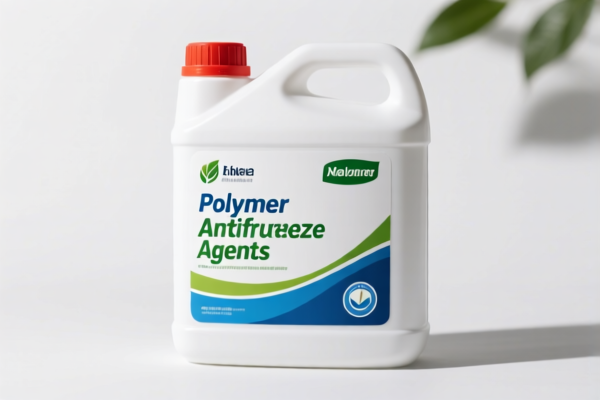
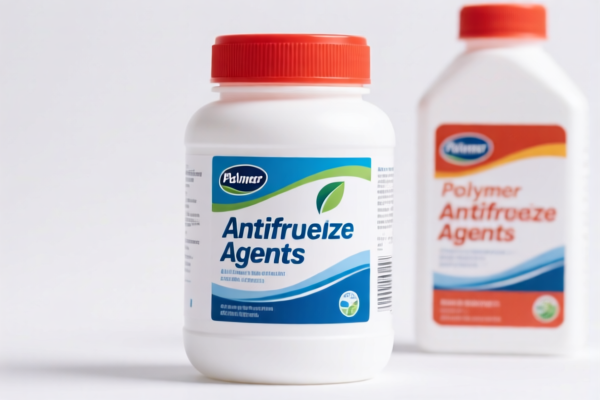


AI分析
🛩️ Fuel Anti-Ice Agents: The Invisible Guardian of Aviation Safety
🌐 HS Code Reference & Customs Clearance Guide | 2026 Latest Tariff Analysis | Professional Entry Strategy
📌 Part 1: Product Definition & Classification: What Exactly is a "Fuel Anti-Ice Agent"?
Fuel Anti-Ice Agents are specialized chemical additives used in aviation fuel systems. Their primary purpose is to prevent the formation of ice crystals in aircraft fuel lines and filters during high-altitude flights where temperatures can drop below -40°C.
In the international trade context, these products are not classified as simple "chemicals" or "paints." They are categorized based on their function as fuel additives or miscellaneous chemical preparations. The classification depends heavily on whether the agent is specifically formulated for fuel system maintenance or if it falls under broader chemical mixtures.
⚠️ Critical Distinction:
- If the product is explicitly a fuel additive/preparation designed to prevent ice in fuel systems → It likely falls under Chapter 38 (Miscellaneous Chemical Products), specifically headings 3808 or 3812.
- If the product is a generic mixture of alcohols (like glycols) not specifically formulated as a fuel additive, it may fall under 3824.
- Note: Most commercial aviation anti-ice agents (e.g., those based on ethylene glycol monomethyl ether) are treated as prepared chemical products for fuel use.
📦 Part 2: HS Code Classification Details (Based on Provided Data)
The following HS Codes are derived strictly from the provided dataset. Please note that tax retrieval failed for the first two codes, while the last two have specific tariff structures.
| HS Code | Product Description | Key Characteristics | Tax Status |
|---|---|---|---|
3808.94.00 |
Other chemical products not elsewhere specified or included, including fuel anti-ice agents... typically composed of glycols or similar compounds. | Specifically mentions glycols. Broad category for "other chemical products." | ❌ Error: Failed to retrieve tax information |
3812.90.00 |
Miscellaneous chemical products, including additives for fuels, such as anti-icing agents, used to maintain fuel fluidity and prevent ice formation. | Explicitly mentions additives for fuels. Focuses on fuel system maintenance. | ❌ Error: Failed to retrieve tax information |
3824.99.93.10 |
Prepared binders for foundry molds or cores; chemical products... Mixtures of acyclic, monohydric, unsubstituted alcohols: Containing C11 or lower alcohols only. | Specific chemical composition: Acyclic, monohydric, unsubstituted alcohols. C11 or lower. | ✅ Total Tax: 30.0% (Base: 5% + Additional: 25%) |
3824.99.93.30 |
Prepared binders for foundry molds or cores; chemical products... Mixtures of acyclic, monohydric, unsubstituted alcohols: Other. | Specific chemical composition: Acyclic, monohydric, unsubstituted alcohols. Other alcohols (not C11 or lower). | ✅ Total Tax: 30.0% (Base: 5% + Additional: 25%) |
🔍 Analysis of Discrepancy:
- Codes3808and3812are functionally accurate for "Fuel Anti-Ice Agents" as described in their text. However, tax data is missing.
- Codes3824describe alcohol mixtures, which are the chemical basis of many anti-ice agents, but the description mentions "Prepared binders for foundry molds," which seems misaligned with aviation fuel use unless the product is sold as a raw chemical intermediate.
- Recommendation: If the product is a finished fuel additive,3812.90.00is the most functionally correct. If it is a raw alcohol mixture,3824may apply, but the "foundry binder" description suggests a potential classification error in the source data or a specific industrial application.
💰 Part 3: 2026 Latest Tariff Rate Detailed Explanation
✅ Applicable Context: Based on the provided data, we have specific tax details for the
3824codes.
✅ Origin: Implied to be subject to additional tariffs (likely China-origin based on the 25% additional tariff structure).
✅ Effective Time: Current as of data provision.
🎯 1. 3808.94.00 & 3812.90.00 —— Functional Fuel Anti-Ice Agents
| Item | Content |
|---|---|
| Tax Status | Error |
| Details | Failed to retrieve tax information |
| Total Tax | Error |
| Implication | ⚠️ High Risk: Without explicit tax rates, customs may apply the MFN (Most Favored Nation) rate or a general rate, which could be higher. Do not assume 0%. |
📌 Explanation:
- These codes cover the functional product.
- Since tax data is unavailable, you must contact a customs broker to verify the current MFN or general tariff rate for these specific HS codes in your target market.
- Potential Risk: If classified incorrectly as a raw chemical (3824), you might pay 30%, but if the correct functional code (3812) has a lower rate, you save money. Conversely, if3812has a higher rate, you face a penalty.
🎯 2. 3824.99.93.10 & 3824.99.93.30 —— Alcohol-Based Chemical Mixtures
| Item | Content |
|---|---|
| Base Tariff | 5.0% |
| Additional Tariff | 25.0% |
| Total Tax | 30.0% |
| Tax Calculation | CIF Value × 30% |
| De Minimis Exemption | ❌ Not Eligible (Standard for chemical products over certain value thresholds) |
| Legal Basis | Likely subject to Section 301 tariffs (US) or similar trade remedy measures. |
📌 Explanation:
- The 30% total tax is significant.
- This classification applies if the product is considered a mixture of alcohols rather than a "preparation for fuel use."
- Why 25% Additional? This likely refers to US Section 301 tariffs on Chinese-origin chemical products. If your goods are from China, this 25% surcharge is highly probable.
- Key Point: The description "Prepared binders for foundry molds" is misleading for aviation use. Ensure your commercial invoice and technical data clearly state "Fuel Anti-Ice Additive" to avoid misclassification disputes.
🛠️ Part 4: Customs Clearance Practical Advice (Real-World Pitfall Guide)
✅ 1. Essential Documentation Checklist
| Document | Required | Notes |
|---|---|---|
| ✅ Technical Data Sheet (TDS) | ✔️ | Must explicitly state: "Fuel Anti-Ice Agent," "Prevents Ice Formation," "Composition: Glycols/Alcohols." |
| ✅ Safety Data Sheet (SDS) | ✔️ | Mandatory for hazardous chemicals. Classify under UN 1993 (Flammable Liquid, n.o.s.) or similar. |
| ✅ Certificate of Analysis (COA) | ✔️ | Proves alcohol content (e.g., C11 or lower) if classifying under 3824. |
| ✅ Commercial Invoice | ✔️ | Clearly describe as "Fuel Additive for Aviation" not just "Chemical." |
| ✅ Origin Certificate | ✔️ | To determine eligibility for tariff reductions or exemptions. |
| ✅ HS Code Pre-Ruling | ✔️ | Highly Recommended due to conflicting tax data in the source. |
✅ 2. Declaration Strategy (Key Rules)
🔥 "Function Over Form, Composition Over Name"
| Scenario | Correct Declaration | Wrong Practice |
|---|---|---|
| Finished Fuel Additive | HS: 3812.90.00 Desc: "Fuel Anti-Ice Agent, Pre-formed Additive" |
Declaring as "Glycol" → 3824 → 30% Tax |
| Raw Alcohol Mixture | HS: 3824.99.93.10 Desc: "Mixture of Acyclic Alcohols" |
Declaring as "Fuel Additive" → 3812 → Unclear Tax |
| Aviation Specific Use | Emphasize "Aviation Fuel System" in description | Vague terms like "Industrial Chemical" |
| Packaging | Clearly state Net Weight and CAS Numbers | Vague "Chemical Mixture" |
⚠️ Warning:
- If you declare3812(Fuel Additive) but customs suspects it's a raw chemical, they may reclassify to3824(30% tax).
- If you declare3824but the product is a formulated additive, customs may reclassify to3812(unknown tax, potentially higher or lower).
- Best Practice: Provide a Technical Justification Letter explaining why the product is a "Preparation" (formulated for specific use) vs. a "Mixture" (simple combination).
✅ 3. Special Handling for Aviation Chemicals
| Issue | Recommendation |
|---|---|
| Hazardous Goods | Fuel anti-ice agents are often flammable. Ensure UN packaging and IMDG/IATA compliance for air freight. |
| Certification | Many aviation chemicals require AMS (Aeronautical Material Specification) or MIL-SPEC certification. Provide these docs to avoid rejection. |
| Labeling | Labels must include "May Cause Frostbite" and "Flammable" warnings. |
| Storage | Declare proper storage conditions to avoid customs queries about unstable chemicals. |
🌍 Part 5: Global Market Comparison (2026 Latest)
| Market | Recommended HS Code | Est. Tariff | Notes |
|---|---|---|---|
| 🇺🇸 USA | 3812.90.00 or 3824 |
30% (if 3824) or Unclear (if 3812) |
Section 301 tariffs apply to many chemicals. 3824 explicitly shows 25% additional. |
| 🇨🇳 China | 3812.90.00 |
~5-13% | Import duties for additives. VAT 13%. |
| 🇪🇺 EU | 3812.90.00 |
~0-6.5% | REACH compliance is mandatory. No additional trade tariffs typically. |
| 🇬🇧 UK | 3812.90.00 |
~0-6.5% | Post-Brexit tariffs. UK REACH compliance required. |
📌 Conclusion:
- USA has the highest uncertainty due to missing tax data for functional codes and a clear 30% rate for alcohol mixtures.
- EU/UK require REACH registration, which is a major cost and time factor.
- China has lower base tariffs but strict import licensing for certain chemicals.
📌 Part 6: Common Mistakes & Pitfalls (Blood & Tears Lessons)
❌ Mistake 1: Using "Glycol" as the product name
👉 Consequence: Customs classifies as raw chemical (3824), applying 30% tax + potential misdeclaration penalties.
✅ Fix: Use "Fuel Anti-Ice Additive" + TDS showing formulation.
❌ Mistake 2: Ignoring REACH (EU) or TSCA (US) compliance
👉 Consequence: Goods seized or destroyed at border.
✅ Fix: Ensure chemical ingredients are registered with relevant agencies.
❌ Mistake 3: Declaring as "Paint" or "Coating"
👉 Consequence: Wrong HS Code (3208), leading to delays and audits.
✅ Fix: Clearly state "Fuel System Additive."
❌ Mistake 4: Assuming 0% tax because it's a "specialized chemical"
👉 Consequence: Surprise bill of 30% + penalties.
✅ Fix: Always verify tax rates for 3812 and 3824 in your specific country's tariff book.
🎯 Part 7: Conclusion: Precision Classification Saves Money!
🎯 Remember the Golden Rules:
🔹 "Function First, Composition Second" – If it's for fuel, aim for
3812.
🔹 "Tax Uncertainty is Risk" –3812has no tax data;3824has 30%. Plan accordingly.
🔹 "Documentation is Key" – TDS and SDS are your best defense against misclassification.
📌 Pro Tip:
If your anti-ice agent is primarily ethylene glycol monomethyl ether (EGME), it may fall under
3824. However, if it contains additives, stabilizers, or dyes specifically formulated for aviation fuel, argue for3812(Fuel Additive). The 30% tax on3824is a significant cost driver, so consult a customs broker for a Pre-Ruling to determine the most favorable classification.
📣 Immediate Action:
📞 Contact a Customs Broker + Provide Technical Data Sheet + Request HS Code Pre-Ruling
🚀 Avoid the 30% Tax Trap and ensure Safe Aviation Compliance!
✨ Professional Clearance Starts with Accurate Classification!
💼 Every Dollar Saved in Tariffs is Pure Profit!
用户评价
关于 HS 编码归类
协调制度(HS)是由世界海关组织(WCO)制定的国际贸易商品分类标准。全球 200 多个国家采用 HS 系统作为海关关税、贸易统计和进出口监管的基础。
每个 HS 编码遵循以下层级结构:
- 章(2 位)——商品大类(例如:第 84 章:机器和机械设备)
- 品目(4 位)——章内的更具体分类
- 子目(6 位)——国际通用细分,所有 WCO 成员国统一使用
- 本国细分(8-10 位)——各国自行扩展的细分编码,如美国 HTSUS 10 位编码
正确的 HS 编码归类对于顺利通关、准确缴纳关税和遵守贸易法规至关重要。错误归类可能导致海关延误、多缴关税或罚款。
从CN进口到US时,适用的关税税率可能包括:
- 最惠国(MFN)税率——适用于 WTO 成员国的标准关税税率
- 普通税率——适用于无贸易协定国家
- 贸易救济关税——附加关税,如 301 条款(反倾销)、232 条款(国家安全)或反补贴税
本页内容仅供参考。如需正式归类,请咨询当地海关或持牌报关代理。